


Vintage Industrial Task Lamp
These vintage industrial task lamps combine robust engineering with adjustable utility, bringing dependable adjustable light and mechanical charm to any desk.
Vintage Industrial Task Lamp
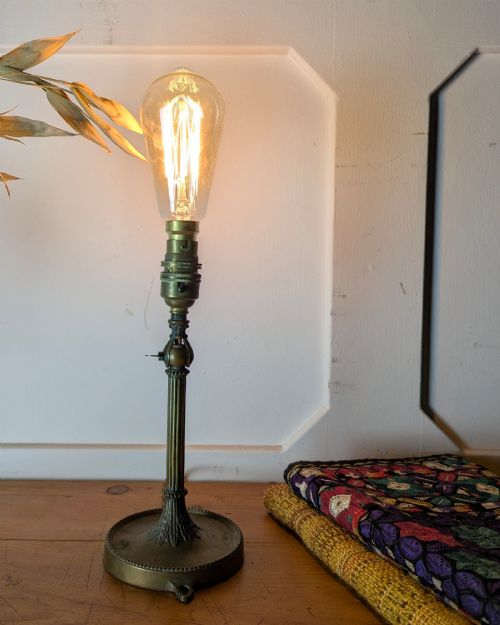
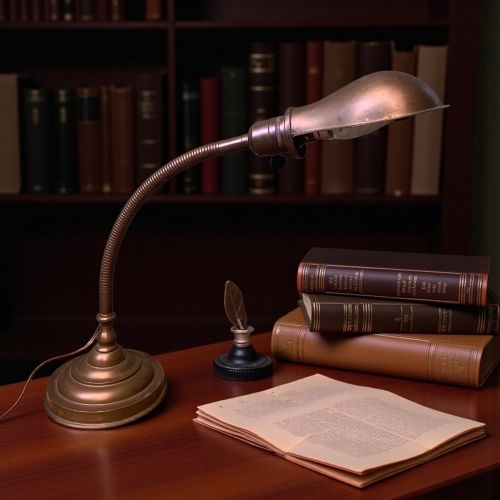
A vintage industrial task lamp provides focused working illumination through articulated arms and adjustable shades. When you search for vintage industrial task lamp, you encounter desk lamps and table lamps originating from periods such as the Edwardian era, the nineteenth century, nineteen-ten, nineteen-twenty, nineteen-thirty, and nineteen-forty.
The pieces on this page span several distinct design movements, including Industrial, French Industrial, Art Deco, and Bauhaus. You are most likely to meet metal desk and table lamps featuring adjustable mechanisms designed for practical workspace use.
How they were made
These lamps utilise durable metals such as steel, cast iron, brass, chrome, and iron to withstand workshop or office use. Artisans incorporated weighted bases, hinged arms, and metal shades to direct light precisely where required.
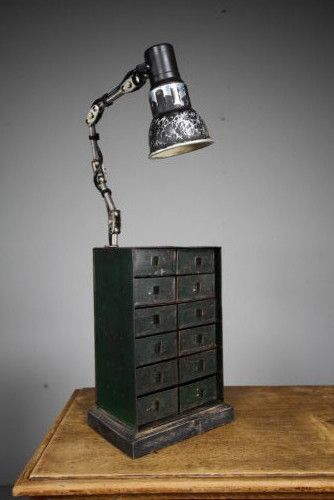
Makers integrated specialised components like shell shades, glass elements, and integrated light fittings into chests or wall mounts. Wood elements occasionally appear alongside metal structures to balance utility with domestic style.
The selection includes desk lamps, table lamps, wall lamps, and a jewellers chest.
What varies in quality
Quality rests in the precision of the mechanical joints and the robustness of the primary materials. Lamps constructed from heavy cast iron or solid brass exhibit greater durability than lighter assemblies.
Distinction also lies in the sophistication of the adjustable framework, particularly in iconic articulating designs. Retaining original metal finishes and specialised components elevates a piece above standard utility lighting.
Herbert Terry·Wilhelm Wagenfeld·Pirouette·Hawkins
The Vintage Industrial Task Lamp Glossary
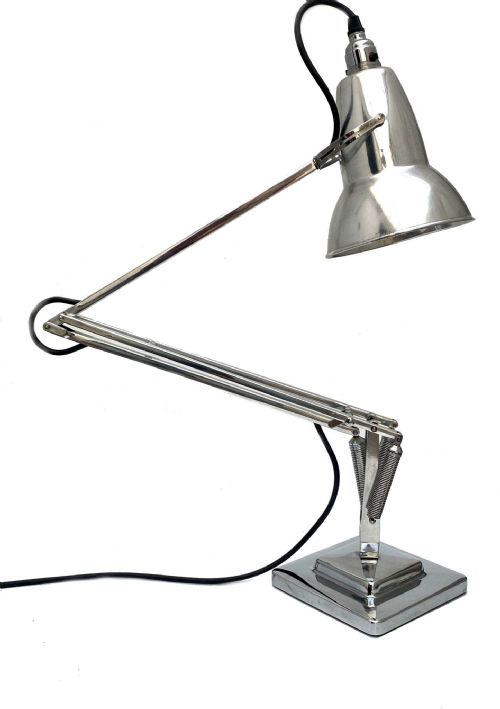
- Anglepoise
- A type of balanced arm lamp invented in the twentieth century using spring tension to hold position. It remains a benchmark for adjustable task lighting.
- Bauhaus
- A German style emphasising functionalism and clean lines during the nineteen-twenties. This approach heavily influenced modern industrial design.
- Art Deco
- A popular design style of the nineteen-thirties characterised by sleek geometric forms and polished chrome. It brought glamour to mechanical objects.
- Pullman
- A term associated with luxury railway carriages, often denoting high-grade brass fittings and compact wall-mounted lighting. These fixtures were built to endure travel.
Vintage Industrial Task Lamp: Frequently Asked Questions
How do I adjust the arm?
Most task lamps utilise spring-loaded or friction joints that allow you to pivot the shade and angle the light precisely over your workspace. Moving the joints gently ensures the internal mechanisms remain properly aligned.
Take care not to force stiff joints without first checking for a tension screw or hinge adjustment. Regular careful movement keeps the articulating arms functioning smoothly.
Where were these lamps used?
These adjustable lamps were originally designed for factories, drafting studios, offices, and jewellers' workstations where direct illumination was essential. Their robust construction suited demanding industrial environments.
Over time, their practical design made them popular for domestic study desks and reading tables. They transition easily from utilitarian workspaces to modern home interiors.
How do I date a lamp?
Dating relies on identifying specific stylistic markers, such as Art Deco chrome or Edwardian brass fittings, combined with the manufacturing techniques visible on the piece. Makers' names stamped onto the metalwork provide definitive clues.
Materials also help establish an era, with cast iron and heavy brass predominating in earlier pieces while chrome gained prominence in the nineteen-thirties. Comparing the switch type and wiring housing offers additional historical context.
Are these lamps heavy?
Many task lamps incorporate cast iron or solid brass bases to counterbalance the extended arms safely. This weight prevents the lamp from tipping when the arm is fully adjusted.
Lighter models rely on wall mountings or weighted desk clamps for stability instead of heavy standalone bases. This ensures the lamp remains secure during everyday use.