




Vintage Indian Statues
These vintage indian statues bring the rich sculptural traditions of the nineteenth and early twentieth centuries directly into domestic spaces.
Vintage Indian Statues
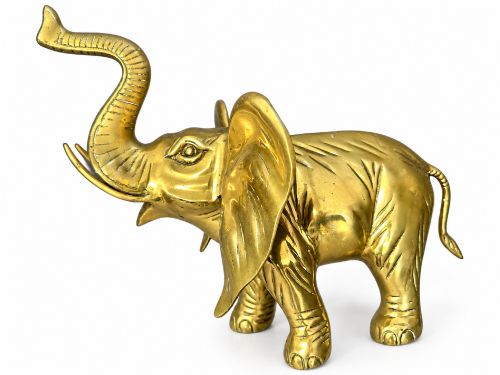
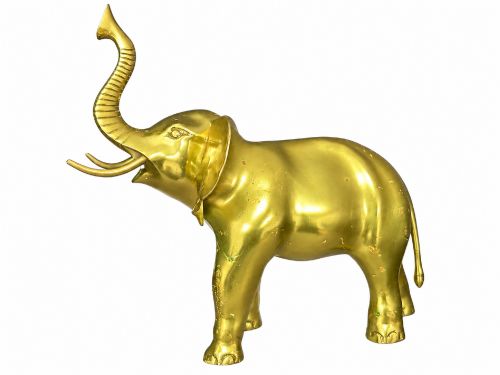
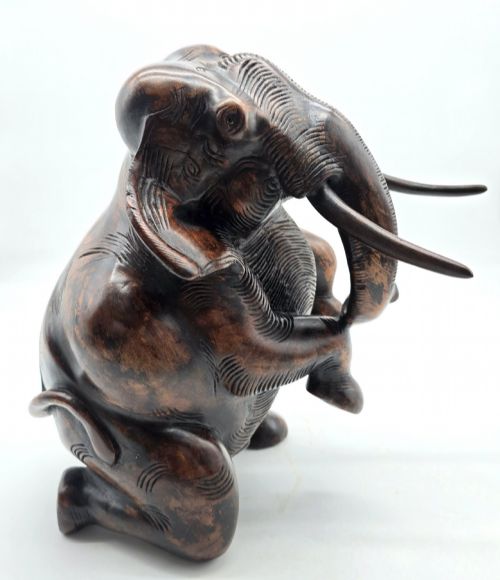
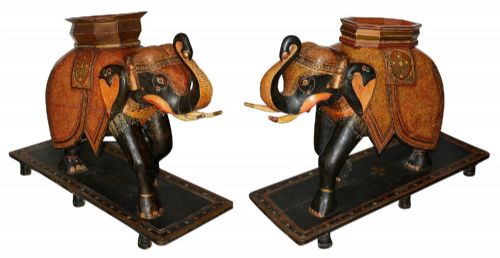
Vintage indian statues encompass a broad selection of sculptural works ranging from the nineteenth century into the 1930s, including popular depictions of elephants, deities, and animals. Buyers seeking vintage indian statues frequently encounter representations cast in brass or carved from dense hardwoods such as teak and ebony.
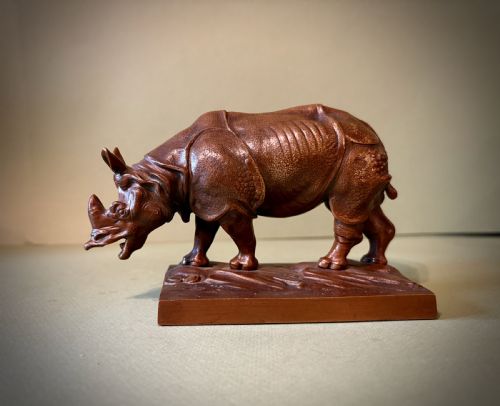
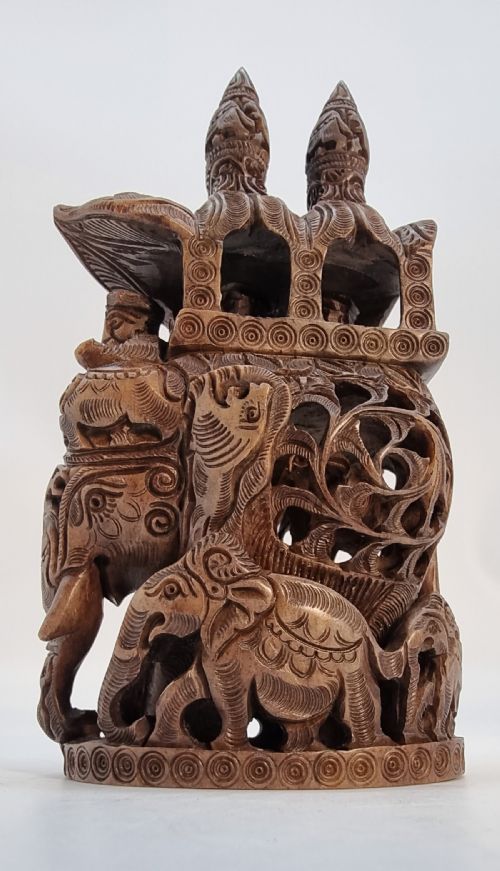
The selection includes figures from the Victorian and Raj periods alongside Anglo-Indian creations and folk art pieces. Animal studies, particularly ceremonial and processional elephants, form a significant portion of what is available.
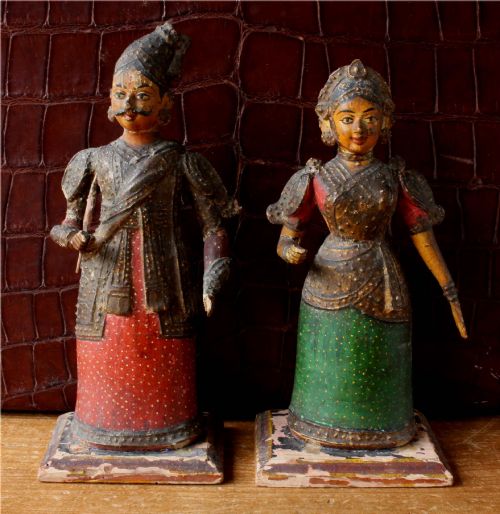
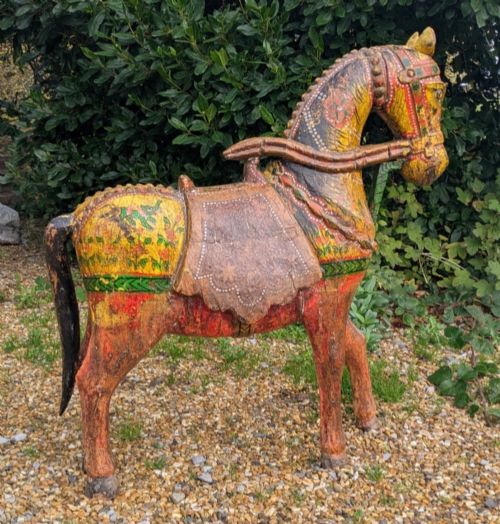
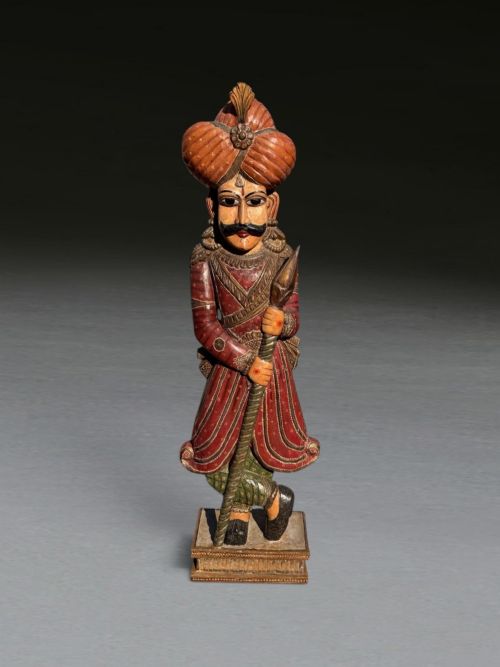
Religious figures such as the Goddess Parvati, Ganesha, and Buddha appear alongside decorative soldiers and processional horses. These works reflect the diverse cultural exchanges and craftsmanship of the period.
Materials and methods
Makers utilised traditional casting methods for metal pieces, resulting in substantial bronze and brass figures that often show careful attention to detail in their raised trunks or ornaments. Woodcarvers worked with hardwoods like ebony, teak, and various other timbers to shape elaborate animal studies and human figures.
Surface treatments frequently involved polychrome paint, lacquer, pigment, or gesso applied over carved wood to add colour and definition. Stone and marble carvings also appear, shaped through meticulous hand-chiselling by period artisans.
Vintage Indian Statues Retail Price Guide 2026
Typical asking prices for vintage indian statues among the pieces listed under this phrase on Sellingantiques today, from the lower quarter to the upper quarter. They describe what is for sale here now, not the wider market.
Materials recorded in current listings include hardwood, brass, pigment, bone, gesso, and marble.
Assessing quality and execution
The distinction between standard decorative items and superior examples lies in the depth and precision of the carving or casting. Pieces showing finer anatomical detail, secure joins, and well-preserved original pigments or patination stand apart from simpler utilitarian objects.
The choice of material heavily influences the character of the piece, with dense exotic hardwoods and heavy cast bronzes generally representing more ambitious craftsmanship than softer woods or lighter alloys.
The Vintage Indian Statues Glossary
- Raj period
- The era of British rule in the Indian subcontinent spanning from 1858 to 1947. Items from this time often reflect Anglo-Indian artistic influences.
- Polychrome
- Decorated or printed in several colours. This term describes wooden sculptures finished with layers of paint.
- Ebony
- A dense black hardwood derived from various trees, prized for its weight and smooth finish. Carvers used it for detailed animal studies and bookends.
- Gesso
- A plaster mixture used as a base for painting on wood. It provides a smooth surface for polychrome decoration.
Vintage Indian Statues: Frequently Asked Questions
What materials are used?
These sculptures are primarily created from cast metals such as brass and bronze, alongside various carved hardwoods like teak and ebony. Some examples also incorporate stone, marble, alabaster, bone, and applied surface pigments.
The choice of material often dictates the weight and overall presence of the piece, with metal castings and dense ebony studies tending to be notably heavy.
How do I date them?
Dating relies on stylistic markers associated with the nineteenth century, the Victorian era, and the Raj period up to the 1930s. Tool marks, the patina of the wood or metal, and the nature of any applied pigments help establish age.
Comparative study of period motifs, such as specific elephant trappings or soldier uniforms, provides further chronological context.
Where were they displayed?
Many of these works served as decorative ornaments in nineteenth-century drawing rooms, studies, and colonial homes. Larger figures functioned as standalone focal points or shop trade signs.
Smaller items like bookends and animal studies were designed for desktop use or placement on mantelpieces.
Are they solid wood?
The wooden sculptures are generally carved from solid blocks of regional timbers, including teak and ebony. Some pieces feature applied surface layers such as gesso, lacquer, or polychrome paint.
Solid construction ensures durability, though care must be taken to protect organic materials from extreme humidity fluctuations.