



Vintage Impressionist Painting
A vintage impressionist painting captures light and atmosphere through loose brushwork, offering a direct window into early twentieth-century life.
Vintage Impressionist Painting
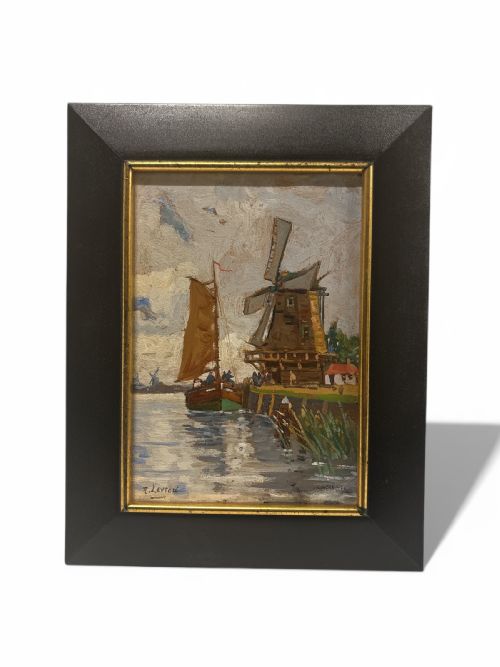
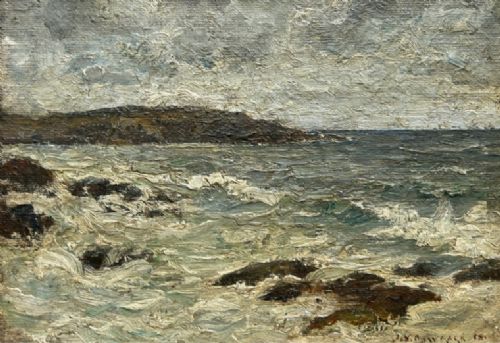
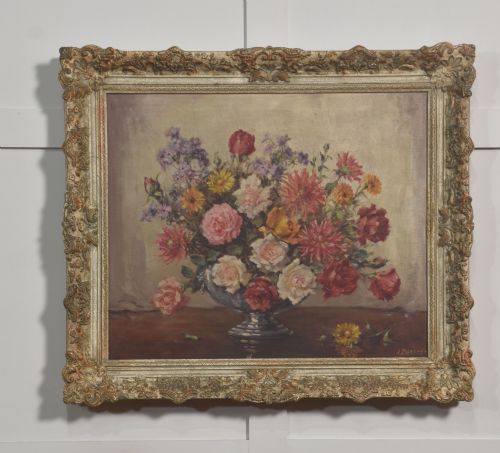
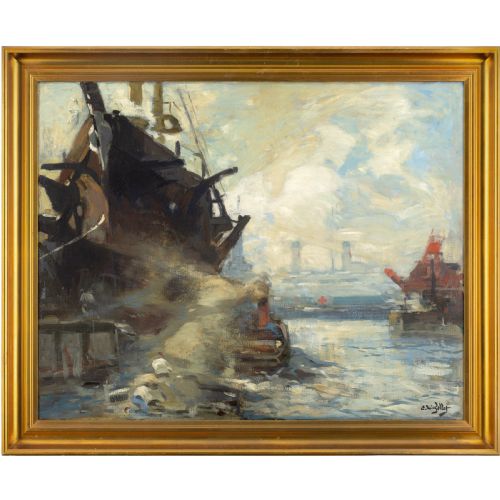
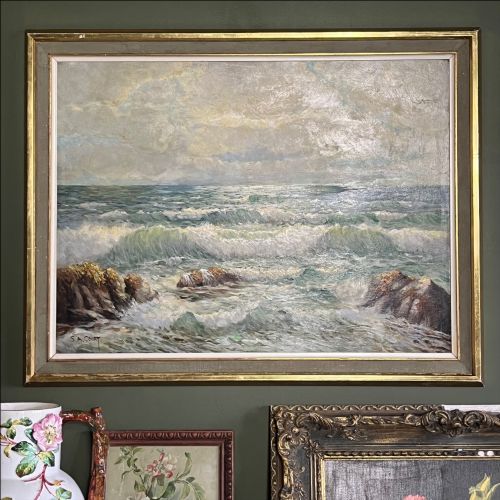
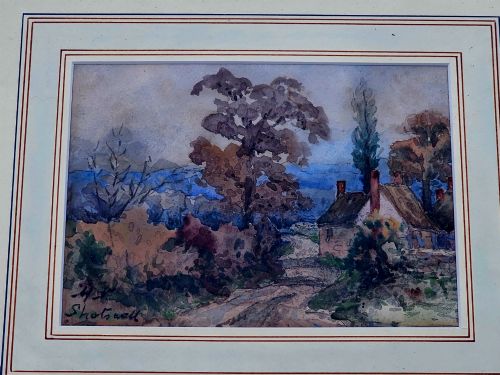
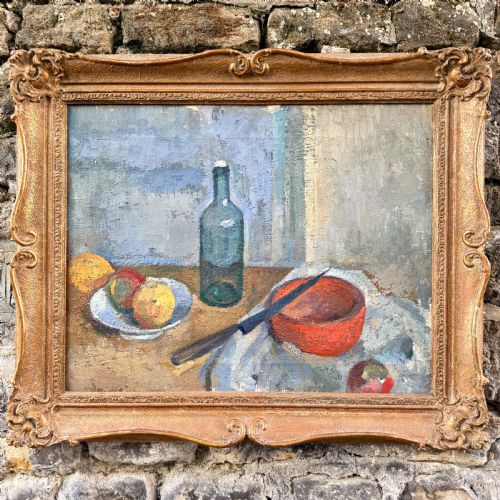
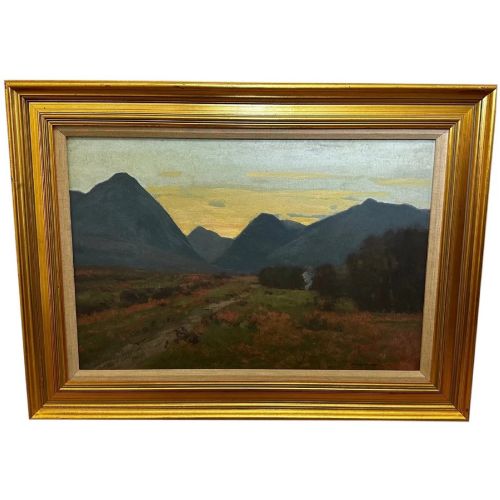
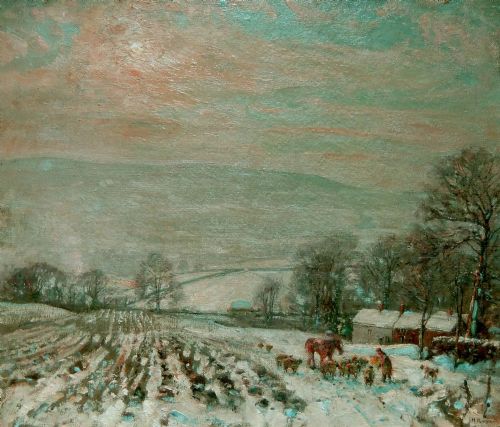
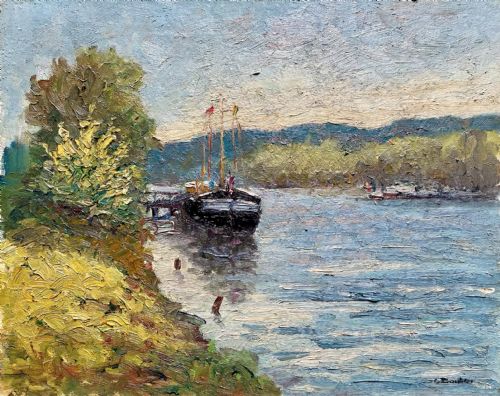
When searching for a vintage impressionist painting, collectors encounter a diverse selection of fine art works spanning the late nineteenth century through the mid twentieth century. These pieces predominantly take the form of oil paintings on canvas or board, alongside occasional watercolour paintings depicting landscapes, marine scenes, and still lifes.
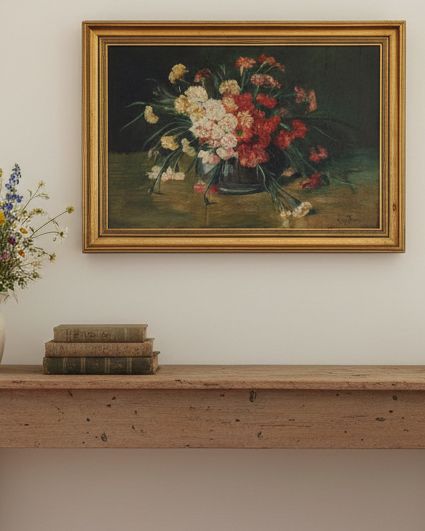
Subjects vary from quiet farmyard scenes and floral still lifes to bustling harbour views and urban streetscapes. Most examples date from the Edwardian era through the nineteen fifties, reflecting the enduring influence of impressionist techniques across multiple decades.
How they were made
Artists primarily applied oil paint onto stretched canvas or wooden boards, frequently building textured surfaces using impasto techniques. Watercolours on paper also appear within the early twentieth century selections.
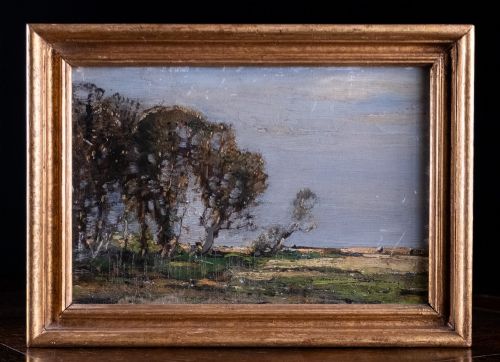
Many works were painted en plein air to capture immediate atmospheric effects, while others were completed in studios from earlier sketches. Gilt wood frames often house these paintings, completing the presentation of the canvas or board.
Listings incorporate canvas, wood, oil paint, and gilt wood across periods spanning the nineteenth century to nineteen sixty.
What varies in quality
Quality rests upon the handling of light, brushwork fluidity, and the successful conveyance of atmosphere within the composition. Stronger examples demonstrate confident pigment application and a cohesive tonal balance that holds the viewer's attention.
The distinction between standard decorative works and finer artistic achievements lies in the sensitivity of the colour palette and the precision of the observational recording. Provenance and clear artist attribution further elevate the standing of individual pieces within the genre.
George Graham·Clifford Hanney·Kershaw Schofield·George Houston·Herbert Royle·James Kay·Augusto Alberici·Arthur Gue·Charles Houben·John Lubschitz·Antonio DeVity·Paul Bret·Konstantin Stoitzner·Emma Fordyce MacRae·Francisco Sancha·Herbert Ashwin Budd·Charles Stuart Forbes·Alfred Wolmark
The Vintage Impressionist Painting Glossary
- Impasto
- Paint applied thickly to a canvas or board, leaving visible brush or palette knife marks that add tactile dimension to the surface. This technique allows the painted medium to catch light dynamically.
- En plein air
- The practice of painting outdoors to directly observe the shifting effects of natural light and weather upon a subject. Artists working this way often complete their canvases in a single session.
- Post-Impressionism
- An artistic movement extending impressionism while rejecting its limitations, favouring a greater emphasis on symbolic content and structural form. Practitioners use bold colours and distinct brushstrokes.
- Provenance
- The documented history of ownership surrounding an artwork, establishing its authenticity and lineage. Clear records connect a piece directly to the creator or original exhibition.
Vintage Impressionist Painting: Frequently Asked Questions
What defines an impressionist oil painting?
These works focus on capturing transient visual impressions through rapid brushstrokes and unblended pigments. Artists prioritise light and atmosphere over meticulous detail.
Subjects usually emerge from everyday life, landscapes, and seascapes observed directly in natural settings.
How do I identify early twentieth century works?
Examination of the canvas, stretcher frames, and backing materials often reveals the age of a painting. Stylistic signatures and artist documentation provide further chronological markers.
Many pieces carry specific dates or exhibition labels from the period on the reverse.
Where should I hang these paintings?
Display these artworks away from direct sunlight and excessive moisture to preserve the oil paint and canvas. Proper wall placement enhances the play of light across textured impasto surfaces.
Matching the frame to the room's interior helps integrate the piece into your living space.
What is the difference between oil and watercolour?
Oil paintings utilise slow drying pigments bound in oil, allowing for thick impasto textures and reworkable surfaces. Watercolours employ water soluble pigments on paper for translucent effects.
Oils are typically presented in heavier frames behind canvas, whilst watercolours require protective glass.