




Vintage Imari Vessels
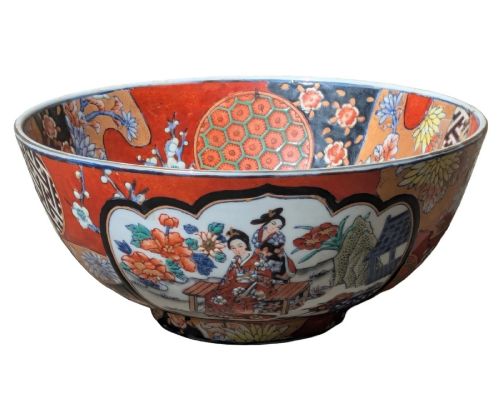
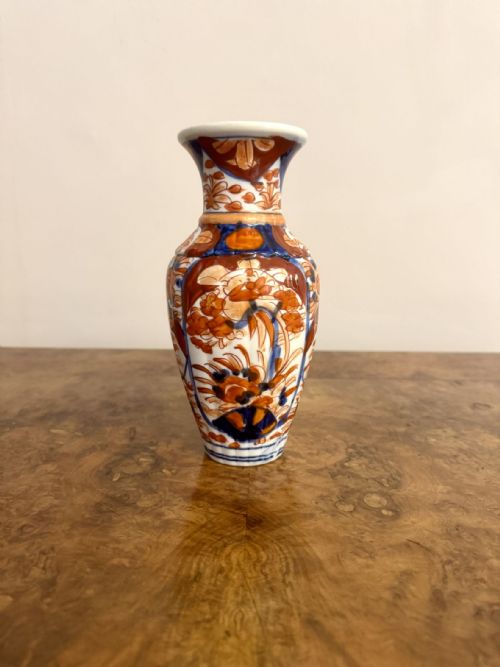
These vintage imari vessels bring striking cobalt glaze and rich enamel colour to a room, offering the bold patterns every serious collector wants.
Vintage Imari Vessels
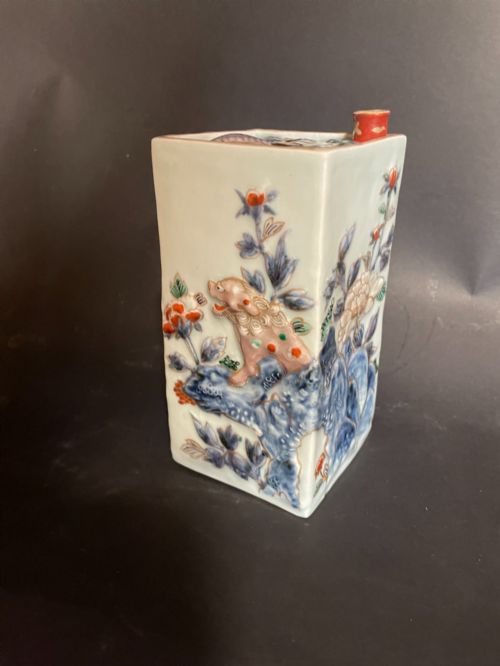
Vintage imari vessels comprise decorative bowls, vases, and sake flasks originating from Japan across several distinct eras.
Buyers on this page most frequently encounter pieces from the Meiji period and the turn of the twentieth century, alongside earlier examples.
The selection ranges from large floor vases down to small cabinet pieces and matched pairs with traditional ornamentation.
How vintage imari vessels were made
Potters shaped these items from fine porcelain before applying cobalt glaze under the final firing layer.
Enamel and gold leaf were added in subsequent steps to create the characteristic contrasting palette seen on the finished surface.
Vintage Imari Vessels Retail Price Guide 2026
Typical asking prices for vintage imari vessels among the pieces listed under this phrase on Sellingantiques today, from the lower quarter to the upper quarter. They describe what is for sale here now, not the wider market.
Some vessels feature bamboo patterns, bringing a touch of botanical resilience directly onto the porcelain surface.
What varies in quality
The refinement of the painted detail and the precision of the glaze application distinguish exceptional examples from standard production work.
Scale and complexity also define the upper tier, particularly on large baluster forms and matched pairs.
Fukagawa·Korango
The Vintage Imari Vessels Glossary
- Baluster
- A vase form with a rounded body that tapers toward the neck and base. This shape provides a generous surface area for intricate cobalt and enamel decoration.
- Tokuri
- A traditional Japanese sake flask designed for serving alcohol. These vessels typically feature a narrow neck to control pouring.
- Meiji Period
- The era in Japanese history spanning from eighteen sixty-eight to nineteen twelve. Pieces from this time often display confident painting and vibrant enamel work.
- Cobalt Glaze
- A blue mineral pigment applied beneath the clear glaze before firing. It creates the deep indigo foundation characteristic of these ceramics.
Vintage Imari Vessels: Frequently Asked Questions
How do I date vintage imari vessels?
Dating relies on stylistic markers, historical periods such as Meiji or Showa, and the characteristics of the porcelain body.
Examining the depth of the cobalt glaze and the application of gold leaf further helps place a piece within its correct era.
Were these vessels used daily?
Many items served decorative purposes in Japanese interiors, while specific forms like sake flasks had practical functions.
Larger vases were primarily created to display floral arrangements or stand as ornamental focal points in a room.
How should I display them at home?
Vintage imari vessels suit placement on sturdy mantelpieces, side tables, or within dedicated cabinet displays where their colours stand out.
Keeping them away from direct sunlight preserves the vibrancy of the enamel and gold leaf over time.
What defines the imari palette?
The traditional palette relies on a strong contrast between underglaze cobalt blue and iron red, supplemented by gold leaf and enamel.
This distinct combination creates the rich visual density recognised across centuries of Japanese ceramic production.