
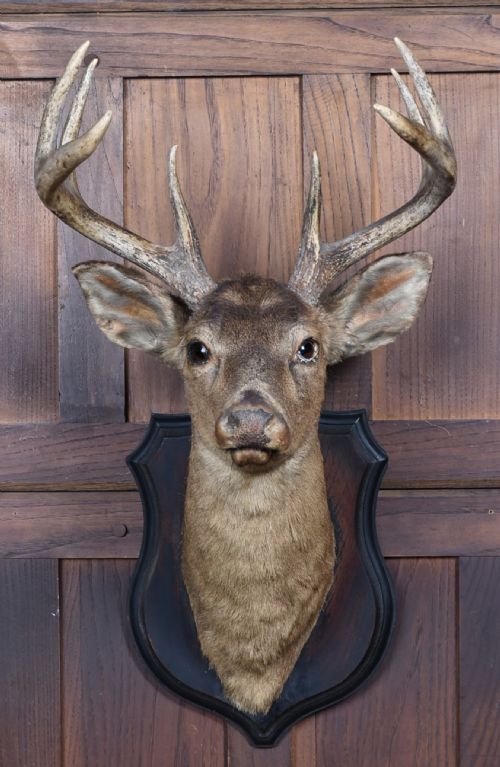


Vintage Hunting Trophy
Vintage hunting trophy selections bring authentic Highland lodge and Victorian natural history character into interiors through taxidermy, carved wood, and mounted antlers.
Vintage Hunting Trophy
When you search for a vintage hunting trophy, you encounter mounted animal heads, horn pairs, carved wall plaques, and associated decorative arts spanning the nineteenth and twentieth centuries. These pieces reflect period pursuits through taxidermy mounts and carved wooden representations.
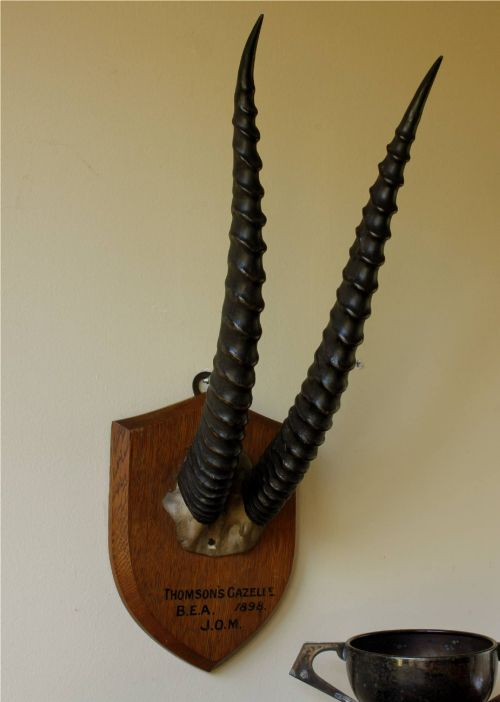
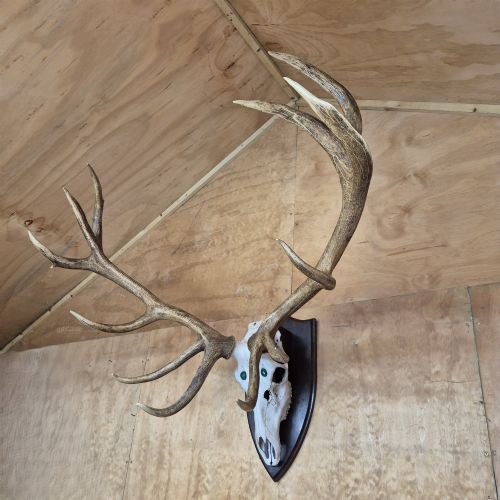
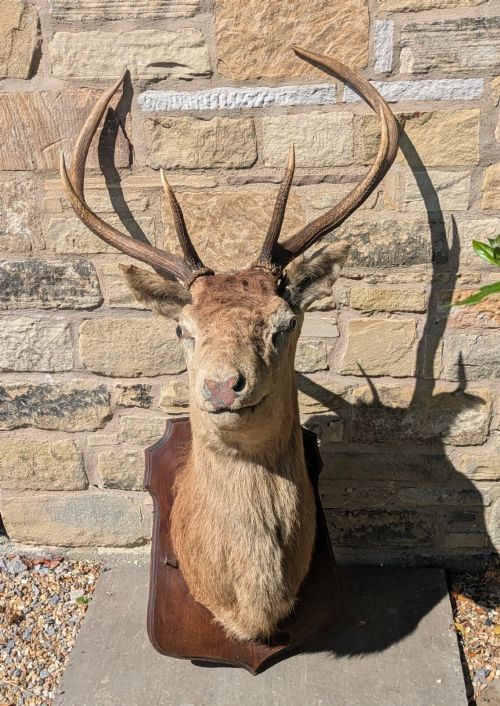
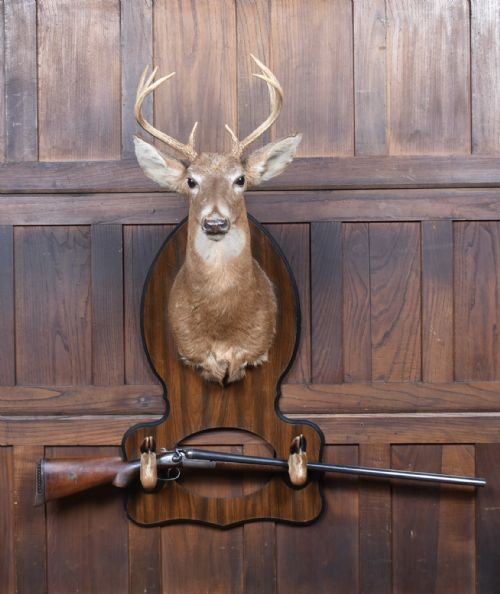
The selections on this page concentrate heavily on taxidermy mounts, particularly deer and antelope heads alongside fox masks, complemented by Black Forest carved wooden plaques and occasional oil paintings. You are most likely to meet mounted stag heads and antler sets among these listings.
Origins stretch from Victorian naturalist traditions through Edwardian and later twentieth-century interpretations, drawing heavily on Highland Lodge and Black Forest aesthetics. Each object records a specific historic approach to preserving and displaying natural forms.
How they were made
Taxidermy mounts utilise preserved animal hides, horns, bone, and natural hair fitted over sculpted forms, often anchored to shaped wooden shields or wall plaques. Skilled practitioners shaped these materials to capture realistic postures and anatomical detail.
Carved wooden pieces employ oak and other woods shaped in the Black Forest tradition, frequently incorporating natural antler and horn components. Metal elements appear in cast bronze sculptures and solid silver trophy cups, while glass serves functional roles in items such as double inkwells.
Vintage Hunting Trophy Retail Price Guide 2026
Typical asking prices for vintage hunting trophy among the pieces listed under this phrase on Sellingantiques today, from the lower quarter to the upper quarter. They describe what is for sale here now, not the wider market.
Listings span periods from the nineteenth century through the nineteen-fifties, featuring taxidermy hides, oak, bone, and glass.
What varies in quality
The standard of taxidermy preservation and anatomical accuracy separates superior specimens from simpler work, with renowned taxidermists achieving exceptional lifelike expressions. The skill in carving wooden plaques and mounting horns securely on carved shields also dictates the overall merit of an object.
Age and original context influence the distinction between pieces, with nineteenth-century examples and named workshop items holding particular interest for collectors. The harmony between the natural specimen and its wooden mount defines the visual success of each piece.
Peter Spicer & Sons·P. Spicer & Sons of Royal Leamington Spa
The Vintage Hunting Trophy Glossary
- Taxidermy
- The art of preserving, preparing, and mounting animal skins for display in a lifelike state. This practice forms the foundation of most mounted animal heads and masks found in these collections.
- Black Forest
- A nineteenth-century style of intricate wood carving originating in Central Europe, known for realistic animal subjects and deep relief work. Pieces in this style frequently depict deer and foliage.
- Antler
- The bony, branching outgrowths shed and regrown annually by members of the deer family. These are mounted individually or attached to skull caps on wooden shields.
- Highland Lodge
- An aesthetic tradition celebrating Scottish sporting culture through stags' heads, tartan elements, and taxidermy mounts. It reflects the interior style of nineteenth-century country retreats.
- Impressionism
- An art style focused on capturing light and immediate visual impressions rather than precise detail. In this context, it appears in still-life oil paintings depicting game.
Vintage Hunting Trophy: Frequently Asked Questions
What is a Black Forest trophy plaque?
Black Forest trophy plaques are intricately carved wooden wall mounts featuring naturalistic foliage, game animals, and oak leaves. Artisans used these carved wooden shields to frame mounted antlers and skull caps.
These pieces showcase regional European carving techniques from the nineteenth century.
How are taxidermy fox masks displayed?
Fox masks are typically mounted on shaped wooden shields designed for wall hanging in studies or hallways. They represent a distinct tradition of equestrian and hunting commemoration from the Edwardian and later periods.
Historic examples often bear workshop signatures on the reverse of the wooden backing.
Can I date a set of antlers?
Dating antlers involves examining the mounting style, the type of wood on the shield, and any inscribed plaques or paper labels on the reverse. Nineteenth-century mounts often feature hand-written ink details regarding the date and location of the hunt.
The complexity of the antler points, such as a twelve-point royal set, also reflects the age and maturity of the animal.