




Vintage Howard Style Seating
Vintage howard style seating brings deep, sprung comfort and traditional English country house character into a room.
Vintage Howard Style Seating
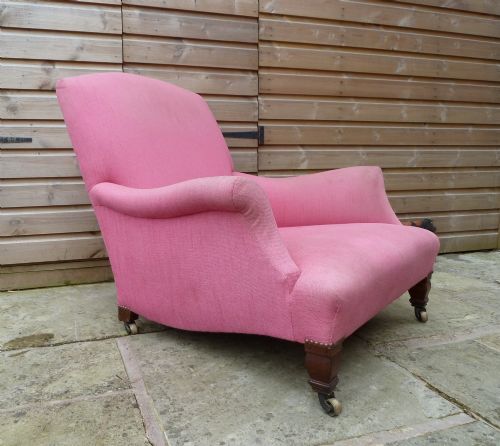
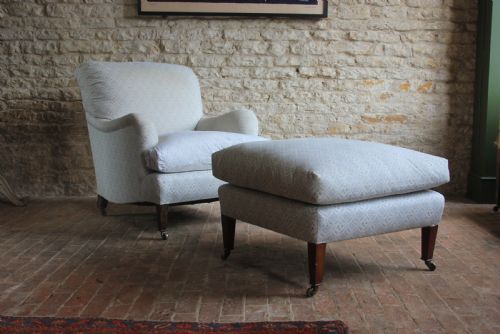
Vintage howard style seating encompasses generous armchairs, deep sofas, and matching footstools designed for comfort. These pieces originate primarily from the Victorian and Edwardian eras, spanning the late nineteenth and early twentieth centuries.
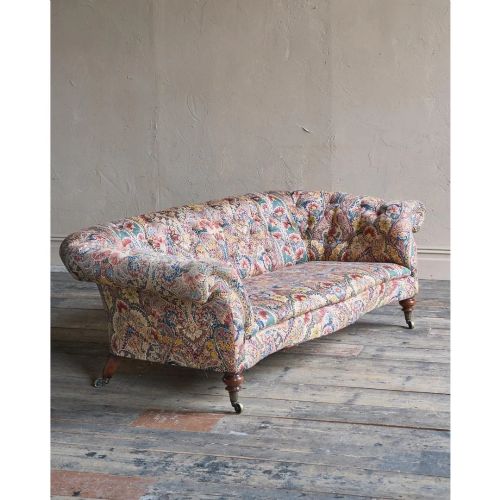
The form is defined by a low profile, rolled arms, and deep seating designed to invite relaxation. Examples range from standard club armchairs to expansive chesterfield sofas and bridge-water seating.
Makers and designers of the period, notably Howard and Sons and James Shoolbred, established the benchmark for this seating style. Many pieces retain original upholstery or feature traditional top covers like ticking fabric and kilim carpets.
Materials and construction
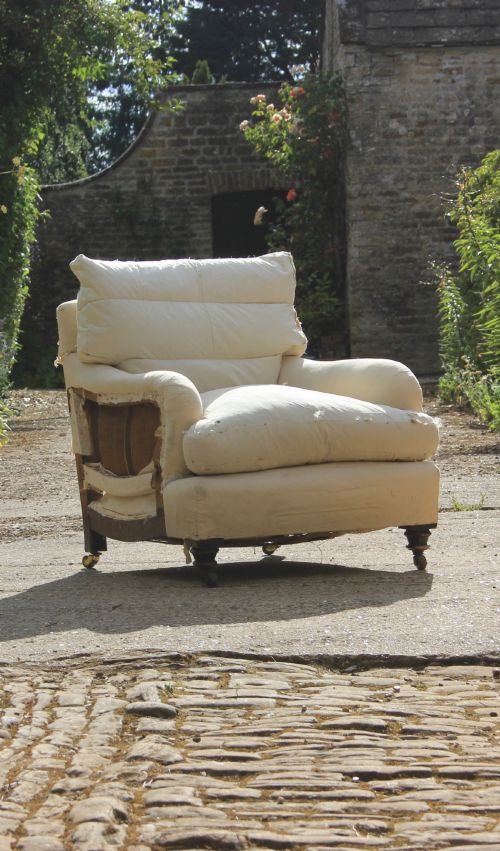
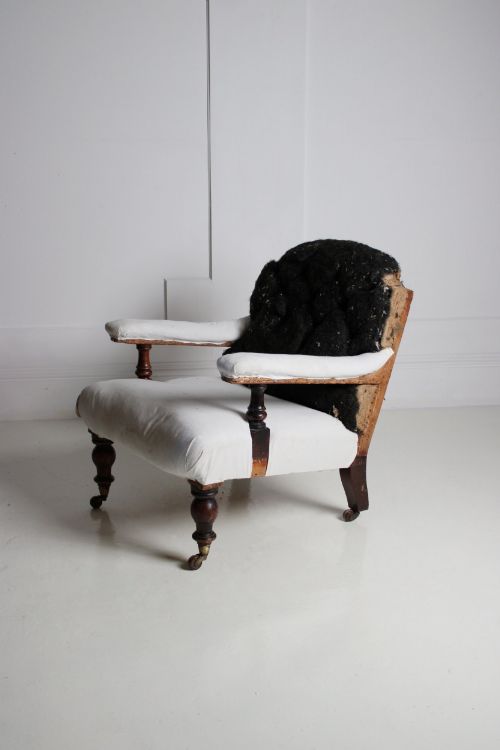
Frames are built from sturdy timber, incorporating hardwood and mahogany to provide a robust internal skeleton. Brass components often appear on castors attached to the legs, allowing these heavy pieces to move easily.
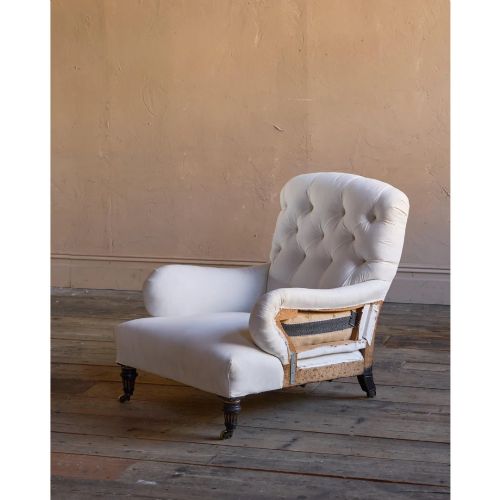
Traditional upholstery techniques utilise calico and cotton foundations layered beneath exterior fabrics such as velvet, wool, and patterned carpets. Suspension relies on deeply sprung interiors designed to retain resilience over decades of use.
Listings feature armchairs and sofas spanning the Victorian, Edwardian, and 1930s periods, constructed from mahogany, hardwood, and brass.
Distinctions in quality
Quality rests upon the integrity of the internal wooden frame and the depth of the original sprung platform. Heavier, more substantial timber frames indicate superior craftsmanship and lasting durability.
The standard of the upholstery materials, from the base calico to the outer velvet or ticking fabric, separates standard production from the finest workshops. Original maker stamps and branded castors elevate the standing of a piece.
Howard and Sons·James Shoolbred
The Vintage Howard Style Seating Glossary
- Bridgewater armchair
- A traditional armchair design featuring low, recessed arms and a generous sprung seat. This form provides deep comfort characteristic of nineteenth century English seating.
- Ticking fabric
- A tightly woven cotton or linen material traditionally used as a durable foundation layer for upholstered furniture. It often appears as an exposed outer cover on authentic pieces.
- Kilim upholstery
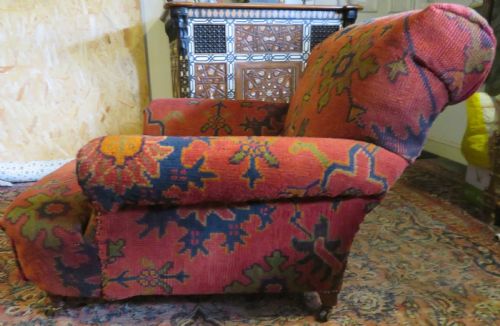
- A flat-woven decorative carpet material utilised to cover seating. It introduces bold geometric patterns to nineteenth century frames.
Vintage Howard Style Seating: Frequently Asked Questions
How do I identify a period piece?
Dating relies on examining the timber frame construction, the stuffing materials used beneath the fabric, and any maker marks. Nineteenth and early twentieth century examples show traditional hand-tacked upholstery.
Look for stamped maker details on the wooden frame or brass castors. Ticking fabric and horsehair stuffing are common indicators of authentic period production.
Where should I place a large sofa?
Large sofas and deep seating require generous floor space to balance their substantial visual weight. They anchor a living room or library when positioned away from walls.
Pairing them with matching footstools or smaller armchairs creates a cohesive seating arrangement. Their traditional aesthetic suits both period properties and eclectic modern interiors.
What fabrics were originally used?
Original pieces often utilised heavy cotton ticking, plain calico, or patterned carpets like Ushak Turkey designs. Luxurious velvet and patterned upholstery also appeared on high-end commissions.
Many surviving pieces retain their original fabric coverings or have been maintained using traditional materials. This textile variety allows the seating to adapt to different decorative schemes.