

Antique Howard Armchair
An antique howard armchair offers deep-seated comfort and understated Victorian elegance, making it a coveted centrepiece for any traditional interior.
Antique Howard Armchair
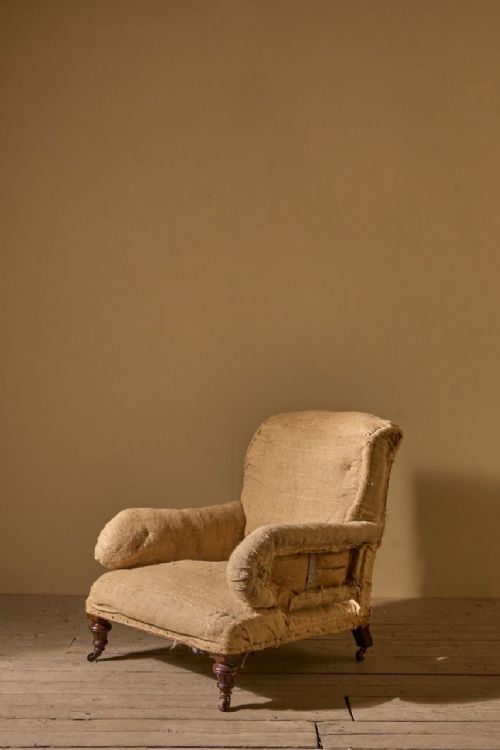
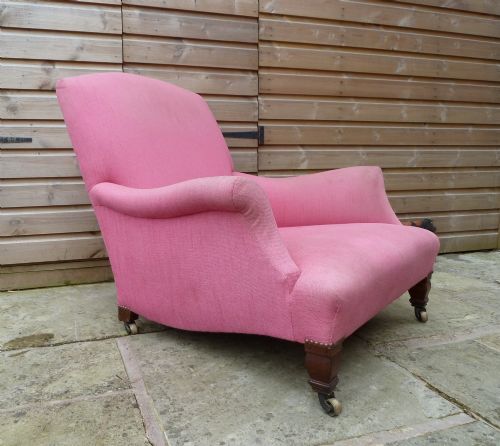
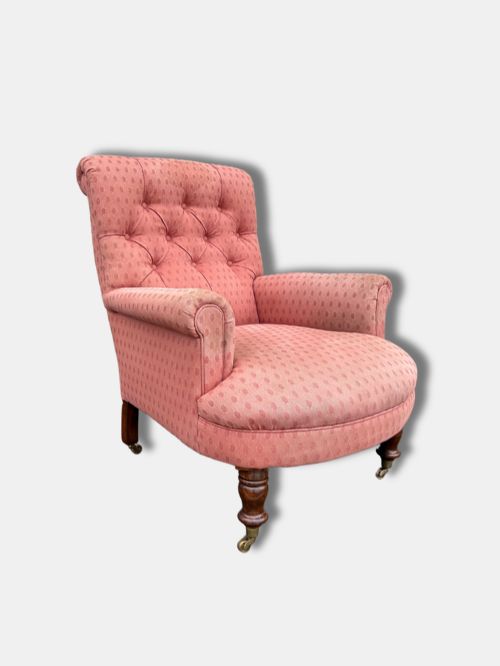
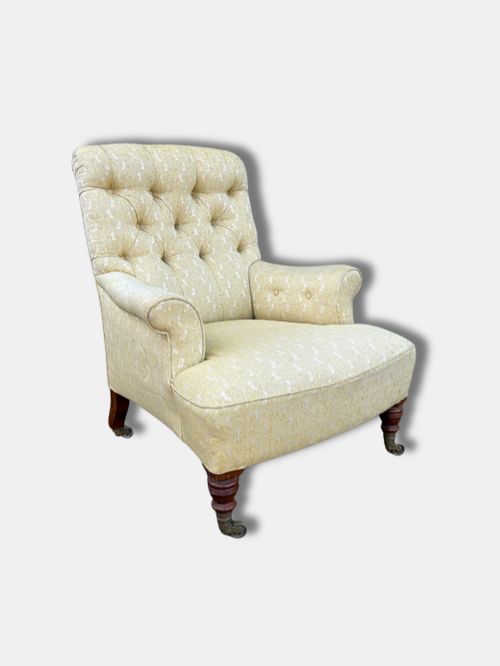
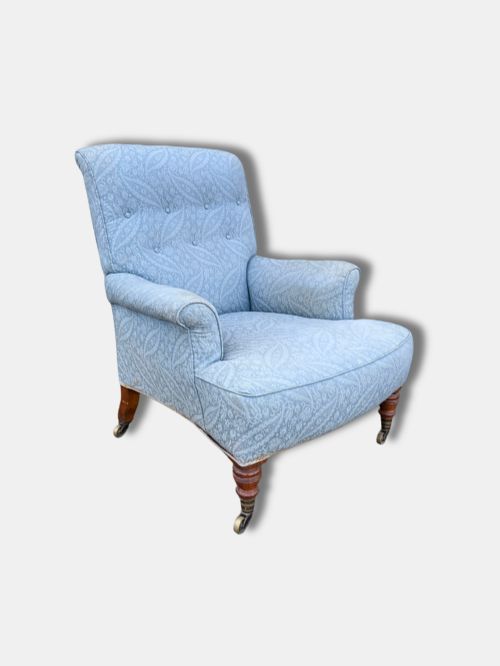
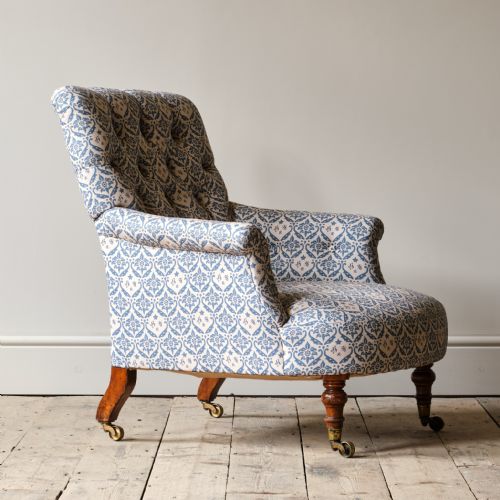
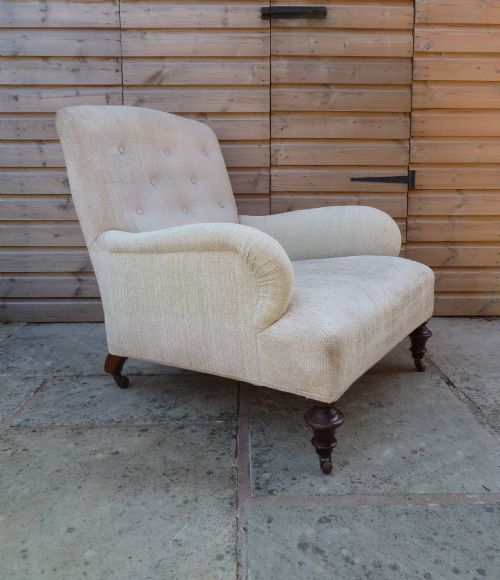
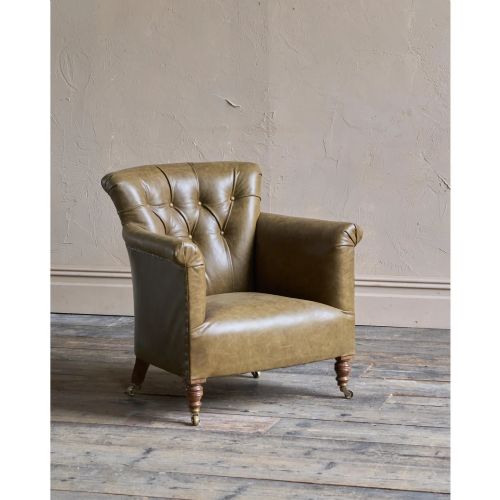
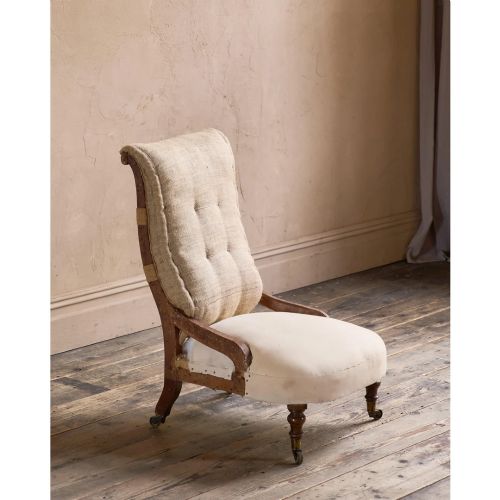
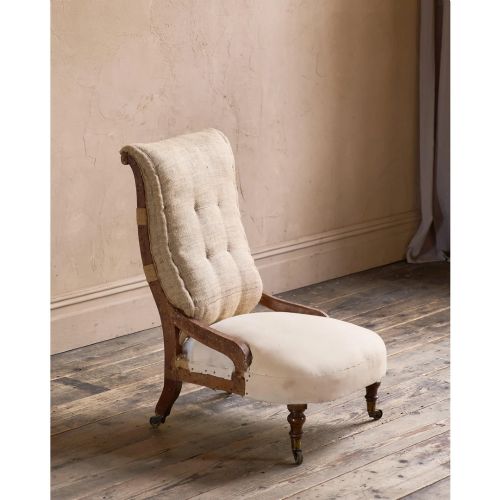
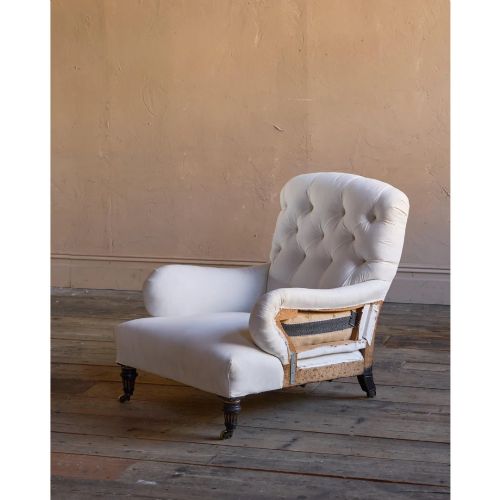
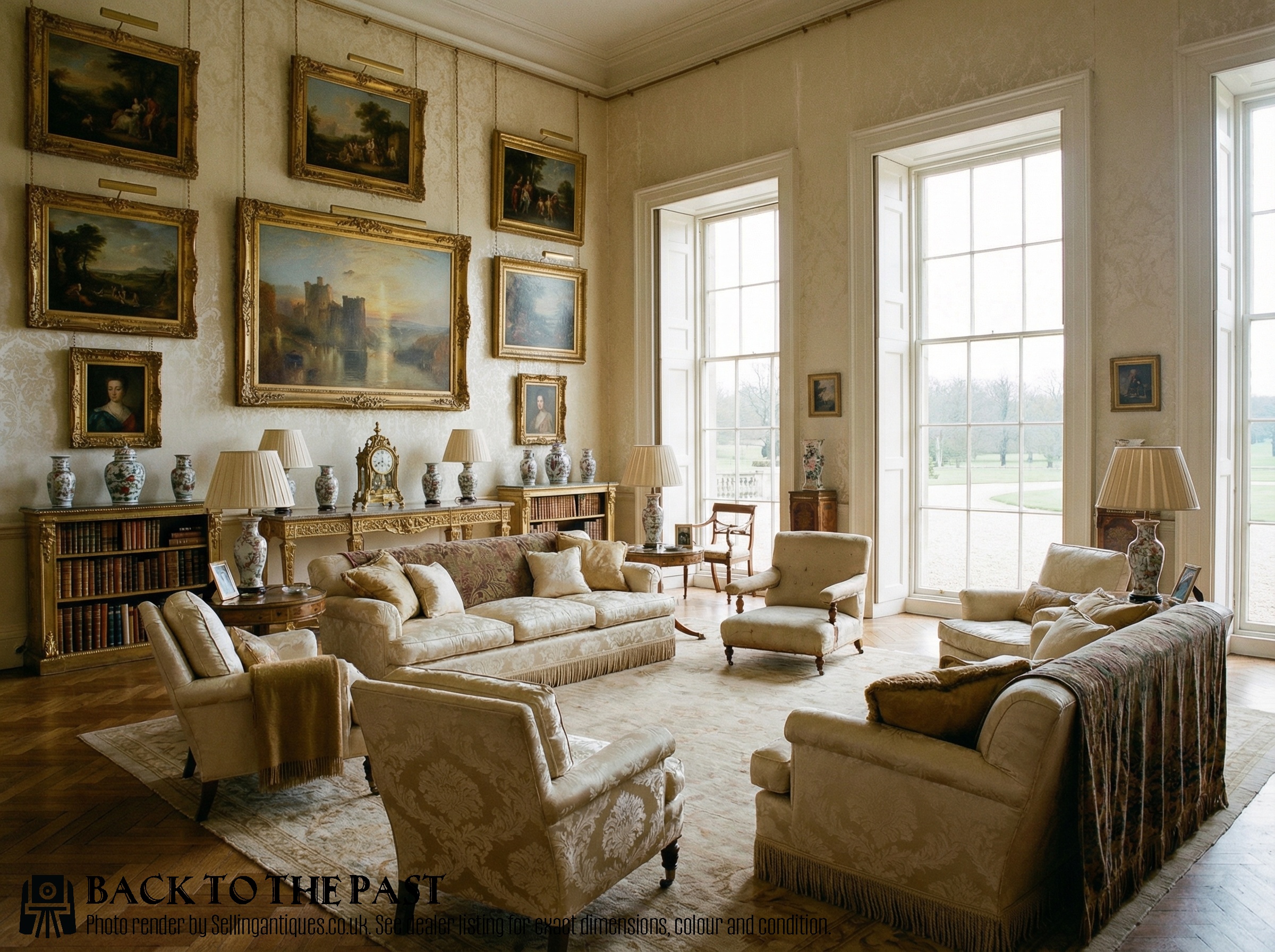
When searching for an antique howard armchair, a buyer encounters deep, low-slung seating designed for comfort, frequently bearing the distinct proportions associated with nineteenth-century English craftsmanship. The most common version met on this page is the generous club or Bridgewater model, upholstered in fabric, calico, or leather and supported by low turned legs.
Many pieces reflect the legacy of the firm Howard and Sons, whilst others emerge in the broader Howard style produced by contemporary makers and rival cabinetmakers such as James Shoolbred or Robert Strahan. These chairs range from compact bedroom chairs and open armchairs to large country house proportions built for sustained repose.
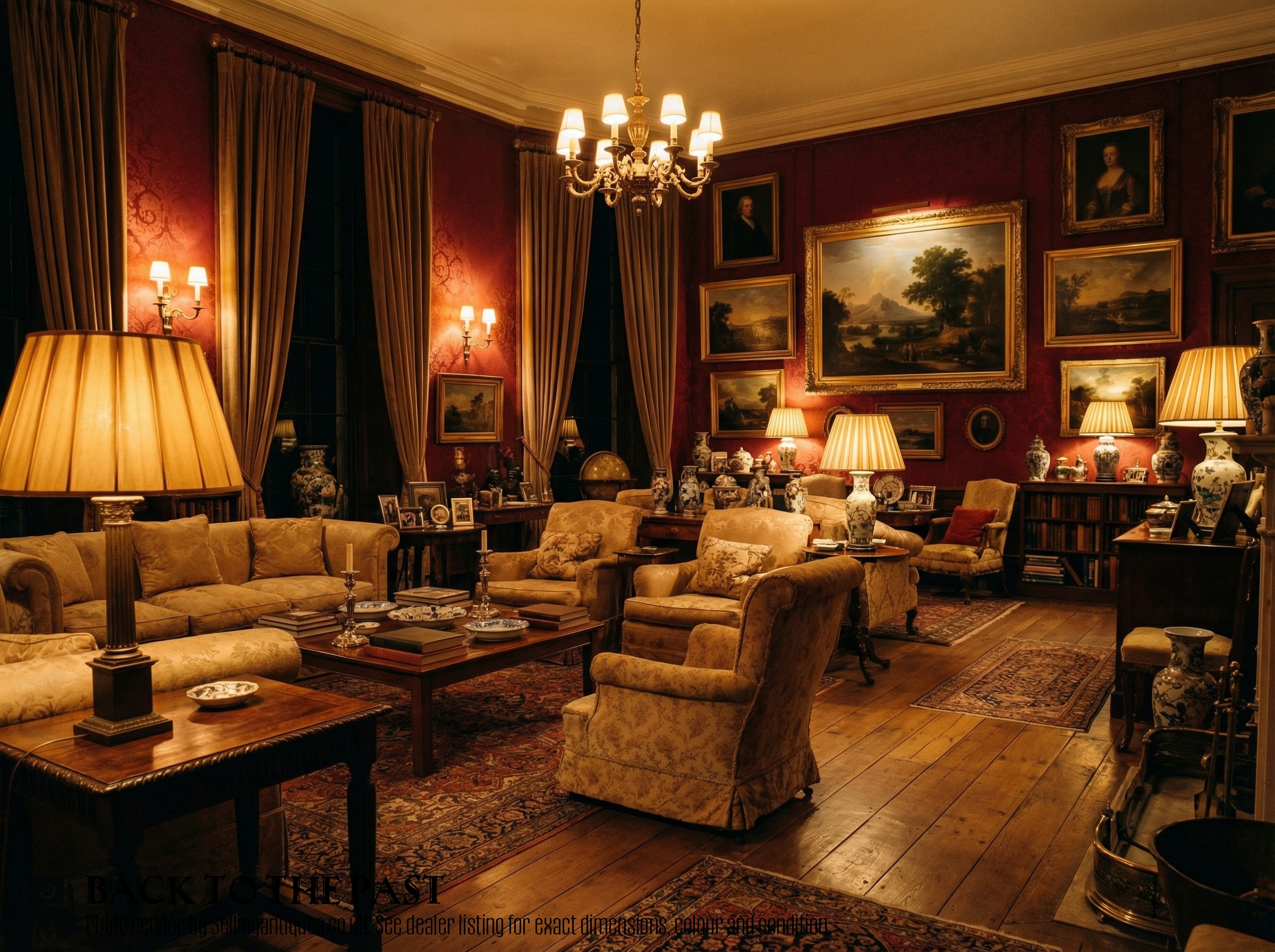
The aesthetic bridges domestic utility and refined nineteenth-century taste, drawing on Victorian and Edwardian design sensibilities. Pieces span from the mid-nineteenth century through the Edwardian era, often retaining their original structural character and low-slung profiles.
How they were made
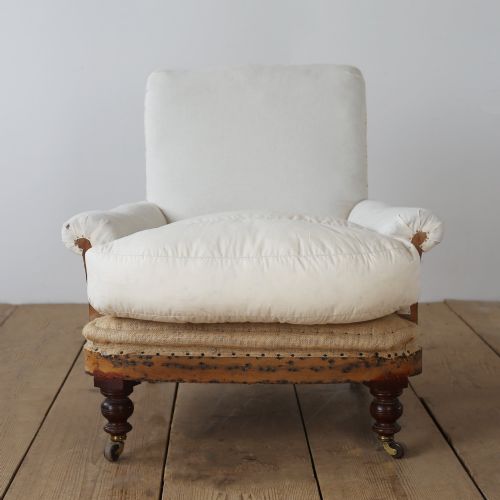
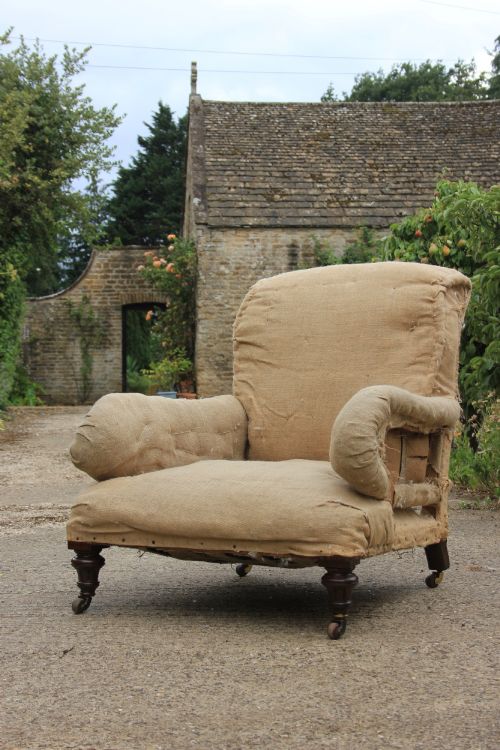
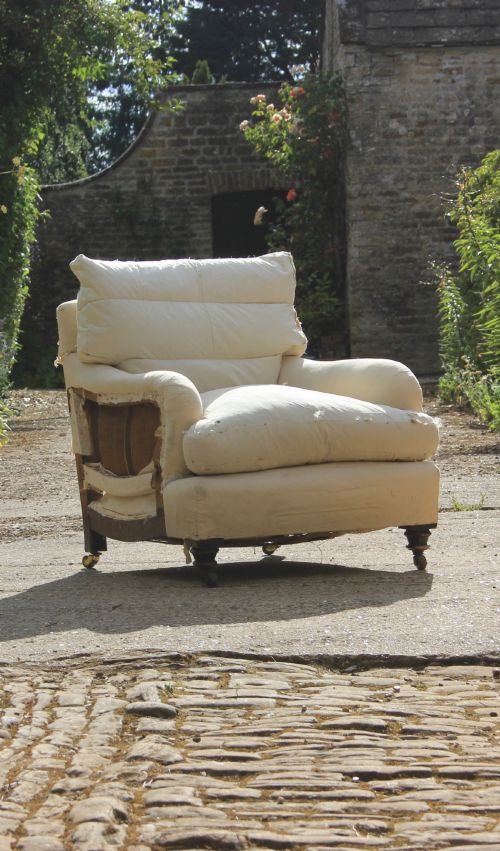
Makers constructed the foundational frames using sturdy timbers such as mahogany, walnut, and oak, ensuring the deep seats could withstand heavy daily use. Traditional upholstery techniques relied on layers of hessian, cotton, and calico to build the supportive interior stuffing before applying the final fabric or leather cover.
Cast brass or wood castors typically fitted to the feet allowed these substantial pieces to be moved across carpets with ease. Exposed wooden elements, including the legs and arms, were turned and polished to complement the chosen upholstery.
Antique Howard Armchair Retail Price Guide 2026
Typical asking prices for howard armchair among the pieces listed under this phrase on Sellingantiques today, from the lower quarter to the upper quarter. They describe what is for sale here now, not the wider market.
Many of these chairs hide tiny brass castors beneath their skirts, quietly scurrying across nineteenth-century carpets without ever making a sound.
What varies in quality
The distinction between a standard piece and a premier example lies in the integrity of the maker's stamp and the retention of original structural components. Maker marks stamped directly onto the frame or castors elevate the historical significance and verify the workshop origin.
Proportion and scale also dictate desirability, with larger deep-seated country house armchairs and named models commanding greater attention than standard variants. The preservation of original upholstery materials, such as early ticking or stamped webbing, adds authenticity to the piece.
Howard and Sons·SF Cullen·Robert Strahan·James Shoolbred
The Antique Howard Armchair Glossary
- Bridgewater armchair
- A comfortable upholstered chair style with low arms and a deep seat, commonly associated with Howard and Sons designs.
- Calico
- A plain-woven cotton fabric utilised as the foundational inner layer for upholstery before the decorative outer cover is applied.
- Hessian
- A coarse woven fabric made from jute fibres, traditionally used inside nineteenth-century seating to provide structural support for internal stuffing.
- Castor
- A small wheel mounted on a swivel assembly attached to the feet of the chair, often cast in brass and marked with maker details.
- Button back
- An upholstery method where depressions are formed in the backrest by pulling ties through the padding and securing them with buttons.
Antique Howard Armchair: Frequently Asked Questions
How do I identify a Howard and Sons chair?
Look for stamped inscriptions on the wooden frame or on the brass castors, alongside characteristic low proportions and deep-sprung seating.
Many pieces also feature manufacturer stamps on the webbing or lining beneath the seat cushion.
What is the difference between Howard and Sons and Howard style?
Pieces made by Howard and Sons carry specific maker documentation, such as stamped frames or paper labels, confirming their workshop origin.
Chairs described in the Howard style were produced by other cabinetmakers adopting the same comfortable proportions and low-slung aesthetic.
Were these chairs used in dining rooms?
While the majority served as library, club, or drawing room armchairs for relaxation, variations included dining chairs and bedroom chairs.
Larger models were intended for country house reception rooms where deep seating was prioritised.
How should I care for leather upholstery on these chairs?
Maintain antique leather by keeping it away from direct heat sources and applying appropriate natural conditioners to prevent drying.
Avoid harsh modern cleaning chemicals that might strip the historic finish or discolour the hide.