


Brass Castor Howard Chair
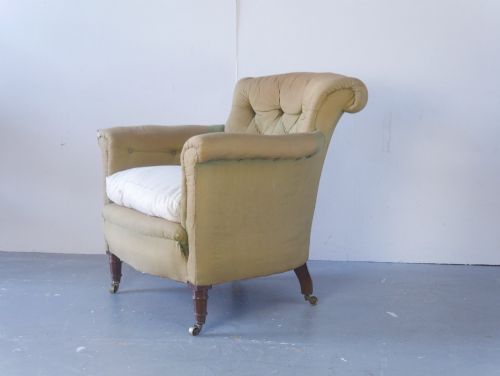
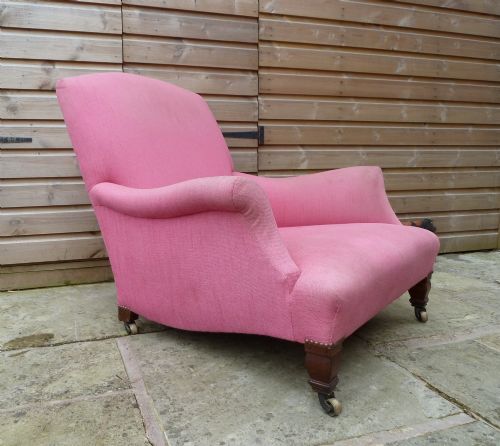
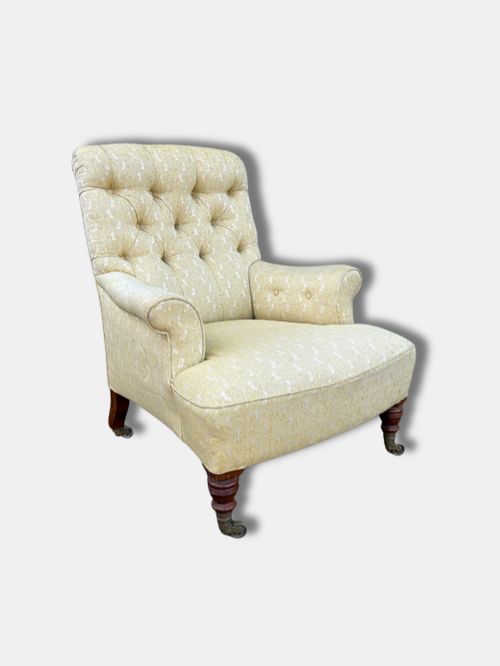
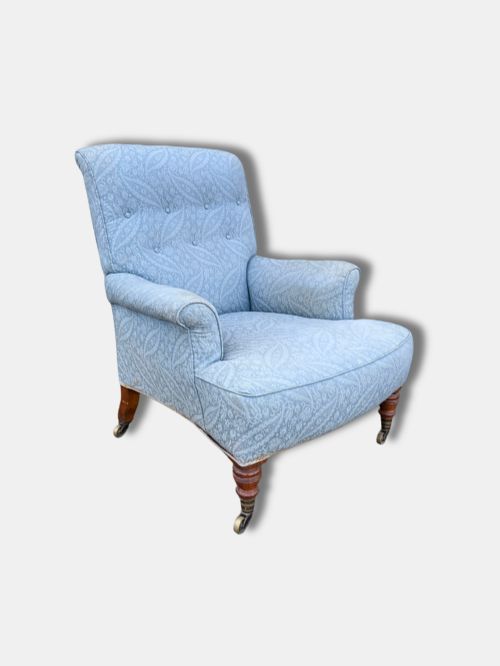
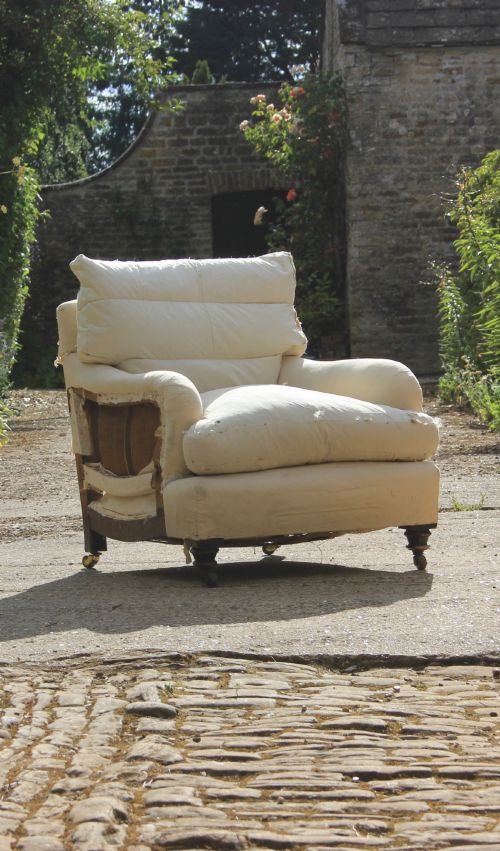
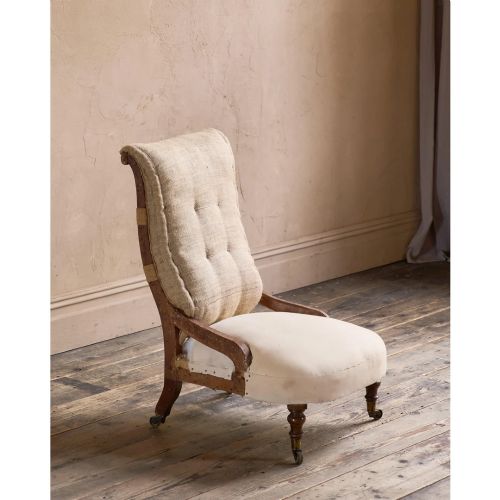
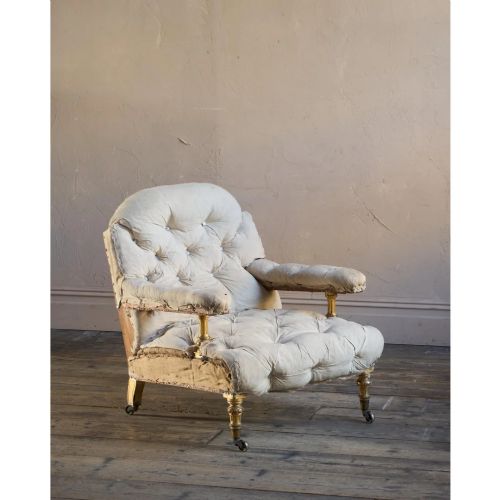
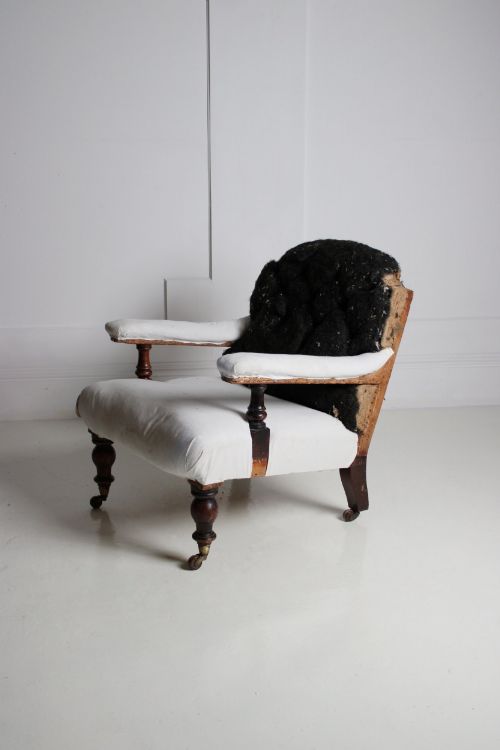
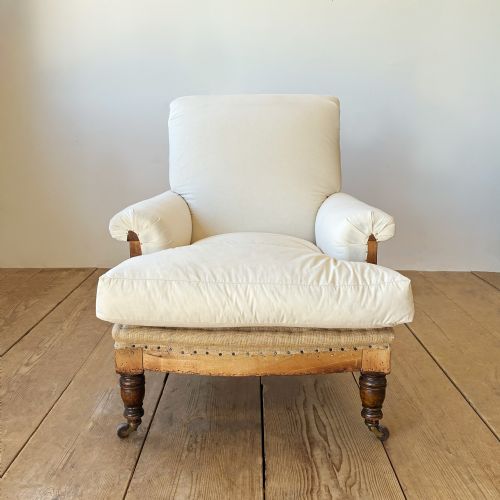
A brass castor howard chair brings deep English country house comfort to a room through low-slung upholstery and sturdy brass wheel supports.
Brass Castor Howard Chair
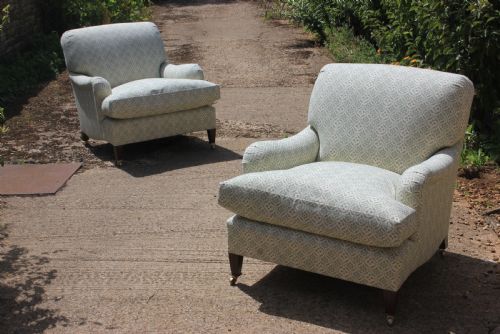
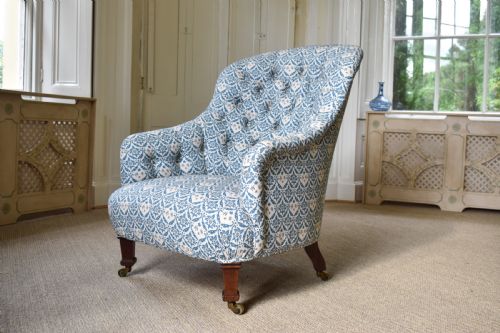
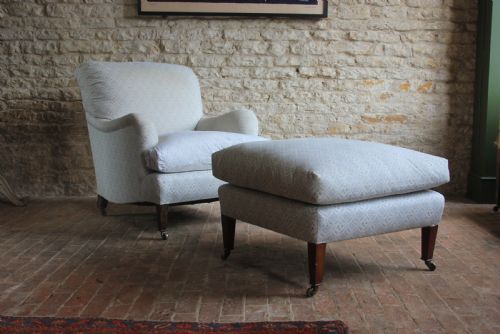
A brass castor howard chair is a deeply upholstered armchair or lounge seat designed for relaxation, typically featuring low rolled arms and a sprung seat. When exploring a brass castor howard chair, a buyer encounters pieces originating from the nineteenth century, the Edwardian era, and later interpretations.
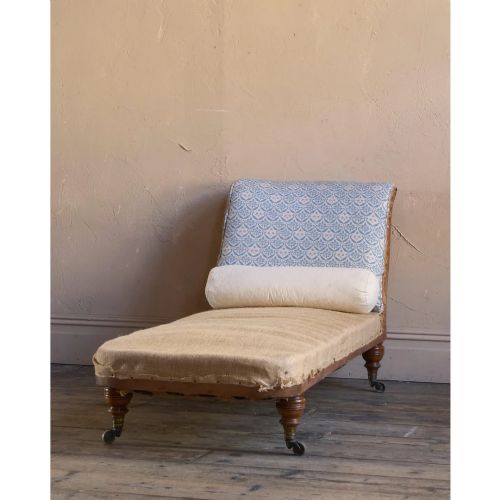
The selection ranges from authentic nineteenth-century productions by the renowned firm to later twentieth-century pieces built in the same characteristic style. Forms include standard club armchairs, open armchairs, bridge-water chairs, and occasional chaise longues bearing the signature low profile.
Distinctions in quality and execution
Quality in these seating pieces rests upon the integrity of the internal wooden frame and the retention of original maker stamps on the brass castors or back legs. Finer examples maintain their original stuffing materials and spring tension, reflecting the high standard of period workshop production.
Subtleties in proportion and the precise curve of the upholstered arms separate master workshop pieces from later style copies. The weight of the timber and the heavy casting of the brass wheels further distinguish superior mid-nineteenth-century items from standard reproductions.
Many historic armchairs survived decades of country house lounging still wearing their original utility ticking beneath patterned loose covers.
Howard and Sons·SF Cullen
The Brass Castor Howard Chair Glossary
- Castor
- A small wheel mounted on a swivel assembly attached to the base of a furniture leg for mobility. These fittings are frequently cast in brass on nineteenth-century seating.
- Calico
- A plain-woven cotton fabric utilised as an inner lining or base cover beneath top upholstery. It provides a tight foundation for traditional stuffing methods.
- Hessian
- A coarse woven fabric made from jute fibres, traditionally employed for webbing and inner support layers within deep-sprung furniture.
- Ticking
- A durable cotton or linen material, often woven with ticking stripes, commonly used to upholster country house armchairs. It remains a signature finish for pieces attributed to major makers.
- Wing Chair
- An armchair with side panels extending from the back to shelter the sitter from draughts. Edwardian variations incorporate walnut frames and low castor supports.
Brass Castor Howard Chair: Frequently Asked Questions
How do I identify a genuine period piece?
Look for maker stamps stamped directly onto the wooden back legs or impressed into the brass castor mounts. Period pieces also exhibit traditional hand-stitched internal webbing and heavy hardwood framing consistent with nineteenth-century workshop practices.
Examine the weight and proportions of the armchair, as authentic models possess a substantial heft due to dense internal stuffing and solid timber frames. Secondary attribution often rests upon the specific curve of the upholstered arms and the turning of the wooden supports.
What upholstery fabrics are historically correct?
Original nineteenth-century and Edwardian pieces frequently utilised heavy ticking, plain calico, or patterned fabrics such as kilim and wool. Many examples survive in neutral ticking stripes that defined the traditional English country house aesthetic.
When replacement is necessary, heavy woven textiles or traditional ticking respect the original design intent. Avoid overly synthetic modern materials that clash with the heavy wooden frames and brass castor fittings.
How should I care for the brass castors?
Dust the brass components regularly with a soft cloth to prevent the accumulation of grit around the small swivel wheels. Avoid harsh chemical polishes that might damage the surrounding wood or fabric upholstery during application.
Ensure the wheels move freely on their axles so the chair can be repositioned without dragging across floor surfaces. Period brass develops a natural patina over decades, which is generally preserved rather than buffed to a bright shine.
Are these armchairs suitable for daily sitting?
These pieces were originally engineered for deep, enduring comfort in drawing rooms and country house libraries. Their robust internal springing and sturdy hardwood construction make them exceptionally durable for everyday use.
Checking the internal webbing and spring tension with a restorer ensures the seating remains supportive. With proper maintenance of the frame and upholstery, a Victorian or Edwardian armchair performs reliably in modern living spaces.