


Vintage Horse Statues
Vintage horse statues capture motion and strength in bronze, wood, iron and ceramic from the nineteenth and twentieth centuries.
Vintage Horse Statues
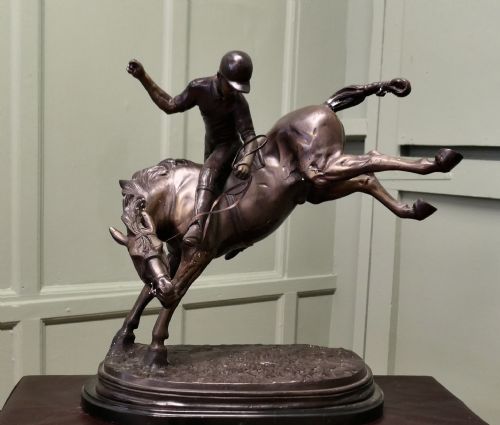
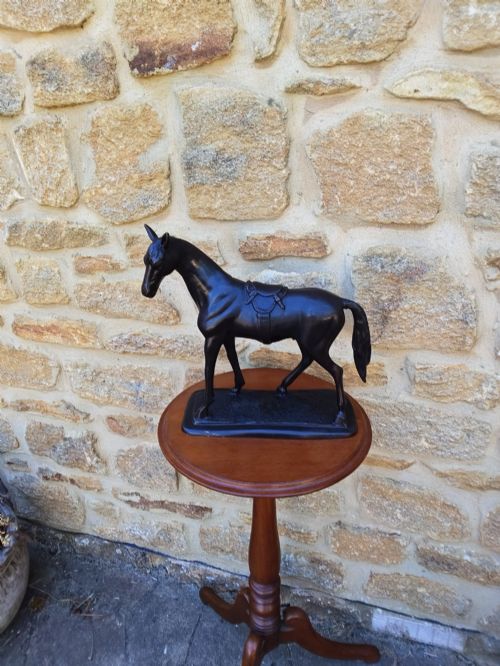
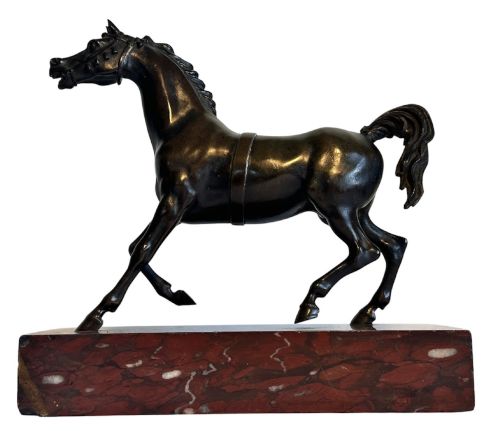
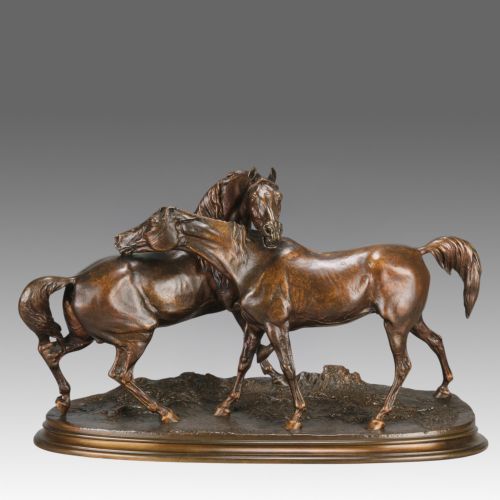
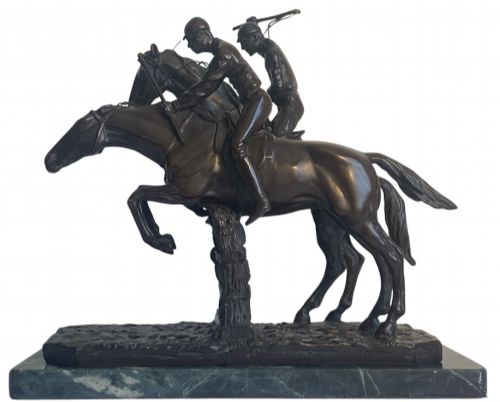
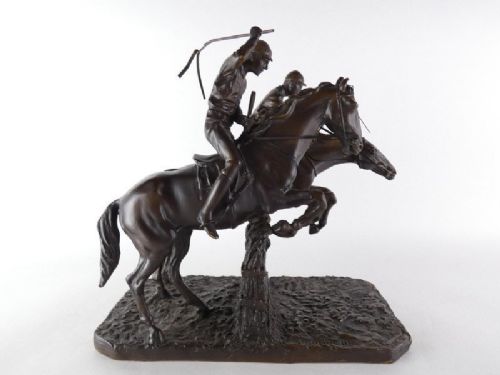
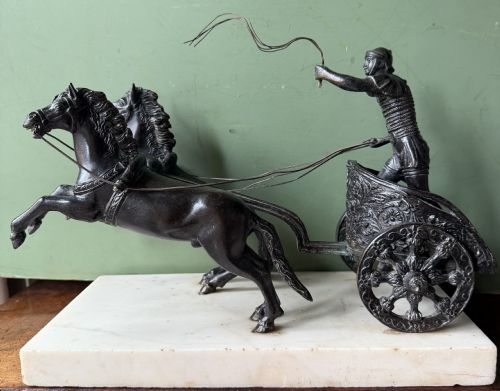
Vintage horse statues include bronze sculptures, cast iron doorstops and carved wooden figures spanning the nineteenth century through the mid twentieth century. Buyers encounter French Animalier bronzes, folk art wooden pieces and heavy iron hitching posts across these periods.
The selections range from large monumental bronzes on marble bases to small desk tidies and glazed pottery figures from diverse international origins including France, Italy, Japan and China.
How they were made
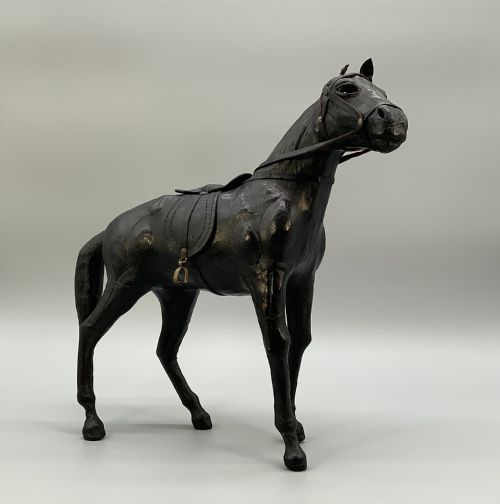
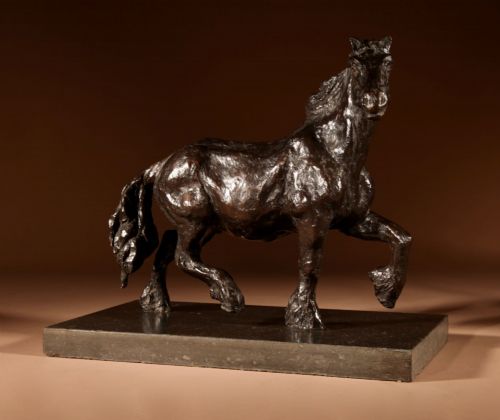
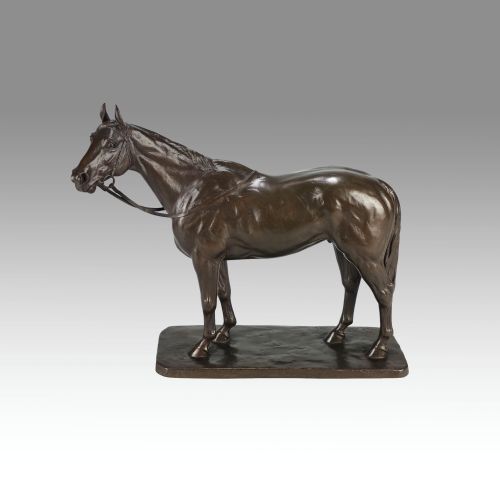
Makers utilised cast bronze, brass and iron, often patinated or cold painted, alongside hand-carved wood and leather stretched over armature structures. Many metal sculptures rely on traditional lost-wax casting techniques mounted on marble plinth bases.
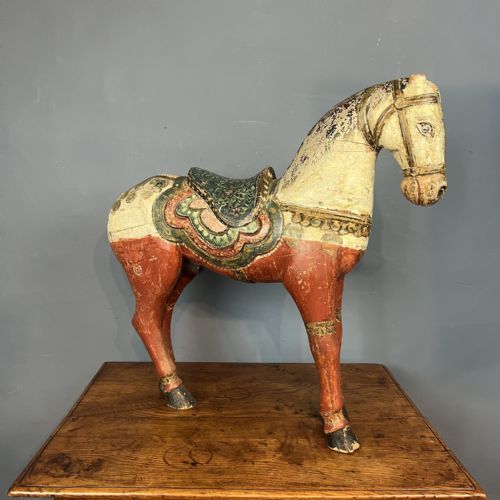
Ceramic examples employ glazed pottery or earthenware finishes, while folk art items depend on naive hand-painted surfaces applied to carved timber bodies.
Materials span bronze, wood, marble, leather, paint, brass, metal and glaze across the nineteenth and twentieth centuries.
What varies in quality
The standard of modelling defines the upper tier, where anatomical precision, muscular tension and the rendering of movement distinguish master founders from commercial workshops. Crispness in chasing and finishing after the cast determines the definition in mane, tail and tack.
Material density and weight also separate categories, from solid bronze and speciment marble down to hollow plaster casts or light metal alloys.
P J Mêne·Jules Bonheur·Isidore Jules Bonheur·Luigi Secchi·Pierre Lenordez·Sakai Kōzan·Kunio Itô·Liberty & Co
The Vintage Horse Statues Glossary
- Animalier
- A nineteenth-century artistic movement focusing on the realistic portrayal of animals, particularly associated with French sculptors. This style prioritises dynamic physical action and accurate muscular detail.
- Cold painted bronze
- A method where bronze objects receive paint applications without heat fixing after casting. The technique appears frequently on Austrian desk accessories and small cabinet figures.
- Hitching post
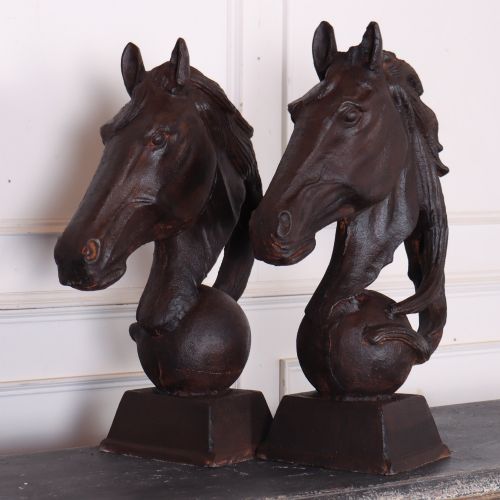
- A sturdy vertical post, often cast in iron with a horse head terminal, designed for securing equestrian reins outdoors. Victorian examples double as functional street furniture and sculptural ironwork.
- Grand tour
- A nineteenth-century cultural excursion across Europe that generated demand for souvenir bronzes and marble architectural models. These smaller table pieces commemorated classical antiquity and Italian sights.
- Sancai
- A traditional Chinese three-colour lead glaze technique utilised on pottery horses and figures. The glazes typically mix amber, green and cream tones that run naturally across the ceramic body.
Vintage Horse Statues: Frequently Asked Questions
How do I identify French Animalier bronzes?
French Animalier bronzes typically display foundry stamps, artist signatures and naturalistic muscular tension rooted in nineteenth-century realism.
These pieces often stand on heavy marble bases and depict horses in motion, racing or jumping.
What is a cast iron hitching post?
A cast iron hitching post is a heavy outdoor equestrian fixture featuring a horse head terminal designed for tethering horses.
Victorian examples combine utilitarian durability with sculptural architectural presence.
How should I care for leather horse sculptures?
Leather-bound horses require stable indoor humidity away from direct sunlight to prevent the hide from drying or cracking.
Dust gently with a dry cloth and avoid liquid cleaners on stitched surfaces.
What distinguishes folk art wooden horses?
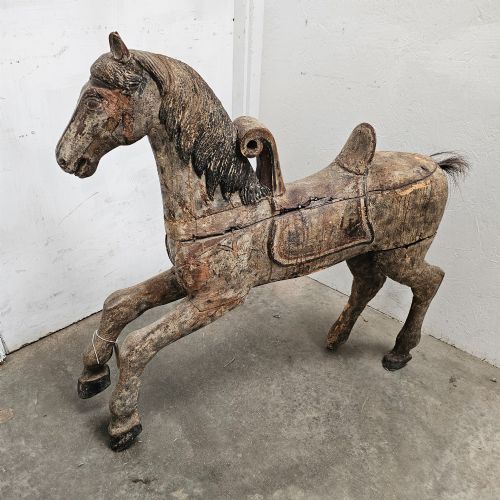
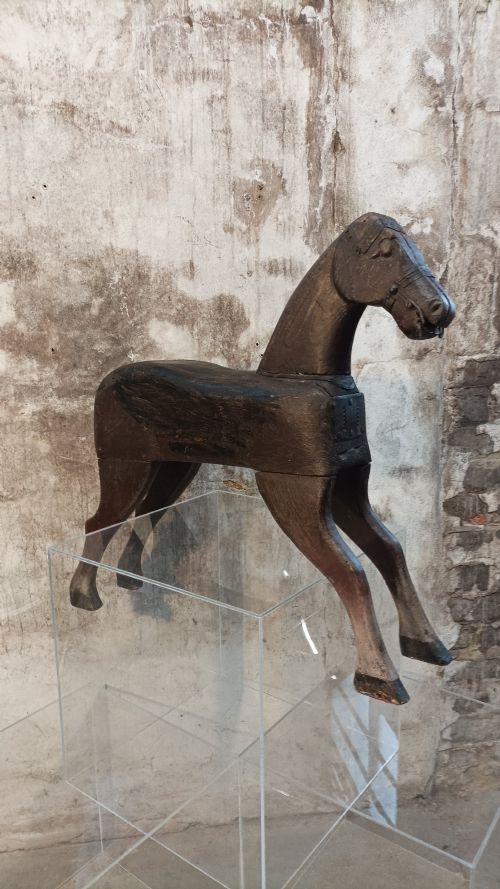
Folk art wooden horses exhibit hand-carved textures, naive proportions and original painted or weathered surfaces.
Unlike foundry bronzes, each carved wooden figure bears unique tool marks from individual makers.