





Vintage Horology Wall Clock
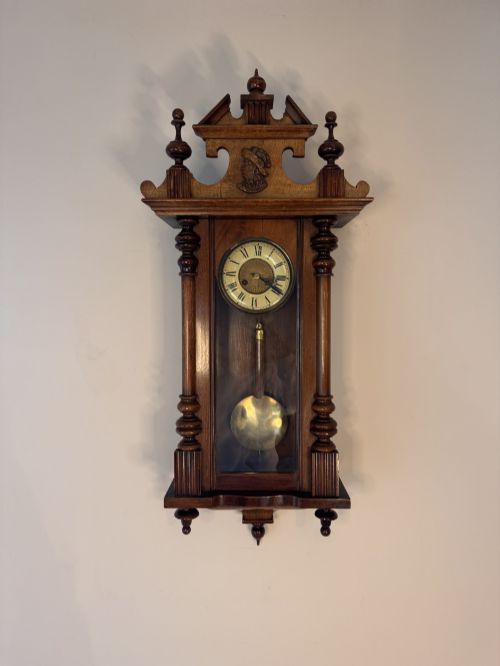
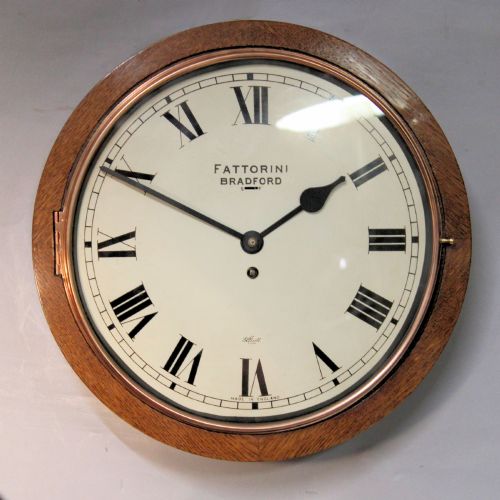
These vintage horology wall clock pieces range from robust oak dial clocks to intricate French enamel faces, offering functional timekeeping rooted in centuries of British and European craftsmanship.
Vintage Horology Wall Clock
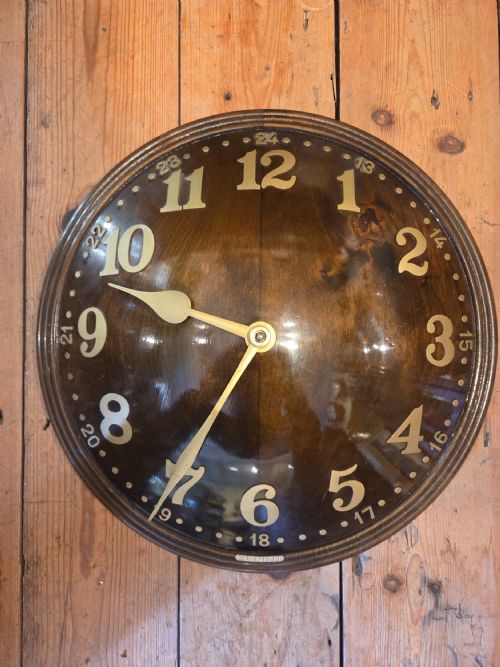
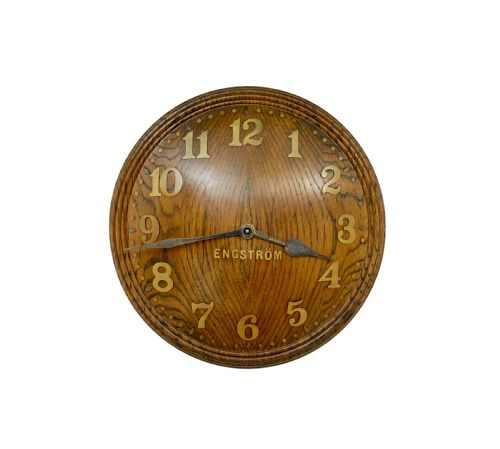
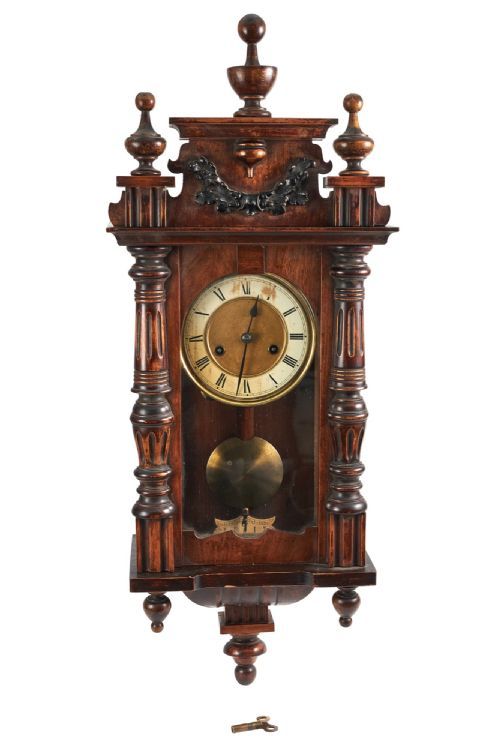
When searching for a vintage horology wall clock, you encounter timepieces spanning from the 18th century through to the 1930s, encompassing styles like Georgian, Regency, Victorian, and Art Deco. The selection frequently includes dial clocks, fusee movements, and railway clocks alongside lantern clocks and turret clock faces.
The material palette is diverse, with timber cases rendered in mahogany, walnut, oak, and rosewood, paired with brass, iron, steel, and glass components. Enamel dials and wooden dials appear prominently across English, French, and Viennese traditions.
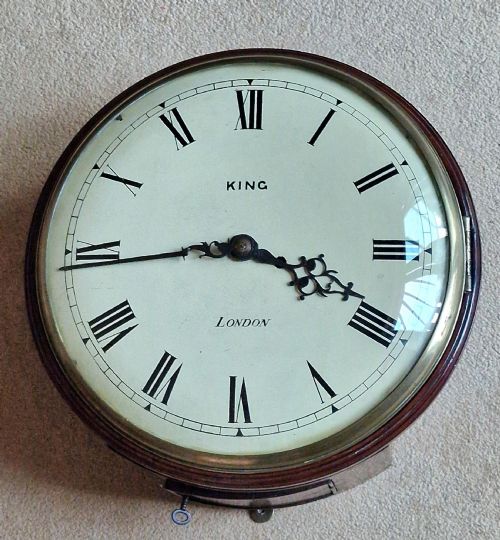
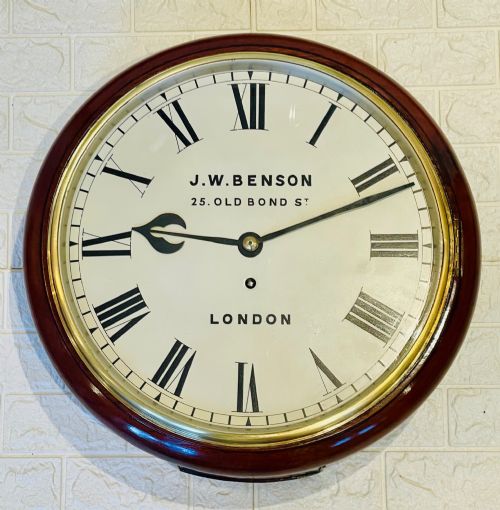
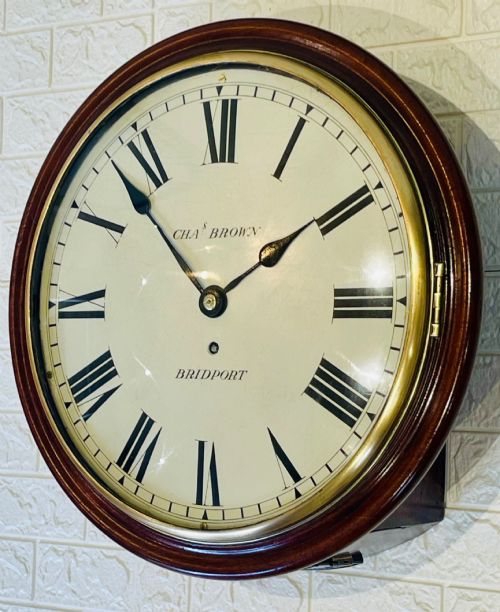
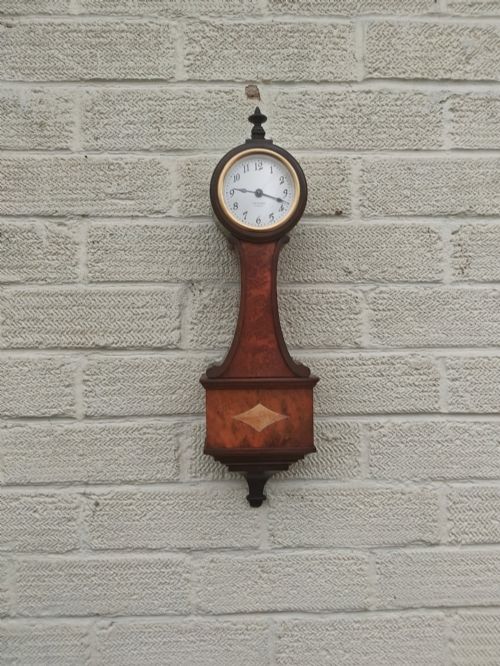
You are most likely to meet Victorian and 19th-century fusee wall clocks and drop-dial clocks, often associated with railways, schools, or public spaces, alongside domestic bracket and wall-hung pieces.
Materials and Construction
Cabinets were constructed from dense hardwoods such as mahogany, walnut, and oak, often shaped into circular dial surrounds or drop-dial cases designed to house weight-driven or spring-driven fusee movements.
Dial faces combined brass, glass, painted wood, and vitreous enamel, with steel and iron utilised for internal escapements, levers, and hands that regulated the passage of time.
Vintage Horology Wall Clock Retail Price Guide 2026
Typical asking prices for vintage horology wall clock among the pieces listed under this phrase on Sellingantiques today, from the lower quarter to the upper quarter. They describe what is for sale here now, not the wider market.
One robust railway clock carries the affectionate nickname 'Pork Pie' due to the distinctive profile of its cast iron case.
Evaluating Quality
The sophistication of the mechanical movement largely determines the standing of a piece, particularly the presence of a reliable fusee or lever escapement housed within a substantial hardwood case.
The crispness of dial lettering, the integrity of the enamel or wooden face, and the refinement of brass bezels and carved woodwork separate standard utility timepieces from exceptional examples.
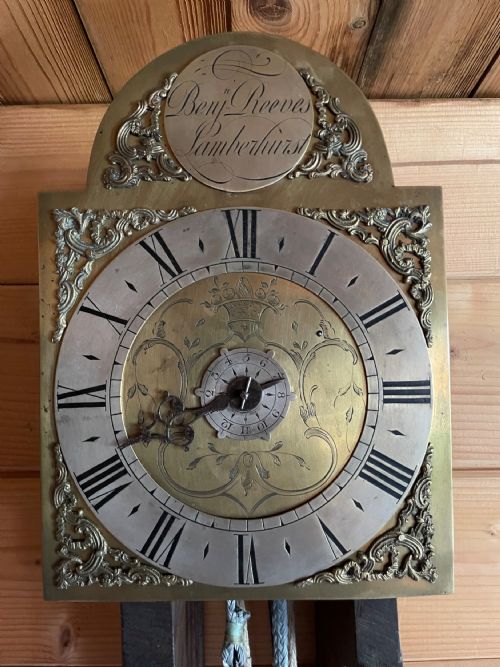
John Spershott·Benj Reeves Lamberhurst·John Walker·Johann Baptist Beha·Francis Perigal·Peter Debaufre
The Vintage Horology Wall Clock Glossary
- Fusee
- A conical pulley used in older clock movements to maintain an even pull as the mainspring unwinds. This mechanism ensures consistent timekeeping across the duration of the wind.
- Escapement
- The internal mechanism that converts continuous rotational force into distinct, controlled impulses. It governs the speed of the gear train.
- Dial clock
- A wall clock characterised by a prominent circular face and a short drop case below. They were widely used in public offices, railway stations, and schools.
- Lantern clock
- An early form of brass chamber clock, typically weight-driven and wall-mounted by a hook and spike. They represent some of the earliest domestic horology.
Vintage Horology Wall Clock: Frequently Asked Questions
How do fusee movements work?
A fusee movement uses a conical drum linked to the mainspring by a fine chain or cord. As the spring loses tension, the chain moves to a wider part of the cone, balancing the force delivered to the gear train.
This ingenious system ensures the clock receives steady power from the fully wound state until it nearly runs down, improving accuracy.
Where were dial clocks typically used?
Dial clocks were primarily utilitarian timepieces deployed in railway stations, signal boxes, schools, and offices where clear legibility from a distance was essential.
Their robust mahogany or oak cases and simple faces were designed for heavy daily use and easy viewing in public spaces.
How do I care for a vintage wall clock?
Mount the clock securely to a solid wall using appropriate fixings to ensure the case hangs plumb, which is vital for the pendulum to beat evenly. Avoid hanging them in areas subject to extreme temperature fluctuations or direct sunlight.
Professional servicing every few years keeps the brass pivots and wheels clean of old oil and prevents excessive wear on the metal components.