

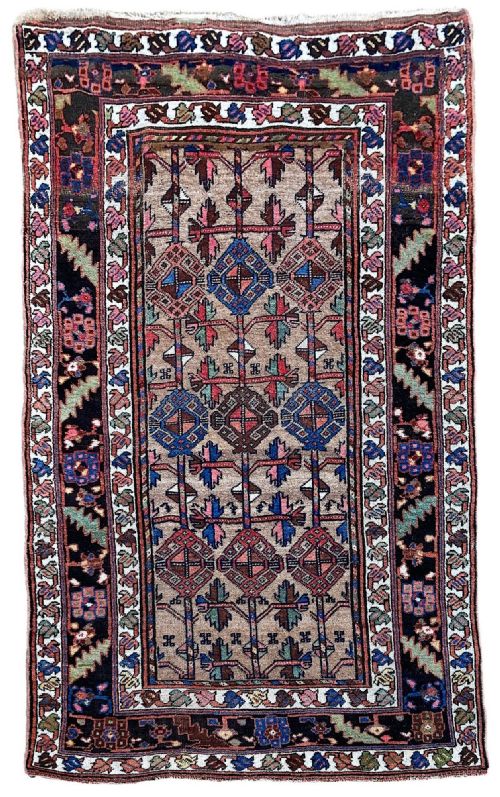
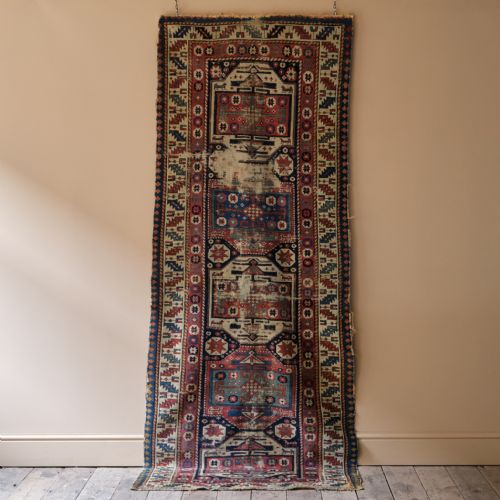


Vintage Hooked Rug
These vintage hooked rug examples bring rich texture and folk art character to a room, offering tactile warmth that modern floor coverings simply lack.
Vintage Hooked Rug
When you search for a vintage hooked rug, you encounter textile traditions rooted in American folk art and tribal weaving practices spanning the nineteenth and early twentieth centuries. The selection encompasses various formats, from compact area rugs to long runners, originating from regions as diverse as the Caucasus and America.
Most examples you meet here date from the late nineteenth century up through the nineteen-twenties, reflecting domestic craftsmanship and tribal traditions alike. These floor coverings bridge the gap between utilitarian home furnishings and expressive textile art.
Materials and construction
The construction relies on durable foundation materials like burlap and jute, through which loops of wool, hand-spun wool, cotton, or camel hair are pulled. This loop-pile technique creates a dense, tactile surface that withstands daily foot traffic while displaying intricate geometric and medallion patterns.
Weavers utilised local materials and traditional hand-knotting or loop-pulling methods, often incorporating natural dyes that yield soft colours across the wool and cotton pile. The interplay between the fibrous backing and the rich pile gives each piece its distinctive weight and structure.
Vintage Hooked Rug Retail Price Guide 2026
Typical asking prices for vintage hooked rug among the pieces listed under this phrase on Sellingantiques today, from the lower quarter to the upper quarter. They describe what is for sale here now, not the wider market.
Listings span from eighteen-seventy to nineteen-twenty, featuring wool, hand-spun wool, cotton, camel hair, jute, and burlap materials.
Judging quality in a vintage hooked rug
Quality rests in the precision of the design execution and the integrity of the foundation materials. Finer examples display balanced proportions in their latch hook medallions and harmonious colour palettes that age gracefully.
The density of the pile and the tightness of the hooking dictate how well the textile retains its form over decades. Pieces with robust hand-spun wool and sturdy burlap foundations hold their structural merit far better than loosely worked alternatives.
The Vintage Hooked Rug Glossary
- Latch hook
- A technical device used to pull yarn or fabric strips through a woven base. It allows for the creation of dense pile carpets.
- Burlap
- A coarse, woven fabric typically made from jute fibres. It serves as the primary structural foundation for many traditional hooked rugs.
- Medallion
- A central decorative motif placed in the field of a rug. These often take geometric or hooked forms in tribal and folk pieces.
- Runner
- A long, narrow carpet format designed for hallways or corridors. They provide practical floor coverage in high-traffic domestic spaces.
Vintage Hooked Rug: Frequently Asked Questions
Where should I place a runner?
These narrow formats work best in hallways, corridors, or alongside a bed where floor space is constrained. They introduce warmth and colour to transitional areas without overwhelming the room.
Ensure you use a suitable rug underlay to prevent slipping and to protect the vintage foundation from excessive friction against hard flooring.
How do I clean these textiles?
Gentle surface cleaning and regular light vacuuming without a rotating brush roll help maintain the wool and cotton pile. Avoid excessive moisture and harsh chemical detergents that can damage natural fibres.
For thorough maintenance, consult a professional conservator who specialises in antique and vintage carpets rather than attempting wet cleaning at home.
Can I put them in bright rooms?
Natural light brings out the subtle nuances in soft wool and camel hair, but direct, harsh sunlight over many months can fade traditional dyes. Positioning pieces out of the path of intense afternoon glare preserves their original chromatic balance.
Rotating the rug periodically ensures even exposure to ambient light and balances wear patterns across the surface.
How do I date an older rug?
Dating relies on stylistic analysis, material composition, and structural characteristics typical of specific periods like the late nineteenth or early twentieth century. Examining the types of wool and foundation weave provides reliable clues to an item's age.
Comparing regional motifs, such as Caucasian tribal designs or American folk art patterns, helps narrow down the decade of production.