


Vintage Hermes Silver
Vintage Hermes silver encompasses mid-century desk accessories, barware and trinket dishes carrying the Parisian hallmark of equestrian and sporting elegance.
Vintage Hermes Silver
Vintage Hermes silver pieces comprise functional luxury items designed for the desk, table and bar during the mid-twentieth century. When searching for vintage hermes silver, buyers encounter sophisticated desk accessories, ice buckets and vide poche dishes dating from the 1950s and 1960s. These items reflect the Parisian house's famous preoccupation with equestrian motifs, golf and nautical themes.
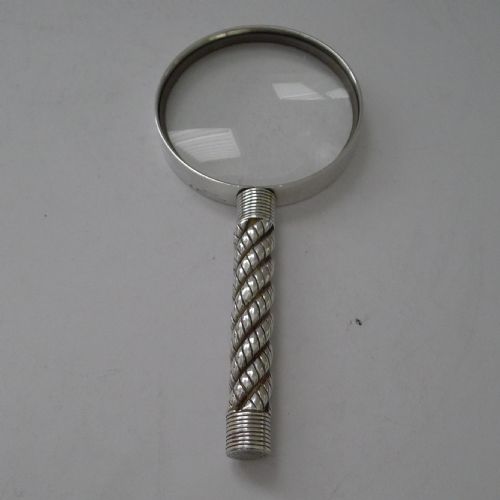
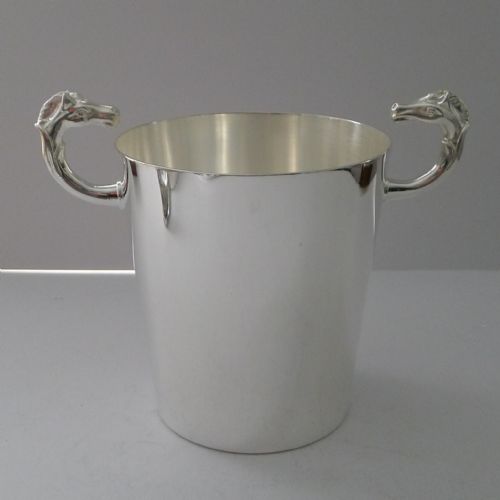
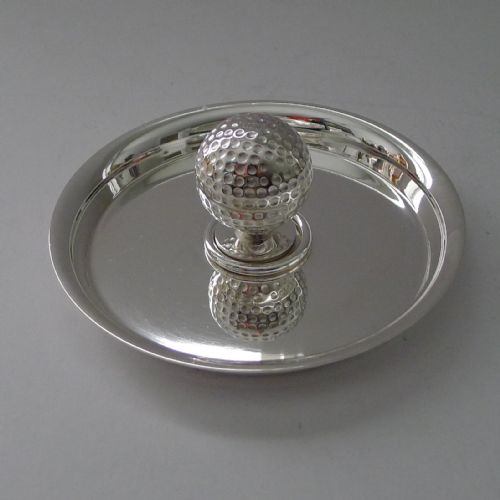
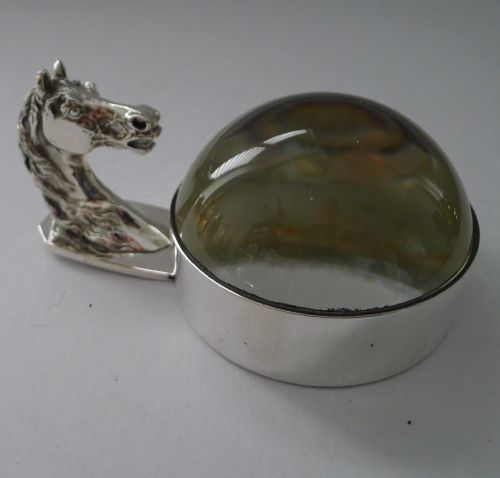
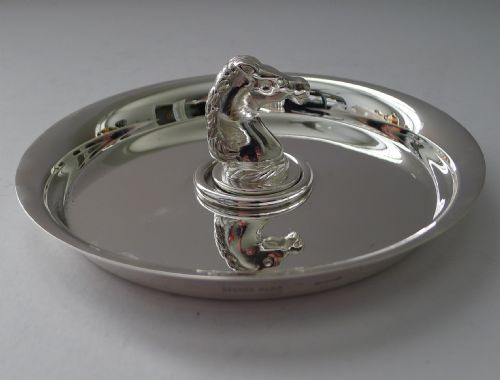
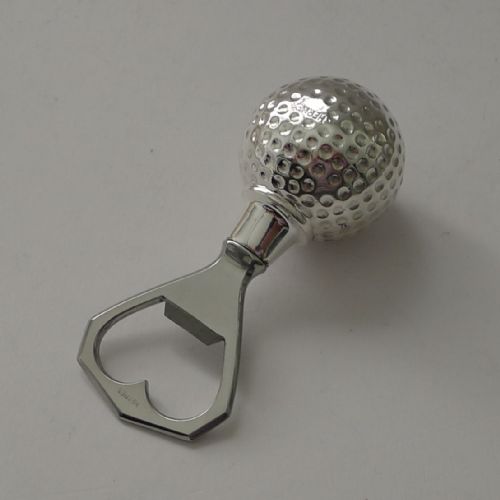
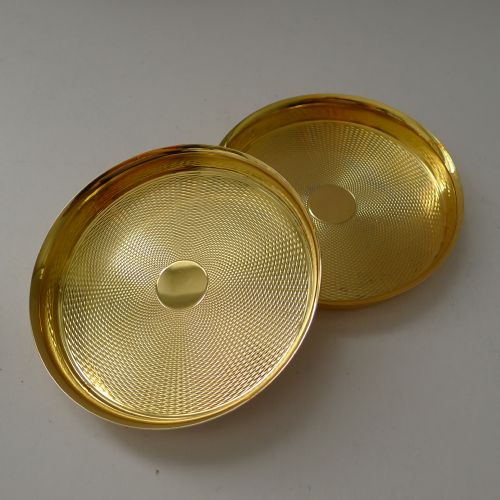
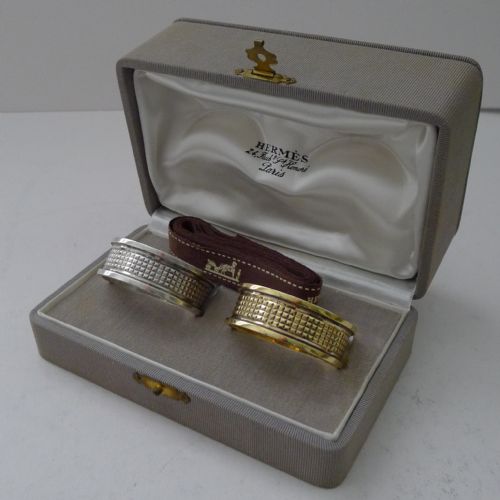
The objects available span from practical silver plated bottle openers and magnifying glasses to substantial sterling silver smoking compendiums and champagne buckets. Mid-century French design heavily influences the forms, combining clean utility with whimsical novelty shapes like horse heads, horse bits and golf balls. Tableware includes vermeil coasters and silver gilt napkin rings, offering a touch of gold warmth alongside the silver.
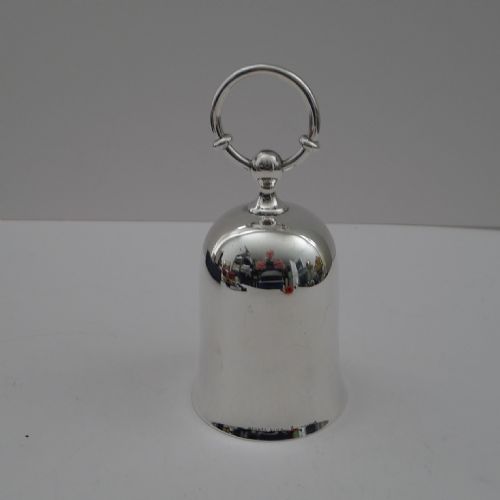
Smaller items such as pill boxes with coin insets and table bells sit alongside larger barware, maintaining consistent quality across diverse object types. The pieces originate from the iconic Paris workshops of the mid-century period, capturing a specific era of post-war luxury production. Collectors find that these items bridge the gap between practical homeware and collectible Parisian design.
How they were made
The creation of these items relied upon traditional silversmithing techniques applied to sterling silver, silver plate and silver gilt. Workshops utilised heavy gauge silver plating over base metals alongside solid sterling silver to achieve durable, weighty objects suited to daily desk or bar use.
Finishing methods included the application of vermeil and gold gilt highlights, contrasting warm gold tones against bright silver surfaces. Glass elements were integrated into pieces such as ice buckets, whilst bronze and metal formed the armature for novelty items like letter openers and magnifying glasses.
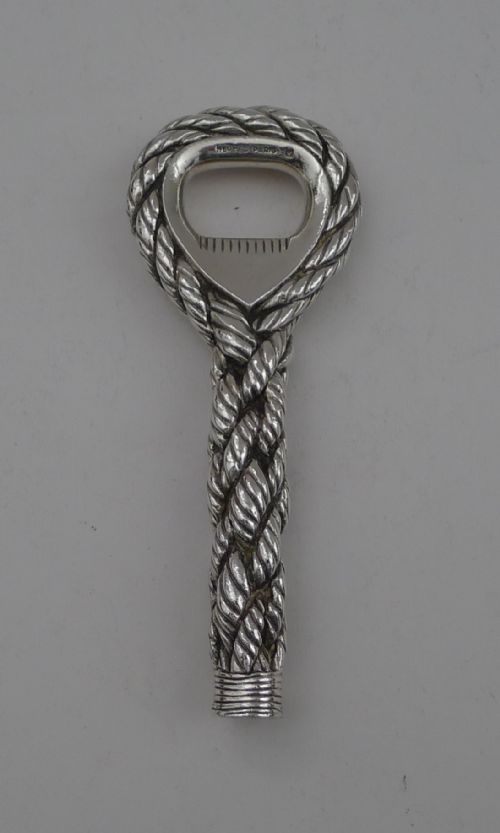
Detailed casting brought equestrian subjects to life, resulting in finely modelled horse head handles, cordage twists and horse bit details. Artisans ensured that moving parts on bottle openers, bells and magnifying glasses functioned smoothly while maintaining sculptural integrity.
Someone in Paris decided a horse head made the ideal handle for a dinner table bell.
What varies in quality
The distinction between standard items and superior examples rests upon the choice of base material and the crispness of the casting. Pieces executed in solid sterling silver or featuring rich vermeil finishes sit at the upper end of the scale compared to standard silver plate.
Artistic execution dictates desirability, particularly in novelty forms where the anatomical detail of a horse head or the precision of a golf ball motif defines the maker's skill. The retention of original gilding and the clarity of Parisian maker marks further separate ordinary pieces from exemplary finds.
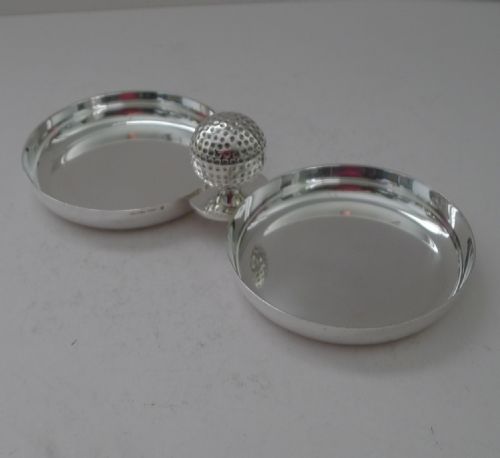
Complexity of form also plays a role, with multi-component items like smoking compendiums or double vide poche trays demonstrating higher manufacturing ambition than simple single-function coasters or napkin rings.
Hermes Paris
The Vintage Hermes Silver Glossary
- Vide poche
- A small tray or dish designed for emptying pockets of coins, keys and small items at the end of the day. These often take novelty shapes such as golf balls or equestrian themes.
- Vermeil
- Sterling silver plated with a thin layer of gold, providing a rich two-tone appearance. This technique is frequently seen on coasters and decorative table accessories.
- Smoking compendium
- A comprehensive set or box designed to hold smoking paraphernalia such as cigarettes, matches and ash receptacles. They represent some of the most substantial sterling silver pieces produced.
- Silver gilt
- Silver objects that have been partially or entirely coated in gold to enhance visual warmth and prevent tarnishing. This finish appears on decorative napkin rings and small dishes.
- Horse bit
- A metal component of a horse's bridle, utilised by designers as a structural handle or decorative motif on items like table bells and serving pieces.
Vintage Hermes Silver: Frequently Asked Questions
What items are included in vintage Hermes silver?
The category encompasses a wide array of desk and bar accessories produced in Paris during the mid-twentieth century. Common forms include magnifying glasses, ice buckets, champagne coolers, bottle openers and vide poche dishes.
Buyers also encounter smaller items such as table bells, pill boxes with coin insets, napkin rings and vermeil coasters. Many of these pieces incorporate distinct equestrian, golf or nautical design motifs.
How do I identify a 1950s piece from a 1960s piece?
Dating relies primarily on stylistic shifts and recorded production periods from the mid-century decades. Pieces from the 1950s often include solid sterling silver boxes and compendiums alongside early napkin rings.
The 1960s saw a prolific output of novelty desk and bar accessories, including cordage magnifying glasses and horse head ice buckets. Maker marks and french silver hallmarks help anchor the exact decade of manufacture.
How were these silver items used originally?
These pieces served functional roles in affluent Parisian homes, executive offices and private clubs. Vide poche trays collected pocket items on hall tables, while magnifying glasses assisted with reading fine print at a desk.
Bar accessories like champagne buckets, ice coolers and bottle openers facilitated home entertaining. Smoking compendiums and table bells were staples of formal drawing rooms and studies.
How should I care for silver plate and vermeil?
Maintenance requires gentle cleaning with a soft microfibre cloth and specialised silver polish designed for plated or solid surfaces. Avoid harsh abrasives that can strip thin silver plate or delicate vermeil gold layers.
When storing or displaying pieces, keep them away from direct sunlight and damp environments to prevent tarnishing. Glass and metal components should be cleaned with appropriate non-chemical solutions.