
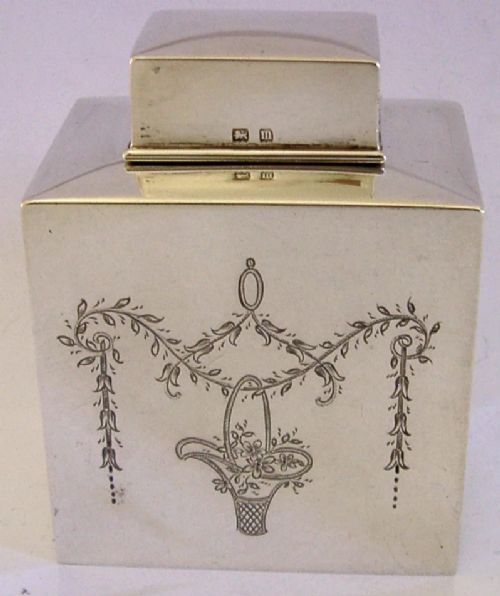




Solid Silver Storage Box
These solid silver storage box examples range from delicate pill containers to substantial oak chests, offering both utility and historic craftsmanship.
Solid Silver Storage Box
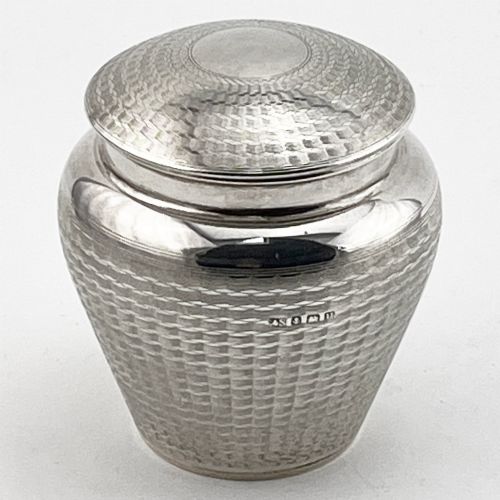
A solid silver storage box serves varied domestic purposes, appearing frequently as tea caddies, trinket containers, and pill boxes across multiple periods. The items on this page span the nineteenth and twentieth centuries, encompassing Victorian, Edwardian, and Art Deco designs alongside earlier Georgian forms.
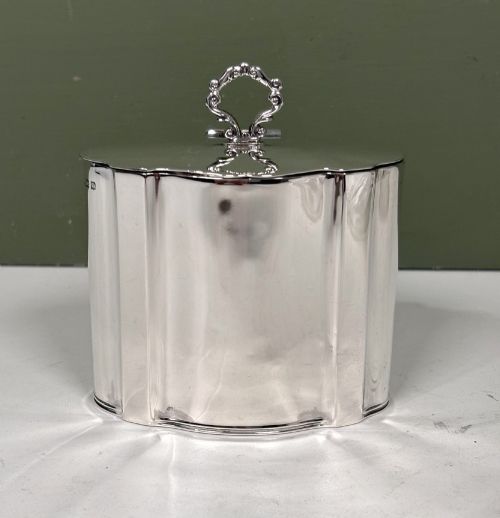
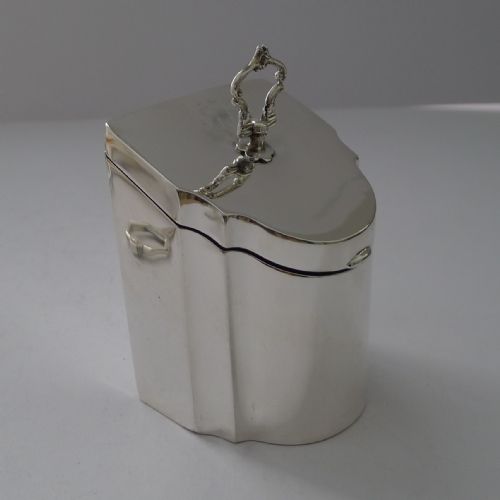
Tea caddies and biscuit boxes form a prominent category within these listings, often executed in sterling silver or solid silver. Alongside these smaller domestic vessels, larger storage pieces emerge in the form of oak silver chests bound in steel and iron.
Origins stretch from English workshops in London to continental centres, with Dutch traditional and empire styles appearing among the selection. Buyers encounter both small-scale desktop trinket boxes and substantial steamer trunks intended for secure transport.
What Varies in Quality
Weight and gauge of the silver distinguish substantial vessels from lighter pieces, with heavier items demonstrating a more generous use of precious metal. The clarity and completeness of hallmarks contribute significantly to an object's documentary interest.
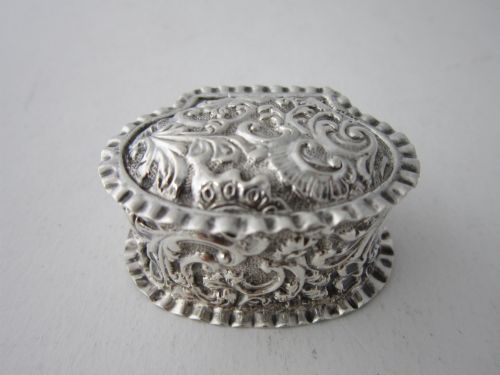
The integration of secondary materials, such as robust oak framing and secure steel binding on larger chests, dictates the structural integrity of the piece. Finer items display crisp detailing in chased or repoussé decoration rather than softened contours.
Listings feature items spanning from George II oak chests to mid-century sterling silver boxes, incorporating timber, brass, and iron elements.
Zimmermann·Hermes
The Solid Silver Storage Box Glossary
- Sterling silver
- A silver alloy containing 92.5 percent pure silver by mass, with the remainder usually copper. This standard forms the primary material for the majority of British boxes listed here.
- Hallmark
- An official stamp applied to precious metals indicating purity, origin, and assay year. These marks allow collectors to date pieces precisely.
- Tea caddy
- A vessel designed originally for storing loose tea leaves securely. Examples in this category often feature internal lids and lockable compartments.
- Repoussé
- A metalworking technique where the artisan hammers the design from the reverse side to create a raised pattern on the front. This method appears on decorative continental boxes.
- Steamer trunk
- A large, durable storage chest built for travel. Versions listed combine English oak with steel and iron bindings.
Solid Silver Storage Box: Frequently Asked Questions
How do I date a silver box?
Dating relies primarily upon the struck hallmarks, which indicate the specific assay office and year of testing. Stylistic cues such as Edwardian tailoring or Art Deco geometry also offer broad chronological context.
Comparing construction methods and any accompanying documentary evidence helps narrow the date range further when marks are partially rubbed.
What was a tea caddy used for?
A tea caddy served as a secure container for storing expensive tea leaves in the home. Because tea was a costly commodity, these boxes frequently included locking lids to restrict access.
Inside, many caddies featured distinct compartments or separate canisters to keep different leaf varieties fresh.
Are silver chests waterproof?
Silver chests constructed from oak and bound in steel were designed primarily for secure transport and storage rather than water resistance. Their heavy construction protected contents from impact and theft during travel.
Internal linings offered some buffering, but the primary defence was physical security rather than sealing against moisture.
How do I clean a silver box?
Cleaning requires a soft cloth and a specialised silver polish formulated to remove tarnish without abrading the metal surface. Care must be taken around engraved or repoussé details to avoid trapping residue in recessed areas.
Wooden elements and interior linings should be kept separate from liquid cleaning agents to preserve the structural materials.