


Luxury Desk Accessories
These luxury desk accessories bring functional elegance to a workspace, offering refined craftsmanship from eras spanning the Georgian period to the mid-twentieth century.
Luxury Desk Accessories
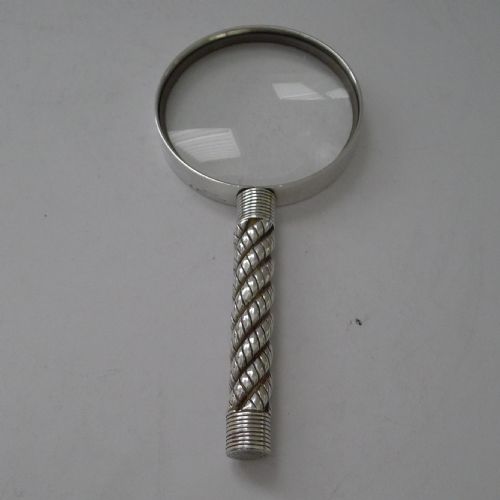
When you search for luxury desk accessories, you encounter a curated selection of refined items designed to organise and elevate a workspace. These pieces range from practical writing implements and magnifying glasses to decorative boxes, clocks, and smoking compendiums created for the executive desk.
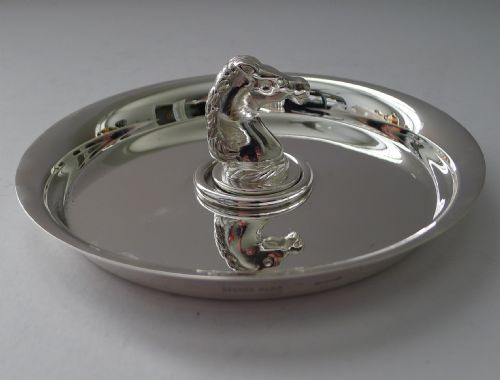
Forms encompass specialised items like perpetual calendars, notelet cases, snuff boxes, and vide poche dishes. Each object reflects the functional requirements and aesthetic tastes of its specific period, utilising traditional forms to maintain order in a study or office.
How they were made
These pieces utilise precious metals and traditional materials, notably sterling silver, silver plate, solid gold, and gilt bronze. Artisans frequently combined these metals with organic elements such as tortoiseshell, jade, silk, velvet, and glass to create tactile contrast.
Manufacturing techniques combine fine metalworking, casting, and marquetry, as seen in English Boulle work incorporating tortoiseshell and brass inlay. Specialised crafting methods also include fine engraving on fountain pens and detailed casting for novelty animal forms and desk clocks.
Listings feature items spanning the Georgian period, Edwardian era, and mid-century design movements, utilising sterling silver, tortoiseshell, and gilt bronze.
What varies in quality
The distinction between standard items and the top of the range rests upon the prestige of the maker and the refinement of the materials utilised. Pieces bearing signatures from renowned houses like Hermes or Asprey demonstrate superior finishing and more complex assembly than anonymous workshop output.
Material selection and decorative complexity further differentiate the pieces. Items incorporating precious stones like jade, solid gold mounts, or intricate tortoiseshell work display a higher degree of artisan skill than simpler plated or glass variants.
Hermes Paris·Cartier·Montblanc·Garrards·Gucci Italy·Asprey Of London
The Luxury Desk Accessories Glossary
- Vide poche
- A small pocket-empty dish designed to hold loose items from pockets at the end of the day. These often take novelty or sculptural forms in silver or porcelain.
- Boulle
- A method of marquetry using brass and tortoiseshell inlaid into furniture and smaller decorative wooden cases. Named after a French cabinetmaker, it creates a striking pattern of contrasting tones.
- Snuff box
- A small, hinged container used to hold powdered tobacco for inhalation. Georgian examples are frequently fashioned from tortoiseshell and mounted in gold.
- Sterling silver
- An alloy consisting of silver and other metals, usually copper, containing a high purity standard. It forms the structural body for many smoking compendiums and boxes.
- Smoking compendium
- A fitted box or stand containing accessories for smoking, such as matches, cutters, and trays. These coordinated sets were standard fixtures on Edwardian and mid-century desks.
Luxury Desk Accessories: Frequently Asked Questions
What are luxury desk accessories?
These are refined functional objects designed for writing tables, studies, and offices, ranging from magnifying glasses and calendars to inkwells and smoking compendiums.
They combine utility with high-end craftsmanship, frequently utilising precious metals, glass, and exotic materials across various historical design movements.
How do I clean silver accessories?
Silver desk accessories require gentle maintenance using a specialised polishing cloth to remove tarnish without damaging engraved details or mounted stones. Avoid harsh chemical dips that strip away patination accumulated over decades.
For pieces incorporating velvet, silk, or tortoiseshell, keep moisture entirely away from the delicate organic panels during cleaning.
How do I identify an Edwardian piece?
Edwardian items, produced during the reign of King Edward VII, often exhibit lighter Neoclassical influences and refined proportions compared to heavy Victorian designs. Look for hallmarks and manufacturing styles typical of the early twentieth century.
Materials like sterling silver and intricate Boulle work frequently characterise desk items from this period.