


Vintage Hearth Dog Pair
A vintage hearth dog pair brings character and warmth to a fireplace, offering a practical way to support logs or a decorative fireside display.
Vintage Hearth Dog Pair
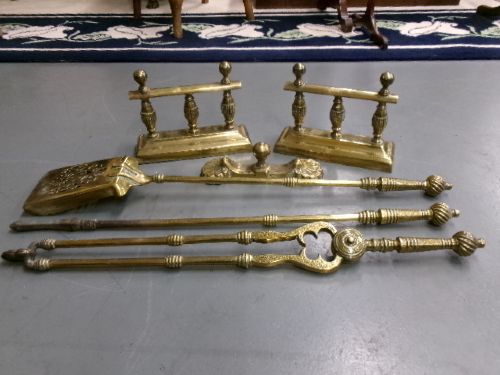
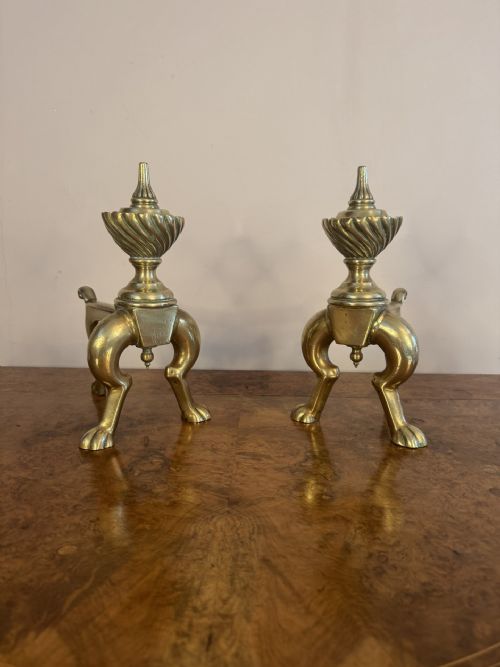
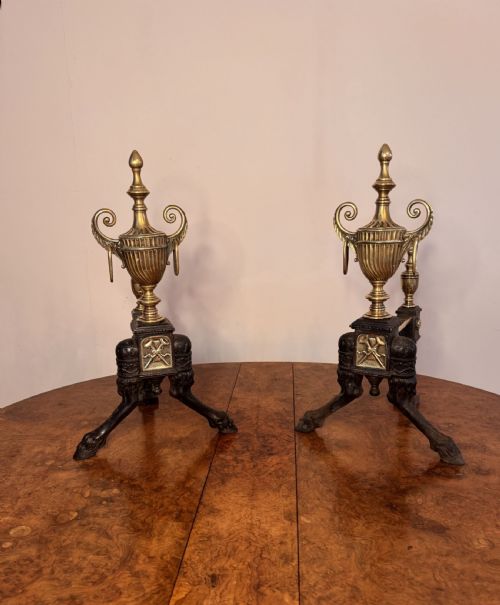
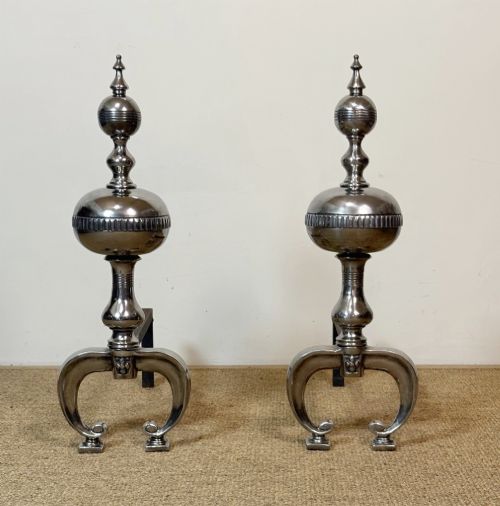
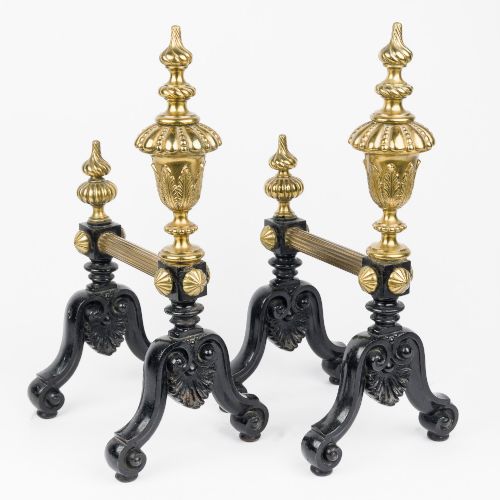
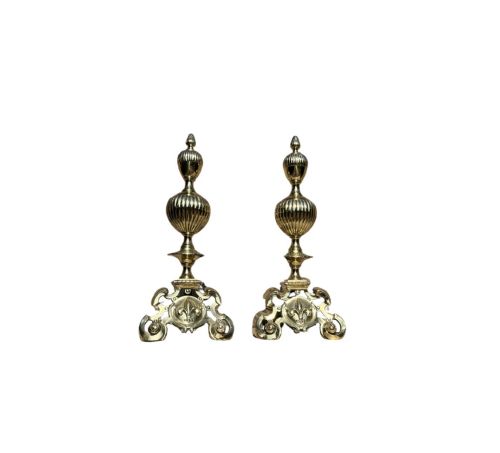
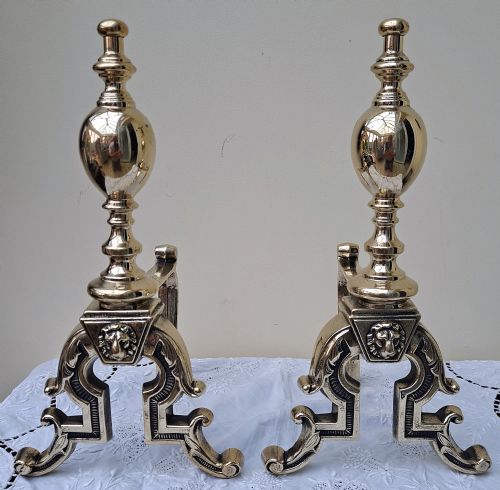
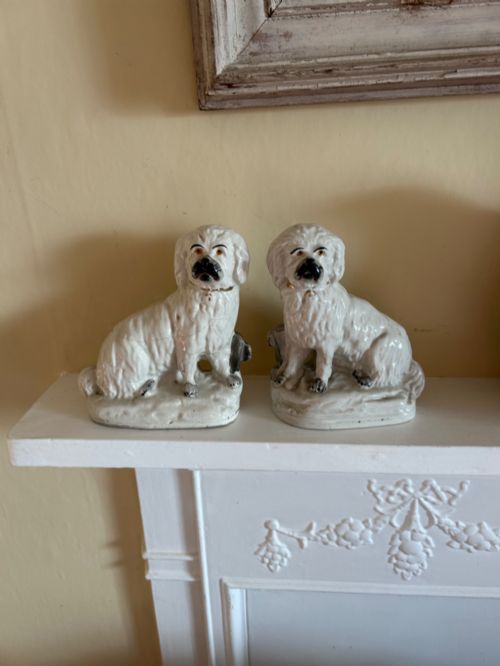
When you search for a vintage hearth dog pair, you encounter functional metal fire irons and decorative ceramic figures designed to sit beside the hearth. The metal variants span heavy brass and wrought iron, whilst the ceramic examples predominantly feature Staffordshire pottery spaniels and poodles.
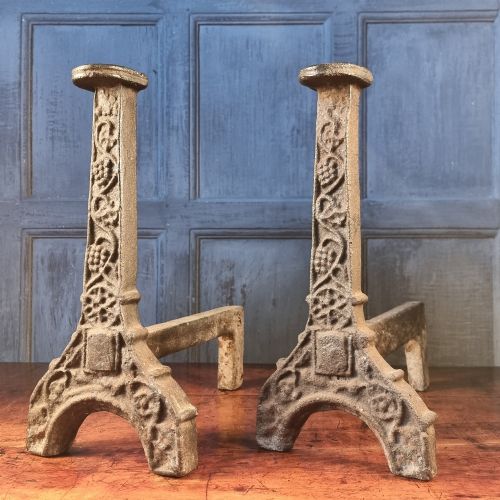
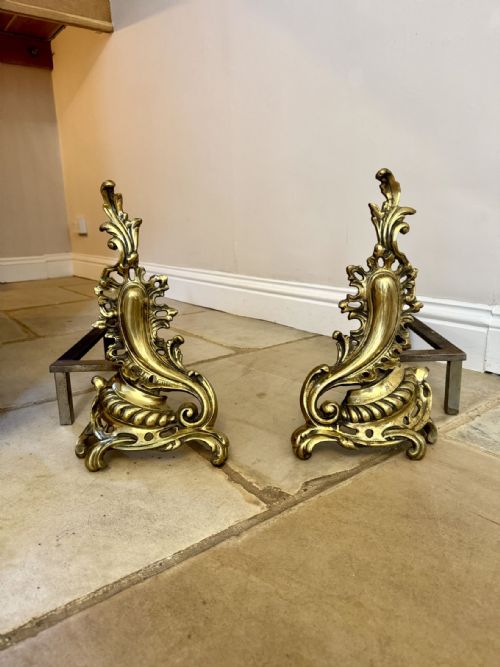
You are most likely to meet Victorian brass and cast iron andirons alongside mid-nineteenth-century earthenware figures on this page. These pieces derive from English and French workshops, encompassing styles from Gothic Revival to French Rococo.
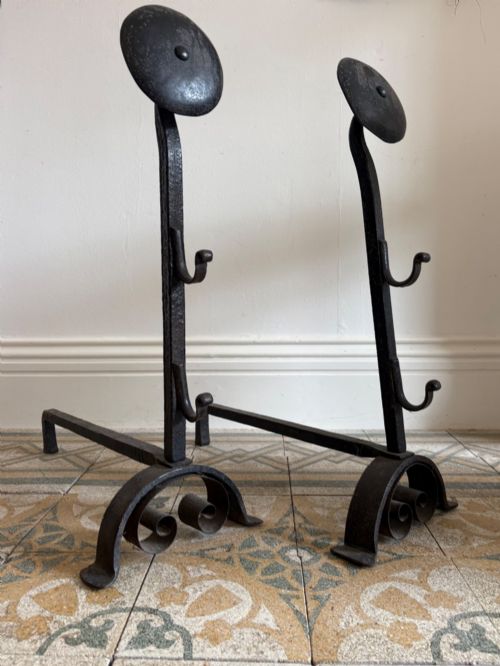
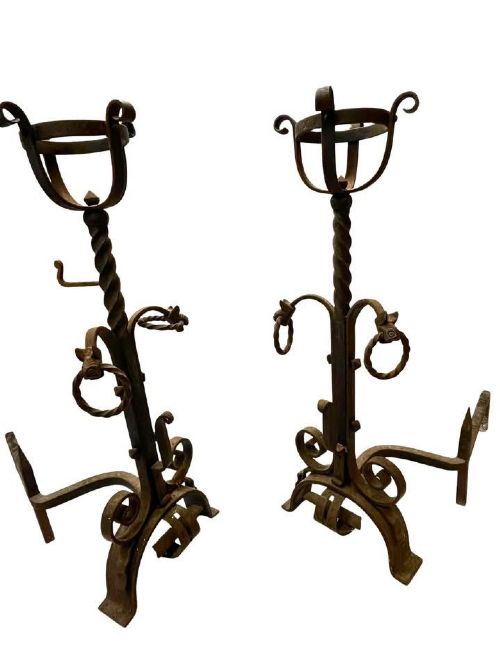
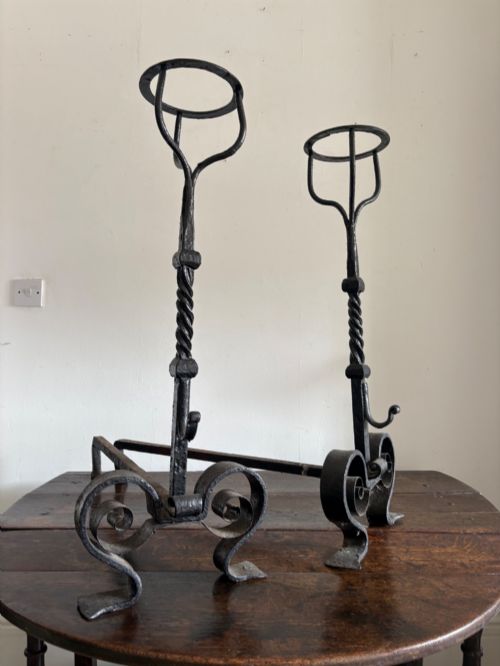
The selection ranges from tall, hand-forged wrought iron uprights to companion sets and ceramic mantel dogs. Each piece serves either to hold fuel within the grate or to adorn the fireplace surround.
Materials and Methods
Metal hearth dogs rely on casting, forging, and polishing techniques applied to brass, cast iron, steel, and wrought iron. Artisans shaped these metals into robust andirons and tool rests, often finishing them with ormolu mounts or detailed cast motifs.
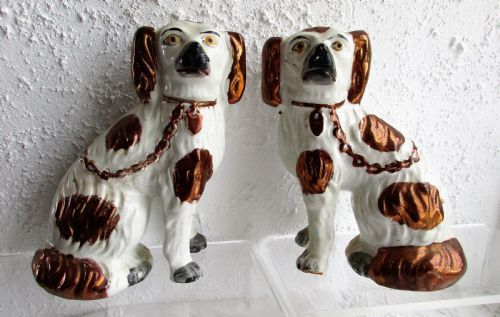
Ceramic figurines utilise earthenware shaped in moulds, then finished with glaze, enamel, copper lustre, or white and gilt decoration. Staffordshire potteries produced these spaniels and poodles in pairs to flank domestic fireplaces.
Vintage Hearth Dog Pair Retail Price Guide 2026
Typical asking prices for vintage hearth dog pair among the pieces listed under this phrase on Sellingantiques today, from the lower quarter to the upper quarter. They describe what is for sale here now, not the wider market.
Staffordshire poodles occasionally arrive with ceramic puppies modelled right at their feet.
Assessing Quality and Execution
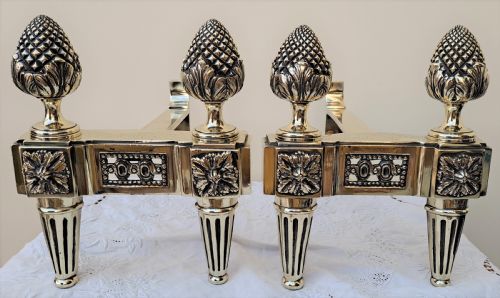
The distinction between standard production and superior craftsmanship lies in the crispness of the casting and the finesse of the hand-finishing. Finely cast brass displays sharp definition in rococo scrolls and neoclassical details without softening of the edges.
In ceramic pairs, quality shows in the hand-painted facial expressions, clean glaze application, and careful control of lustre or gilt accents. Wrought iron versions demonstrate superior status through balanced symmetry and skilful hand-forging at the anvil.
The Vintage Hearth Dog Pair Glossary
- Andirons
- Supports made of iron, brass, or bronze used to raise logs off the hearth to improve air circulation. They often feature decorative fronts that remain visible when the fireplace is not in use.
- Chenets
- The French term for firedogs or andirons, frequently denoting ornate brass or ormolu pieces in rococo or baroque styles. They serve the same functional purpose as their English counterparts.
- Staffordshire Pottery
- Earthenware figures produced in the Staffordshire Potteries, including spaniels, poodles, and maltese terriers designed as decorative hearth ornaments. They are typically finished with enamel glazes or copper lustre.
- Wrought Iron
- Iron that is heated and hammered into shape by hand, resulting in a fibrous texture and durable construction. It appears frequently in utilitarian and Arts and Crafts fire dogs.
- Fire Tool Rests
- Metal stands or small dogs designed to hold fireside pokers, tongs, and shovels near the hearth. They often match the associated andirons in material and style.
Vintage Hearth Dog Pair: Frequently Asked Questions
What is a hearth dog?
A hearth dog, also known as an andiron or firedog, is a metal support placed in a fireplace to hold burning logs above the hearth floor.
Alternatively, the term refers to ceramic figurine pairs, such as Staffordshire spaniels, placed on the mantelpiece or hearth for decoration.
How do I use andirons?
Andirons are placed inside the fireplace opening in matching pairs, with their long bars extending backward into the hearth to support firewood.
They elevate the logs to allow air to circulate underneath, which improves combustion and smoke draw.
Were Staffordshire dogs made for firesides?
Staffordshire pottery dogs were traditionally manufactured in pairs to sit on either side of the domestic hearth or upon the mantelpiece.
Victorian households often displayed them facing inward toward the fireplace to guard the home.
How do I distinguish brass from cast iron?
Brass presents a bright golden or polished metallic hue that does not rust, often featuring decorative casting in styles like rococo or neoclassical.
Cast iron and wrought iron display a darker, heavier finish designed for heavy load-bearing and intense hearth temperatures.