

Vintage Hearth Curb
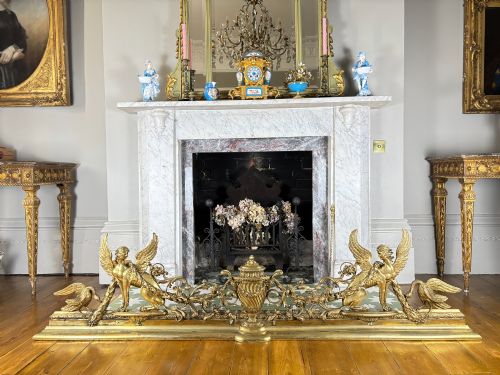
A vintage hearth curb protects the room from stray embers while framing the fireplace with period character.
Vintage Hearth Curb
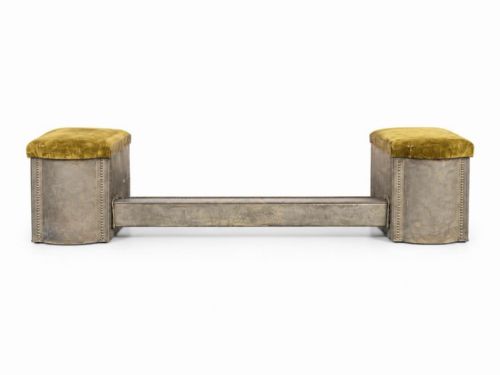
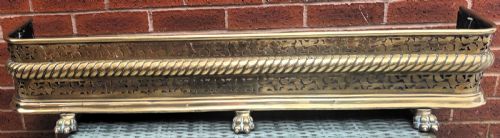
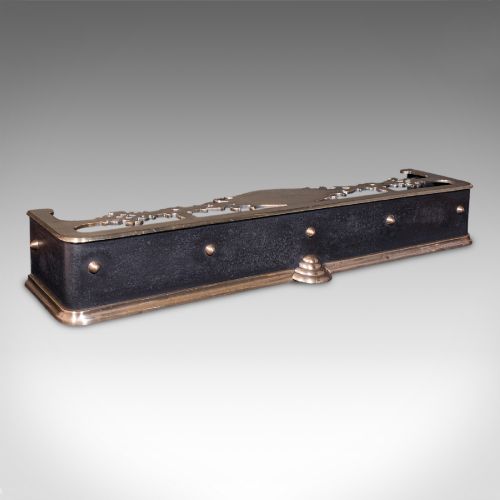
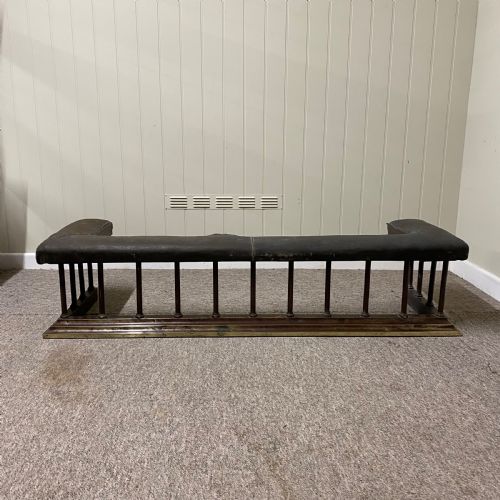
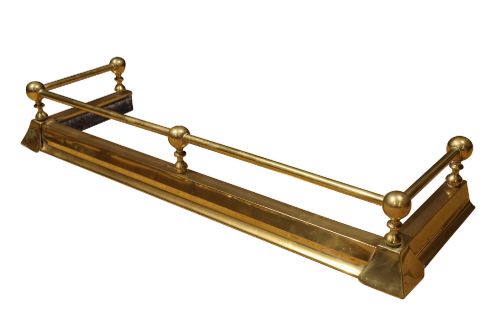
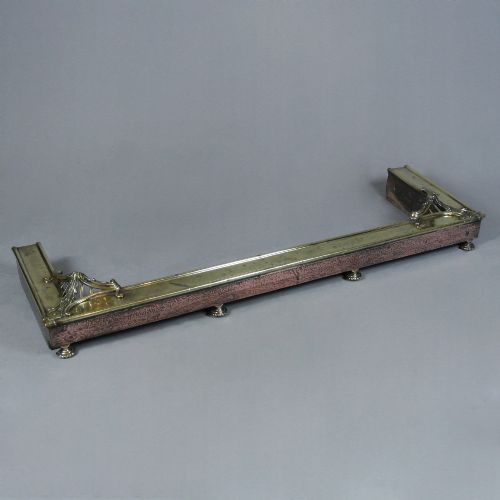
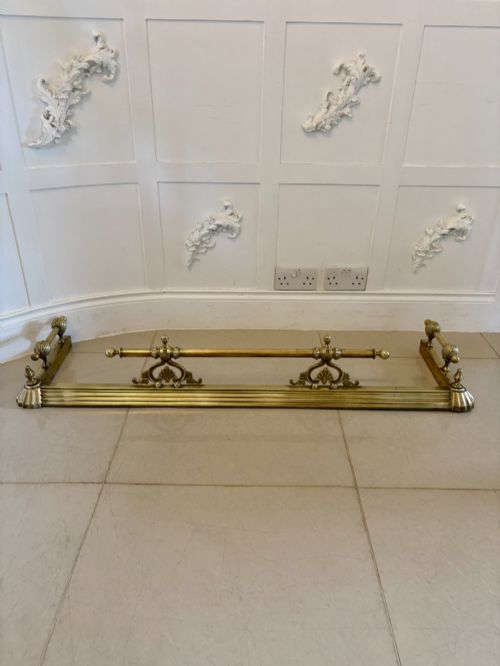
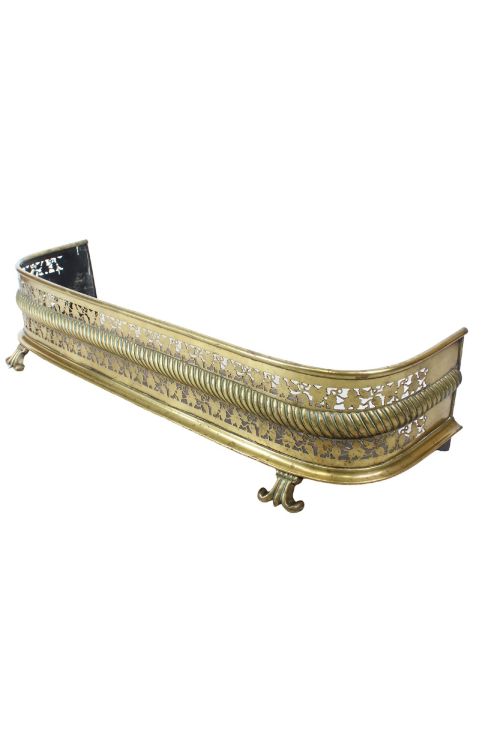
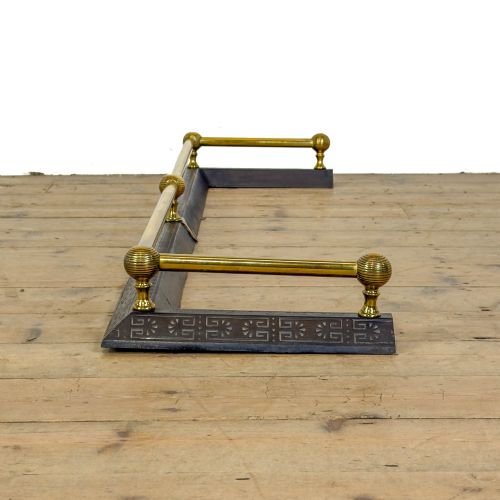
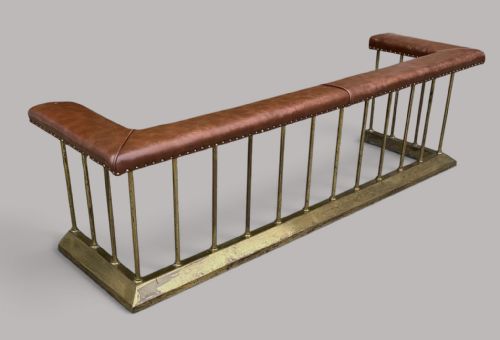
A vintage hearth curb is a practical fireplace accessory designed to contain embers and position fireside equipment safely. Buyers seeking a vintage hearth curb will encounter various forms, including traditional fireplace fenders, extending models, and club fenders fitted with leather seats.
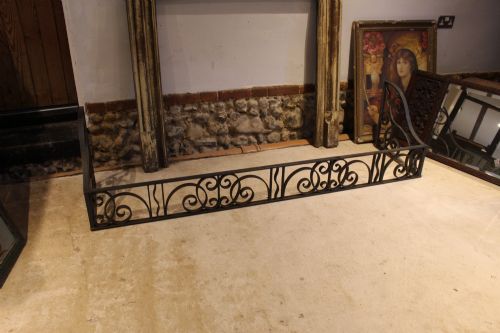
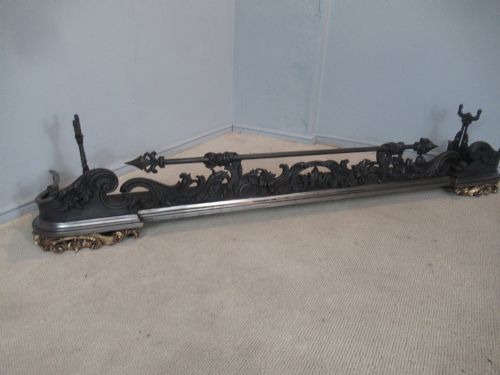
The pieces available span several eras, predominantly featuring Victorian, Edwardian, and nineteenth-century examples alongside earlier Georgian designs. Materials range from polished brass and copper to cast iron, steel, bronze, and occasional limed oak.
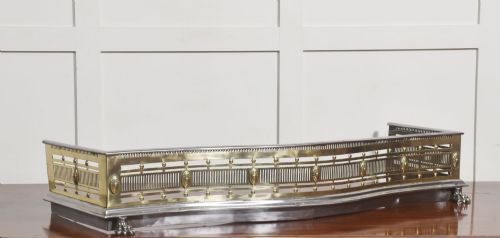
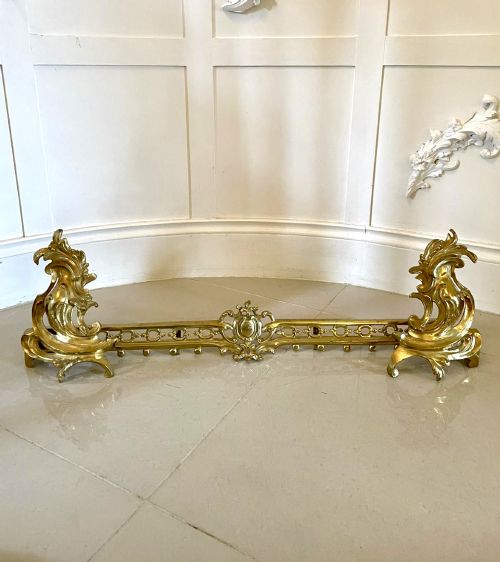
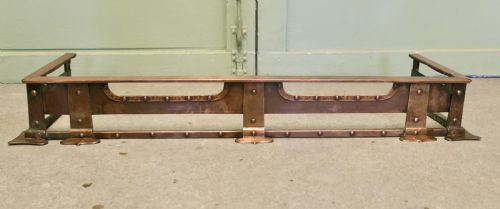
Stylistic influences vary widely across the selection, encompassing Art Nouveau, Arts and Crafts, Regency, French Rococo, and Louis XVI neoclassical aesthetics. Pierced metalwork, floral patera details, and riveted construction appear frequently among the listings.
How they were made
Makers utilised durable metals such as brass, copper, cast iron, and steel, often combining polished brass with blackened steel for contrast. Construction techniques involved intricate piercing, heavy riveting, beating sheet copper, and casting bronze or iron components.
Upholstered club fenders incorporated mature leather for the seating surfaces, supported by robust metal frameworks. Decorative elements like flower patera, beaded decoration, and scrolled brasswork were applied by hand to elevate the appearance of the metal.
Vintage Hearth Curb Retail Price Guide 2026
Typical asking prices for vintage hearth curb among the pieces listed under this phrase on Sellingantiques today, from the lower quarter to the upper quarter. They describe what is for sale here now, not the wider market.
What varies in quality
Quality in a vintage hearth curb depends on the weight of the metal and the precision of the assembly. Substantial gauge brass, deep relief work in beaten copper, and crisp piercing separate superior examples from lighter commercial pieces.
The refinement of the decorative style dictates the standing of the object. Finely executed Art Nouveau organic curves, precise French Rococo casting, and well-preserved leather upholstery on club fenders indicate higher craftsmanship during manufacture.
The Vintage Hearth Curb Glossary
- Fire fender
- A low metal barrier placed around the hearth to keep burning coals and ash contained within the fireplace area. These objects often double as decorative frames for the fireplace surround.
- Club fender
- A specialised hearth curb featuring low upholstered leather seats on either side. These originated in gentlemen's clubs to provide warmth close to the fire.
- Patera
- A circular ornamental bas-relief resembling a classical libation dish. They frequently decorate the corners and friezes of Victorian copper and brass curbs.
- Pierced brass
- Metal sheet perforated with decorative patterns using a piercing saw or punch. This technique lightens the visual weight of heavy brass curbs while displaying intricate designs.
- Extending fender
- A metal curb designed with telescopic sections to adjust in width. This allowed the fireplace accessory to fit various hearth dimensions.
Vintage Hearth Curb: Frequently Asked Questions
What is a club fender?
A club fender is a specialised hearth curb equipped with upholstered leather seats on the sides. They allow people to sit directly beside the fire for warmth.
These pieces combine functional metal barriers with comfortable seating, making them social focal points in period rooms.
How do I clean brass and copper?
Polished and beaten metals require gentle cleaning to preserve their historic surface appearance. Many collectors prefer to maintain natural patination rather than achieving a bright shine.
Avoid harsh chemical abrasives that strip away the aged character accumulated over decades of use.
Will an extending fender fit my fireplace?
Extending models feature sliding telescopic sections designed to adjust within a range of widths. Measuring the exact opening of your hearth ensures the curb sits properly against the brickwork.
Checking the minimum and maximum dimensions prevents purchasing a piece that cannot be adjusted to your specific room proportions.
How do I date a hearth curb?
Dating relies on identifying the prevailing decorative style, construction methods, and material choices. Victorian and Edwardian examples often feature stamped brass or pierced ornamentation, while Arts and Crafts pieces showcase hand-beaten copper and exposed rivets.
Comparing stylistic details like Louis XVI neoclassical motifs or Art Nouveau plant forms helps place the object within its historical period.