




Vintage Hat Display
A vintage hat display brings functional utility and sculptural form into a room, holding everything from millinery blocks to advertising mannequins.
Vintage Hat Display
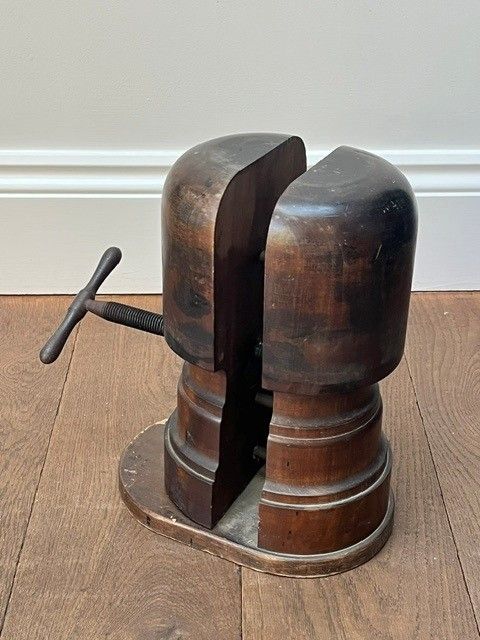
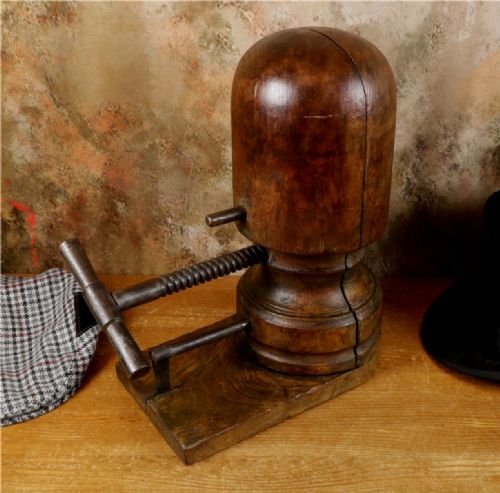
A vintage hat display encompasses practical workshop equipment and retail shop fittings designed to shape, size, or present headwear. Buyers searching for a vintage hat display will encounter nineteenth-century French wooden blocks, Georgian wig stands, and Art Deco advertising mannequins.
The selection ranges from functional hat stretchers and aluminium moulds to carved wooden milliner heads and countertop display stands. These objects originate from trade workshops and retail interiors spanning the eighteenth century through to the 1930s.
Materials and Construction
Makers shaped these pieces primarily from traditional timber, utilising hardwoods such as oak, beech, fruitwood, yew, and walnut, alongside carved folk art forms and turned components. Metal elements appear in cast iron, aluminium, brass, and silver details found on pin holders.
Workshop tools and display items often combine carved wooden blocks with fitted hardware, while advertising heads utilise painted surfaces, fabric, velvet, and moulded metal or synthetic composites appropriate to their period.
The listings span multiple centuries, incorporating Georgian timber forms, Victorian industrial pieces, and 1930s Art Deco shop displays.
Evaluating the Range
Quality rests upon the integrity of the material, the crispness of the carving on wooden blocks and milliner heads, and the originality of painted surfaces on display mannequins. Pieces retaining their original workshop markings, patination, and structural joinery command greater interest.
Simpler utilitarian forms built for purely industrial purposes sit alongside finely finished retail display stands and decorative silver hat pin holders, where craftsmanship and artistic styling elevate the piece beyond basic workshop utility.
Crisford and Norris
The Vintage Hat Display Glossary
- Hat block
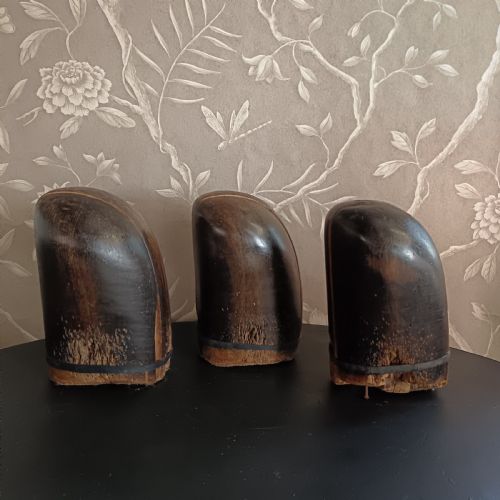
- A solid wooden form used by milliners to shape and press hats during manufacture. These blocks often exhibit sculptural qualities that make them desirable for interior display.
- Milliner
- A maker and seller of hats. Their historic workshops generated the blocks, stretchers, and display heads found in this category.
- Marotte
- A French term for a decorative head form or mannequin used in shops to display hats. They frequently feature painted facial details and period coiffures.
- Hat stretcher
- A mechanical tool utilised to expand the circumference of a hat. These timber and metal devices show robust industrial engineering.
- Wig stand
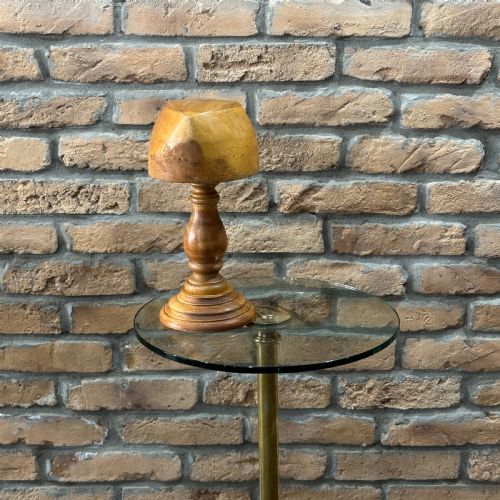
- A pedestal or turned wooden support designed to hold a wig or headpiece. Eighteenth-century examples often employ finely turned timber.
Vintage Hat Display: Frequently Asked Questions
What is a milliner's hat block?
A milliner's hat block is a carved wooden form used in the creation and shaping of hats. Craftsmen turned and shaped these solid pieces of timber to specific head sizes.
Today, these functional workshop tools serve primarily as sculptural objects for interior display, showing the wear and patination of active use.
How do I use a hat display at home?
These items provide a structural support for resting hats, scarves, or wigs on a tabletop, shelf, or dressing table. Their vertical forms add height and architectural interest to a room.
Selection depends on the scale of the piece and whether you prefer a simple turned wooden stand or a figural mannequin head.
How do I date a hat display?
Dating relies upon identifying the prevailing style, such as Georgian turned woodwork, Victorian industrial ironwork, or 1930s Art Deco mannequin aesthetics. Material choices and manufacturing techniques also indicate the era of production.
Examining the underlying timber, surface finishes, and any associated trade markings helps place the object within its historical period.
What materials were used for hat displays?
Maker materials typically include hardwoods such as beech, oak, walnut, and fruitwood, alongside cast iron, aluminium, and brass elements. Some advertising display heads incorporate fabric, velvet, and painted decoration.
Each material reflects the functional demands of the workshop or retail environment for which the piece was constructed.