

Vintage Handle Walking Cane
When you search for a vintage handle walking cane, you seek a gentlemanly accessory that often conceals a blade or practical gadget.
Vintage Handle Walking Cane
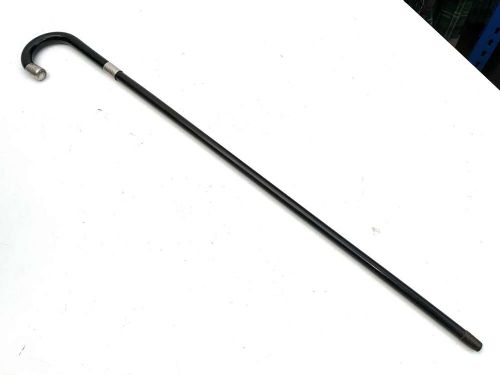
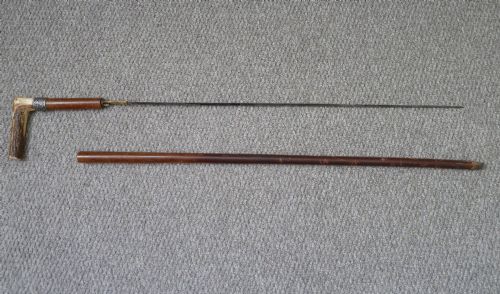
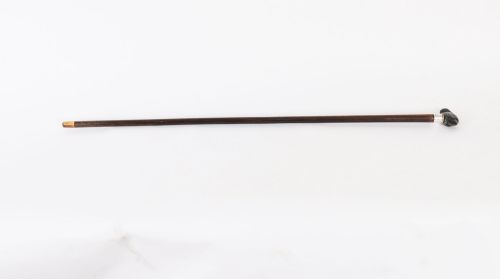
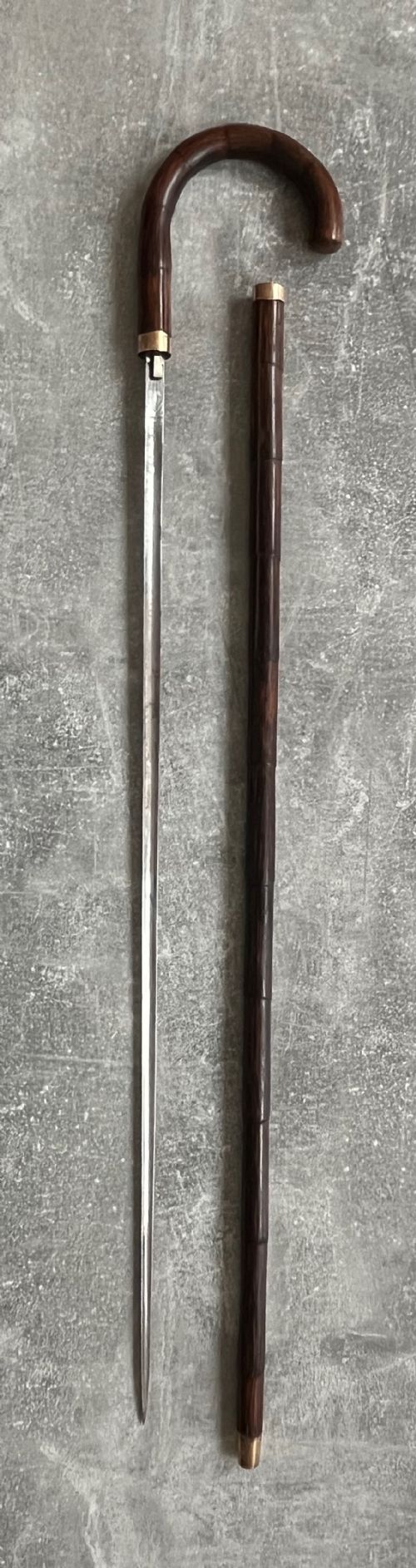
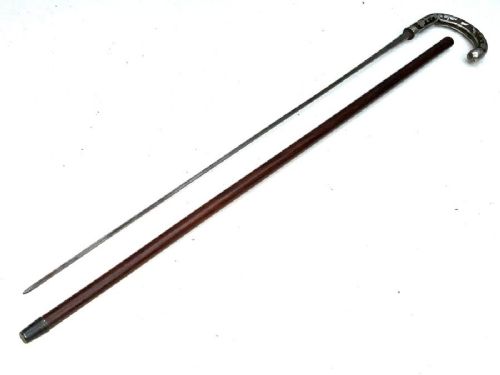
A vintage handle walking cane is a traditional support and gentleman's accessory spanning the Victorian, Edwardian, and Art Deco periods, encompassing both simple walking sticks and disguised sword sticks. Buyers searching this phrase will find a diverse array of items originating from British, French, and Asian workshops, featuring various handle forms and shaft configurations.
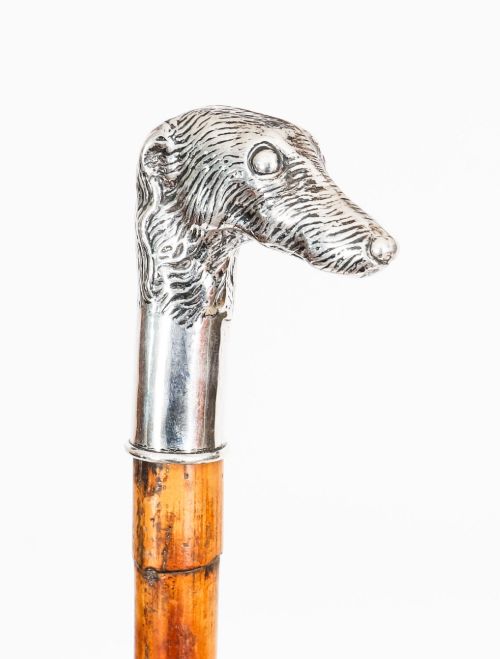
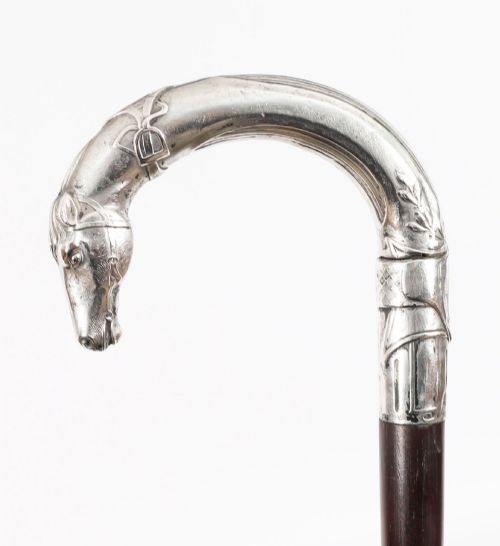
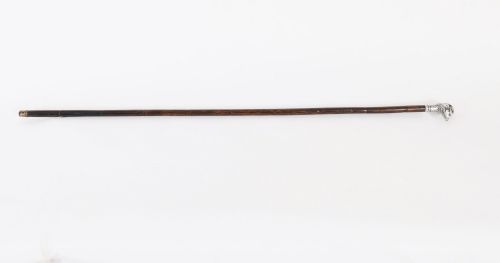
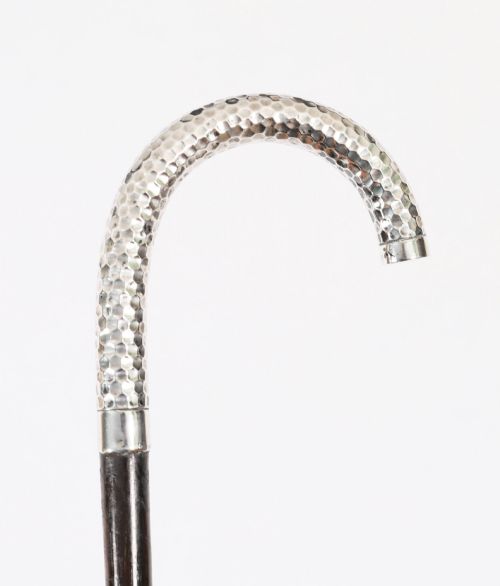
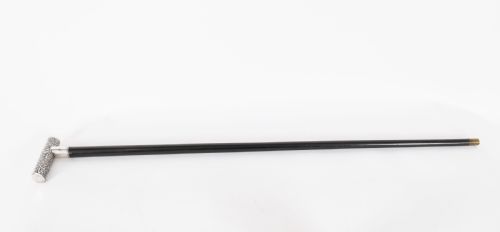
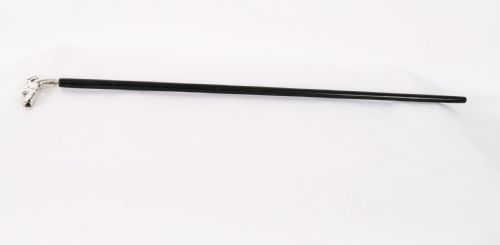
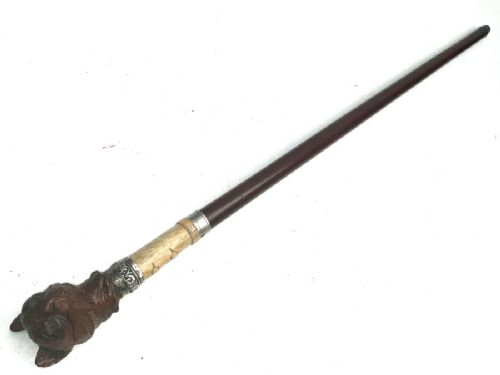
The most common variants on this page include sword sticks with concealed blades, alongside walking canes with carved animal heads, duck heads, and novelty grips. Shaft materials range from traditional partridge wood and malacca to ebonised wood, hazel, and bamboo, frequently fitted with silver collars or mounts.
How they were made
Craftsmen utilised natural materials such as horn, bone, hardwoods, and bamboo, shaping them into shafts and handles using traditional woodworking and carving techniques. Metal components, including steel blades, brass collars, and silver pommels, were integrated into the wooden shafts to create both functional supports and concealed weapons.
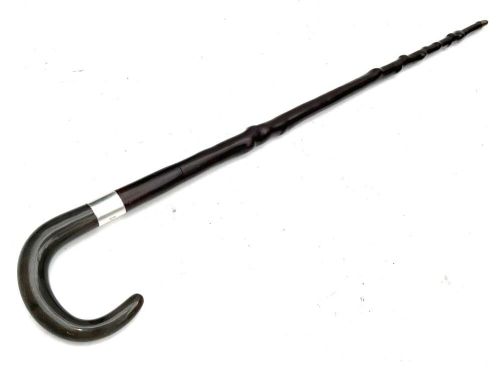
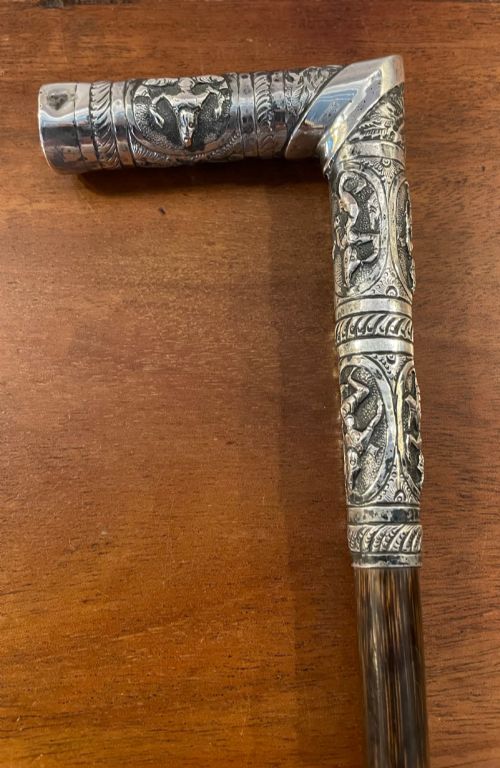
Many handles were fashioned from animal horn or cast in silver and silver plate, depicting subjects like greyhounds, rabbits, and horses. Specialist blades, such as Toledo steel and Wilkinson examples, were fitted securely within the wooden or faux bamboo bodies.
Vintage Handle Walking Cane Retail Price Guide 2026
Typical asking prices for vintage handle walking cane among the pieces listed under this phrase on Sellingantiques today, from the lower quarter to the upper quarter. They describe what is for sale here now, not the wider market.
Keep an eye out for the hidden corkscrew tucked inside a rabbit-handled gadget cane.
What varies in quality
The standard of a vintage handle walking cane depends upon the quality of the materials and the refinement of the craftsmanship in both handle and blade. Finely detailed silver mounts, intricate animal carvings, and named blade makers elevate a piece beyond standard utilitarian examples.
The integration of the handle to the shaft and the condition of the hidden mechanisms or blades determine the overall integrity of the cane. Finer pieces demonstrate careful fitting between the collar, handle, and timber body.
Briggs
The Vintage Handle Walking Cane Glossary
- Sword stick
- A walking cane designed with a concealed blade hidden inside the wooden shaft. This dual-purpose item served as both a walking aid and a personal defence tool.
- Pommel
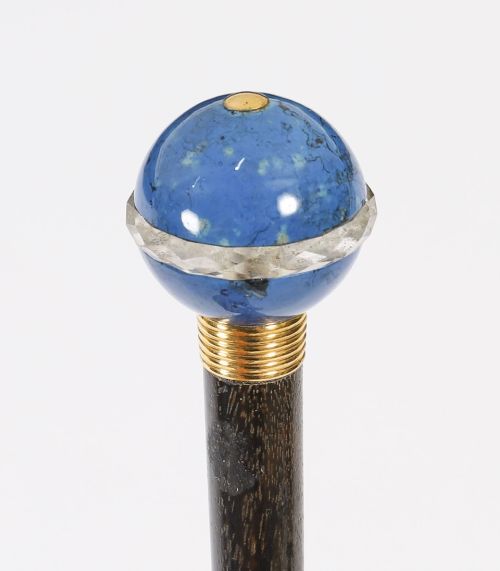
- The rounded handle or knob at the top of a walking cane. These were frequently cast in silver, gold, or carved from horn and bone.
- Malacca
- A type of rattan cane known for its strength and distinctive mottled brown surface, frequently utilised for walking stick shafts.
- Collar
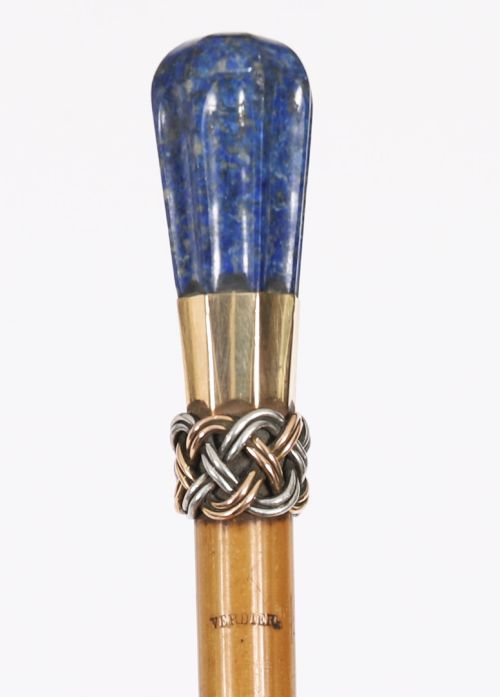
- A metal band, often made of silver or brass, fitted around the shaft just below the handle to reinforce the wood and add decoration.
- Ebonised wood
- Timber treated with a dark stain or finish to imitate the appearance of ebony. It provides a sleek, uniform dark surface for walking sticks.
Vintage Handle Walking Cane: Frequently Asked Questions
What is a sword stick?
A sword stick is a walking cane that conceals a metal blade within its wooden shaft, secured by a friction fit or latch.
These pieces were historically carried by gentlemen for protection and fashion during the Victorian and Edwardian eras.
How do you identify the age?
Age is identified through the prevailing styles, materials, and any hallmarks present on the silver mounts or collars.
Periods range from the nineteenth century through the Edwardian era and Art Deco years, reflected in the handle carving and blade manufacturing.
What woods were used?
Common woods include partridge wood, malacca, hazel, chestnut, and rosewood, alongside ebonised wood and bamboo.
Each timber offered specific weight, flexibility, and grain patterns suited for walking aids.