
Vintage Hand Sculpture
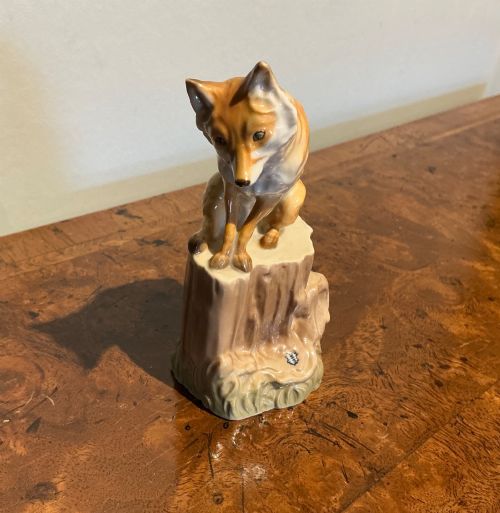
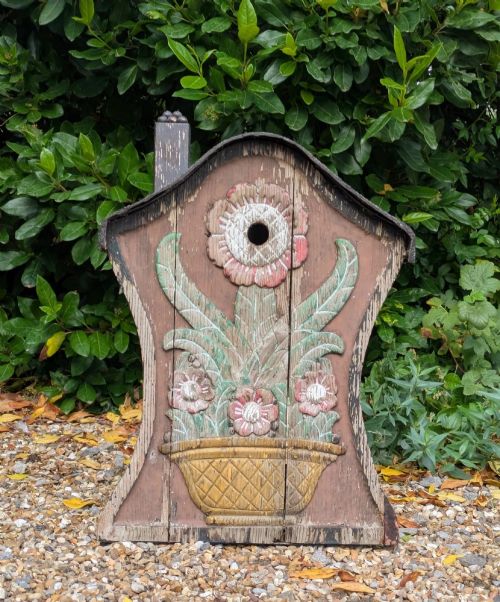
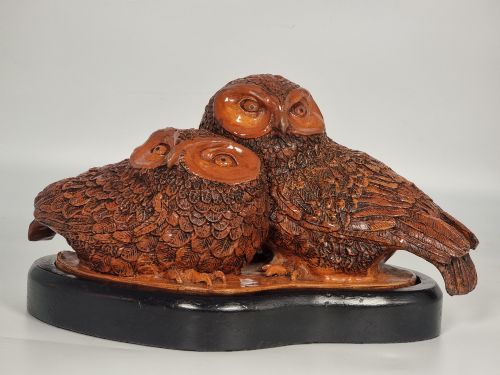
These vintage hand sculpture examples span carved wood and painted earthenware, bringing tactile folk art character into any interior.
Vintage Hand Sculpture
When you search for vintage hand sculpture, you encounter carved wooden figures, pottery busts and modelled animals originating from the nineteenth and early twentieth centuries. These objects include folk art carvings, studio pottery figurines and decorative animal studies produced across diverse international traditions.
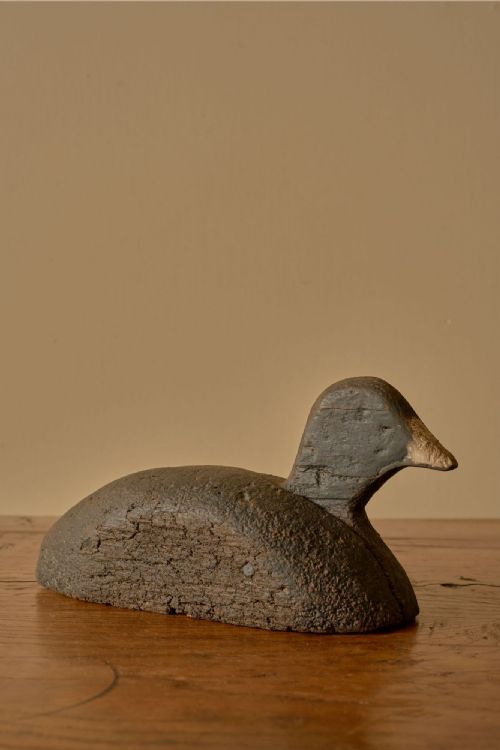
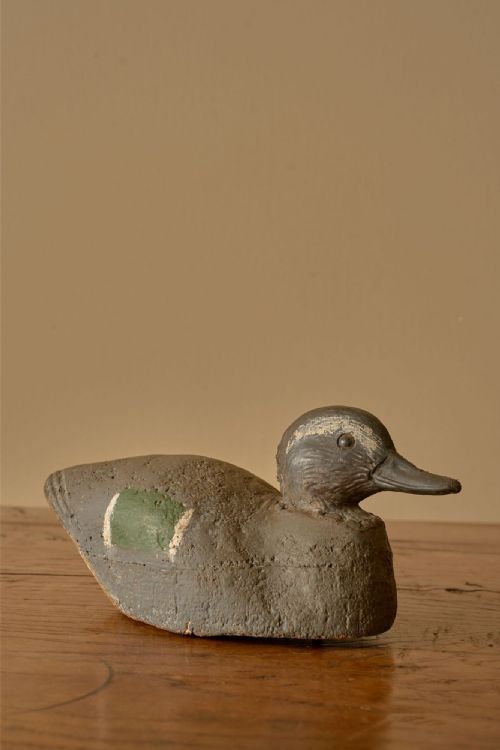
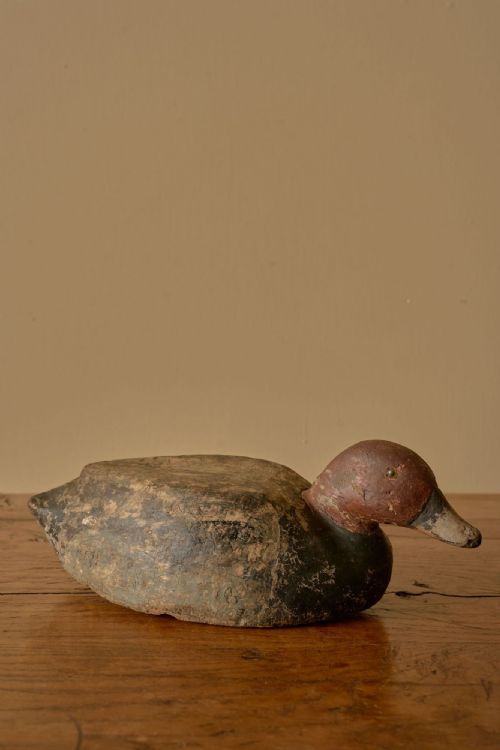
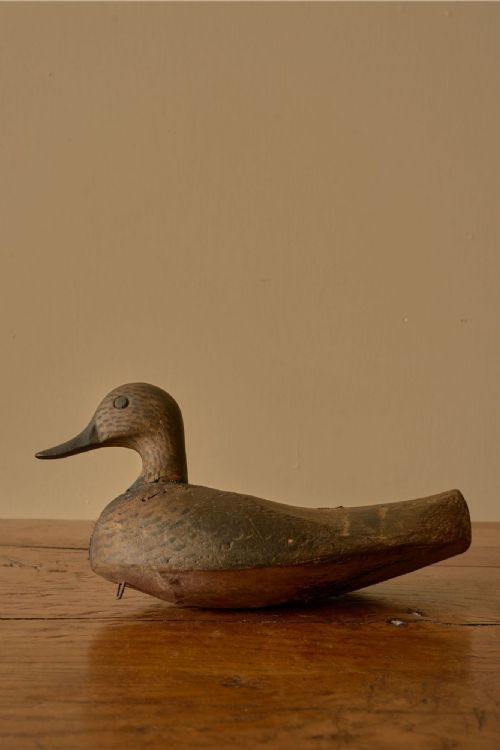
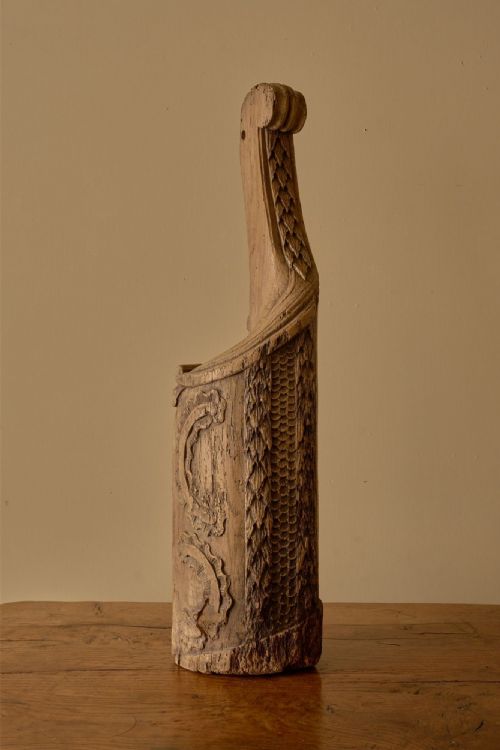
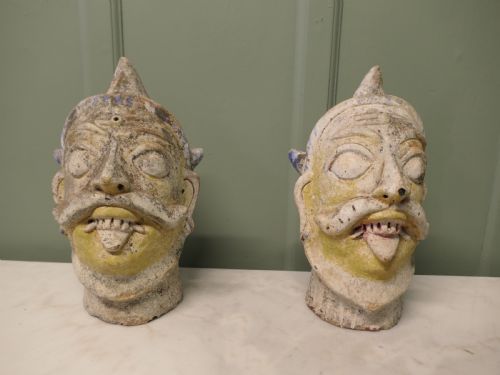
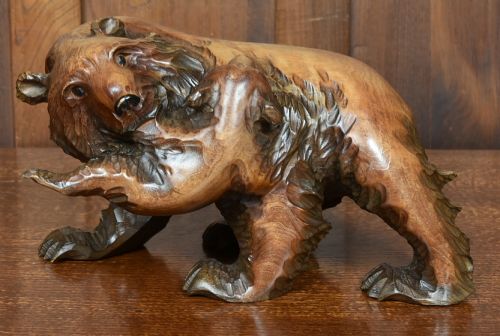
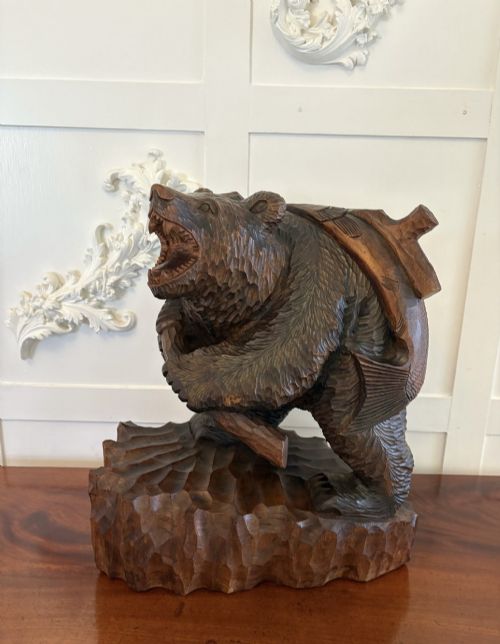
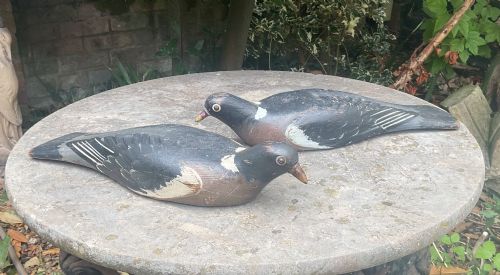
The pieces on this page lean heavily towards carved timber works, earthenware models and studio pottery figures. You will find items ranging from Japanese bear sculptures and European decoy animals to painted pottery figures and stone portrait busts.
Materials and construction methods
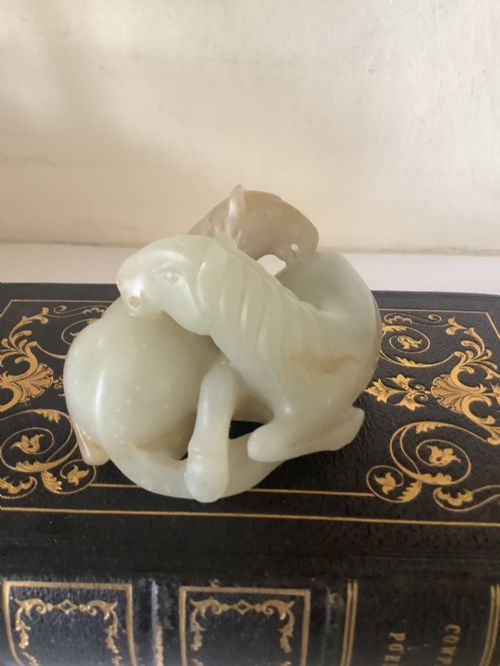
Clay works employ earthenware and terracotta, modelled by hand and fired before receiving painted surface decoration or glazes. Artisans also utilised soapstone and carved jade for regional sculptural forms.
Materials recorded across the inventory include carved hardwood, terracotta, enamel, jade, soapstone and painted earthenware.
Separating top tier items from standard pieces
Quality rests upon the confidence of the carving or modelling and the retention of original surface finishes. Direct hand tool work showing crisp execution distinguishes superior figural sculptures from repetitive commercial items.
The articulation of anatomical details and the personality captured in the facial expression elevate individual sculptures. Original paint layers that remain intact without extensive modern overpainting preserve the historical integrity of the piece.
Charles Vyse·George Henry Paulin
The Vintage Hand Sculpture Glossary
- Folk art
- Objects created by self-taught or traditional artisans outside academic fine art training. These pieces prioritize utilitarian or decorative impact over strict proportions.
- Decoy
- A carved or painted animal figure originally utilised in hunting to attract wildlife. They are valued today for their weathered surfaces and naive charm.
- Okimono
- A small Japanese decorative carving intended for display on a shelf or in a tokonoma alcove. They often depict animals, figures or mythical subjects.
- Earthenware
- Porous pottery fired at lower temperatures, commonly coated in an opaque glaze or painted. It forms the base material for many traditional figurines.
- Studio pottery
- Unique ceramic vessels and figures produced by individual artists working independently rather than in large industrial factories.
Vintage Hand Sculpture: Frequently Asked Questions
How do I clean carved wooden sculptures?
Dust wood sculptures gently with a dry microfibre cloth or a soft natural bristle brush. Avoid using water, household detergents or chemical polishes, as moisture damages aged timber and historic painted surfaces.
Keep wooden items away from direct sunlight and radiators to prevent the timber from drying out and splitting over time.
What is the difference between folk art and studio pieces?
Folk art sculptures are typically made by makers working within regional traditions without formal academic training. Their work emphasises expressive forms and straightforward materials.
Studio pieces emerge from known ceramicists or trained sculptors who sign their work and apply refined glazing or casting techniques.
How do I identify painted finishes on old wood?
Examine the surface under a magnifying glass to check for craquelure, pigment fading and wear consistent with age. Original paint sits thin on the timber and shows natural oxidation.
Modern repaint often appears flat, thick and uniform, concealing the texture of the wood grain beneath.
Where should I display pottery figures?
Place ceramic figures on stable, level surfaces away from heavy foot traffic where they might be knocked over. Ensure shelves are secure and support the full weight of denser terracotta pieces.
Position pottery away from damp areas like unheated rooms to protect the porous clay and any applied surface paint.