


Silver Metal Hand
These pieces under silver metal hand bring together cast white metals, beaten pewter, and inlaid vessels for the collector of decorative antiques.
Silver Metal Hand
When you search for silver metal hand, you encounter a diverse group of objects spanning decorative bowls, lanterns, boxes, and metalwork from various periods. These pieces range from nineteenth-century Islamic inlaid vessels to Arts and Crafts pewter items.
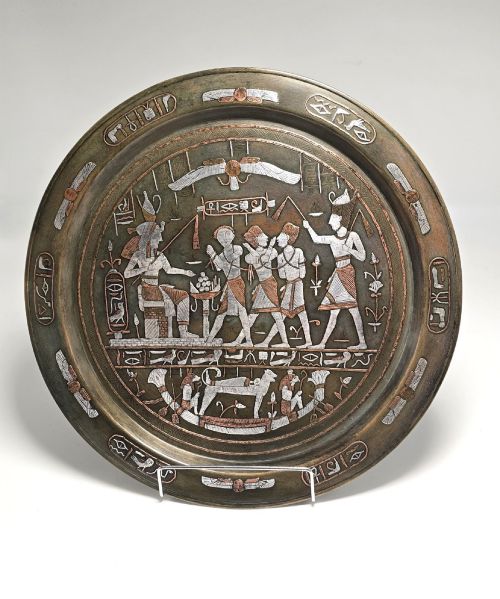
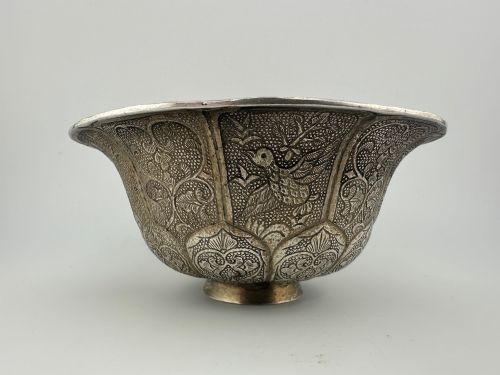
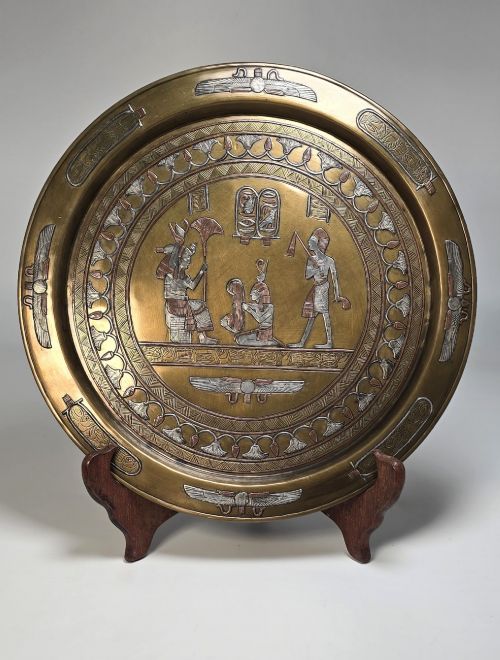
The selection includes items shaped by diverse regional traditions, such as Chinese export white metal bowls, Egyptian Grand Tour chargers, and Indian steel edged weapons. Each piece reflects the specific utilitarian or decorative purpose of its origin.
You will also find domestic items like pocket watches, mirrors, and glove moulds, demonstrating the wide application of metalworking techniques across different centuries and styles.
Materials and Techniques
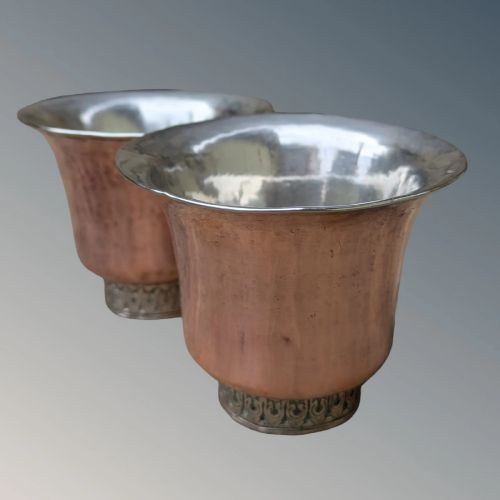
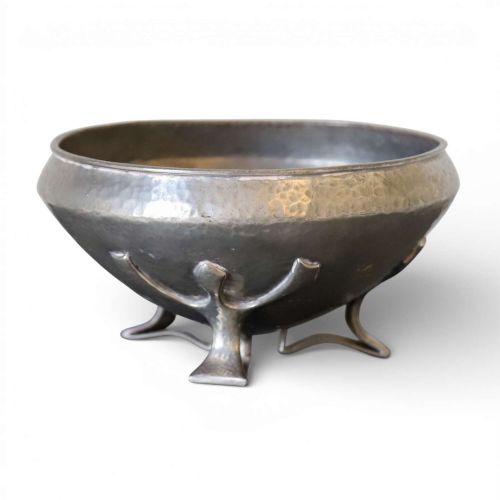
Many pieces utilise pewter, silver, copper, and brass, often combined with enamel or glass elements. Artisans employed hammering, beating, and riveting to shape vessels and boxes from base metals.
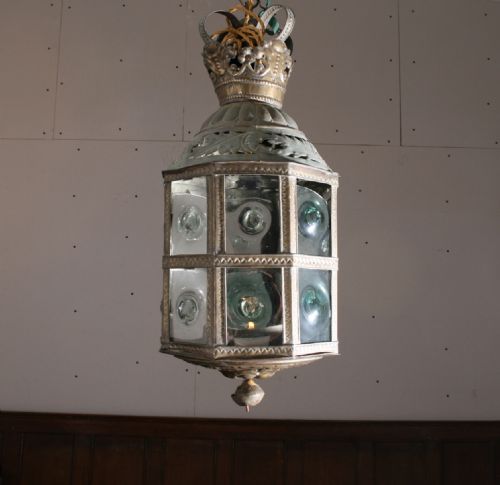
Casting and hand moulding created structural forms like lanterns, chandeliers, and glove moulds. Surfaces were frequently patinated, polished, or left with visible beaten marks characteristic of the Arts and Crafts movement.
Assessing Quality
Quality in these metal items rests upon the precision of the handwork and the integrity of the design. Finer pieces display crisp, deliberate beating, secure riveting, and well-executed inlay without awkward gaps.
The integration of decorative elements, such as enamel panels or hand-blown glass, distinguishes superior items. Workshop attribution and stylistic consistency, particularly within Arts and Crafts productions, elevate the standing of a piece.
Liberty and Co·Oliver Baker·Archibald Knox
The Silver Metal Hand Glossary
- Pewter
- A malleable metal alloy consisting primarily of tin, often combined with copper and antimony. It was widely utilised during the Arts and Crafts movement for domestic vessels and decorative objects.
- Cloisonné
- An ancient technique for decorating metalwork objects with colourful materials held in place by thin metal strips. These compartments are filled with enamel before firing.
- Patinated
- A surface appearance altered by age, oxidation, or chemical treatment. This process deepens the colour and enhances the texture of metals like copper and bronze.
- Grand Tour
- A cultural excursion undertaken by wealthy Europeans in the eighteenth and nineteenth centuries. Souvenirs acquired on these journeys often included local metalwork and antiquities.
- White metal
- Any of various cheap white-coloured metal alloys used as a base for plating or as a material for ornaments. It includes metals like pewter, aluminium, and various nickel alloys.
Silver Metal Hand: Frequently Asked Questions
What periods do these metal items come from?
The pieces span from the eighteenth century through the nineteenth and twentieth centuries. Many examples reflect specific revival styles popular during the Victorian and Edwardian eras.
Collector interest often centres on items produced during the Arts and Crafts movement around nineteen hundred, alongside earlier Middle Eastern and Asian metalwork.
How were these decorative bowls and boxes used?
Vessels such as wash bowls and chargers served both functional and display purposes in domestic interiors. Boxes and caskets held personal valuables or documents.
Many pieces were designed primarily as decorative ornaments for display on tables, walls, or within specialised collections.
How do I identify Arts and Crafts pewter?
Arts and Crafts pewter items often display visible hammer marks from the beating process. They frequently incorporate Celtic revival motifs, stylized foliage, or enamel inserts.
Pieces produced by major retailers or specific designers may carry stamped maker marks or model numbers on the base.
What is Islamic inlaid metalwork?
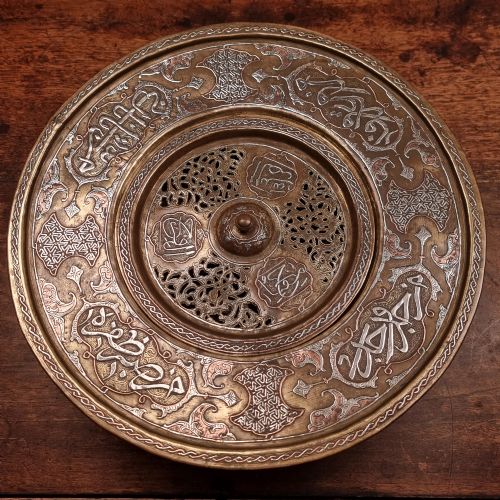
Islamic inlaid metalwork involves hammering fine silver or gold wire and plates into recessed channels on copper, brass, or bronze surfaces. This technique creates intricate geometric and floral patterns.
Examples range from wash bowls to chargers, reflecting centuries of skilled metalworking traditions across the Middle East.