


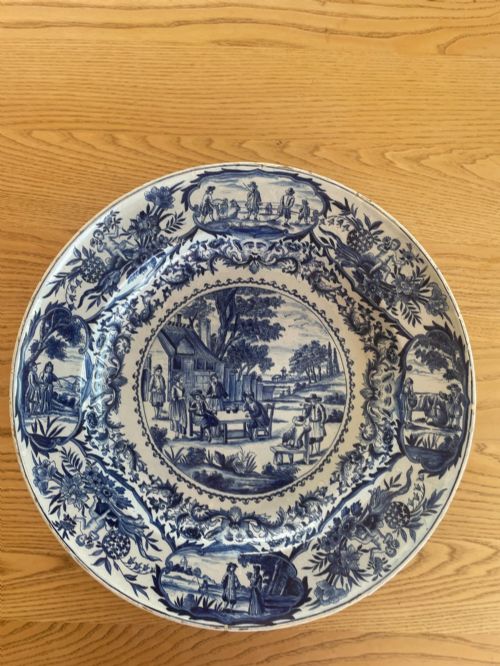
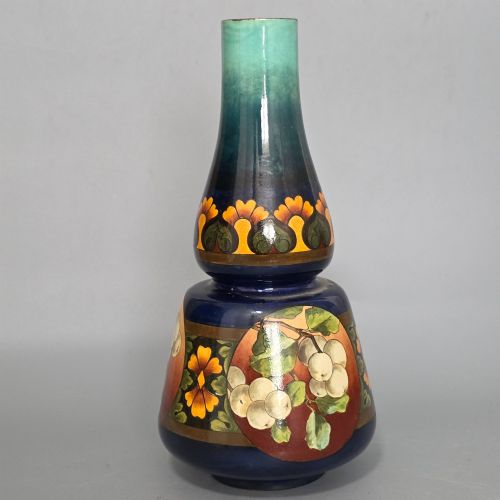
Vintage Hand Painted Earthenware
These pieces of vintage hand painted earthenware bring colour and character to a room through centuries of traditional ceramic decoration.
Vintage Hand Painted Earthenware
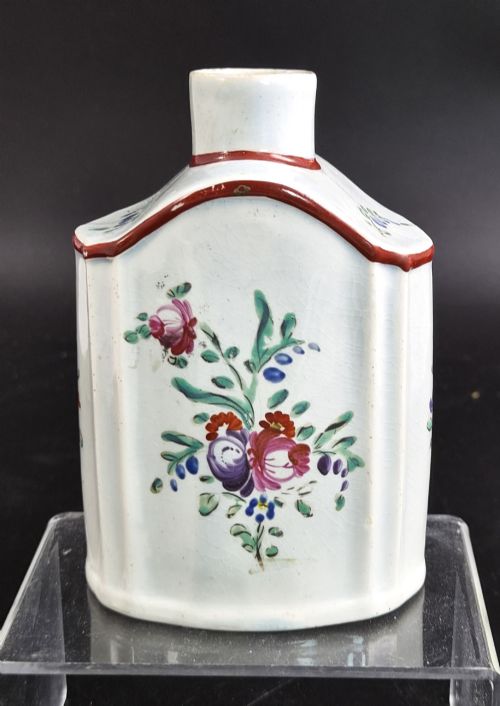
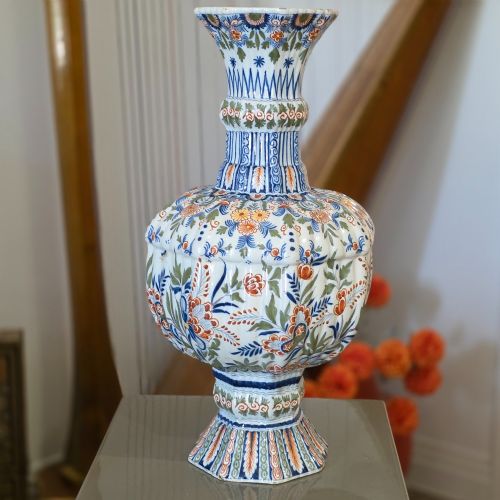
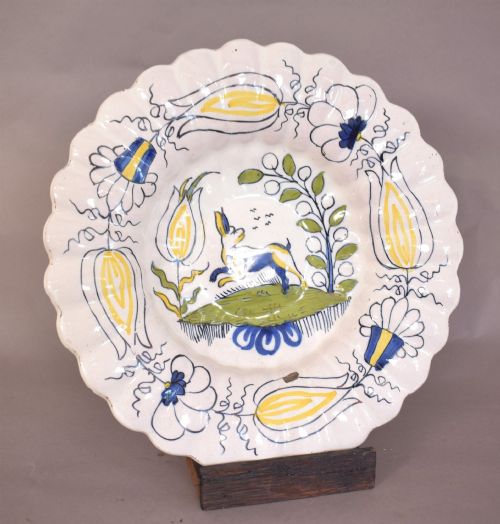
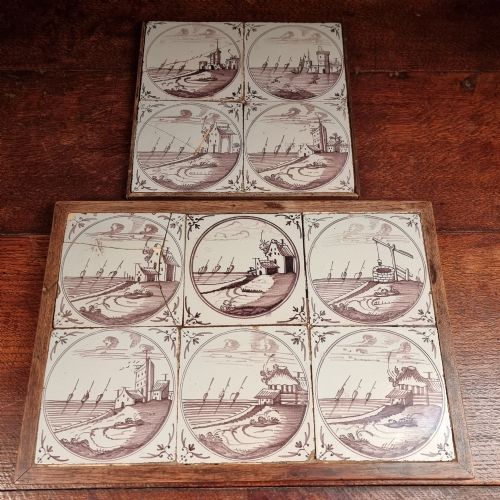
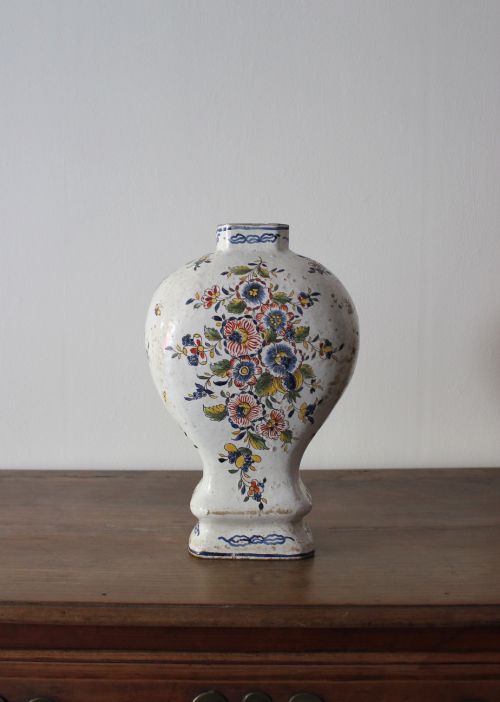
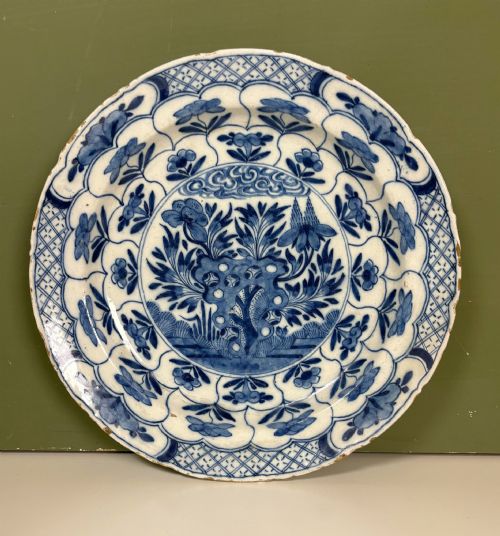
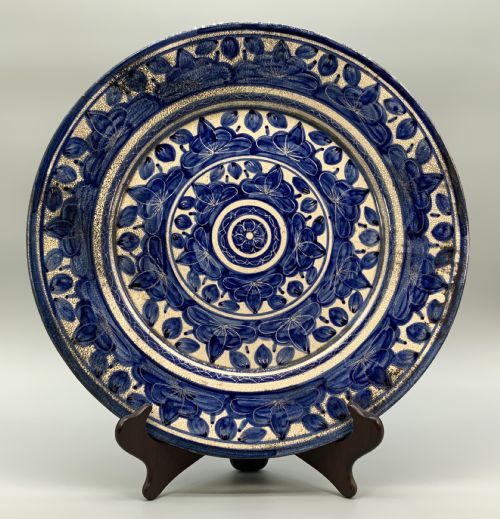
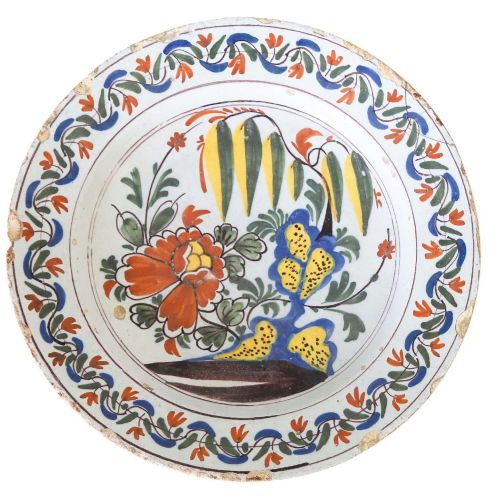
When searching for vintage hand painted earthenware, collectors encounter a diverse range of decorative items, from 17th century Dutch vessels and 18th century chargers to Victorian jugs and 1930s studio pottery. The selection includes vases, decorative plates, tiles, bowls, figurines, and tableware.
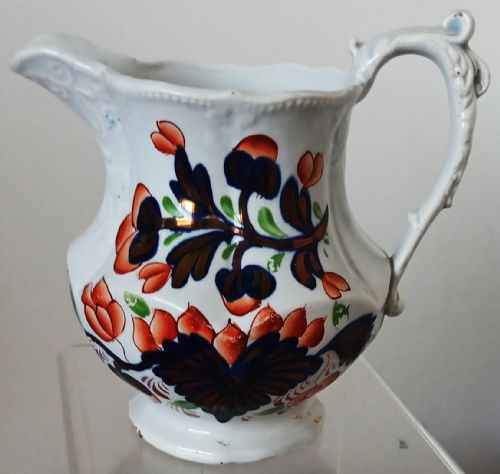
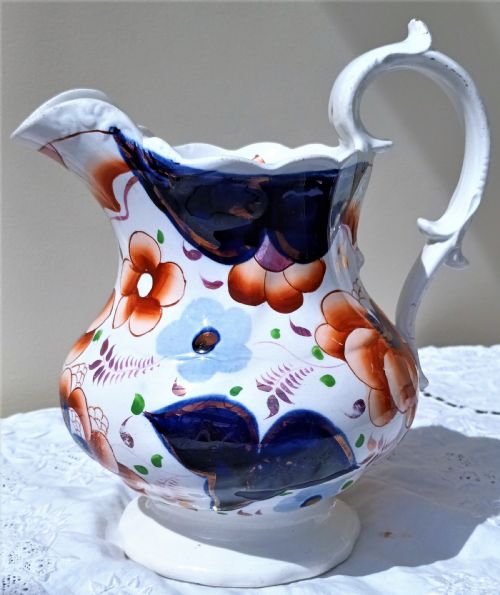
Continental faience and English Delftware appear frequently among the listings, alongside French Quimper pieces and Japanese Satsuma ceramics. Domestic production is represented by Gaudy Welsh pottery and studio figurines.
The forms span utilitarian items adapted for display, such as pitchers and sauceboats, alongside purely decorative chargers and snuff boxes.
How They Were Made
Potters shaped native clay into ceramic bodies before applying tin glazes or enamel coatings to provide a smooth ground for decoration. Artisans then hand-painted pigments directly onto the prepared surface.
Certain wares received gold leaf accents or polychrome designs fired at high temperatures to set the colours permanently into the glaze.
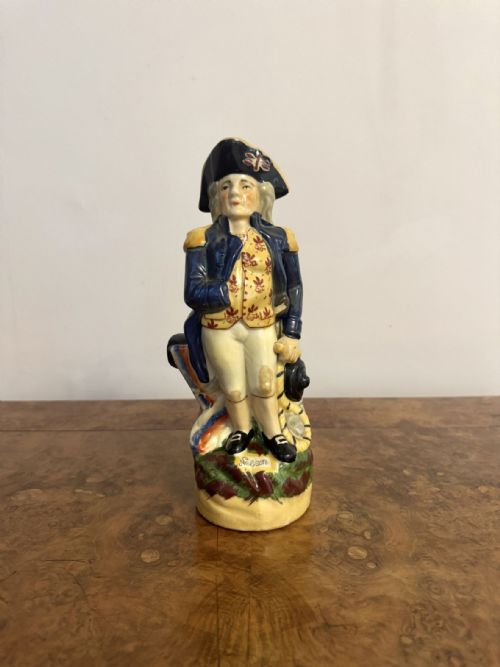
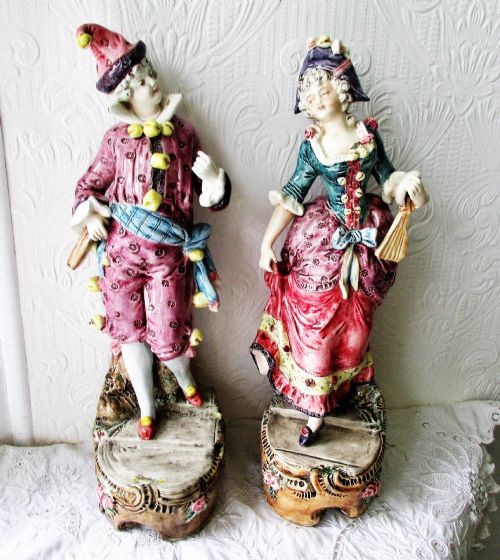
Several figurines on offer depict specific historical personalities alongside whimsical ceramic characters.
What Varies in Quality
The distinction between standard items and exceptional pieces lies in the precision and fluidity of the brushwork. Master painters achieved greater depth and definition in floral, figural, and geometric motifs.
The richness of the glaze and the complexity of the polychrome palette also determine the standing of an individual piece within its period.
Koshida·Alice Euphemia Thatcher·Charles Vyse·Mann Co·Shizan
The Vintage Hand Painted Earthenware Glossary
- Earthenware
- A porous pottery body fired at lower temperatures than stoneware or porcelain. It requires a glaze to become impermeable to liquids.
- Delftware
- Tin-glazed earthenware produced in the Netherlands and England, traditionally decorated in blue and white or polychrome palettes. It dates back several centuries.
- Charger
- A large decorative plate intended for display on a wall or sideboard rather than for dining use. Many historical examples feature hand-painted historical or floral scenes.
- Toby Jug
- A pottery jug shaped as a seated person, typically a robust figure holding a mug of beer and a pipe. They emerged strongly in the 18th and 19th centuries.
Vintage Hand Painted Earthenware: Frequently Asked Questions
How do I clean antique earthenware?
Dust these items gently with a dry, soft cloth to protect the hand-painted surface.
Avoid immersion in water or chemical cleaning agents, particularly on pieces with visible glaze crazing.
Can I use these plates for food?
Most antique earthenware is intended for display rather than daily dining use.
Older glazes may contain components unsuitable for modern food contact.
How do I date tin-glazed earthenware?
Examine the composition of the ceramic body and the characteristics of the glaze on the underside.
Changes in painting style and colour palettes across the 17th, 18th, and 19th centuries offer reliable chronological clues.
Where were Quimper items made?
Quimper pottery originates from the town of Quimper in Brittany, France.
Local workshops produced distinct hand-painted earthenware featuring regional costume figures and floral borders.