
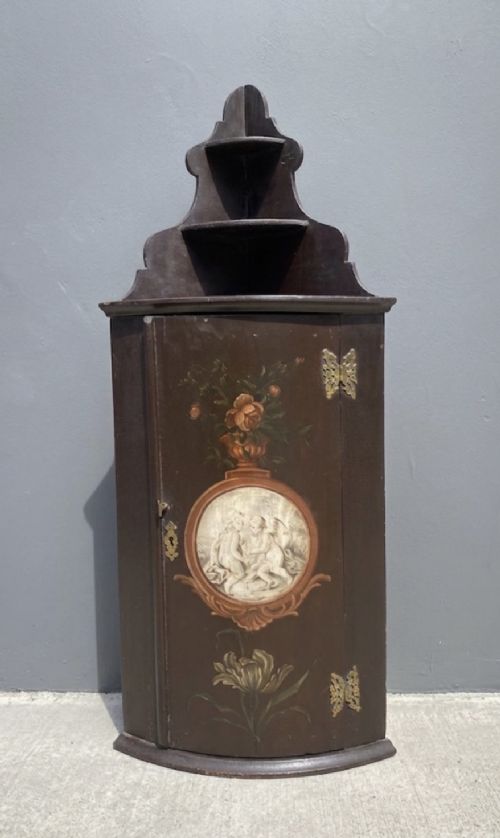


Vintage Hand Painted Cupboard
A vintage hand painted cupboard brings narrative colour and pigment to a room, using brushwork and lacquer to turn plain storage into a focal point.
Vintage Hand Painted Cupboard
A vintage hand painted cupboard spans utilitarian kitchen larders to formal cocktail cabinets and corner cupboards. These pieces arrive from various origins, taking the form of Gustavian storage, Italian wardrobes, and compact side cabinets.
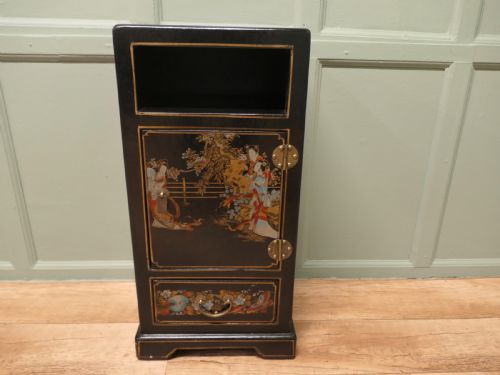
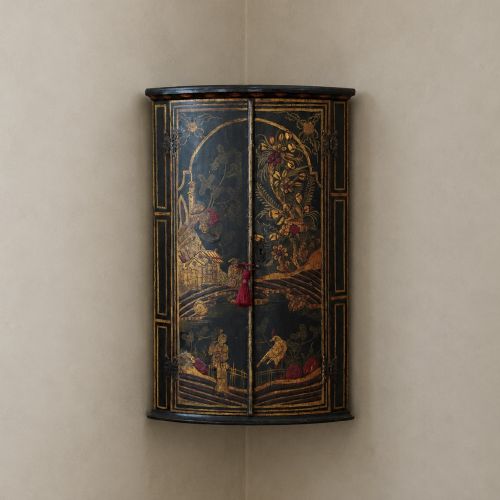
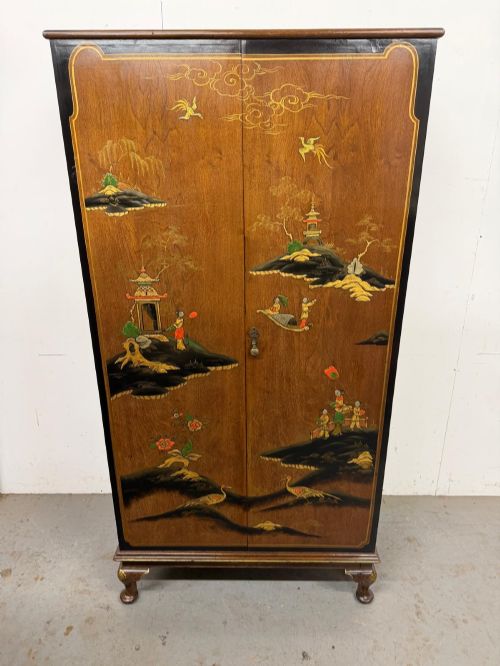
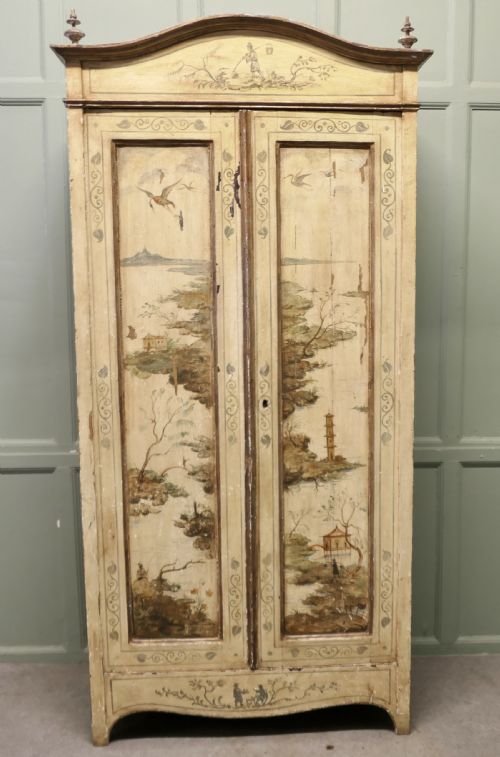
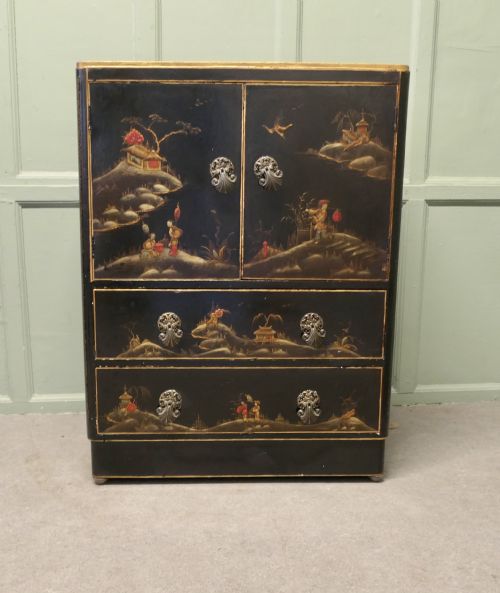
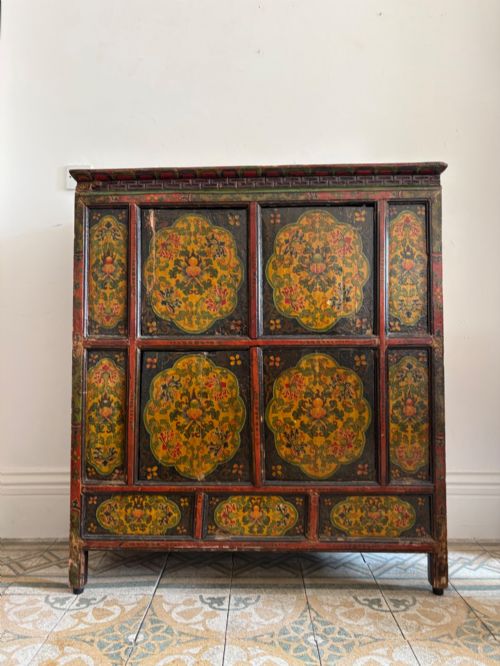
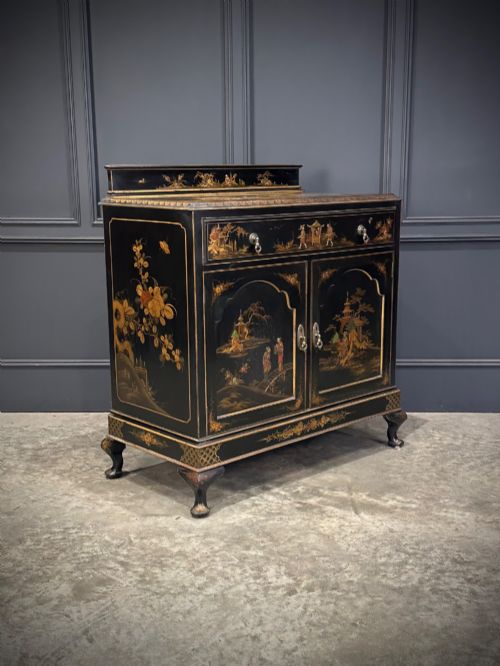
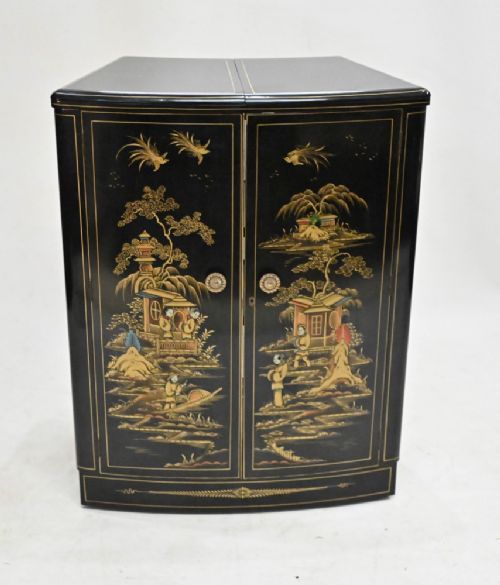
The selection on this page relies heavily on Chinoiserie lacquer and 19th-century pine foundations. Buyers encounter corner cupboards, bow fronts, and tall shelved cabinets bearing floral motifs or outdoor scenes.
Materials and Technique
Carpenters constructed the carcases using pine, satinwood, mahogany, and kingwood, adding brass hardware, iron fittings, and marble tops to specific commodes. Artisans then applied layers of paint, lacquer, or japanning directly to the wood surface.
Decoration relied on polychrome pigments and hand-painted details, often depicting figures, outdoor scenes, and floral arrangements. Workshops utilised specialised varnishes to seal the painted finishes and protect the timber beneath.
A tiny doll's chair dated 1796 proves that miniature woodworking was serious business long before modern cabinets arrived.
Assessing Craftsmanship
Quality rests in the precision of the joinery and the depth of the painted surface. Superior examples display crisp brushwork, balanced composition in the pictorial scenes, and substantial timber construction without excessive warping.
The integrity of the original paint layer dictates the standing of a piece. Skilled execution in the Chinoiserie or Vernis Martin style elevates the work, distinguishing master decorator output from utilitarian domestic repainting.
Melissa White
The Vintage Hand Painted Cupboard Glossary
- Chinoiserie
- European imitation of Chinese and East Asian artistic traditions, frequently featuring figures, pagodas, and landscapes rendered in gold and black lacquer.
- Japanning
- A type of European varnish and decoration that imitated Japanese lacquerware, built up in multiple layers and cured with heat.
- Demi-lune
- A half-moon shape characteristic of commodes and side cabinets designed to sit flush against a wall.
- Vernis Martin
- A type of simulated Japanese lacquer developed by the Martin brothers in 18th-century France, known for its translucent and luminous finish.
- Gustavian
- The Swedish interpretation of French neoclassical style, lighter in proportion and often painted in pale greys, whites, or blues.
Vintage Hand Painted Cupboard: Frequently Asked Questions
Where should I place a painted cupboard?
These cabinets work effectively in hallways, dining rooms, or living spaces where their surface decoration can serve as a visual anchor. Position them away from direct sunlight to preserve the integrity of the paint and lacquer layers.
Ensure the room maintains stable humidity levels to protect the underlying timber and prevent the decorative panels from cracking or lifting over time.
How do I clean a hand painted surface?
Dust the exterior gently with a soft, dry microfibre cloth to remove everyday particles. Avoid chemical polishes, abrasive sprays, or excessive water, which can damage aged varnish and pigment.
Consult a professional restorer if the surface accumulates stubborn grime or shows signs of flaking, as amateur cleaning attempts can permanently remove historic paint.
What is the difference between lacquer and paint?
Paint consists of pigment suspended in a liquid medium that dries to form an opaque or coloured film on the wood. Lacquer involves sap or synthetic resins applied in thin, polished coats that build a hard, glossy shell.
Many antique cupboards combine both techniques, using a painted ground beneath clear protective varnishes or raised japanned decorations.
How can I date a painted cupboard?
Examine the construction methods of the carcase, including dovetails, backboards, and hinge types, which reveal the era of manufacture. Secondary woods and tool marks often provide reliable clues alongside the style of the decoration.
Paint analysis and stylistic markers, such as Art Deco geometries or 18th-century proportions, help narrow down the period when combined with the overall hardware and form.