
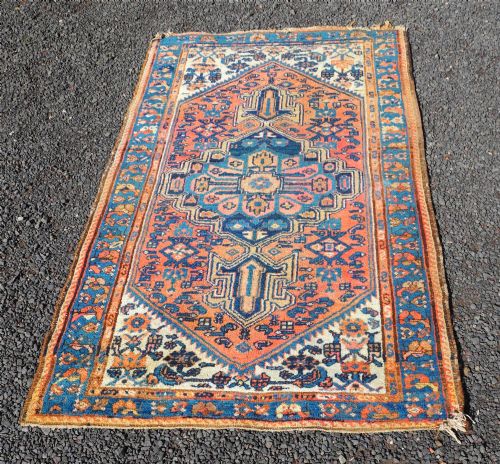
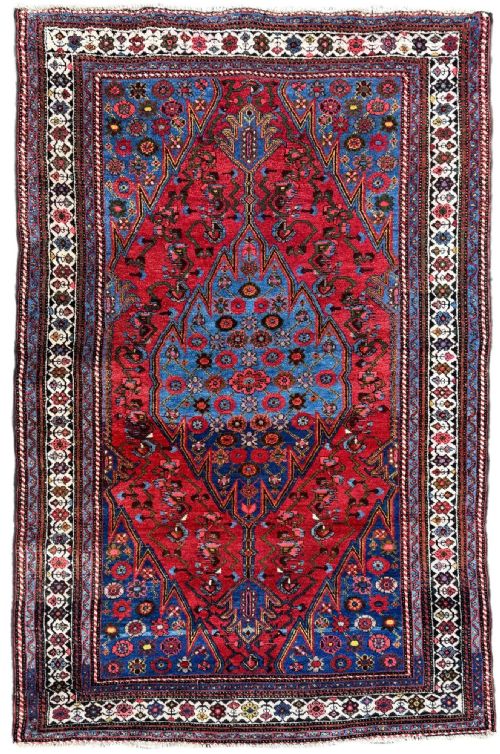
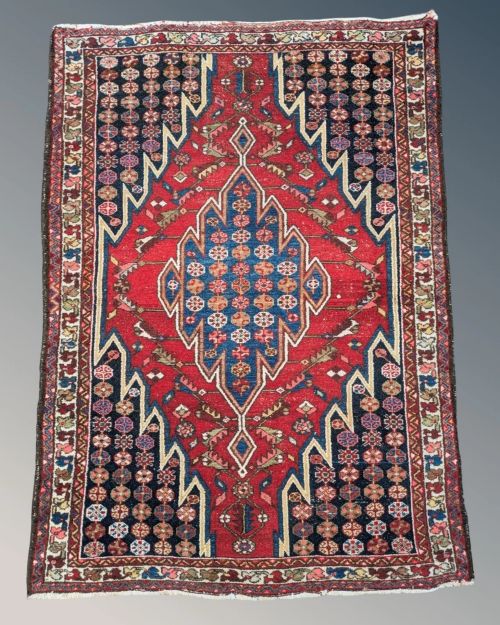
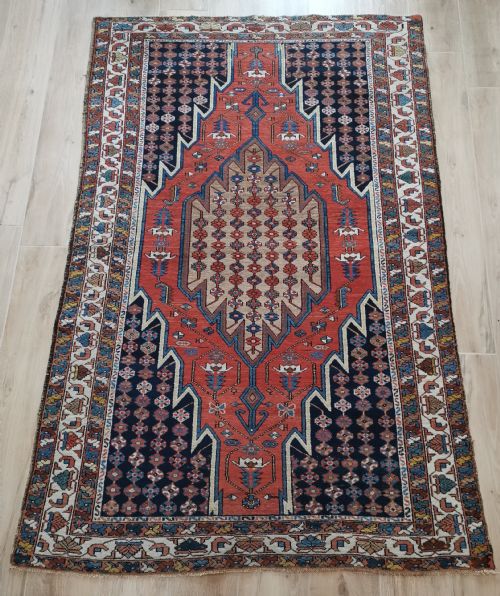


Vintage Hamadan Wool Carpet
A vintage hamadan wool carpet brings durable West Persian village weaving into a room, offering geometric patterns and rich natural structures.
Vintage Hamadan Wool Carpet
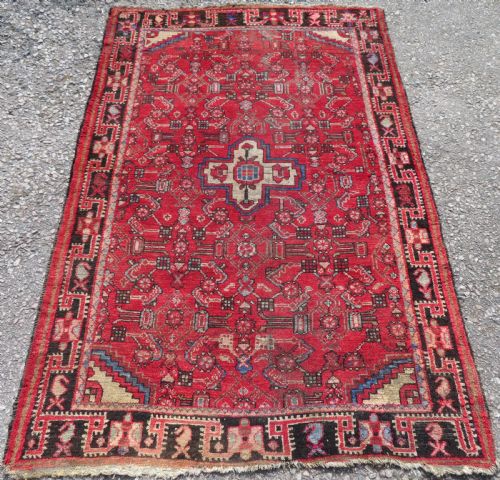
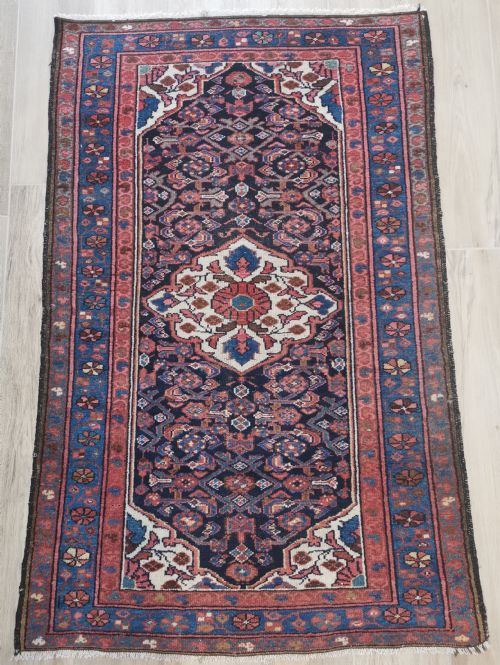
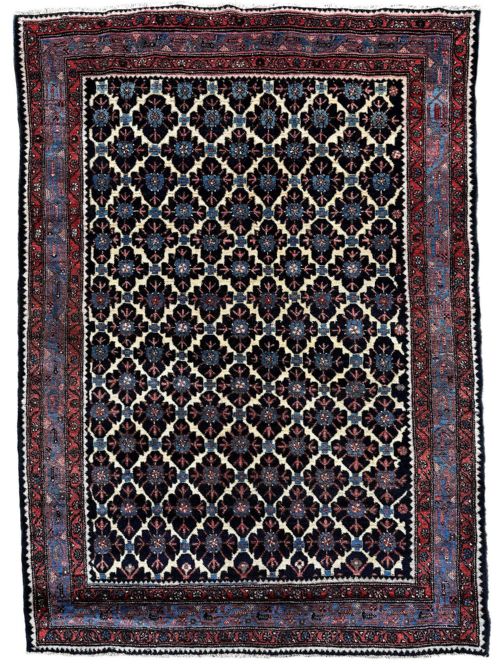
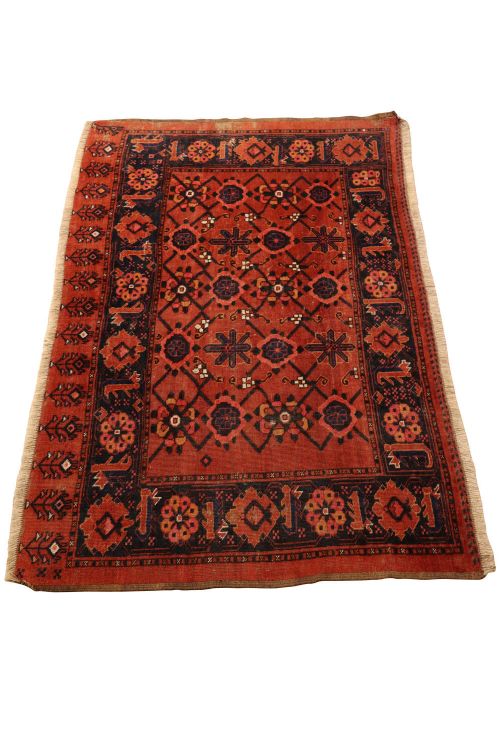
A vintage hamadan wool carpet is a hand-knotted floor covering originating from the West Persian region of Hamadan and its surrounding villages, including Mazlaghan, Malayer, and Borodjert. These pieces encompass various practical formats, from compact area rugs to long hallway runners and large kelleh carpets.
The pieces available span several decades of village production, with examples recorded from the late nineteenth century through the mid-twentieth century. Buyers encounter both traditional tribal designs and pieces woven by Kurdish weavers within the broader Hamadan region, reflecting distinct local traditions.
How They Were Made
These floor coverings are hand-knotted utilising sturdy wool pile secured on cotton foundations, providing the dense structure necessary for everyday domestic use. Village workshops and nomadic weavers relied on local materials to produce resilient floor coverings designed for heavy foot traffic.
The construction incorporates traditional hand-knotting techniques characteristic of West Persian village production, resulting in thick piles and robust formats like narrow runners and large carpets.
Object types vary from small area rugs to paired narrow runners and large kelleh carpets originating from West Persian villages.
What Varies in Quality
The distinction between examples rests on the fineness of the knotting, the complexity of the regional village design, and the integrity of the wool pile. Carpets with denser knots and well-preserved structures represent the finer end of village production.
Condition and scale also define the hierarchy, as large carpets and long runners require substantial labour and intact foundations, while surface wear reflects the history of each individual floor covering.
The Vintage Hamadan Wool Carpet Glossary
- Hamadan
- A major trading hub in West Persia where carpets and rugs from surrounding villages are gathered for market. The term also designates the distinct styles of village and tribal weaving produced in the region.
- Kelleh
- A large rectangular carpet format, longer than it is wide, traditionally suited for use in spacious reception rooms. These substantial pieces provide significant floor coverage.
- Runner
- A long, narrow carpet format designed specifically for hallways, corridors, and narrow spaces. Runners often measure several metres in length relative to their width.
- Mazlaghan
- A specific village type associated with the Hamadan region, known for distinctive geometric layouts and regional coloration. These rugs form a recognised subset of West Persian weaving.
- Hand-knotted
- A construction method where individual strands of wool are tied by hand to the warp and weft threads of the foundation. This technique creates a durable pile essential for traditional carpets.
Vintage Hamadan Wool Carpet: Frequently Asked Questions
Where were these carpets made?
These floor coverings originate from Hamadan and surrounding West Persian villages such as Borodjert and Mazlaghan.
Local weavers produced them using traditional hand-knotting methods passed down through generations.
How do I choose the right size?
Consider the dimensions of your room, noting that narrow runners suit hallways while larger formats fit principal living spaces.
Dimensions in listings range from compact area rugs to extended runners exceeding four metres in length.
What materials are used?
The listings record wool pile construction supported by cotton foundations for structural strength.
This combination provides the durable surface characteristic of traditional Persian village weaving.
How do I care for a wool carpet?
Regular gentle vacuuming without a rotating brush helps maintain the thick wool pile over time.
Professional cleaning suited for antique textiles preserves the natural fibres and structural integrity.