


Vintage Hall Cupboard
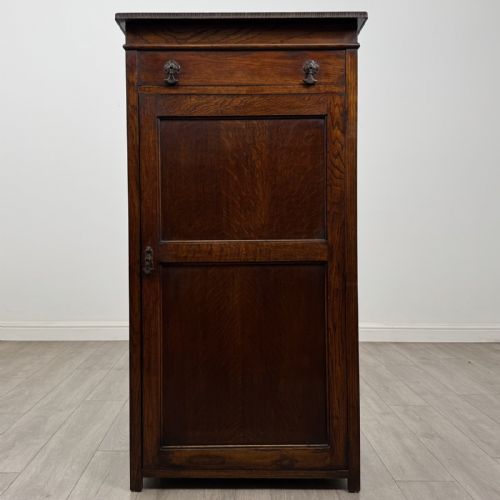
A vintage hall cupboard solves the perpetual problem of narrow entryways by offering discreet vertical storage for coats and boots.
Vintage Hall Cupboard
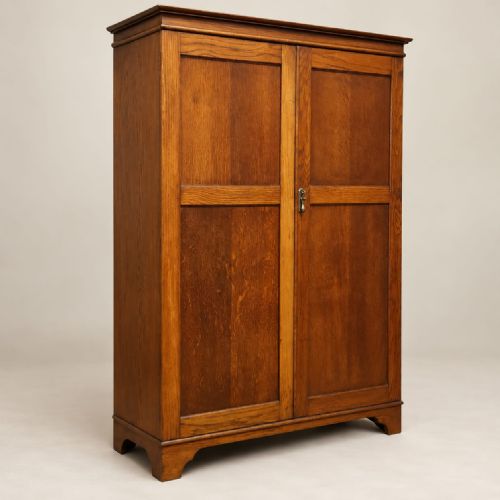
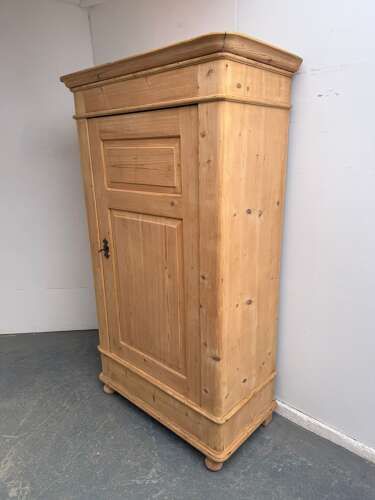
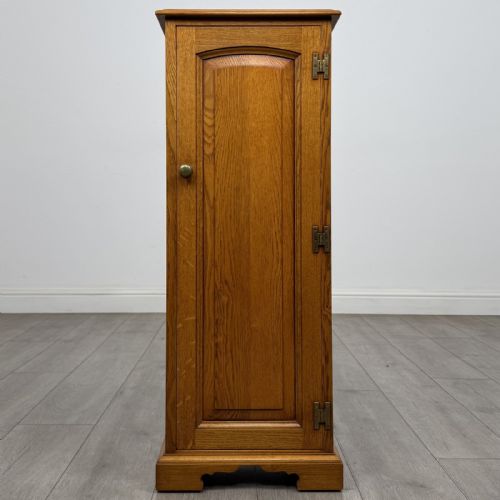
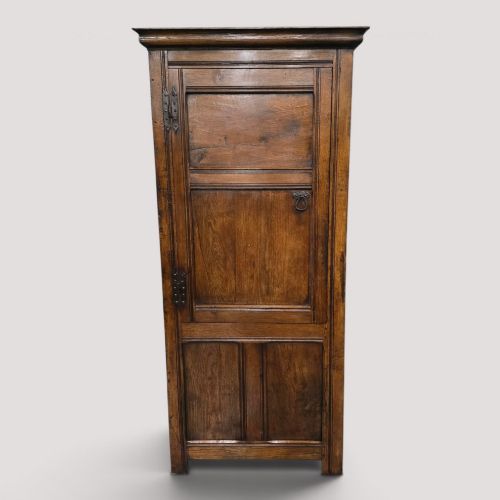
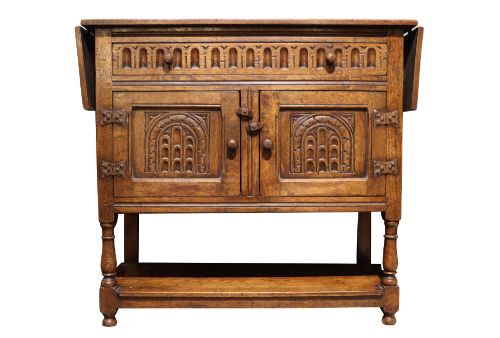
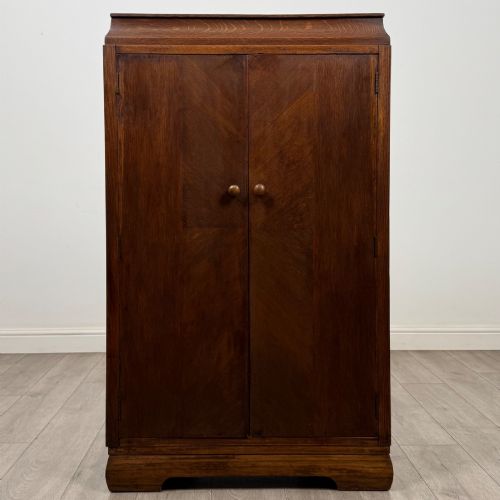
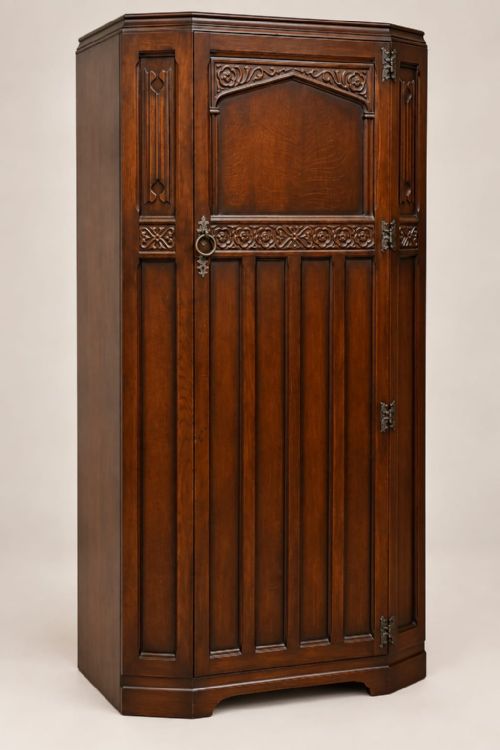
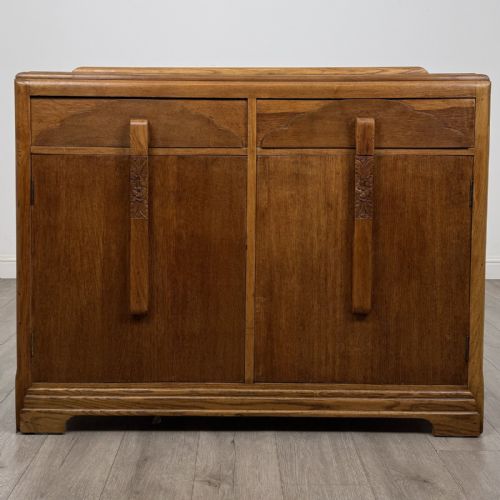
A vintage hall cupboard is a practical storage piece designed to keep entryways orderly by concealing outerwear and everyday items. The selection spans compact single-door wardrobes, narrow side cabinets, and architectural cupboards dating from the Georgian and Victorian eras through the Edwardian period and the 1920s.
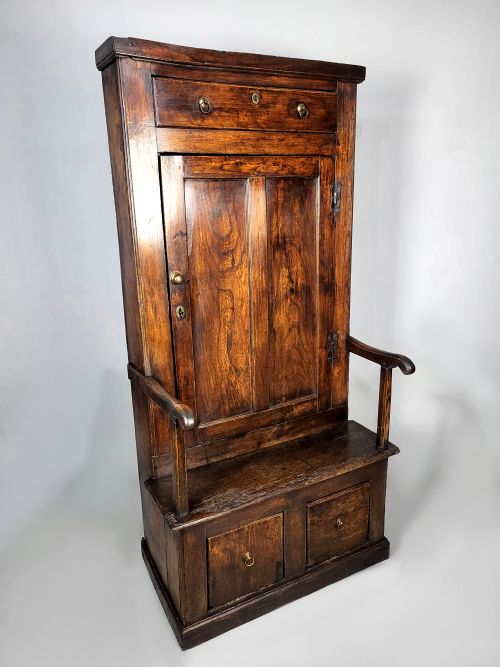
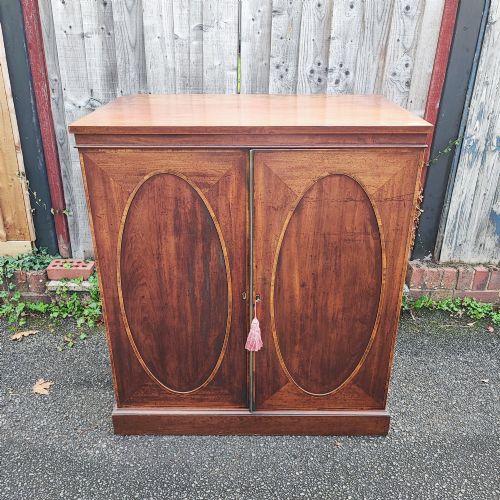
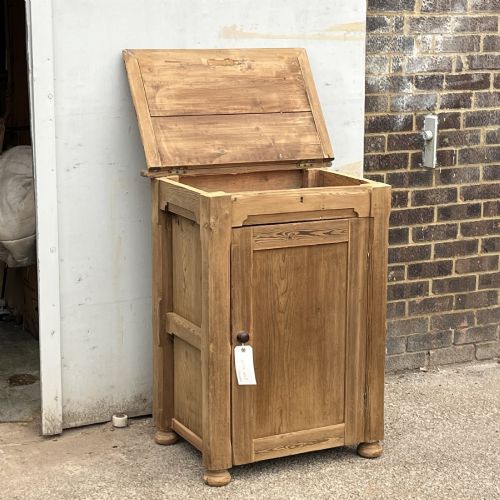
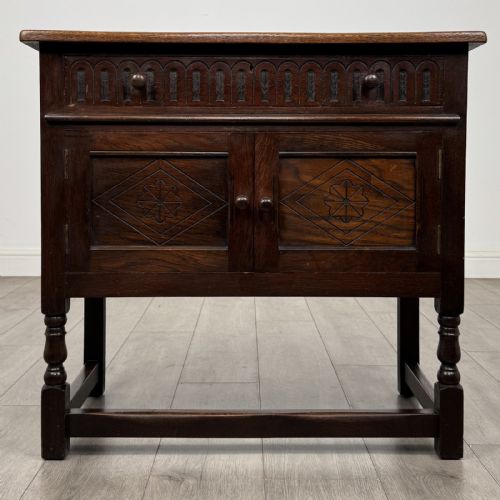
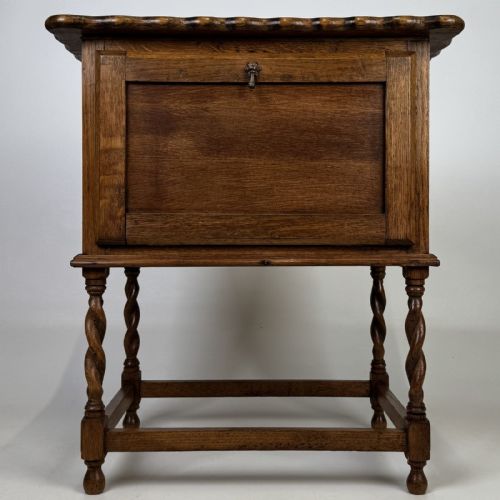
Buyers most frequently encounter solid oak and pine examples from the early twentieth century, alongside heavier mahogany pieces from the nineteenth century. These forms vary from simple panelled storage cupboards to more decorative iterations featuring carved details, raised galleries, and turned legs.
Origins stretch across English country workshops to continental European makers, resulting in pieces finished in natural wax, deep mahogany stain, or decorative paint. Such diversity ensures that whether the requirement is a small wardrobe or a low side cabinet, a suitable proportion exists for period and modern hallways alike.
Materials and construction methods
Carpenters relied heavily on solid oak and pine for utility pieces, utilising tongue and groove panelling and pegged joints to withstand daily use in busy hallways. Mahogany appeared more frequently in formal Georgian and Victorian commissions, often fashioned into slender sideboards or wardrobes with brass hardware and fitted interior drawers.
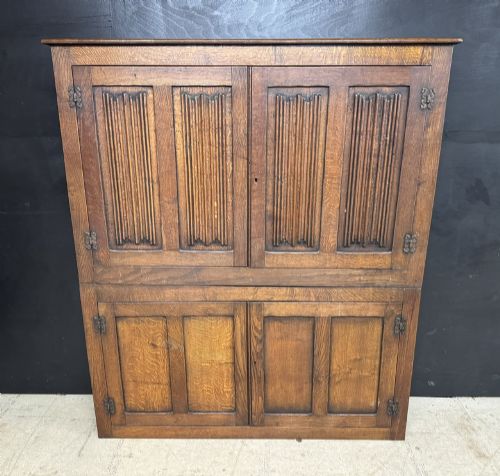
Decorative flourishes involved hand-carved motifs, linen fold panels, and applied mouldings, while turned supports and barley twist legs raised the bodies off cold flagstone floors. Surfaces were finished simply with traditional wax or layered with dark stains to emulate richer timbers, leaving tactile grain patterns visible across the doors and lids.
Vintage Hall Cupboard Retail Price Guide 2026
Typical asking prices for vintage hall cupboard among the pieces listed under this phrase on Sellingantiques today, from the lower quarter to the upper quarter. They describe what is for sale here now, not the wider market.
Distinctions in construction and character
Quality rests primarily in the integrity of the timber selection and the restraint of the joinery rather than ornate decoration. Superior examples employ heavy solid oak or dense mahogany with tight growth rings, ensuring doors hang true on their original brass hinges without sagging over time.
The refinement of secondary details separates utilitarian workshop pieces from finer domestic furniture. Cleanly cut dovetails inside drawers, well-proportioned cornices, and crisp hand-carved detailing indicate a maker who balanced structural longevity with aesthetic proportion.
Denby and Spinks
The Vintage Hall Cupboard Glossary
- Gallery
- A raised wooden border surrounding the top surface of a cabinet or sideboard. This feature prevents small objects from sliding off the edge.
- Livery cupboard
- An antique term for a standing cupboard used originally for storing provisions or clothing. In a hallway context, it functions as a deep storage unit for bulky garments.
- Fielded panel
- A wooden panel with bevelled edges set within a thicker frame. This traditional method accommodates the natural expansion and contraction of timber.
- Chiffonier
- A compact sideboard developed in the Regency and Victorian periods. It typically combines a lower enclosed cupboard with an upper shelf or raised back.
- Linen fold
- A carved wooden motif resembling folded fabric, popular in revivalist furniture styles. It adds texture and architectural depth to plain cupboard doors.
Vintage Hall Cupboard: Frequently Asked Questions
Will a hall cupboard fit in a narrow entrance?
Many surviving examples were built with shallow depths specifically for compact transitional spaces like corridors and vestibules. Single-door wardrobes and slim side cabinets provide vertical storage without obstructing movement.
Measuring the clearance of the doorway and the swing of the single door ensures the piece operates comfortably within a restricted floor plan.
How do I distinguish Edwardian pieces from Victorian ones?
Victorian cupboards tend to use heavier timbers like dark mahogany and pine, often displaying robust proportions and restrained mouldings. Edwardian versions frequently lighter the palette with golden oak, sometimes incorporating decorative Arts and Crafts influences or brighter stained finishes.
Hardware also offers a clue, as Victorian brasses are generally heavier and more utilitarian, while Edwardian examples often experiment with slender turned legs and raised galleries.
Can these cupboards hold heavy winter coats?
Solid oak and pine pieces constructed with pegged joints and sturdy internal hanging rails or hooks easily support heavy outerwear. The internal depth of individual cabinets determines whether coats hang facing forward or sideways.
Inspecting the interior structure reveals whether the original hooks or rails remain intact and capable of bearing sustained weight.
How should I care for antique waxed wood?
Maintaining the finish requires applying a traditional beeswax polish sparingly and buffing with a soft cloth to preserve the natural lustre of the grain. Avoiding direct sunlight and sustained moisture prevents the antique timber from drying out or warping.
Regular dusting with a dry cloth keeps the surface clean without stripping the historic patina built up over decades of use.