


Vintage Guilloche Pin
A vintage guilloche pin brings vibrant machine-turned patterning beneath translucent enamel, offering a distinctive touch of mid-century and early twentieth-century design.
Vintage Guilloche Pin
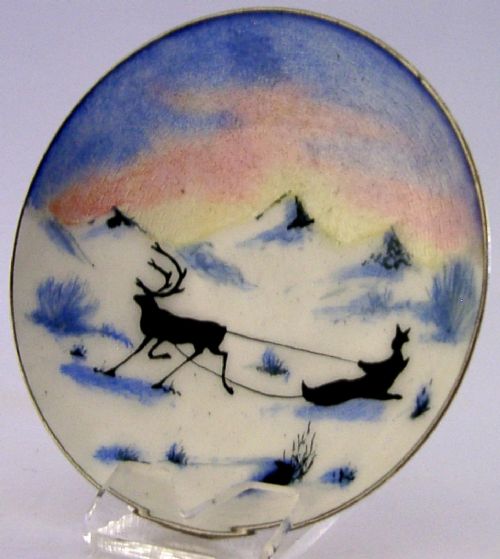
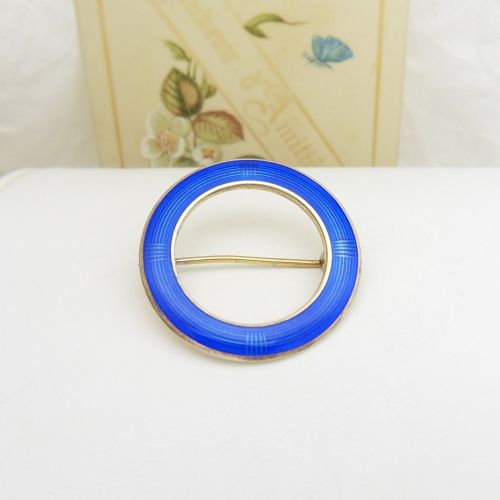
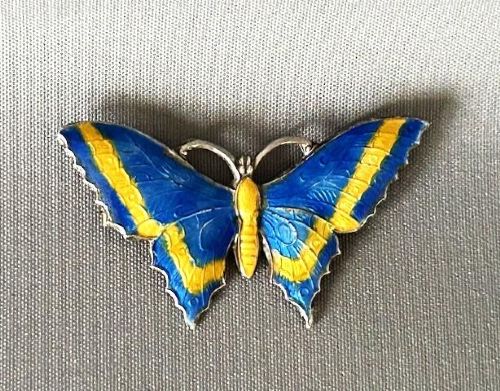
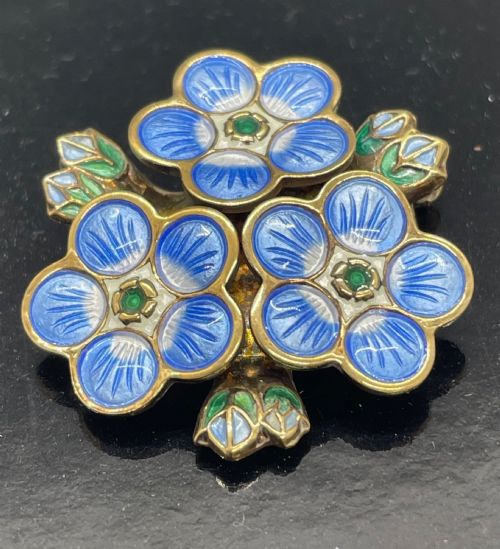
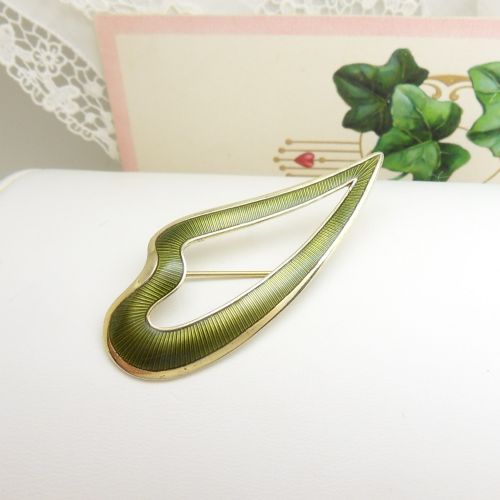
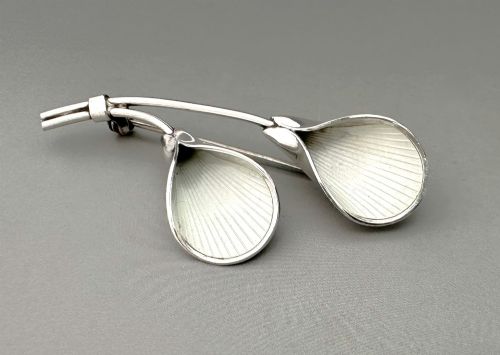
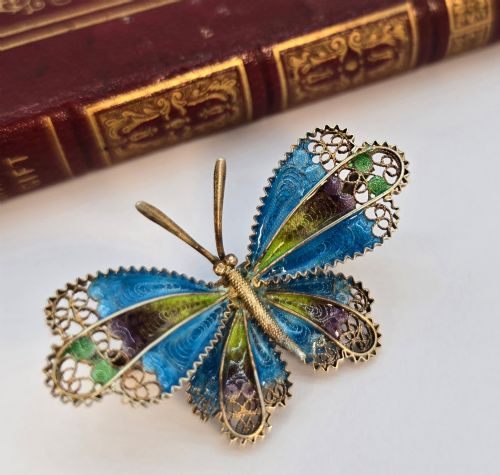
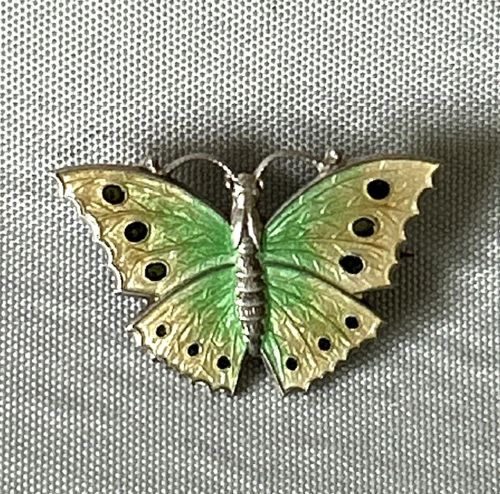
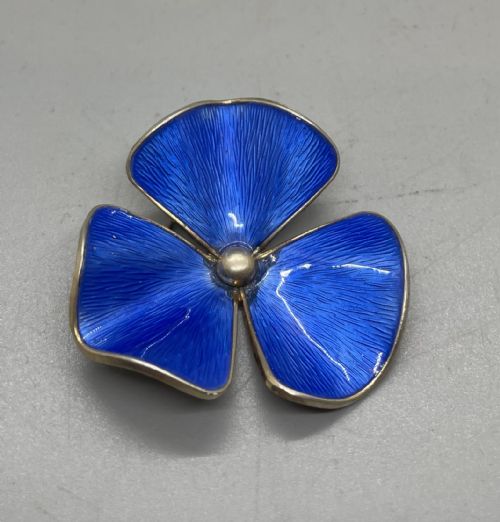
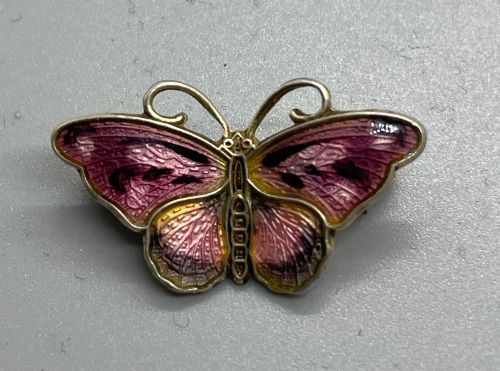
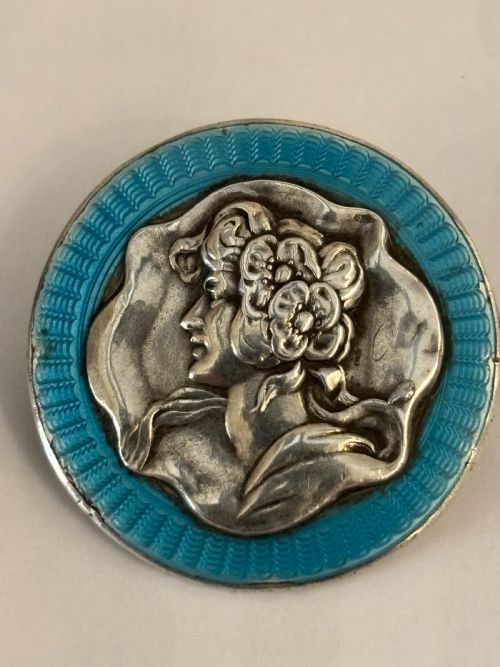
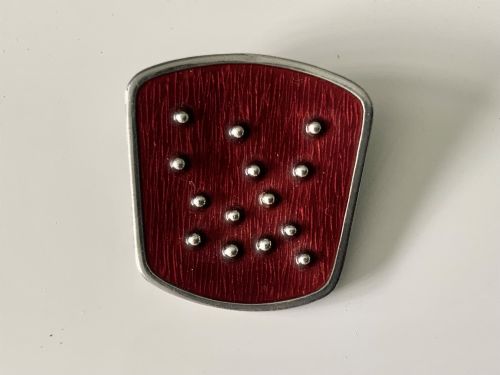
A vintage guilloche pin is typically encountered as a decorative brooch worn on lapels, collars, or scarves. The pieces found here span multiple decades, including Edwardian, 1920, 1930, 1940, 1950, and 1960 examples.
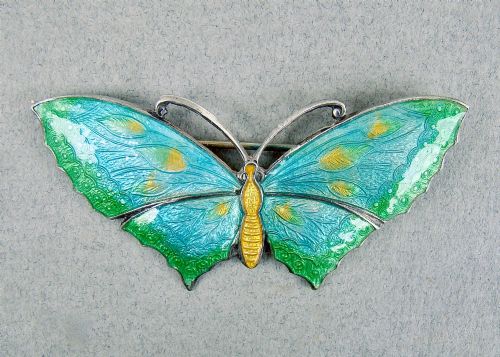
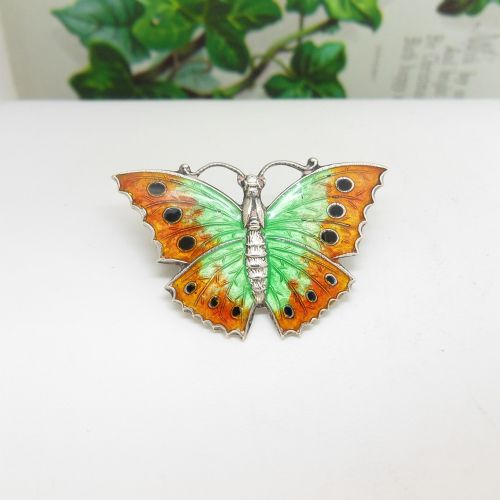
The dominant forms are butterfly brooches, floral motifs, circular designs, and bar brooches originating from Scandinavian makers and Edwardian workshops. Collectors frequently meet these items rendered in sterling silver or silver gilt paired with colourful vitreous enamel.
Beyond standard personal adornment, the selections include matching pin and trinket dishes that apply the same enamelling technique to small domestic items. These varied objects demonstrate how the underlying engraved metalwork catches the light through layers of coloured glaze.
Materials and construction methods
Makers formed these pieces by combining sterling silver, silver gilt, gold vermeil, or platinum with vitreous enamel. The foundational metal was mechanically engraved with precise, repetitive geometric patterns using a lathe before any colour was applied.
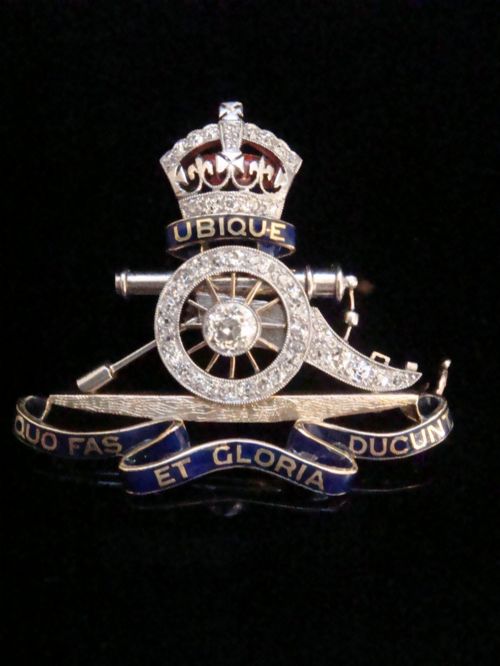
Translucent enamel was then fused to the textured metal surface through high-temperature firing, allowing the underlying engraved lines to remain visible beneath the glaze. Additional details such as diamonds, pearls, or specific coloured enamels were incorporated depending on the period and design.
Vintage Guilloche Pin Retail Price Guide 2026
Typical asking prices for vintage guilloche pin among the pieces listed under this phrase on Sellingantiques today, from the lower quarter to the upper quarter. They describe what is for sale here now, not the wider market.
Assessing craftsmanship and finish
Quality rests in the crispness of the mechanical engraving beneath the enamel and the evenness of the vitreous glaze across the metal surface. Superior examples maintain precise symmetry in patterns like butterfly wings or floral petals without pooling or cloudiness in the enamel.
The choice of base metal also distinguishes the range, with sterling silver and silver gilt providing durable foundations that support intricate work from named Scandinavian designers and Edwardian jewellers. Stronger pieces display secure pin mechanisms and clean, unblemished gilt finishes.
Aksel Holmsen·David Andersen
The Vintage Guilloche Pin Glossary
- Guilloche
- A decorative technique where a mechanical lathe engraves precise geometric patterns into a metal substrate. This textured base creates the signature radiating or wave-like appearance seen beneath translucent enamel.
- Vitreous enamel
- A glass-like substance fused to metal surfaces through high-temperature firing. It provides the smooth, coloured coating characteristic of these brooches and dishes.
- Silver gilt
- Sterling silver that has been coated with a thin layer of gold. This treatment adds a warm metallic tone often utilised in Scandinavian designs.
Vintage Guilloche Pin: Frequently Asked Questions
How do I wear a vintage guilloche pin safely?
Fasten the pin securely through heavier fabrics like wool or denim rather than delicate silks to prevent the weight of the silver from pulling the weave. Ensure the safety catch is fully engaged before wearing it out.
Store the brooch flat in a lined jewellery box when not in use to avoid scratching the enamel surface against other metallic items.
What periods do these pins come from?
The listings span from Edwardian and 1900 pieces up through the 1920, 1930, 1940, 1950, and 1960 eras. Early pieces often feature delicate floral and ribbon motifs, while mid-century examples lean towards Scandinavian modern and modernist butterfly designs.
Examining the metal hallmarks and the specific shade of enamel helps narrow down the exact decade of manufacture.
How should I clean a silver and enamel brooch?
Wipe the piece gently with a soft, dry microfibre cloth to remove everyday dust and skin oils. Avoid using abrasive silver dips or harsh chemical cleaners, as these can damage the vitreous enamel or strip the silver gilt.
Keep the item away from prolonged moisture and direct sunlight to preserve the vibrancy of the coloured glaze.
What distinguishes Scandinavian enamel pins?
Scandinavian pieces from the mid-century period often favour clean, stylised representations of nature, particularly butterflies and abstract floral shapes. They frequently utilise silver gilt settings that enhance the brightness of vibrant green, blue, and red enamels.
Many of these items bear maker marks on the reverse that attribute them to prominent workshops in Norway and Denmark.