
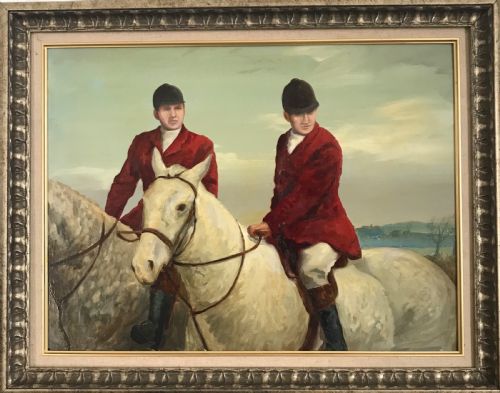
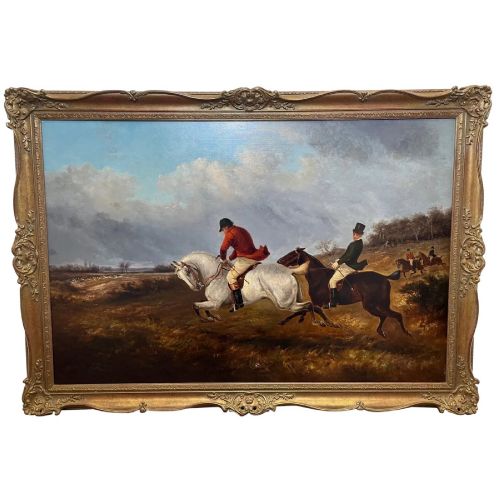
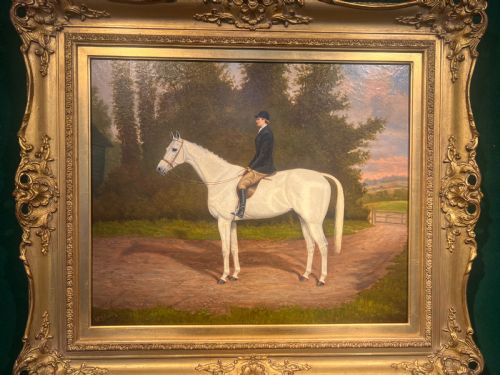
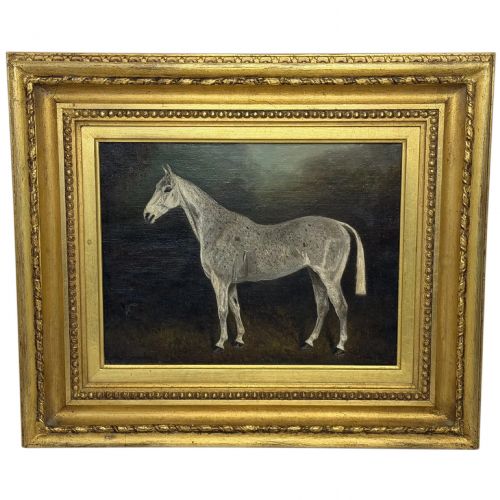
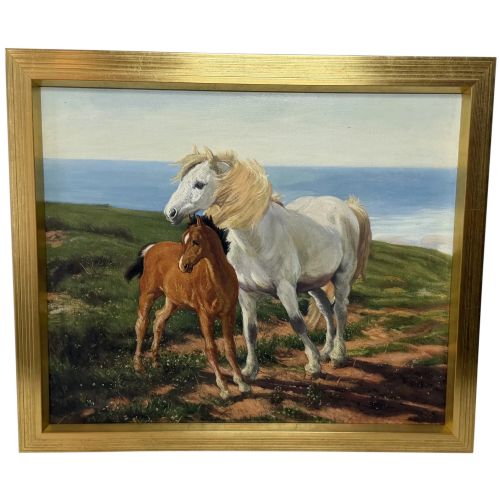


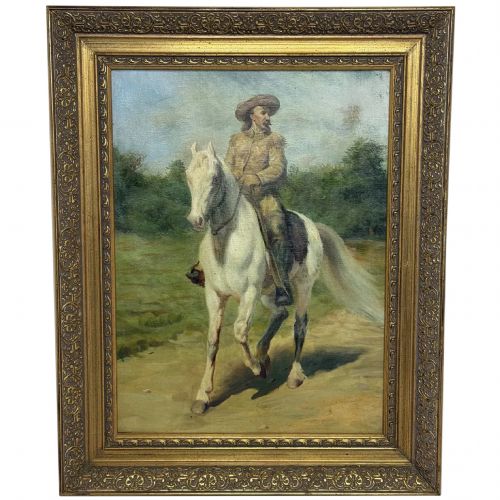


Vintage Grey Horse Artwork
Vintage grey horse artwork brings centuries of equestrian life onto the wall through oil, watercolour, and pastel.
Vintage Grey Horse Artwork
Vintage grey horse artwork encompasses paintings, watercolours, and drawings focusing on equines from various historical periods. When searching for vintage grey horse artwork, buyers encounter pieces ranging from Victorian sporting scenes to mid-century modern interpretations.
The selections span traditional country subjects, British school portraits, and equestrian racing moments. Oil paintings on canvas and framed watercolours on paper form the core of what appears in this category.
Originating across Britain, Europe, and local rural settings, these depictions capture working horses, hunters, and portrait subjects. The physical works include framed artwork, wall art, and fine art paintings from the nineteenth and twentieth centuries.
Materials and methods
Artists relied primarily on oil on canvas and watercolour on paper, frequently framing the finished pieces behind glass with gilt moulding. Pastel work on coloured paper and ink drawings also appear, showing direct handling by period draftsmen.
Support materials range from stretched canvas and wooden boards to heavy paper sheets. Pigments are applied through traditional brushwork or pastel layering, capturing the texture of coats and rural landscapes.
Listings feature works created across various media including oil on canvas, watercolour, pastel, and chromolithography.
Assessing quality
Quality rests on the precision of the animal's anatomy and the confidence of the brushwork or pastel strokes. Masterful pieces convey motion and weight in the horse's form rather than relying on static outlines.
The handling of light across the grey coat and the integration of the subject within its landscape determine the visual success of the piece. Preserved condition of the paper, canvas, and original framing further distinguishes superior examples.
Thomas Smythe·William Albert Clarke·John Rattenbury Skeaping·Basil Nightingale·Johan Noah Bemmel
The Vintage Grey Horse Artwork Glossary
- Watercolour
- Painting method using water-soluble pigments on paper. This medium allows for transparent washes and fine illustrative detail.
- Gilt
- Gold leaf or gold-coloured paint applied to frames. It provides a reflective border that complements the tones of the artwork.
- Equestrian art
- Depictions of horses as the primary subject, often combined with human figures, hunting scenes, or rural labour. These works record the historical relationship between people and horses.
- Chromolithograph
- A multicolour print created using lithographic stones. This technique reproduces the rich tones of original watercolours with high fidelity.
Vintage Grey Horse Artwork: Frequently Asked Questions
What periods do these horse artworks cover?
The selections span from the eighteenth century through the Victorian era and into the mid-twentieth century. Works reflect shifts in painting styles from traditional sporting art to modern British realism.
Buyers encounter dated pieces and period pieces marked by distinct framing and material choices characteristic of their decade of creation.
How should I hang and light these paintings?
Keep framed artwork and watercolours away from direct sunlight to protect pigments and paper from fading. Stable indoor humidity helps preserve both wood frames and canvas.
Position picture lights or ambient room lighting to minimise glare on glass-fronted watercolours and pastels while highlighting oil textures.
What is the difference between an oil and a watercolour?
Oil paintings use pigment suspended in drying oil on canvas or board, offering rich texture and deep colour layering. Watercolours employ water-soluble pigments on paper, producing a lighter, more transparent finish usually displayed under glass.
Both mediums capture the tones of grey horses differently, with oils allowing heavier impasto and watercolours capturing swift atmospheric effects.
Are these works signed by the artists?
Many pieces feature visible artist signatures, dates, or historical inscriptions within the composition or on the mount. Unsigned works remain common in period school and traditional country categories.
Documentation often relies on the style, subject matter, and framing context to attribute the piece to a specific era or region.