




Vintage Green Lounge Chairs
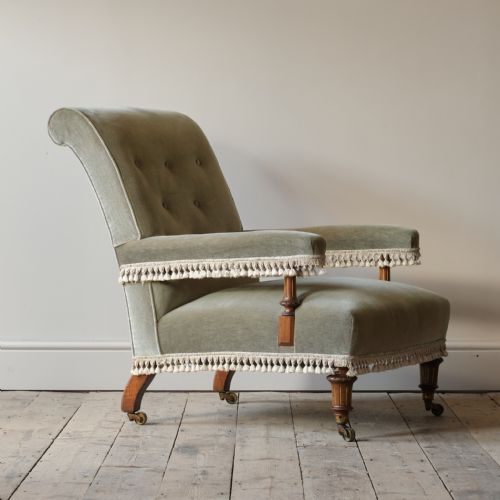
These vintage green lounge chairs bring together rich upholstery and period frames, offering a striking seat for any traditional or modern room.
Vintage Green Lounge Chairs
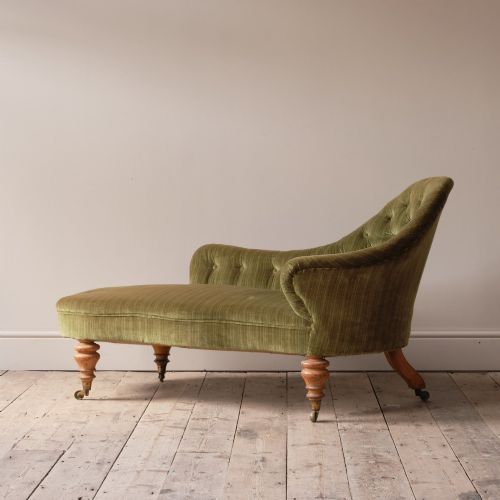
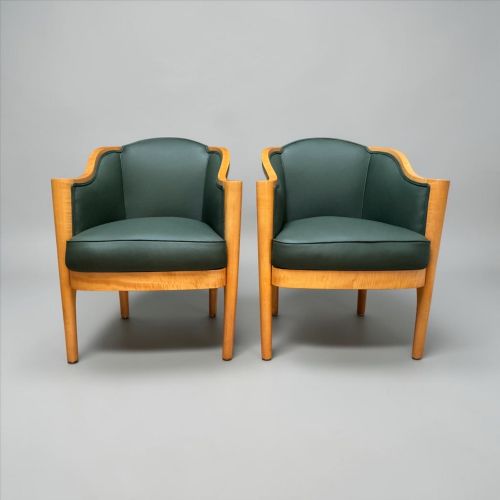
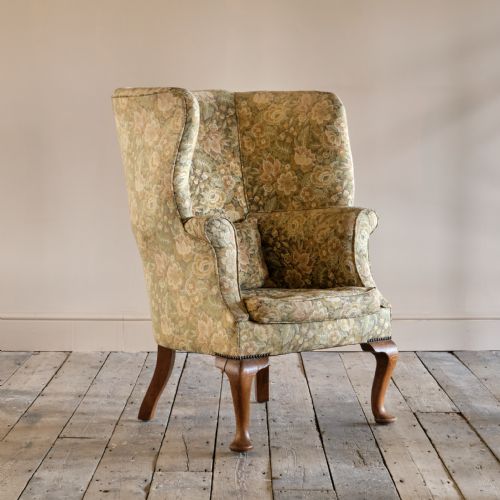
When you search for vintage green lounge chairs, you encounter a varied selection of seating spanning multiple centuries and distinct design movements. These pieces range from substantial Victorian wingbacks and deep club chairs to sleek Art Deco suites and elegant chaise longues.
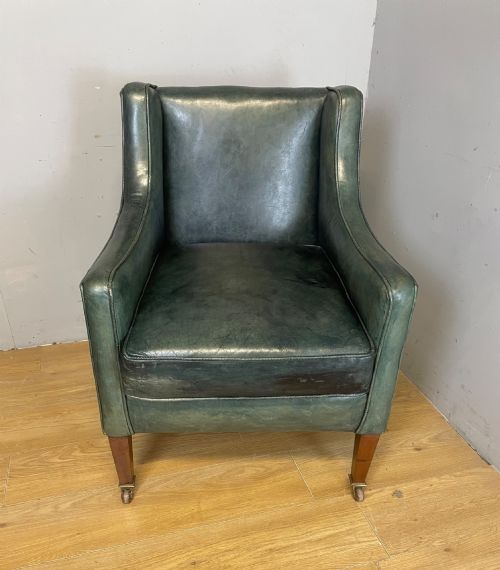
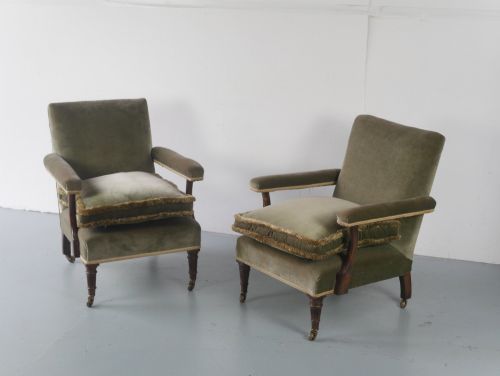
The versions you are most likely to meet on this page feature rich green velvet, leather, and hide upholstery set against dark hardwoods, mahogany, and walnut frames. Styles stretch from early nineteenth-century country house designs through Edwardian refinement to the clean lines of the nineteen-thirties.
Makers and workshops of note appear across these selections, offering everything from button-back reading chairs to reclining armchairs and daybeds. Each piece reflects the domestic comfort and craftsmanship of its respective era, united primarily by a palette of green textiles and durable timber frames.
Materials and Construction
The frames of these chairs rely on robust timbers such as mahogany, walnut, oak, and general hardwood, often shaped into curved arms, tapered legs, or detailed cabriole supports. Brass castors and carved wooden details frequently finish the lower framework.
Upholstery techniques involve traditional stuffing and springing finished in durable leather, hide, velvet, and woven fabric. Brass nailhead trim and buttoning secure the textiles to the wooden structures.
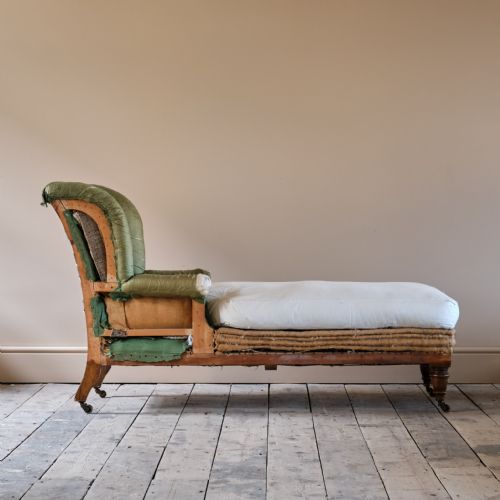
Art Deco and modernist pieces introduce bentwood and painted finishes, contrasting with the heavier carved rosewood and mahogany seen on nineteenth-century daybeds and library chairs.
Vintage Green Lounge Chairs Retail Price Guide 2026
Typical asking prices for vintage green lounge chairs among the pieces listed under this phrase on Sellingantiques today, from the lower quarter to the upper quarter. They describe what is for sale here now, not the wider market.
A few hardy armchairs on this page survived active service at an RAF Bomber Command station before retiring to the lounge.
Markers of Quality
The distinction between standard examples and top-tier pieces rests on the integrity of the timber frame and the authenticity of the maker's hand. Signed pieces by established cabinet makers demonstrate superior joinery and refined proportions that elevate their standing.
Upholstery materials also dictate the tier of a piece, with high-grade hand-dyed leather, deep buttoning, and heavy velvet showing finer wear and resilience than standard fabric replacements. Original frames retain their structural tightness and genuine period patination.
Maurice Adams·Gillows·C. Hindley and Sons·Howard and Son's·William Birch
The Vintage Green Lounge Chairs Glossary
- Bergère
- An enclosed armchair with stuffed upholstery and exposed wooden framing, often featuring woven cane panels to the sides and back.
- Wingback
- An armchair with side panels or wings attached to the back, originally designed to shield the sitter from drafts.
- Hide
- A heavy, durable animal leather used for traditional upholstery on club chairs and chesterfield seating.
Vintage Green Lounge Chairs: Frequently Asked Questions
What defines a club chair?
A club chair is a heavily upholstered deep armchair originating in France, known for providing substantial comfort and support.
These pieces typically feature low backs and broad arms, often wrapped in thick leather or durable fabric.
How do I identify a Victorian armchair?
Victorian armchairs are marked by dark hardwood frames, carved details, and robust proportions reflecting nineteenth-century manufacturing.
They frequently utilise heavy velvet or leather upholstery with button tufting and exposed wooden legs fitted with brass castors.
Where should I place a daybed?
Daybeds and chaise longues suit studies, libraries, or spacious reception rooms where long seating and lounging are practical.
Their elongated form allows them to serve as both an occasional bed and a primary statement armchair.
How do I care for leather upholstery?
Leather upholstery requires regular dusting and occasional conditioning to maintain its suppleness and prevent cracking over time.
Keeping antique leather away from direct sunlight preserves the original green tone and natural finish.