

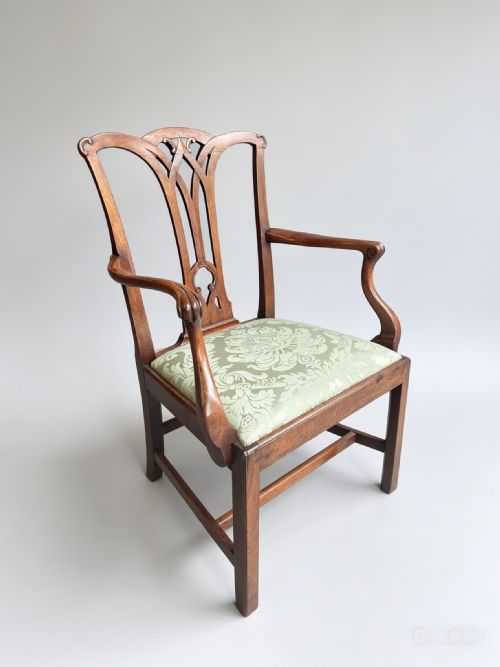


Vintage Green Accent Chair
A vintage green accent chair brings character and colour to a room, offering a comfortable seat shaped by Victorian, Edwardian, and Art Deco hands.
Vintage Green Accent Chair
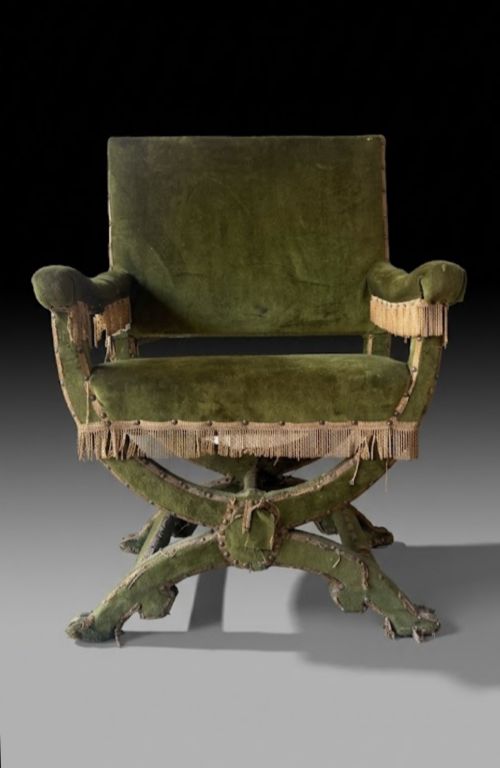
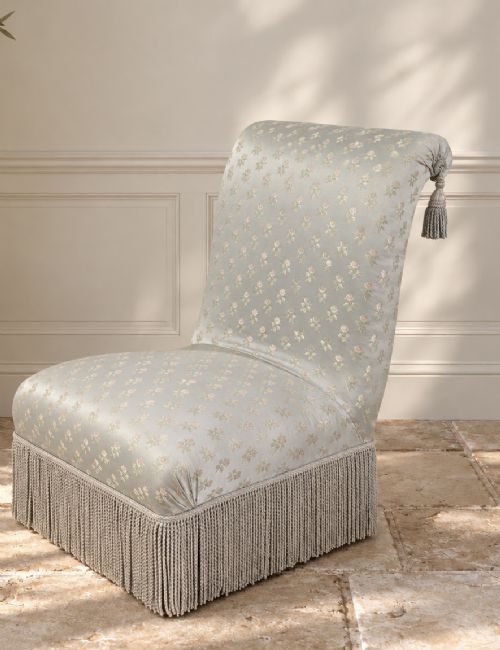
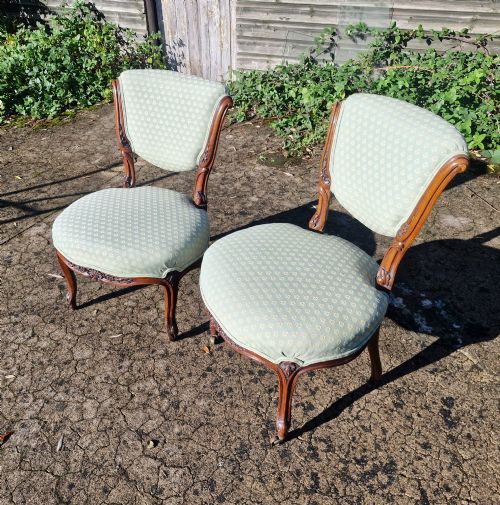
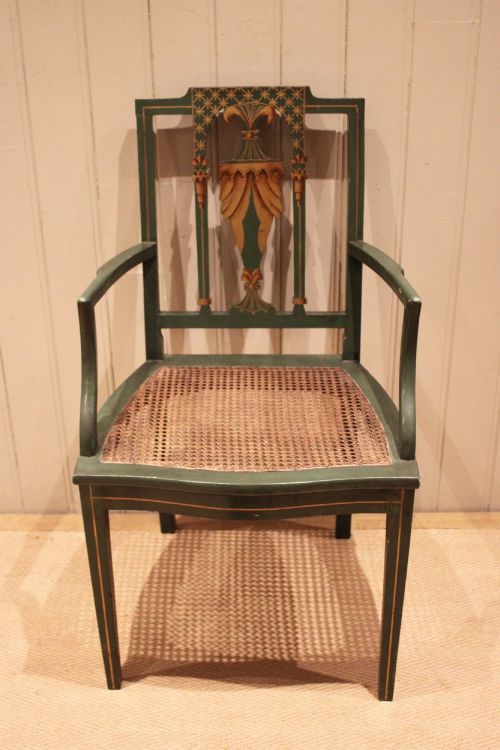
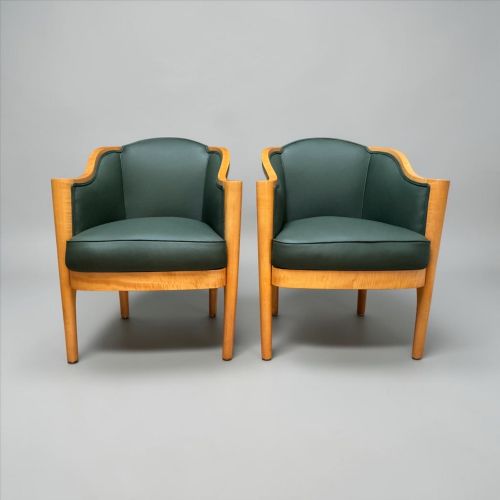
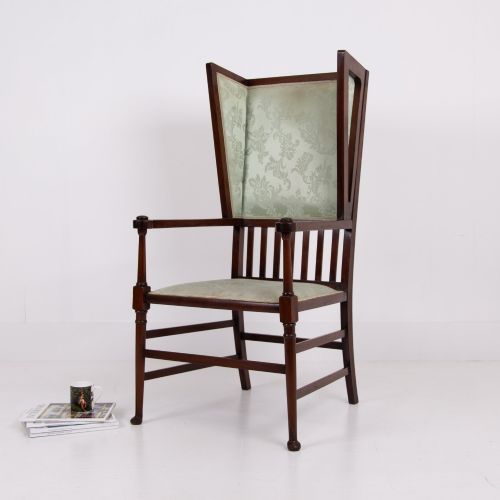
A vintage green accent chair spans several distinct periods, most frequently appearing in Edwardian and Victorian iterations alongside later Art Deco forms. These pieces take various physical shapes, including tub armchairs, wingback designs, slipper chairs, and low bedroom seats.
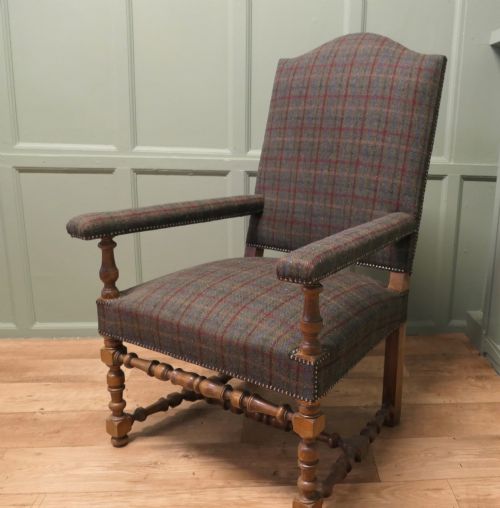
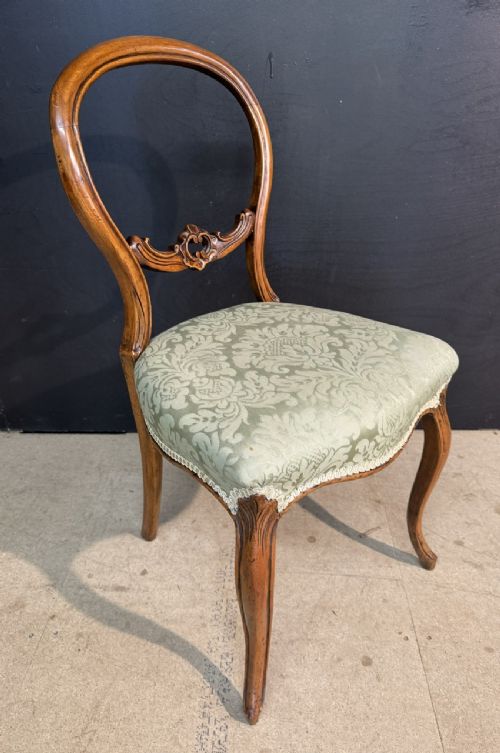
The selection ranges from solid oak Arts and Crafts models to mahogany bergère armchairs and walnut framed open seats. Buyers encounter pieces upholstered in velvet, tweed, fabric, and linen, often showing the influence of Regency, French revival, and Chippendale design.
Originating from British workshops and continental makers alike, these chairs serve as focal points in drawing rooms, studies, and dressing areas. The diverse forms reflect the shifting domestic fashions of the nineteenth and early twentieth centuries.
Construction and materials
Makers built the frames of these chairs using hardwoods such as mahogany, walnut, oak, and timber, selected for their structural resilience. Joinery techniques varied from traditional pegged joints to turned and carved components.
Upholstery relied on materials like velvet, tweed, brass details, and various fabrics, often applied over sprung or stuffed foundations. Decorative elements included painted finishes, cane seating, inlaid wood, and carved walnut or giltwood detailing.
Vintage Green Accent Chair Retail Price Guide 2026
Typical asking prices for vintage green accent chair among the pieces listed under this phrase on Sellingantiques today, from the lower quarter to the upper quarter. They describe what is for sale here now, not the wider market.
A Surrealist day bed in the manner of Syrie Maugham appears among the seating, bringing an unexpected touch of theatrical whimsy to the collection.
Distinctions in quality
The standard of a piece rests in the execution of its woodwork, from the sharpness of carved walnut and mahogany details to the stability of the frame joints. Superior examples exhibit deliberate proportions and refined turning or inlay work.
Upholstery choices and the preservation of original fabric or cane elements distinguish finer models. Pieces retaining distinct stylistic signatures, such as specific regional turning or documented maker attribution, occupy the upper tier of the range.
Maurice Adams·Anton Rosen·Heals·J.Mills·Louis Majorelle
The Vintage Green Accent Chair Glossary
- Bergère
- An enclosed armchair with stuffed upholstery on a wooden frame, typically featuring cane work on the back and sides. This French-inspired form appeared frequently in mahogany and walnut during the nineteenth century.
- Tub armchair
- A comfortable seat with a continuous curved back and arms forming a low, rounded enclosure. Edwardian makers often utilised this form for desk and corner seating.
- Slipper chair
- A low-set bedroom chair traditionally designed for ladies to sit upon while dressing. These chairs stand close to the floor and usually lack arms.
- Wingback armchair
- A high-backed seat featuring projecting side panels designed to shield the sitter from draughts. Victorian and Edwardian examples often pair these wings with deep buttoned upholstery.
- Cabriole leg
- A furniture leg that curves out and then in, resembling the leg of an animal. This classic shape appears on various eighteenth and nineteenth-century seating forms.
Vintage Green Accent Chair: Frequently Asked Questions
How do I identify an Edwardian chair?
Edwardian chairs often feature lighter woods like mahogany, sometimes enhanced with delicate inlay work. Their forms tend to be more slender and refined compared to heavier Victorian predecessors.
Look for subtle decorative touches, such as tub or wingback shapes designed for comfort in smaller drawing rooms and bedrooms.
What is an Arts and Crafts chair?
Arts and Crafts chairs emphasise solid construction, visible joinery, and honest materials like oak and tweed. They reject excessive factory ornamentation in favour of sturdy craftsmanship.
These pieces often display a heavier, functional silhouette suited for fireside or study use.
Where should I place a slipper chair?
Slipper chairs work well in bedrooms, dressing rooms, or quiet corners due to their low profile. Their compact size allows them to serve as accent pieces without overwhelming small spaces.
They provide a comfortable, accessible seat that pairs easily with dressing tables or low desks.
Are these chairs suitable for daily use?
Most of these vintage chairs were built to last using durable hardwoods like mahogany and walnut. Many available pieces feature updated upholstery suitable for modern sitting.
Checking the stability of the frame ensures the piece handles regular everyday seating.