

Vintage Gold Timekeeper
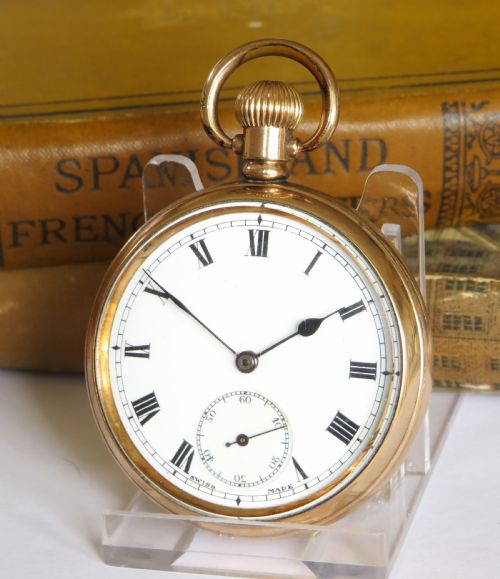
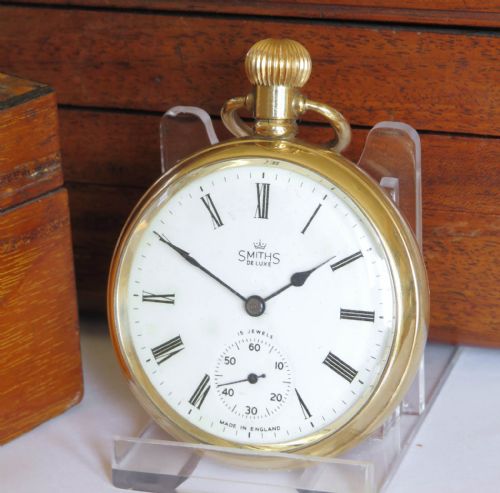
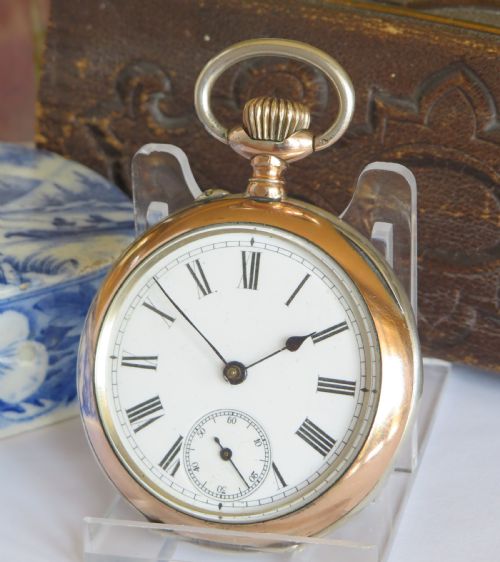
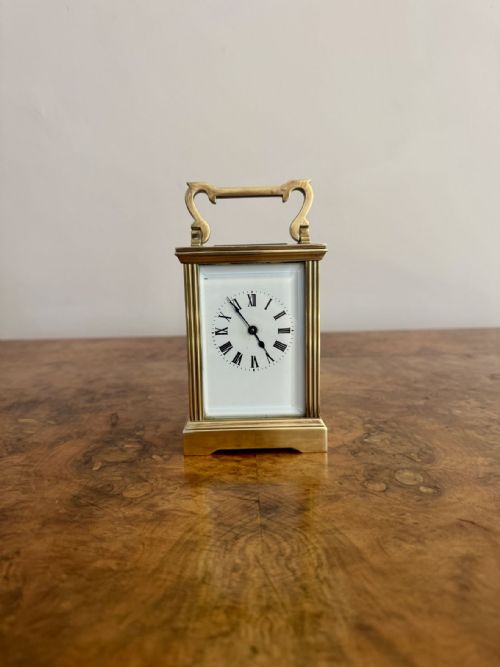
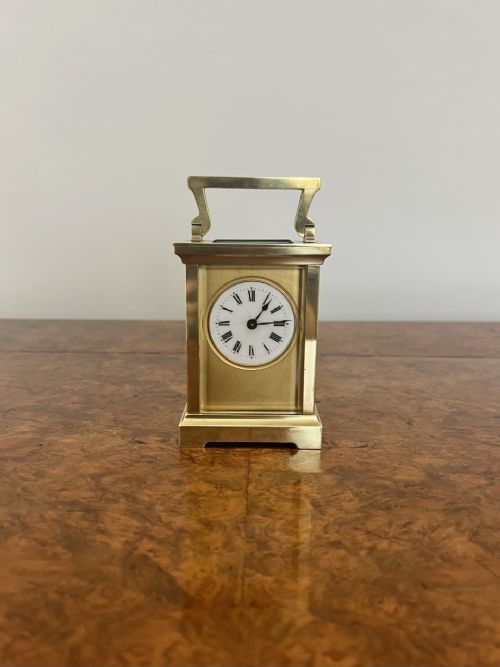
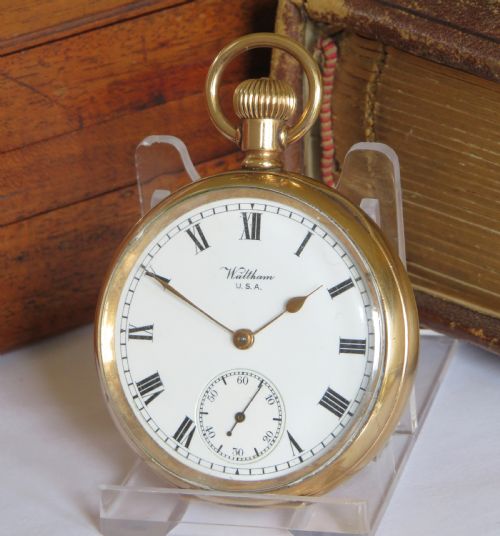
A vintage gold timekeeper delivers mechanical reliability wrapped in period design, combining desk clocks, carriage clocks and pocket watches.
Vintage Gold Timekeeper
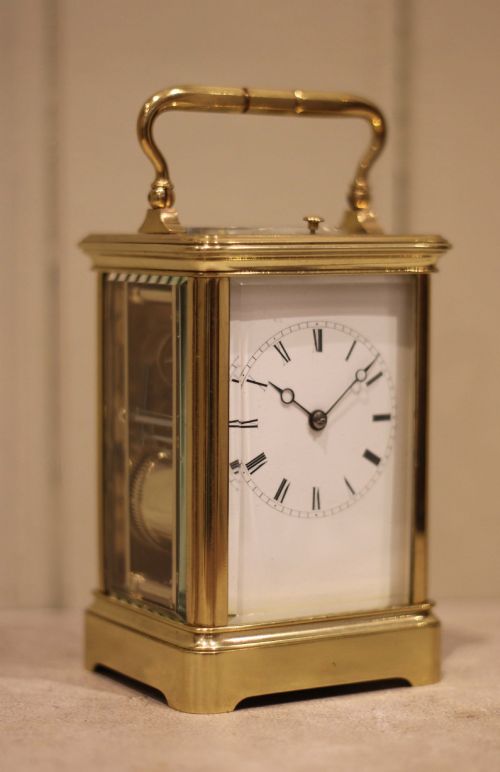
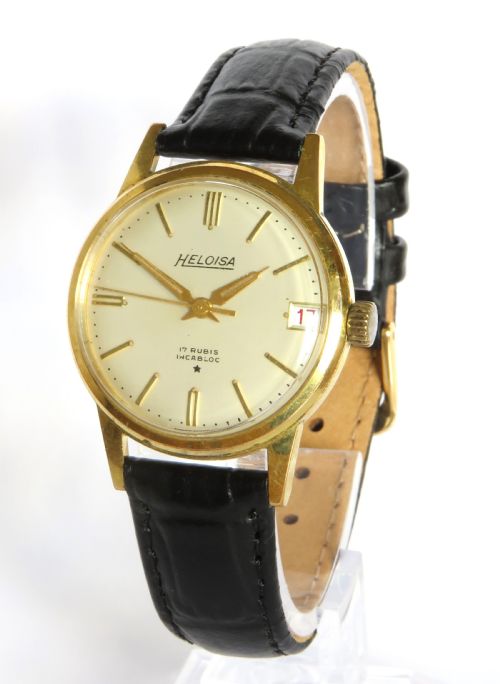
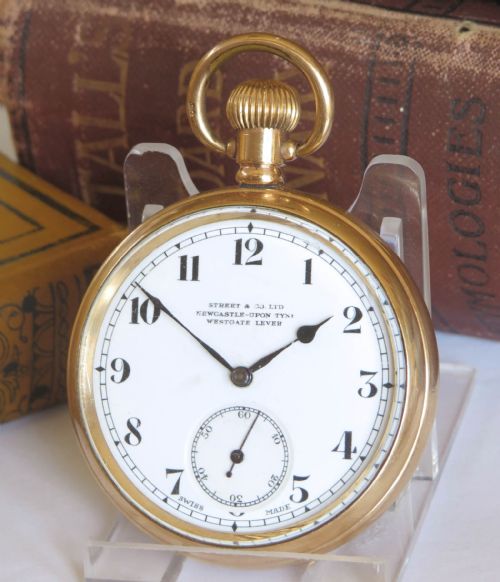
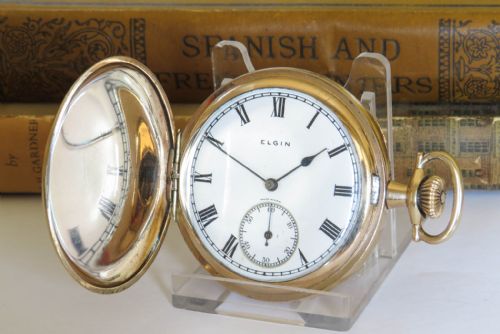
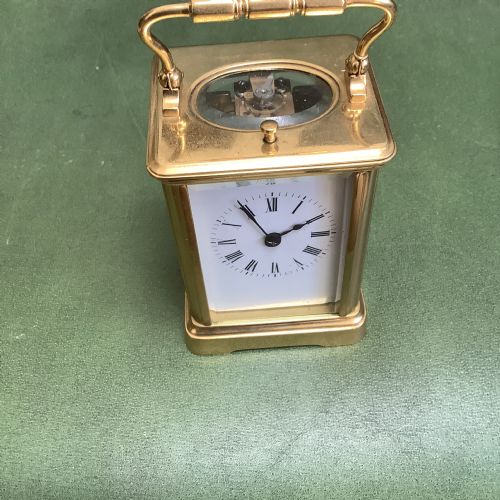
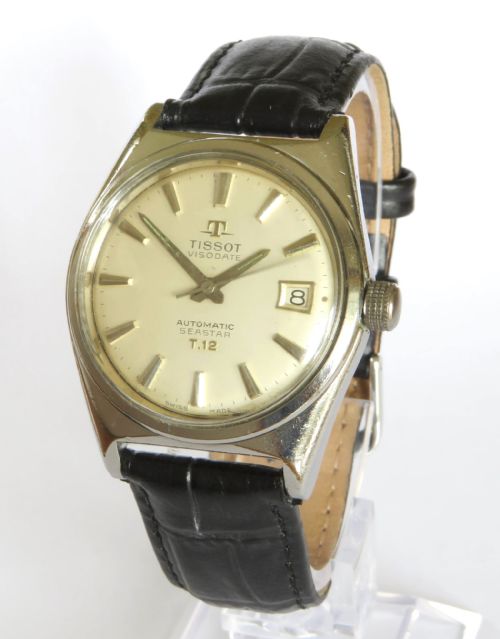
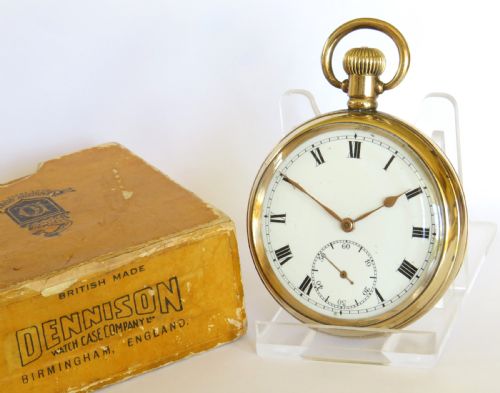
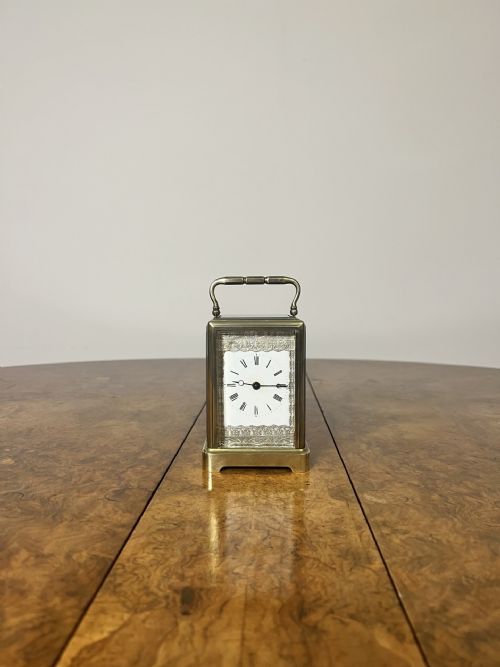
These items encompass portable and desk-bound instruments designed to measure hours, spanning pocket watches, wristwatches and carriage clocks. A vintage gold timekeeper most frequently appears here as a pocket watch or carriage clock housed in brass, gilt brass, gold plate or solid gold.
The selection ranges from Victorian carriage clocks to mid-century wristwatches and 19th-century repeater pocket watches. Buyers encounter pieces influenced by Edwardian, Art Deco and Mid-Century styles, originating from British, French and Swiss workshops.
Objects vary from plain travelling timepieces to intricate pieces featuring alarms, striking mechanisms or engraved cases. The form determines how the object was used, whether carried in a waistcoat pocket, packed in a leather travel case or displayed upon a mantelpiece.
How they were made
Maker workshops utilised metals such as brass, gilt brass, steel and solid gold for exterior cases and internal movements. Glass protected dials and permitted visibility of escapements, while enamel added white or coloured numerals and chapter rings.
Dials and cases frequently received hand-engraving or engine-turned patterns, particularly upon French carriage clock panels and pocket watch covers. Leather served for protective travel cases accompanying Swiss and French carriage clocks.
Movements relied on mechanical gear trains driven by mainsprings, requiring stem winding or key winding. Certain pieces incorporated platform escapements, striking trains or repeater complications assembled by hand.
Listings feature periods spanning the 18th century through to the 1960s, incorporating brass, gold plate, steel and solid gold materials.
What varies in quality
Quality separates standard production timepieces from elite examples through the complexity of the internal movement and the crispness of case decoration. A repeating mechanism, chronograph function or alarm elevates a piece beyond a simple time-recording dial.
Materials dictate upper tiers of execution, distinguishing solid gold or heavy gilt bronze cases from gold plate or standard brass. Hand-engraved detailing across all sides of a carriage clock case indicates superior craftsmanship compared to plain cast housings.
The survival of original components, such as leather cases for carriage clocks or matched winding keys, preserves the integrity of the piece. Precision in dial painting and the clarity of enamel numerals further separate standard workshops from skilled makers.
Duverdrey & Bloquel·Patek Philippe·J Lyndsey·J Dauer Geneve·Waltham·Smiths De Luxe
The Vintage Gold Timekeeper Glossary
- Carriage clock
- A portable spring-driven clock designed for travel, typically featuring a glass-panelled brass case and a swing handle.
- Full hunter
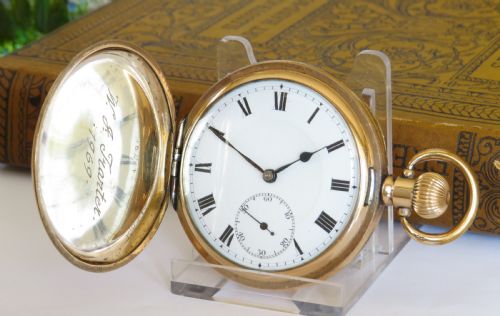
- A pocket watch fitted with a spring-loaded metal cover that protects the glass dial face from scratches.
- Repeater
- A complication mechanism that chimes the hours, quarters or minutes upon demand when a slide or pendant is activated.
- Verge
- An early type of escapement controlling the release of power in mechanical watches and clocks through a crown wheel and pallet axes.
- Fusee
- A conical pulley connected to the mainspring by a cord or chain, designed to equalise the declining force of the spring as it unwinds.
Vintage Gold Timekeeper: Frequently Asked Questions
How do I wind a mechanical vintage gold timekeeper?
Most pocket watches require rotation of the stem crown until resistance signals a fully tensioned mainspring. Carriage clocks generally utilise a separate metal key inserted into apertures on the backplate or dial.
Care must be taken not to overwind the mechanism, as excessive force can snap the internal spring. Regular gentle winding preserves the tension required for accurate daily running.
What is the difference between a carriage clock and a mantel clock?
Carriage clocks were originally built for travellers, incorporating a sturdy handle, protective glass panels and a compact brass or gilt bronze frame. Mantel clocks are heavier stationary objects designed to sit permanently upon a fireplace shelf.
Stylistically, mantel clocks often display figural bronze ornamentation or architectural stone and wood facades. Carriage clocks rely on visible brass framing and glazed windows to showcase the internal escapement.
How do repeaters work in antique watches?
A repeater mechanism sounds the time audibly when activated by a lever or push-piece on the case. It uses internal racks and gongs to strike the precise hours and minutes.
This complication allowed owners to check the time in darkness before the widespread adoption of artificial illumination. Such mechanisms represent advanced watchmaking skill and fine adjustment.
How should I care for a vintage gold timekeeper?
Keep the mechanism away from moisture, extreme temperature shifts and strong magnetic fields generated by modern electronics. Periodic professional servicing ensures internal oils do not gum up the gear trains.
For exterior maintenance, a soft dry cloth removes dust from glass panels and metal surfaces without abrasive friction. Storing pocket watches in protective pouches prevents unnecessary wear to gold plating or engraved cases.