



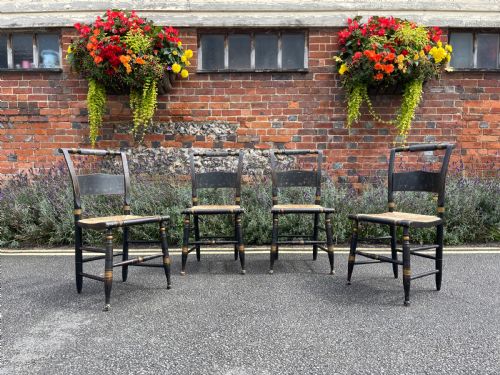


Vintage Gold Side Chair
These vintage gold side chair examples bring gilded elegance and classical proportion to a room, spanning periods from the eighteenth century to the twentieth.
Vintage Gold Side Chair
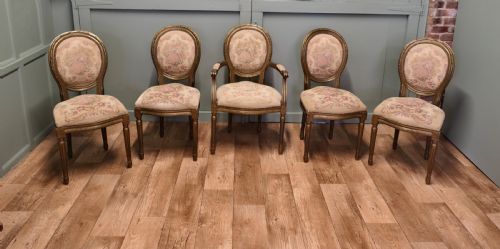
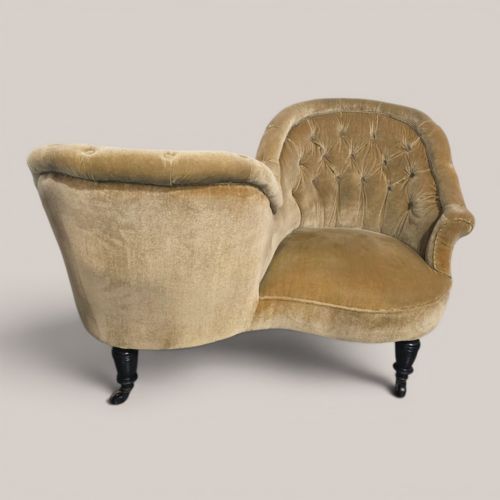
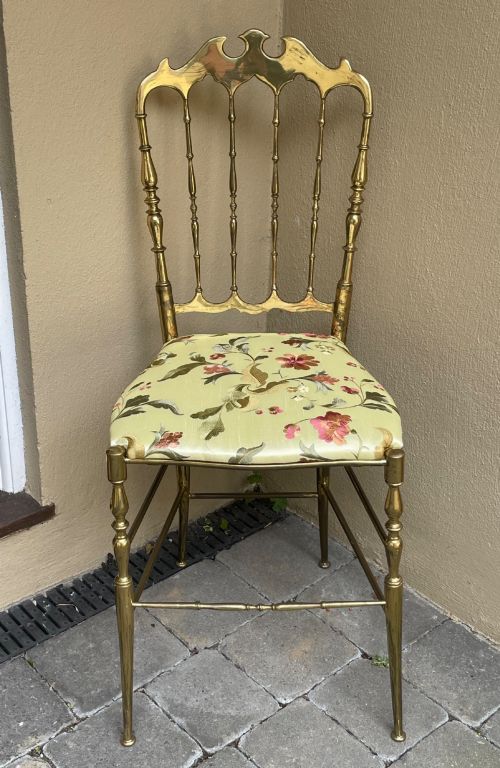
When you search for a vintage gold side chair, you encounter a variety of seating forms finished in giltwood, gilded timber, or polished brass. The selections on this page range from nineteenth-century continental gilt side chairs and French gold painted dining chairs to twentieth-century brass salon seating.
Stylistically, these pieces draw heavily on historical revivals, including French Louis XVI, Regency, and Victorian aesthetics. You are likely to meet slender frames designed for occasional use in a drawing room or salon rather than heavy, utilitarian dining seating.
The category encompasses both antique European craftsmanship and later twentieth-century interpretations in brass and gilt finishes. Each piece offers a distinct reflection of historical design movements adapted for decorative interiors.
How they were made
The construction of these pieces relies on solid timber frameworks, predominantly mahogany, oak, or fruitwoods, which are then gilded, painted, or carved. Alternatively, several examples utilise solid brass or polished brass for the entire structural frame.
Gilded surfaces are achieved through the application of gold leaf over preparation layers on wood, or through gold paint on later pieces. Upholstery techniques vary from traditional webbing and stuffing covered in velvet, damask, or woven fabric to cane seating panels.
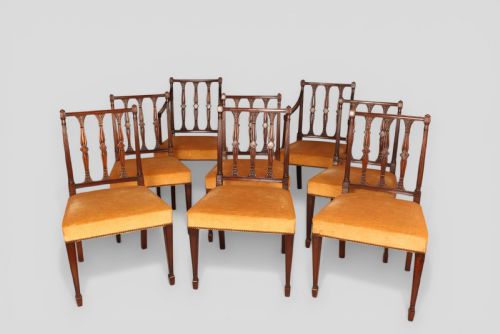
The listings incorporate nineteenth-century French salon suites, Georgian mahogany dining sets, and twentieth-century brass occasional chairs.
What varies in quality
The distinction between tiers of quality rests in the crispness of the carving, the integrity of the gilding, and the choice of primary materials. Hand-carved giltwood frames from continental workshops display a depth of detail absent in later, mass-produced painted substitutes.
Upholstery specification and frame stability further separate standard examples from finer pieces. Original joinery methods and the preservation of the surface finish dictate the enduring character of each chair.
The Vintage Gold Side Chair Glossary
- Giltwood
- Timber coated with gold leaf or powder applied over a prepared gesso base. This finish creates a warm, reflective surface characteristic of formal European seating.
- Louis XVI Style
- An eighteenth-century French design movement revived in later periods, distinguished by neoclassical straight lines, fluted legs, and classical motifs. It provides the template for many decorative salon chairs.
- Regency
- A British design period spanning the early nineteenth century, drawing inspiration from classical Greek and Roman forms. Chairs from this tradition often feature sabre legs and restrained classical detailing.
- Bergere
- An enclosed upholstered armchair with wooden framing exposed around the sides and back. This French form prioritises comfortable domestic seating within a formal aesthetic.
- Carving
- The hand-chiselling of wooden frames to produce decorative relief ornament such as acanthus leaves, fluting, or scrolls. Fine carving defines the upper echelon of antique seating.
Vintage Gold Side Chair: Frequently Asked Questions
Are these chairs suitable for daily dining?
Many of these chairs were originally conceived for salons, drawing rooms, or occasional use rather than heavy family dining. Lighter frames and delicate gilded finishes require a more mindful approach to daily sitting.
For robust daily dining, sturdy mahogany or oak sets from the nineteenth century offer greater structural resilience while retaining period character.
How do I identify a gilded wood frame?
Gilded wood typically shows the subtle texture of gold leaf applied over a gesso and bole foundation, sometimes with slight wear revealing the red or white ground beneath. Examining the surface under magnification helps distinguish genuine leaf from modern metallic paint.
Solid brass frames, by contrast, present a continuous metallic material throughout, often developing a natural patina over decades of handling.
What is the difference between side chairs and armchairs?
Side chairs are built without armrests, designed to be tucked neatly against a wall or around a table when not in use. They maximise seating capacity in formal rooms without overwhelming the floor space.
Armchairs incorporate structural armrests for added comfort and visual weight, often serving as principal pieces in a salon suite or flanking a fireplace.
How should I care for a vintage gold finish?
Gilded and painted surfaces demand gentle dusting with a soft, dry cloth to prevent the accumulation of abrasive particles. Avoid liquid cleaners, polishes, or chemical solvents that can lift fragile gold leaf or degrade painted details.
Keeping such chairs away from direct sunlight and fluctuating humidity protects both the delicate frame finishes and the historic upholstery materials.