

Vintage Gold Pearl Jewellery
Vintage gold pearl jewellery brings together warm precious metals and lustrous gems across styles from Edwardian filigree to mid-century strands.
Vintage Gold Pearl Jewellery
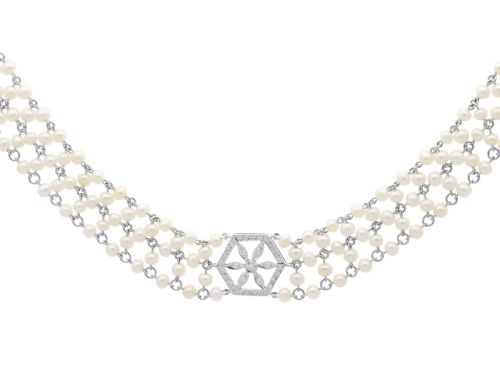
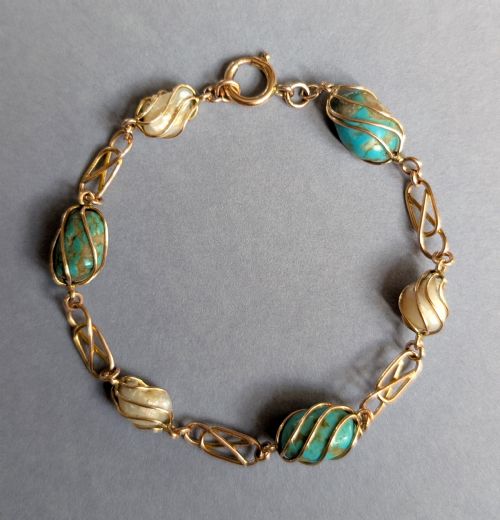
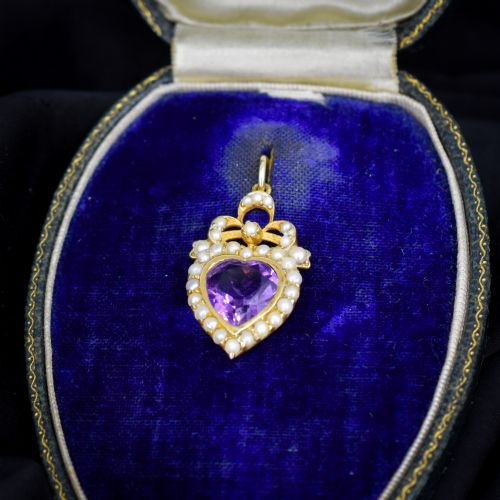
Vintage gold pearl jewellery encompasses necklaces, pendants, rings, brooches, and earrings created across the Victorian, Edwardian, Art Nouveau, Art Deco, and mid-century periods. When searching for vintage gold pearl jewellery, buyers frequently encounter Edwardian pendants and brooches alongside mid-century beaded strands.
How these pieces were made
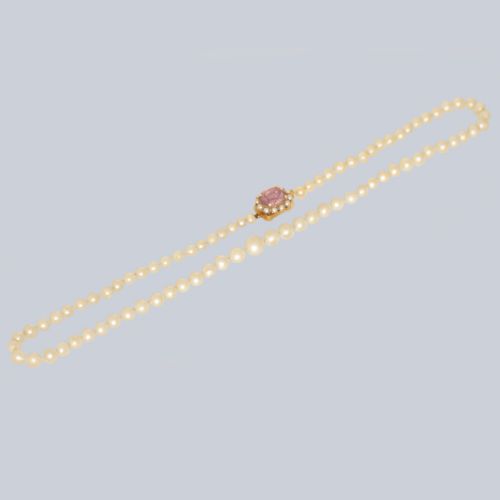
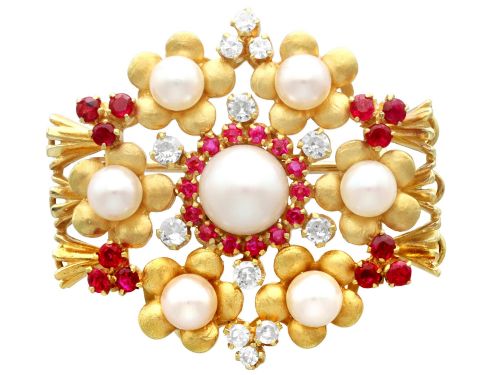
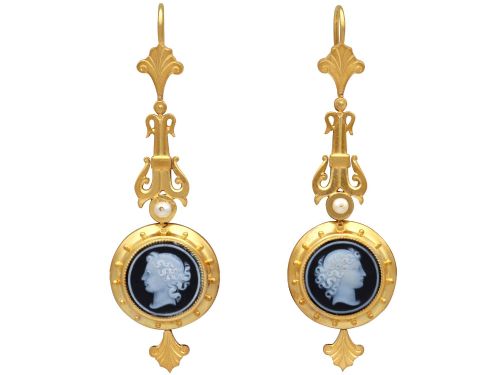
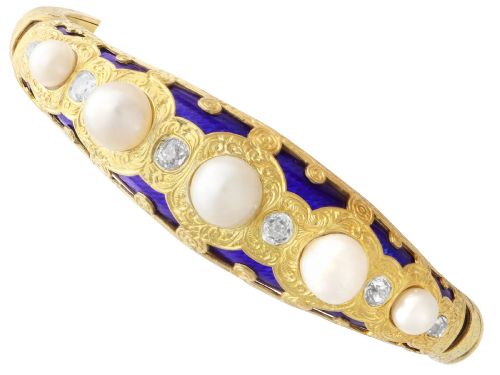
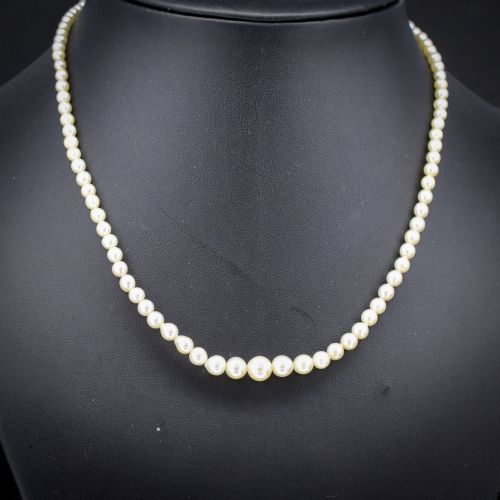
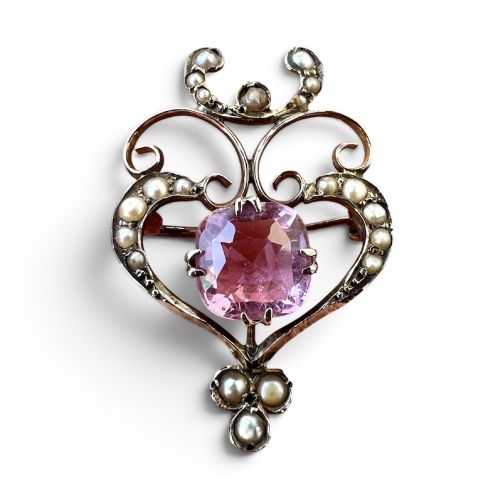
Maker techniques span traditional collet and prong settings in 9ct and 15ct yellow and rose gold, alongside intricate gold leaf motifs and guilloche enamel work. Pearls are threaded into graduated strands, secured in seed pearl clusters, or integrated into elaborate lavalier pendants.
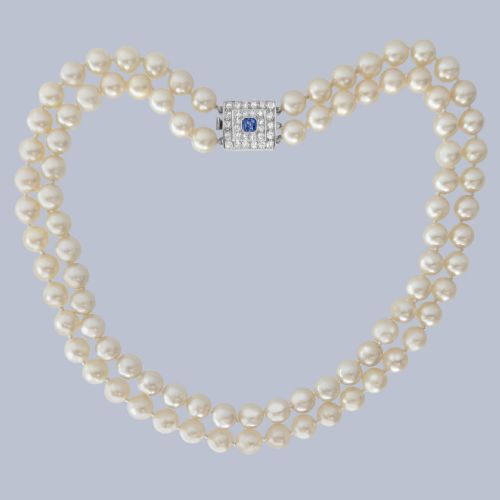
Jewellery from the earlier periods relies on hand-wrought gold frames holding natural or seed pearls, while later mid-century items incorporate cultured pearls paired with hallmarked gold clasps.
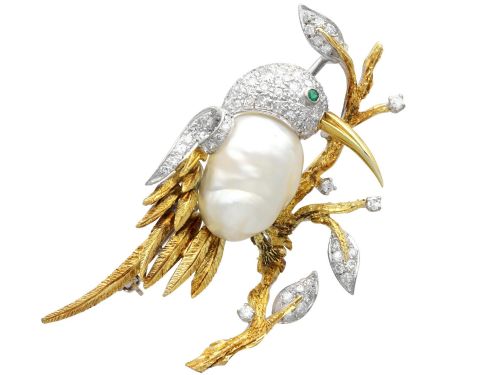
Spider, snake, and fly charms bring unexpected creatures into the mix.
What varies in quality
Quality differences lie in the uniformity and lustre of the pearls, whether seed, natural, or cultured, and the density or carat weight of the gold mount. Fine examples maintain secure stone settings, original clasps, and balanced proportions across intricate motifs like flower sprays or insect charms.
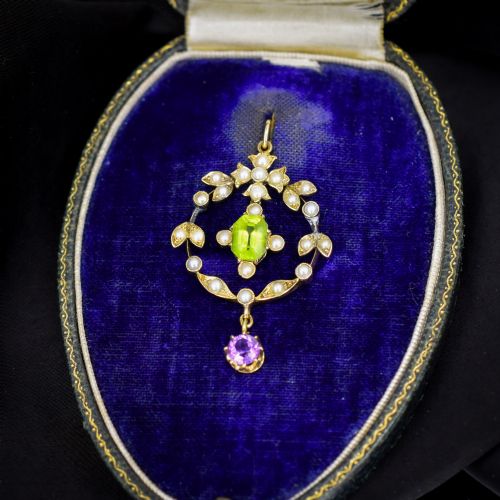
The finesse of the metalwork, from delicate Edwardian pierced galleries to well-matched gemstone pairings like peridot, amethyst, and turquoise, separates standard production from superior pieces.
The Vintage Gold Pearl Jewellery Glossary
- Seed pearl
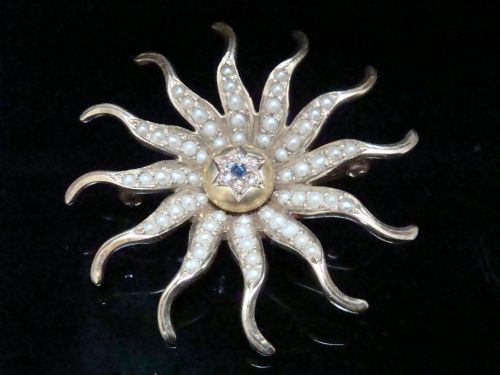
- Very small, naturally formed pearls often utilised in Victorian and Edwardian clustered floral or starburst designs.
- Lavalier
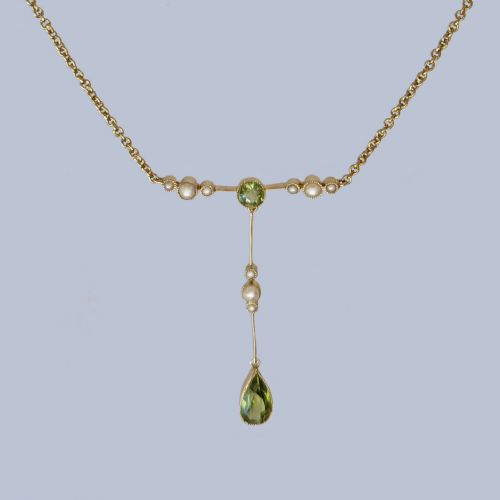
- A pendant featuring a suspended gemstone or pearl that drops below the main decorative framework, popular during the Edwardian era.
- Guilloche enamel
- A decorative technique where intricate geometric patterns are engraved beneath a transparent layer of coloured enamel.
- Longguard chain
- A long gold chain originally designed to hold a pocket watch or locket, frequently measuring over thirty inches.
Vintage Gold Pearl Jewellery: Frequently Asked Questions
How do I care for vintage gold pearl jewellery?
Pearls are organic gems that require gentle cleaning with a soft, damp cloth rather than harsh chemical dips or ultrasonic cleaners. Store them separately from harder gemstones to prevent surface scratching on the gold and nacre.
Keep perfumes, cosmetics, and hairsprays away from the pieces, as alcohol and acids can dull the natural lustre of pearls over time. Regular checking of the stringing on pearl strands ensures beads remain secure during wear.
What is the difference between seed pearls and cultured pearls?
Seed pearls are exceptionally tiny natural pearls historically used in delicate Victorian and Edwardian clusters, stars, and floral sprays. Cultured pearls are grown with human assistance around a nucleus, appearing in larger uniform sizes typical of mid-century strands.
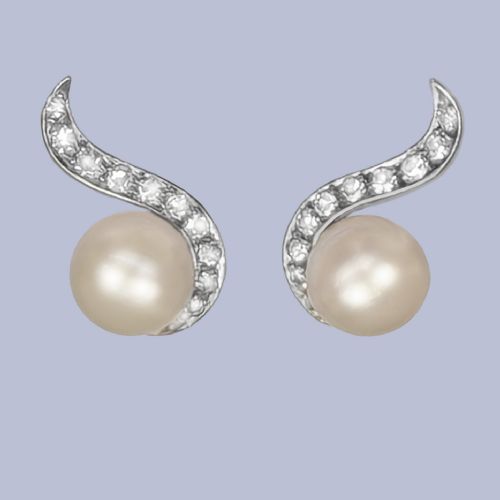
While seed pearls offer a fine, antique texture, cultured pearls provide the clean, graduated roundness seen in later twentieth-century necklaces and clasped bracelets.
How can I date my gold pearl piece?
Dating relies on hallmarks, metal purities like 15ct gold which ceased in Britain by 1932, and distinct design motifs. Edwardian pieces often display light platinum-topped gold work and delicate filigree, while Art Nouveau items favour organic, flowing plant lines.
Mid-century items commonly shift towards heavier cultured pearl strands with standard 9ct or 18ct white and yellow gold clasps bearing official assay office stamps.
Are these pieces suitable for daily wear?
Many items, such as solid gold band rings and sturdy gold chains, handle regular wear well when treated with standard care. However, items set with seed pearls or delicate enamel require mindfulness to avoid impact damage and moisture exposure.
Older threaded pearl necklaces benefit from periodic re-stringing if worn frequently to prevent strand breakage and loss of beads.