
Vintage Gold Pearl Clasp
Vintage gold pearl clasp pieces combine gleaming metal and luminous pearls into versatile necklaces and bracelets.
Vintage Gold Pearl Clasp
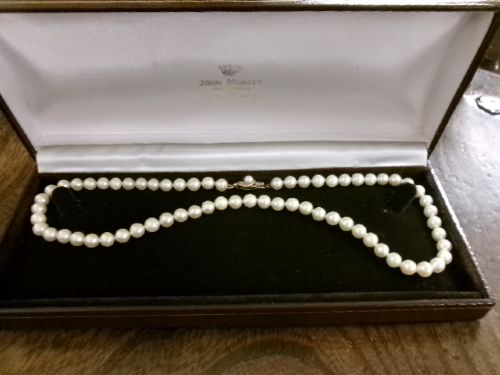
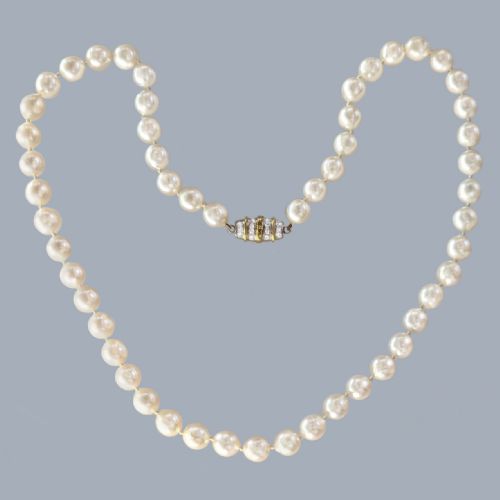
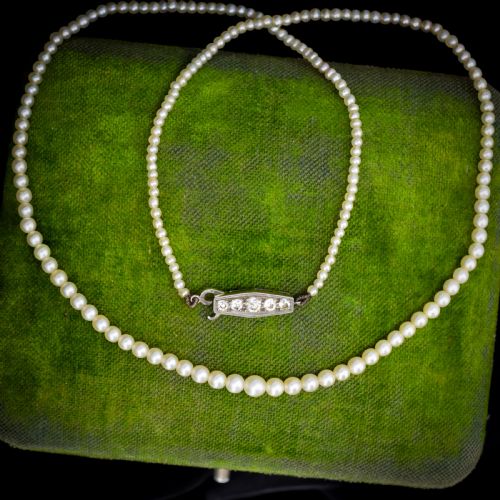
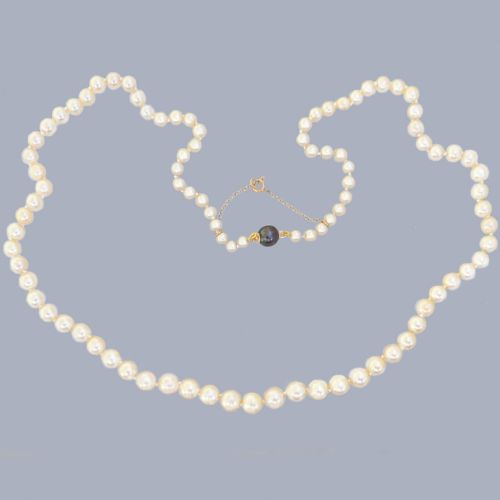
A vintage gold pearl clasp typically secures multi-strand or single-strand pearl necklaces and bracelets originating from the early twentieth century through the nineteen-sixties. Buyers searching this phrase examine neckwear and wristwear featuring precious metal fasteners set with gemstones.
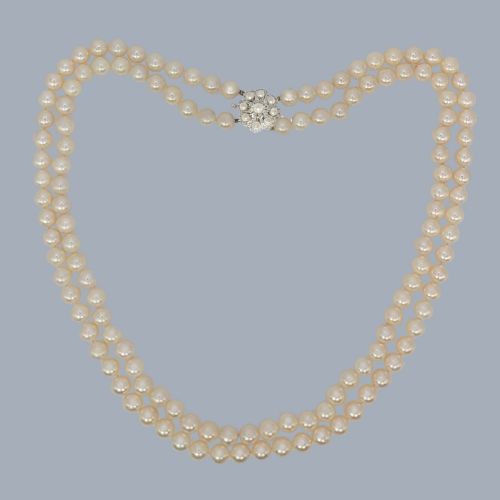
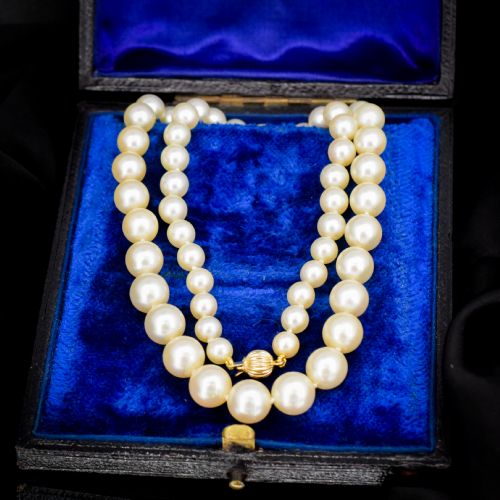
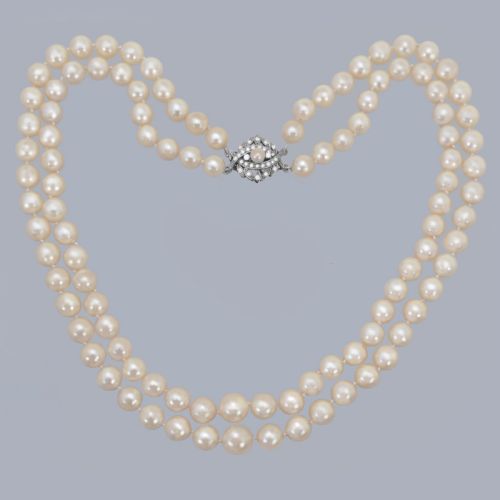
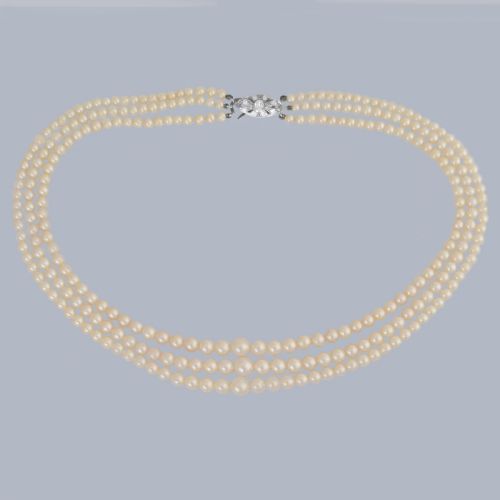
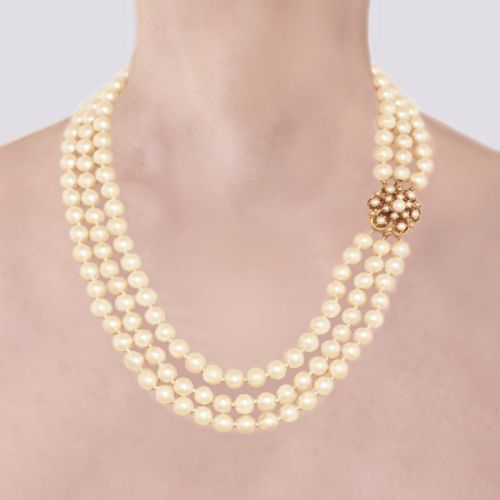
Most examples found on this page date from the nineteen-fifties and nineteen-sixties, often presented in double or triple strands. These items combine cultured or saltwater pearls with yellow gold, white gold, or platinum mountings.
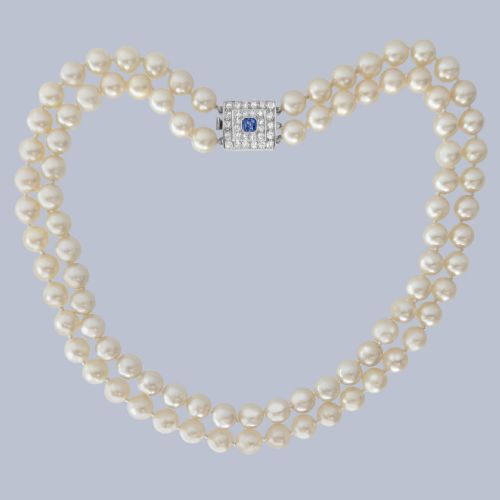
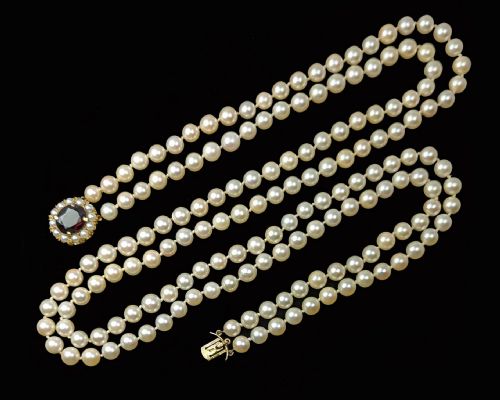
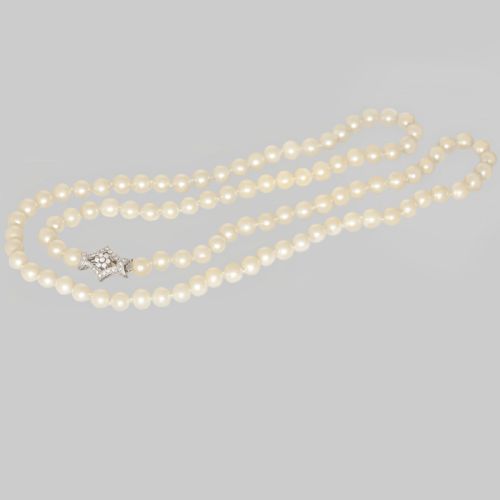
Object forms include chokers, multi-strand bracelets, and long sautoir necklaces. The fasteners themselves frequently double as decorative centerpieces containing diamonds, sapphires, garnets, or amethysts.
What varies in quality
Quality differences stem from the origin and lustre of the pearls, ranging from freshwater seed pearls to certified saltwater cultured pearls. Uniformity in size, shape, and surface smoothness across multi-strand layouts dictates the tier of the piece.
Listings feature items dated from nineteen hundred through nineteen sixty-nine, spanning Edwardian, Art Deco, and mid-century styles.
Cropp and Farr·Unoaerre Italy
The Vintage Gold Pearl Clasp Glossary
- Cultured pearl
- A pearl farmed using human intervention by inserting a nucleus into an oyster or mussel. These form the bulk of mid-century strands found in the archive.
- Graduated pearl
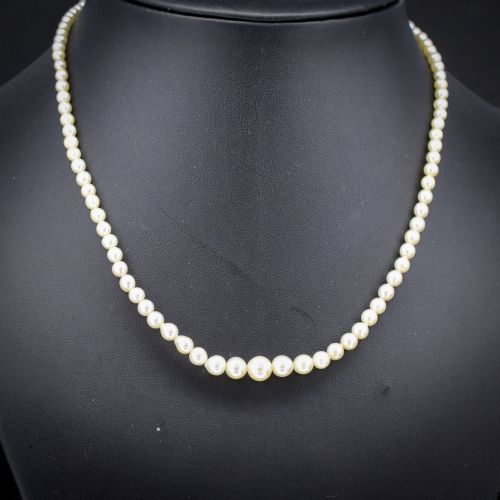
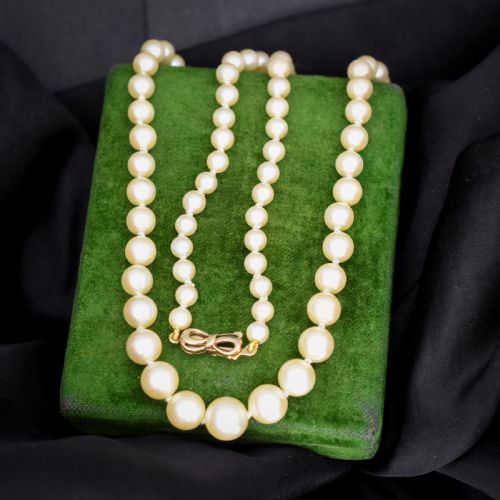
- Pearls arranged by size on a strand, with the largest bead positioned centrally at the front. Smaller pearls taper gradually toward the clasp at the back.
- Seed pearl
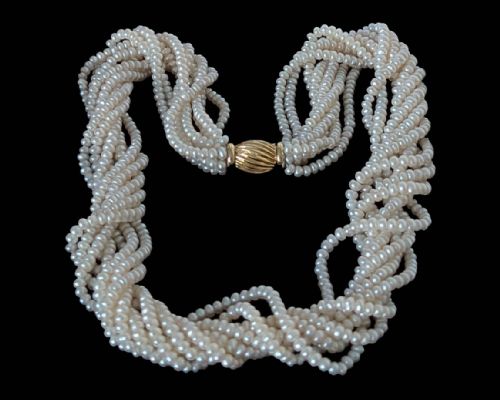
- Very small, naturally formed or freshwater pearls often utilised in multi-strand configurations. They create delicate, dense textures popular in Edwardian and mid-century designs.
- Saltwater pearl
- Pearls grown in marine molluscs, highly prized for their deep orient and lustre. They frequently appear in certified Art Deco and vintage pieces.
- Hand knotted
- Individual knots tied in the silk cord between every pearl. This technique stops the pearls from rubbing together and prevents total loss if the strand breaks.
Vintage Gold Pearl Clasp: Frequently Asked Questions
How do I care for my pearl necklace?
Store pearl necklaces flat in soft pouches away from hard jewellery to avoid scratching the delicate nacre surfaces. Wipe them gently with a damp cloth after wearing to remove oils and cosmetics.
Avoid submerging vintage silk-strung necklaces in water or cleaning solutions, as moisture weakens the traditional thread. Have a professional check the hand-knotting periodically if you wear the piece frequently.
Are vintage clasps interchangeable?
Vintage clasps form an integrated structural component of the necklace or bracelet design rather than easily swappable elements. The pearl strands attach permanently to the loops or boxes of the specific gold fitting.
Altering or replacing a clasp requires professional jeweler intervention to secure the new fixture to the existing silk threads or wire.
How do I date a pearl clasp?
Examine the metalwork for official hallmarks indicating assay office symbols and date letters. British pieces often feature specific stamps from London or Birmingham alongside fineness marks for nine-carat or eighteen-carat gold.
Stylistic cues such as geometric platinum Art Deco mountings or organic mid-century floral cluster shapes provide additional chronological context when hallmarks are absent.
What is the difference between single and multi-strand?
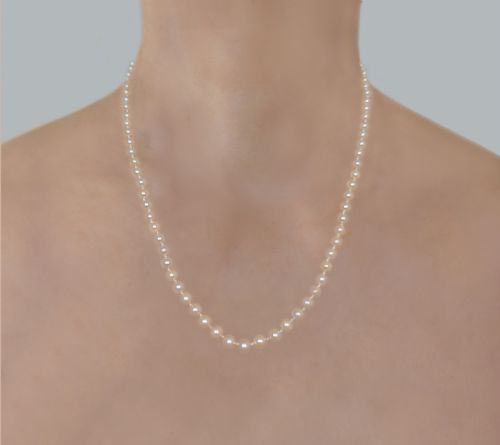
Single-strand pieces feature one line of pearls running from the clasp around the neck or wrist. Multi-strand versions use two, three, or more parallel rows secured by specialised box clasps.
Multi-strand layouts create a fuller, broader profile that showcases the decorative gemstone clasp prominently at the front or side.