

Vintage Gold Locket Pendant
A vintage gold locket pendant carries secret photographs, hair, or keepsakes close to the heart in a hinged gold case.
Vintage Gold Locket Pendant
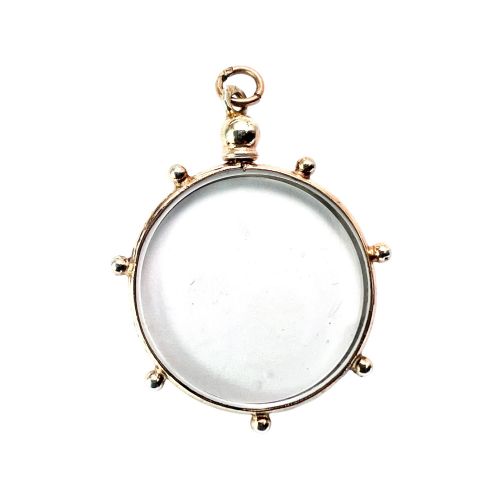
A vintage gold locket pendant is an opening metal ornament designed to hold miniature portraits, locks of hair, or small mementoes within a hinged compartment. When you search for this phrase, you encounter pieces that function simultaneously as jewellery and as personal reliquaries.
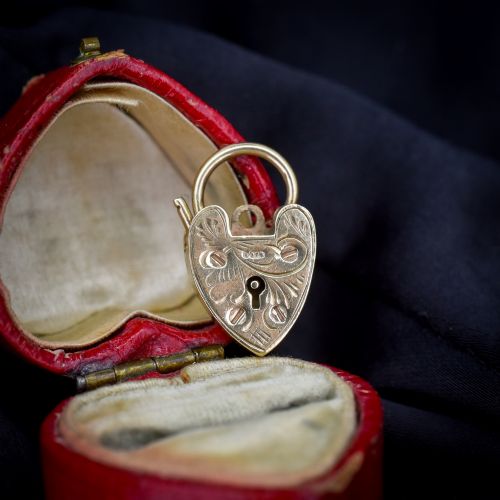
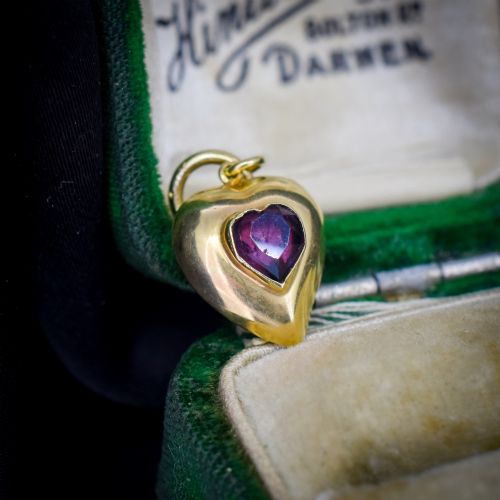
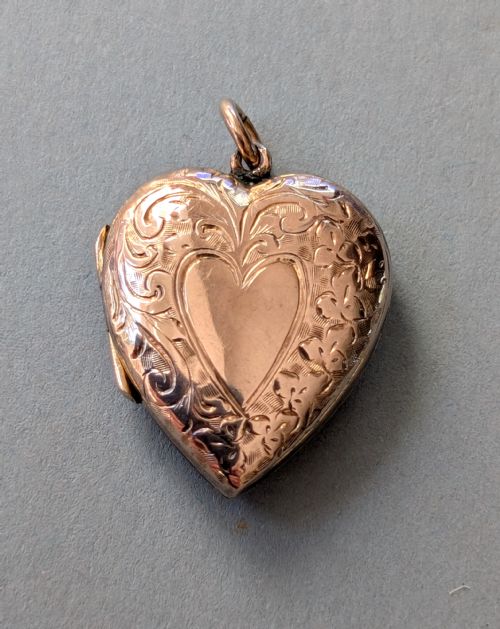
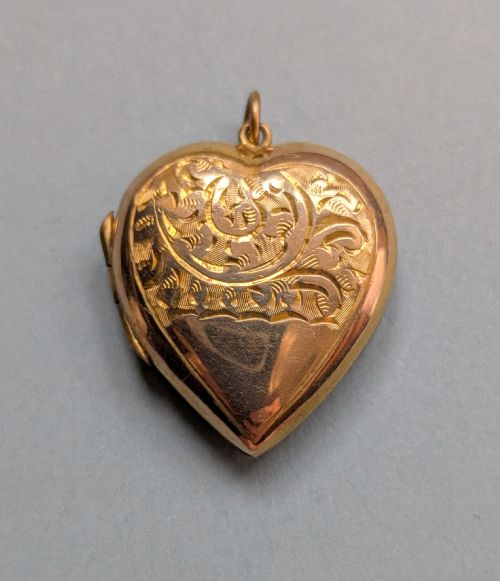
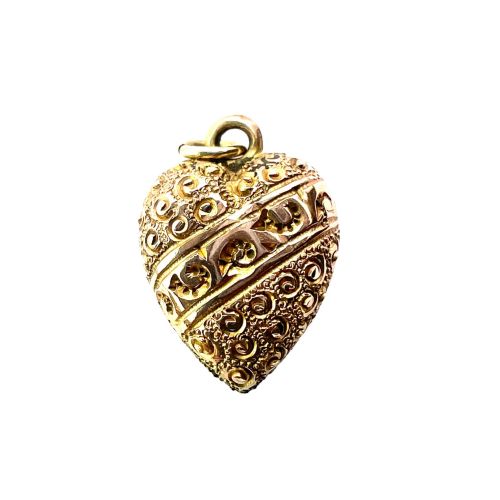
The versions you meet most frequently on this page span the Victorian and Edwardian eras through to the mid-twentieth century, predominantly rendered in yellow or rose gold. These objects take familiar sentimental shapes such as hearts, ovals, rounds, and book forms, often suspended from chains or worn as watch fobs.
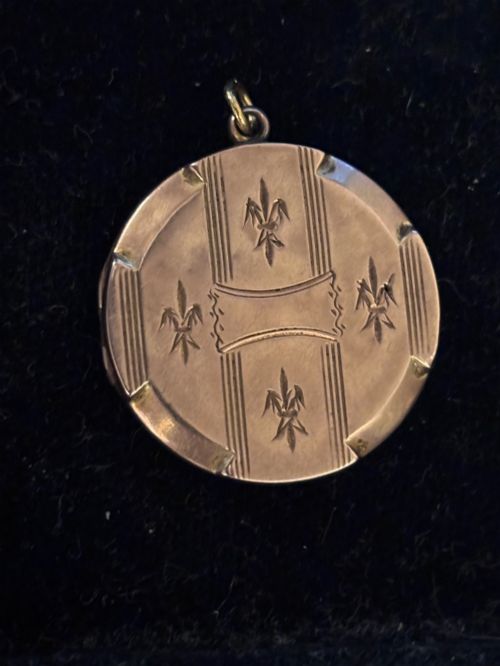
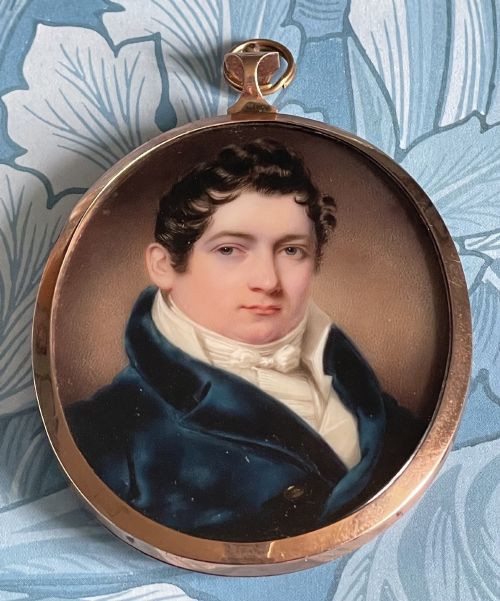
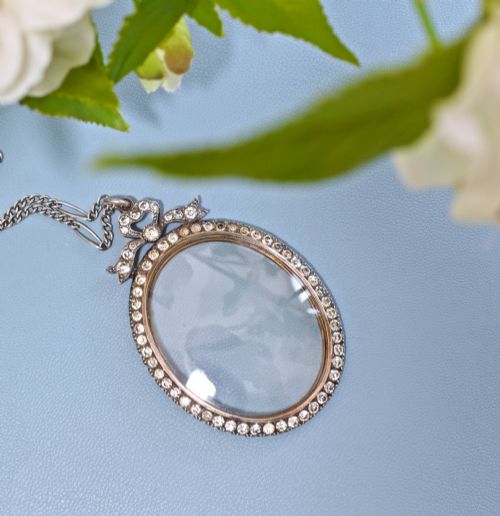
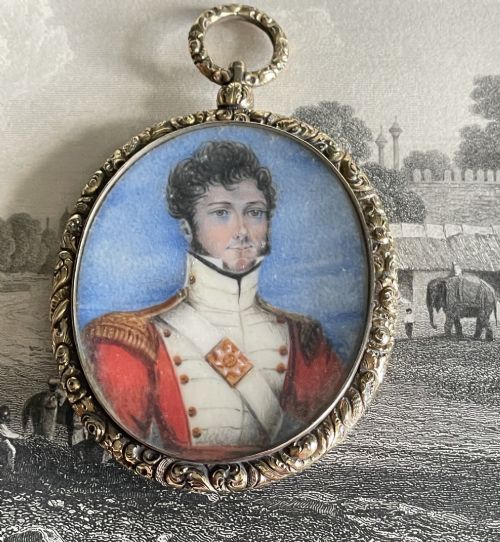
Many examples combine the primary metal enclosure with decorative motifs including hand engravings, floral wreaths, swallows, or bows. Others incorporate transparent glass covers or double-sided frames to display photographs or painted miniatures directly.
Materials and Construction
Makers constructed these lockets primarily from solid gold of varying carat standards, including nine carat, fifteen carat, and eighteen carat, alongside gold back-and-front configurations and rolled gold. Yellow and rose gold dominate the selection, frequently paired with silver elements in older composite pieces.
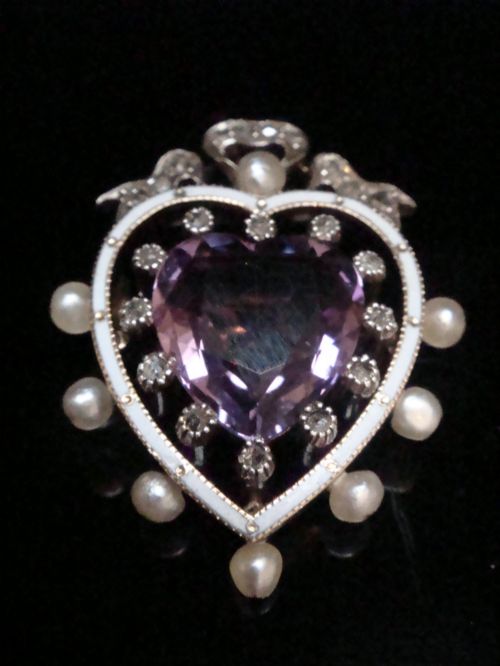
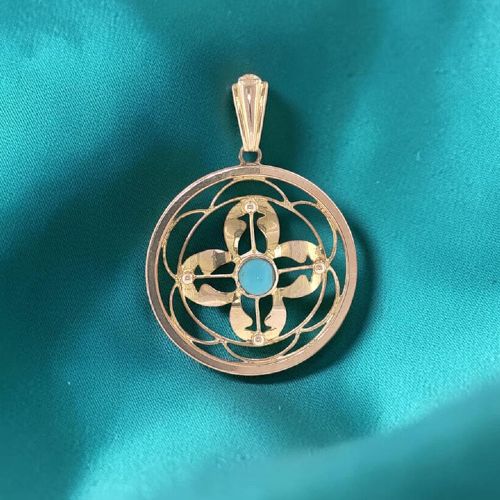
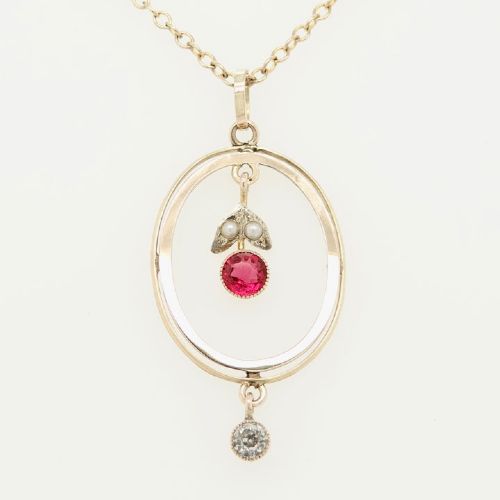
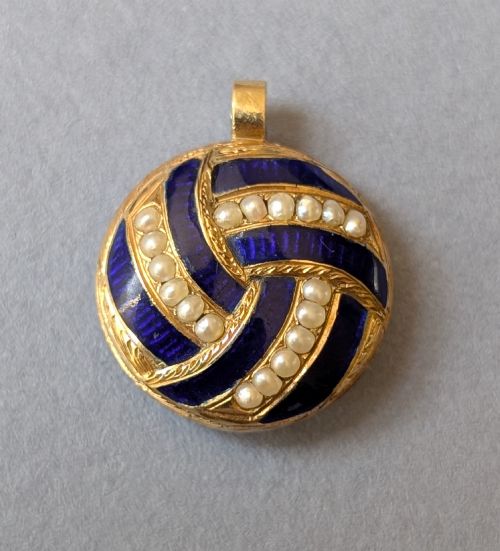
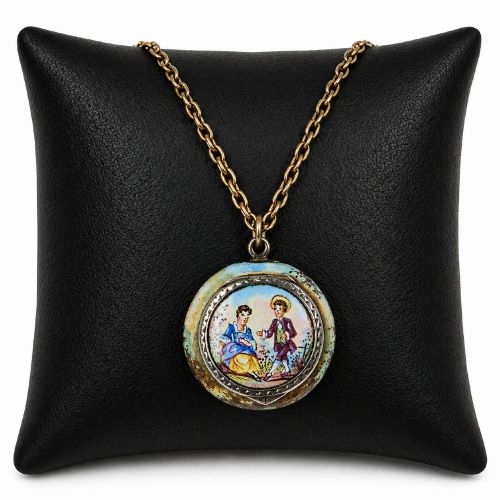
Surface ornamentation relied on meticulous hand engraving, guilloche enamel, and chased scroll patterns to articulate floral and geometric designs. Gemstones such as diamonds, seed pearls, turquoise, paste, and natural pearls were flush-set or applied to add colour and texture to the metal fronts.
Listings feature periods spanning the Georgian, Victorian, Edwardian, and mid-twentieth century eras in both solid gold and gold-plated forms.
Distinctions in Quality
The calibre of a piece rests heavily on the crispness of its hand engraving and the structural integrity of its hinge and clasp mechanism. Substantial gold weight and higher carat standards elevate a pendant above lighter, hollow, or back-and-front constructions.
Artistic execution dictates value at the upper end, visible in finely painted portrait miniatures, delicate guilloche enamel work, and well-matched, securely set natural pearls or diamonds rather than simple stamped metal.
John C D Engleheart
The Vintage Gold Locket Pendant Glossary
- Locket
- A small ornamental case worn on a chain around the neck, used to hold items of sentimental value such as photographs or locks of hair.
- Guilloche enamel
- A decorative technique where a transparent enamel is applied over metal that has been engraved with an intricate repetitive pattern.
- Paste
- Hand-cut glass or lead crystal used to imitate gemstones in antique and vintage jewellery.
- Back and front
- A method of construction where the exterior plates are made of gold and the interior mechanism or lining utilises a base metal.
- Watch fob
- A short strap, ribbon, or chain attached to a pocket watch, frequently adapted to hold pendants and lockets.
Vintage Gold Locket Pendant: Frequently Asked Questions
What goes inside a vintage locket?
These compartments traditionally house small paper photographs, hand-painted portrait miniatures, dried flowers, or woven locks of human hair kept in remembrance of loved ones.
Later twentieth-century versions focus primarily on family photographs cut to fit the inner frame or transparent glass plates.
How do you open a hinged locket?
Most pieces feature a tiny thumbnail notch or a small side hinge that releases the snap closure when gently pressed with a fingernail.
Care is required with antique items to avoid straining the original hinge or bending the gold plates.
What is gold back and front jewellery?
This method uses thin sheets of solid gold for the visible exterior front and back surfaces of the pendant while housing the internal structure in a base metal.
It allowed makers to produce visually substantial pieces at a more accessible cost during the Victorian and Edwardian periods.
How can you date a gold locket?
Stylistic clues such as floral engraving, enamel techniques, and gemstone settings provide the primary indication of a piece's period of origin.
Internal hallmarks and maker stamps, where present, offer more precise verification of the metal purity and manufacturing year.