
Vintage Gold Lavalier Pendant
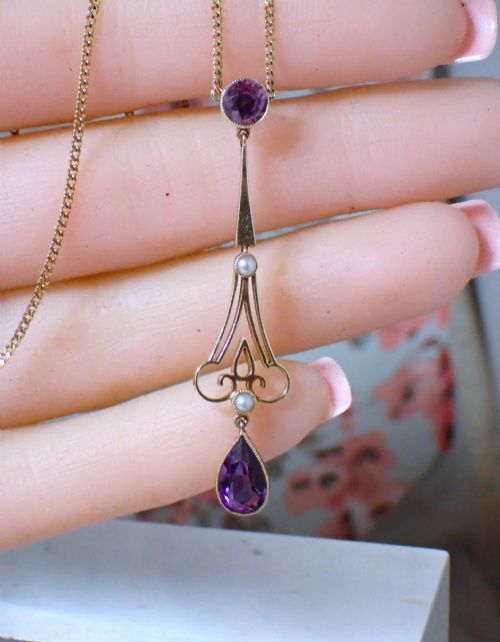
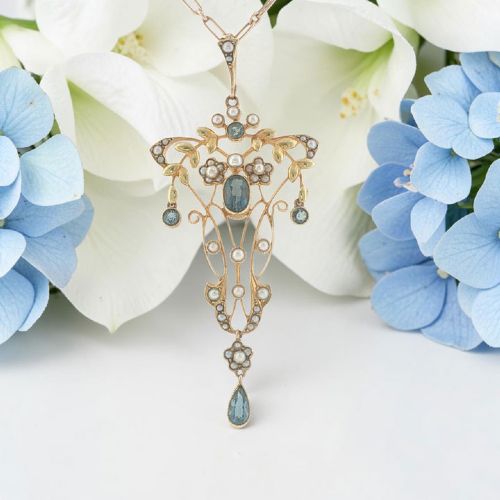
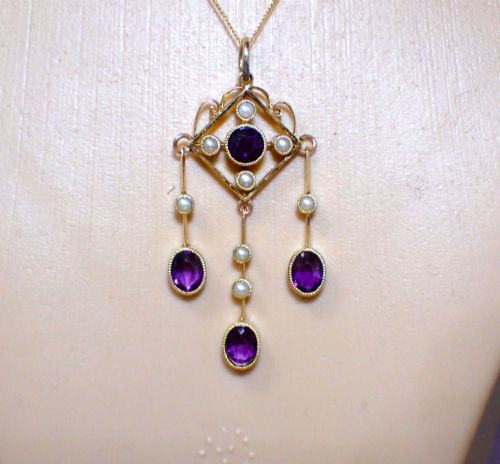
A vintage gold lavalier pendant brings delicate Edwardian and Victorian grace to the neckline, suspended with pearls and vibrant gemstones for everyday elegance.
Vintage Gold Lavalier Pendant
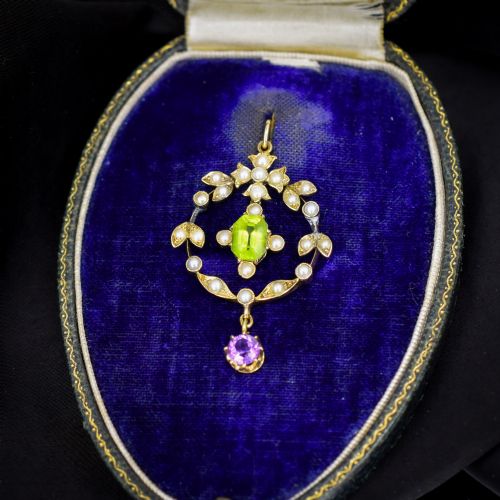
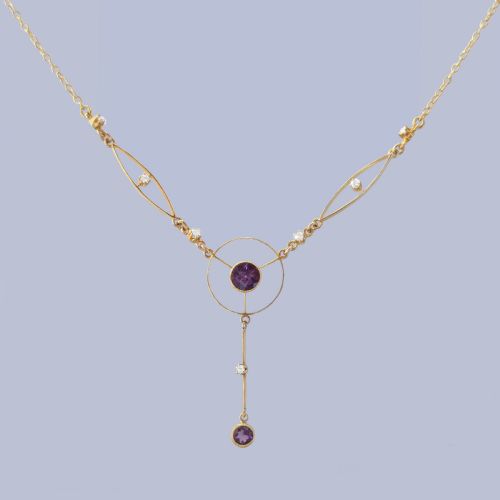
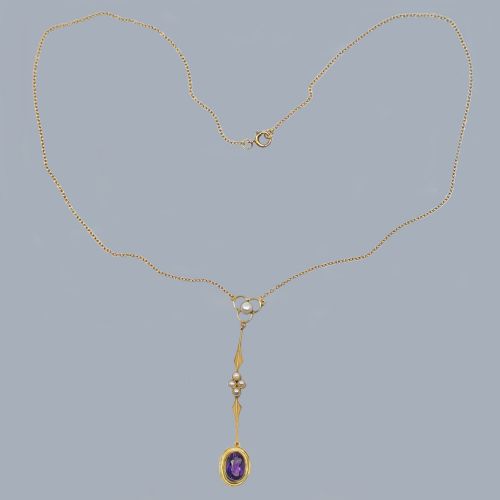
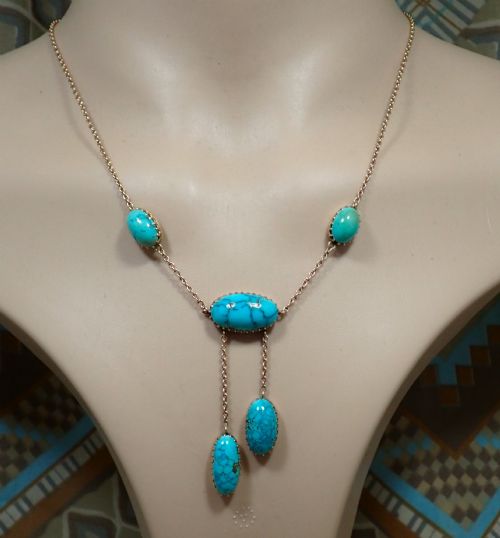
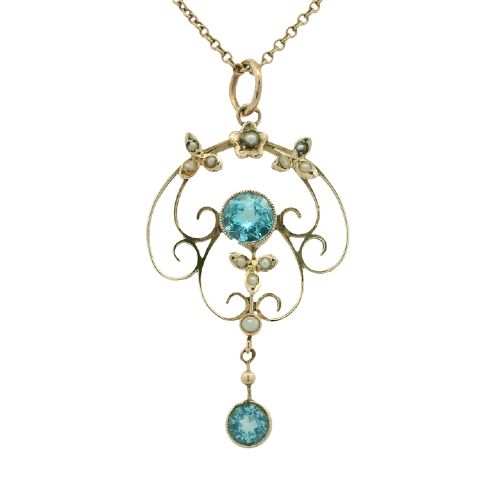
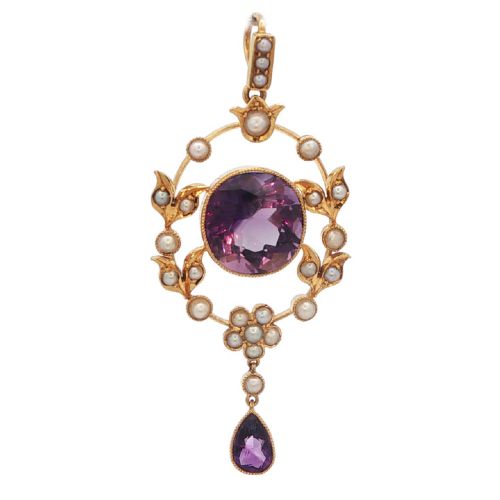
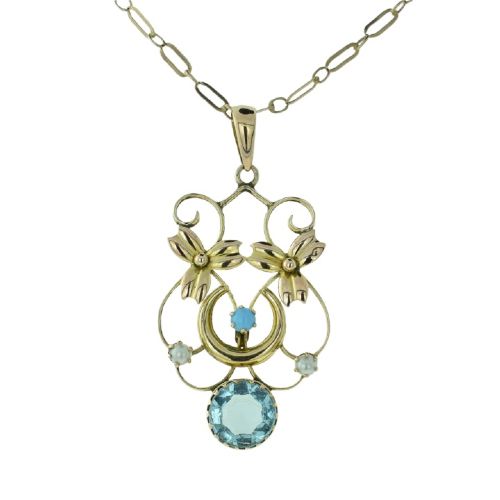
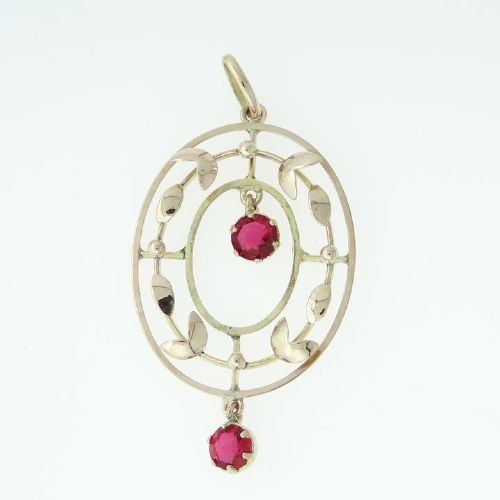
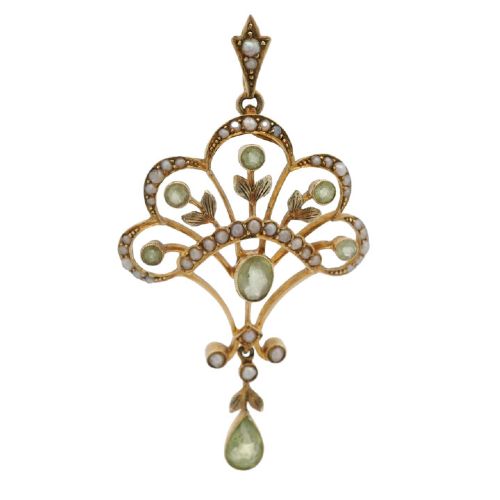
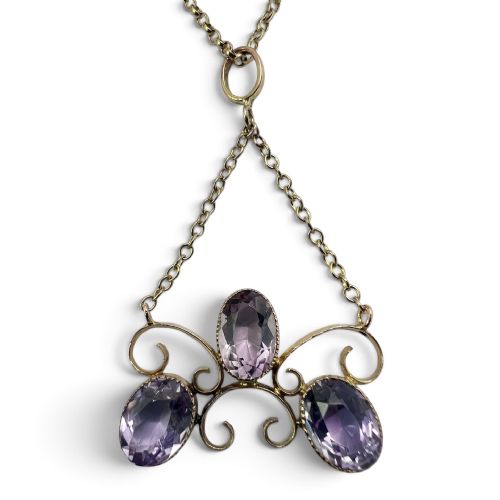
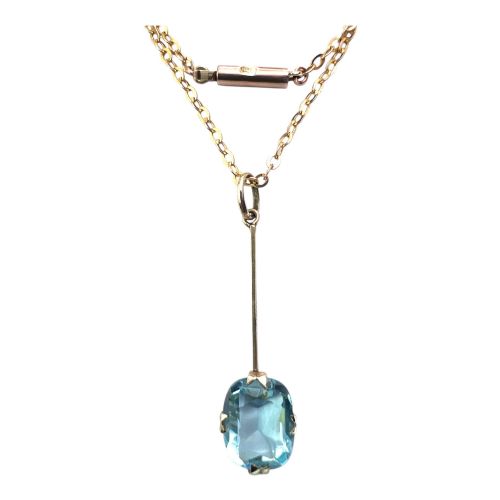
A vintage gold lavalier pendant is a pendant necklace featuring a central drop design, closely associated with Edwardian, Art Nouveau and Victorian aesthetics. These pieces typically display delicate goldwork set with gemstones like amethyst, peridot, aquamarine, turquoise, and tourmaline.
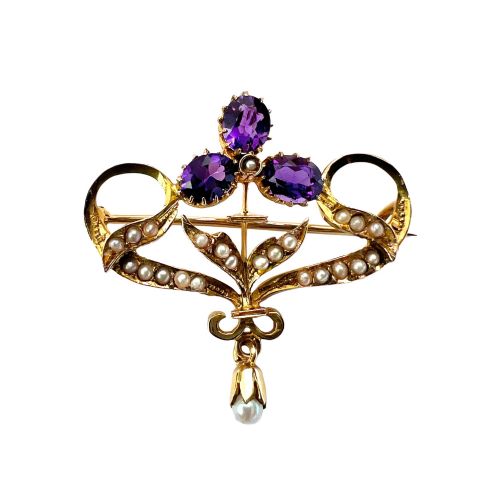
Most examples found in these listings date from the late nineteenth century through to the Edwardian period, often incorporating fine seed pearls and drop elements. The forms range from symmetrical Edwardian geometry to flowing Art Nouveau plant motifs.
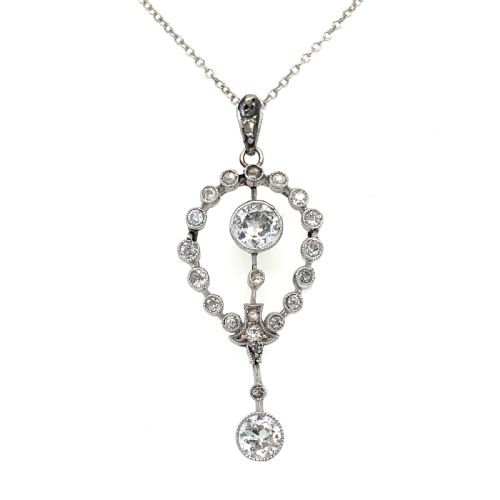
Makers and goldsmiths utilised yellow gold, rose gold, and occasionally platinum, shaping necklaces and convertible brooch-pendant combinations designed to hang centrally below the collarbone.
Materials and construction
Goldsmiths worked primarily in nine-carat, fifteen-carat, and eighteen-carat gold, combining yellow and rose hues alongside platinum sections for diamond settings. These metals were shaped into fine chain links, pierced frames, and articulated drop mounts.
Natural gemstones such as amethyst, peridot, aquamarine, and diamond were secured alongside delicate seed pearls threaded or pegged by hand. Art Nouveau interpretations utilised fluid, asymmetrical casting and wirework to mimic natural botanical lines.
Several pieces double as brooches, allowing a Victorian lady to pin her necklace to her bodice when fashion demanded.
What sets individual pieces apart
Quality rests upon the crispness of the pierced metalwork and the precision of the stone setting, where hand-beaded seed pearls and securely mounted drops indicate higher workshop standards. Pieces utilising higher carat gold alloys or platinum tend to display more intricate detailing.
The choice and matching of gemstones also elevate certain examples, particularly where vibrant amethysts, peridots, or aquamarines are accompanied by well-matched pearls. The presence of a legible maker's mark or original chain further distinguishes the finer items.
S. Blanckensee & Son
The Vintage Gold Lavalier Pendant Glossary
- Lavalier
- A necklace featuring a pendant with one or more hanging drops suspended below the main body. This style gained immense popularity during the Edwardian era.
- Seed pearl
- A very small, naturally formed or cultured pearl used extensively in clusters and borders. They are traditionally threaded on silk or held with tiny pins.
- Negligee necklace
- A specific pendant style featuring two asymmetrical drops suspended from a central bar or motif. They are typical of the Edwardian and late Victorian periods.
- Carat
- A unit measuring the purity of gold used in jewellery construction. Nine-carat, fifteen-carat, and eighteen-carat alloys appear frequently in these pieces.
Vintage Gold Lavalier Pendant: Frequently Asked Questions
What is a lavalier pendant?
A lavalier pendant is a decorative necklace featuring one or more dangling drops suspended from a central motif. They became particularly fashionable during the early twentieth century.
These pieces are designed to sit gracefully on the chest, often incorporating pearls and coloured gemstones to catch the light.
How do I date a gold pendant?
Dating involves examining the metal purity marks, stone cuts, and overall stylistic characteristics. Edwardian pieces often feature platinum-topped gold and seed pearls.
Victorian and Art Nouveau examples introduce distinct foliate motifs and different alloy standards like fifteen-carat gold.
Are these pendants wearable daily?
These antique necklaces remain wearable with careful handling, given their delicate construction and fine seed pearls. Removing them before sleeping or physical activity preserves their delicate drops.
Gentle cleaning without harsh chemicals protects the original gold settings and natural pearls.
What stones are used in Edwardian pendants?
Edwardian jewellers favoured amethysts, peridots, aquamarines, and diamonds paired with seed pearls. These stones were chosen for their bright colour and compatibility with delicate gold settings.
Turquoise and tourmaline also appear frequently, reflecting the varied gemstone palette of the period.