


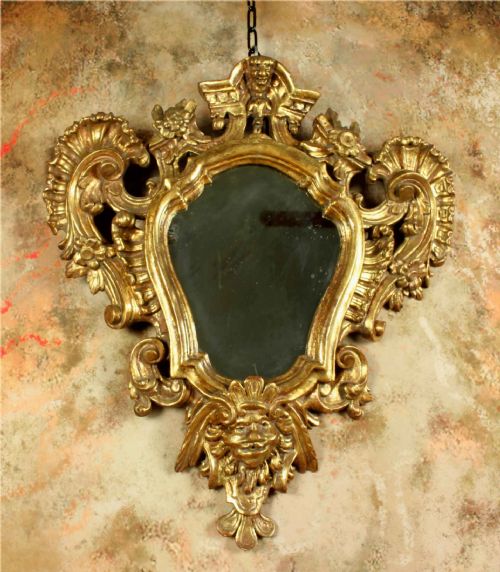
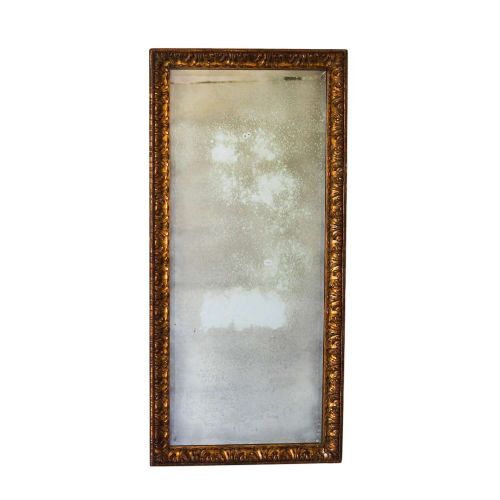
Vintage Gold Hanging Mirror
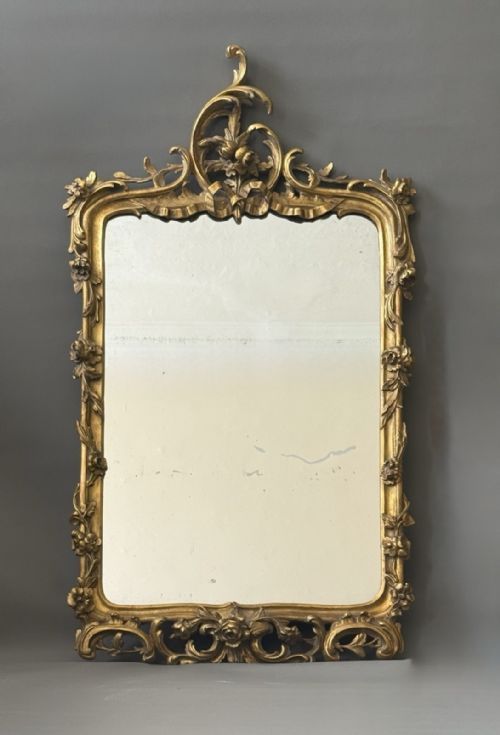
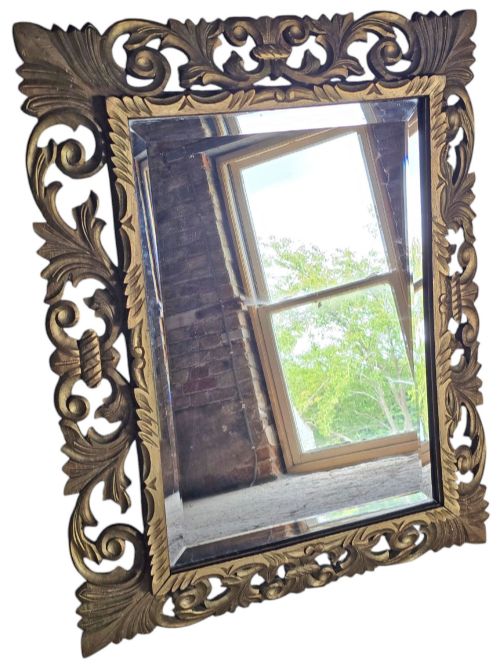
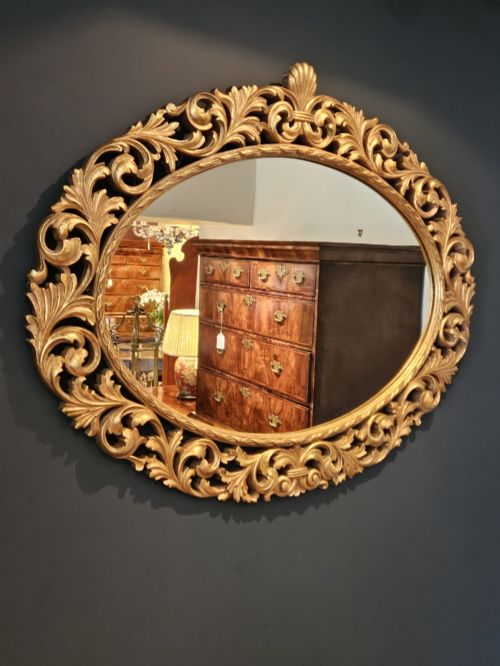
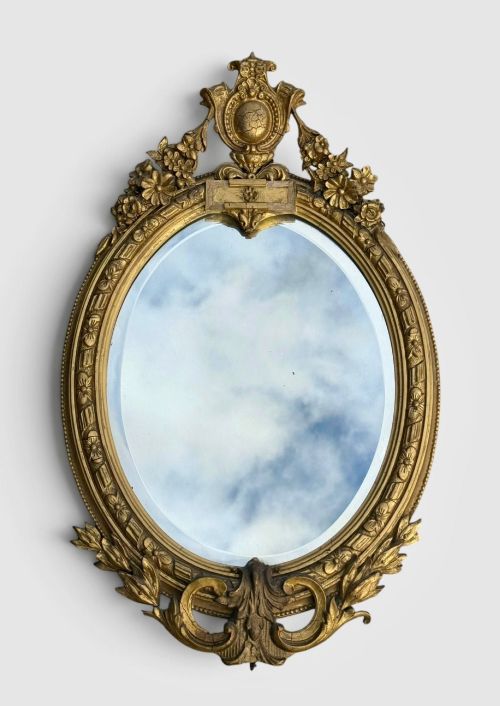
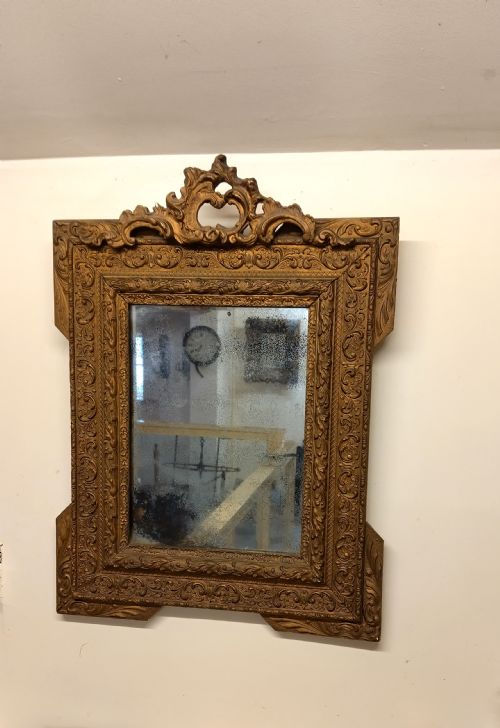
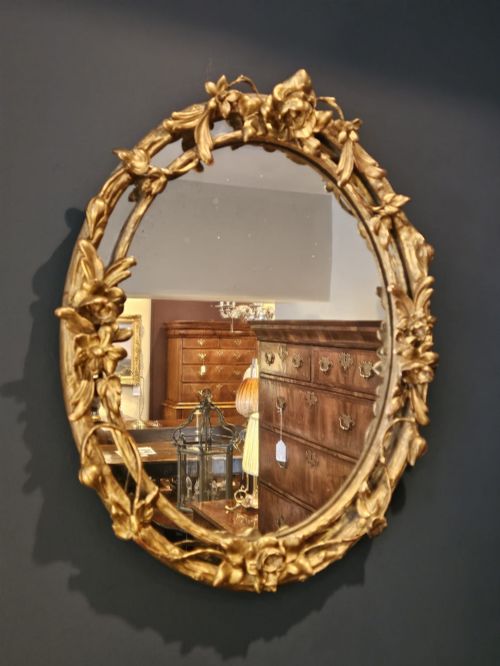
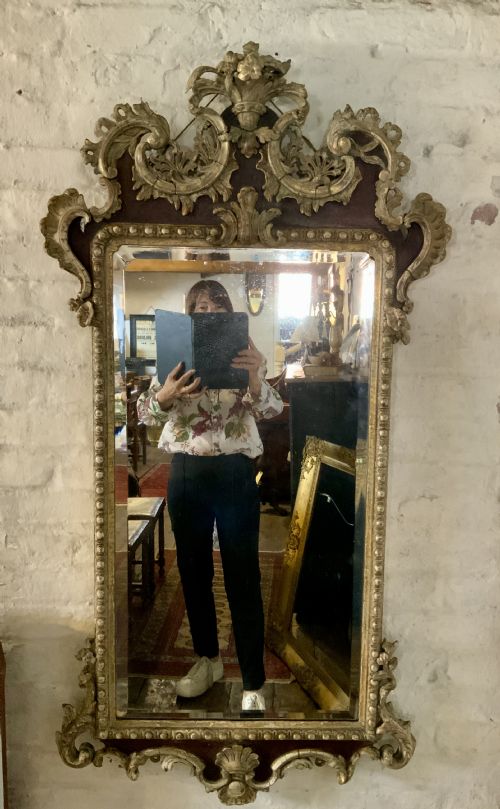
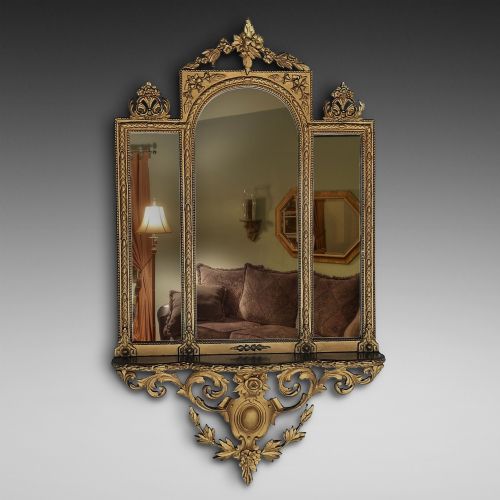
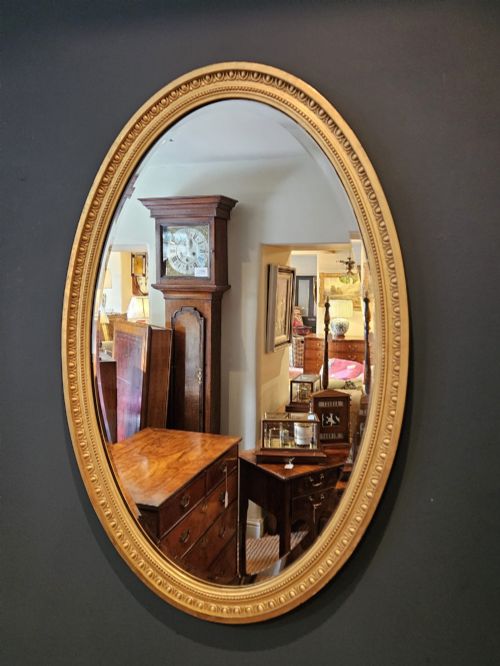
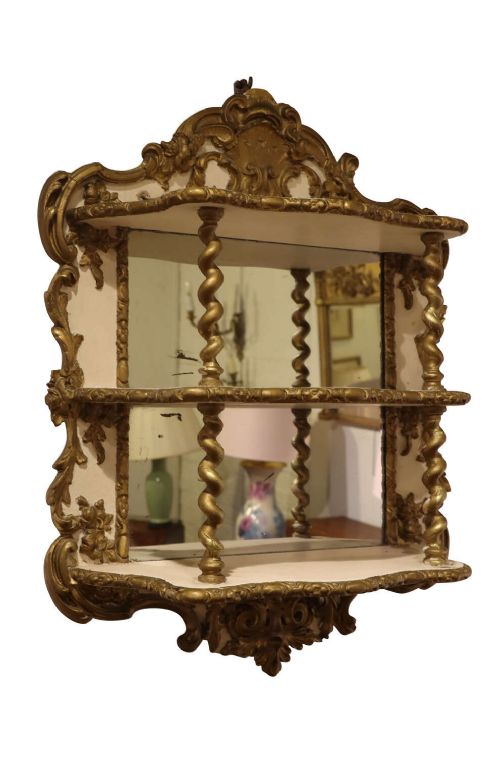
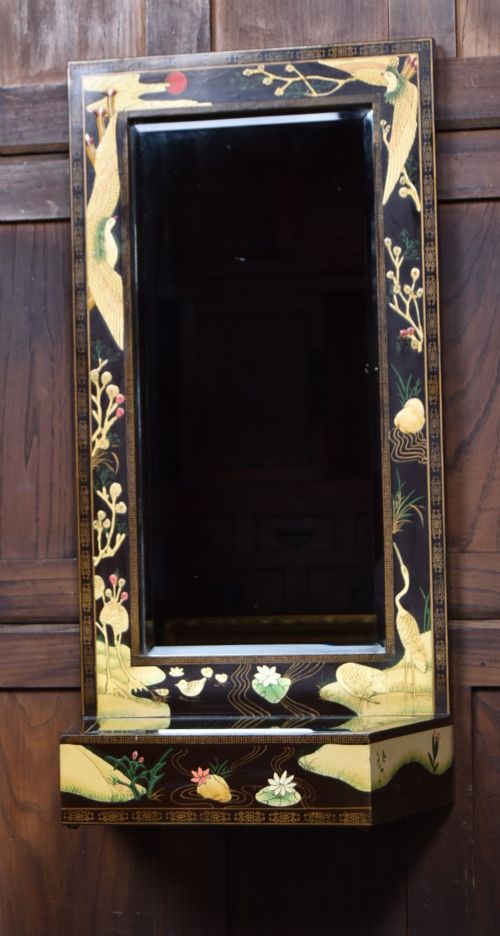
These vintage gold hanging mirror examples combine reflective glass with giltwood, gesso and brass frames for wall display.
Vintage Gold Hanging Mirror
A vintage gold hanging mirror brings together reflective glass and gilded timber frames designed for wall placement. Buyers searching for a vintage gold hanging mirror encounter pieces spanning from the eighteenth century through the early twentieth century.
The selection includes French Rococo and Rococo Revival forms, alongside Italian Florentine carvings and Victorian wall mirrors. Oval, rectangular and overmantle formats dominate the choices found in this group.
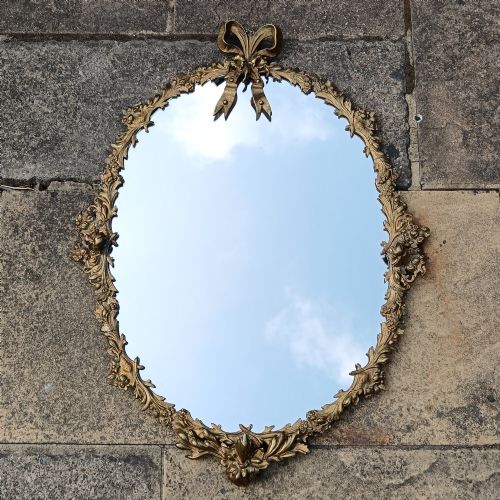
Many items display intricate floral motifs, carved timber, or pressed brass elements. These mirrors function as both practical reflective surfaces and decorative statements within a room.
Materials and construction methods
Frames rely heavily on timber foundations such as wood, oak, or walnut, shaped through carving. Artisans applied gesso layers over wood to build up intricate relief details before applying gold leaf or gilt finishes.
Alternative construction methods involve pressed brass and composition materials moulded into ornate decorative borders. Glass plates range from antique mercury plates to later replacements set securely into the frames.
Assessing quality in gilt mirrors
Quality depends on the depth and crispness of the hand-carved details within the gesso and giltwood. Superior examples exhibit sharp botanical motifs, scrolls and figural elements without the softening found in lesser castings.
The integrity of the original gilding and the condition of the glass plate distinguish finer pieces. Hand-carved wooden frames demonstrate higher craftsmanship than mass-produced composition alternatives.
The Vintage Gold Hanging Mirror Glossary
- Giltwood
- Wood that has been coated with thin gold leaf or gold paint. This technique creates a luminous surface finish characteristic of antique frames.
- Gesso
- A plaster mixture applied to wood frames to create a smooth surface for carving and gilding. It allows artisans to shape intricate relief ornamentation.
- Mercury plate
- An early type of mirror glass backed with a mercury and tin amalgam. These plates often show characteristic dark speckling and age spots.
- Overmantle
- A large mirror designed to hang specifically above a fireplace mantel. These pieces usually span greater widths to balance the fireplace surround.
Vintage Gold Hanging Mirror: Frequently Asked Questions
How do I hang a heavy giltwood mirror safely?
Heavy frames require sturdy wall anchors fixed directly into masonry or wall studs to support the substantial weight of wood and gesso. Professional mirror hangers utilise heavy-duty D-rings and steel wire rated well above the weight of the piece.
Position the mirror at eye level to ensure proper reflection and to balance the proportions of the surrounding furniture.
What is the difference between gesso and carved wood?
Carved wood involves shaping the actual timber foundation into decorative patterns using chisels and gouges. Gesso is a plaster-like substance applied over a simpler wooden base and moulded or carved to achieve ornate relief.
Many antique frames combine both techniques, using a carved wooden structure enhanced with moulded gesso details.
How should I clean an antique gilt frame?
Dust the frame gently with a soft, dry ostrich feather duster or a clean, dry artist's paintbrush. Avoid using water, liquid cleaners, or chemical solvents, as moisture can lift the delicate gold leaf and gesso.
Keep the mirror away from direct sunlight and damp environments to preserve the integrity of the antique gilding.
Are antique mirror plates always replaced?
Many antique mirrors retain their original glass plates, which often display foxing, minor scratches, and darkened spots from age. Some pieces have received replacement glass over the centuries to restore clear reflections.
Original mercury plates are prized by collectors for their distinctive undulating surface and soft, atmospheric reflection.