

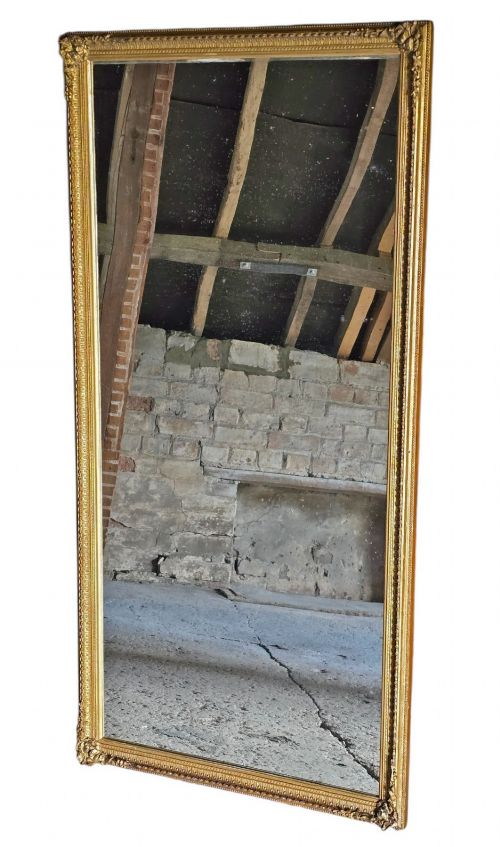
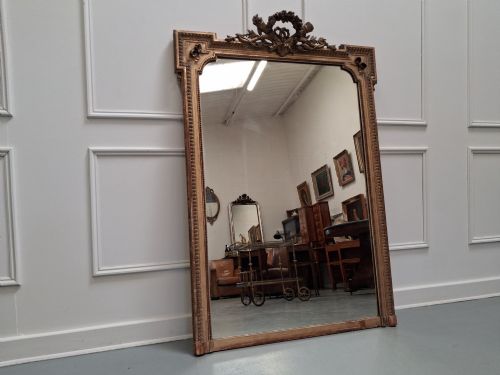
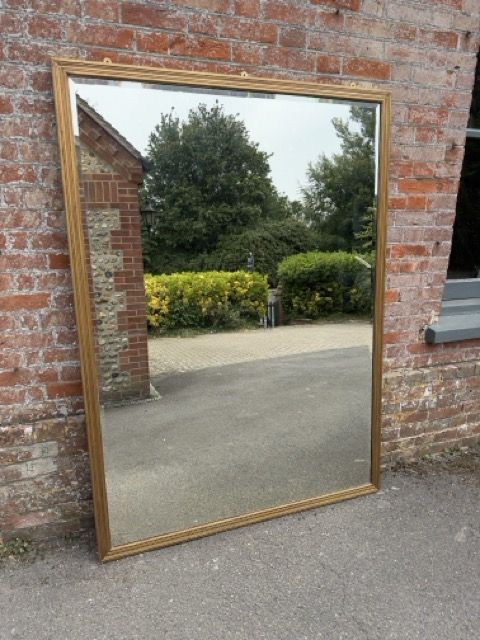
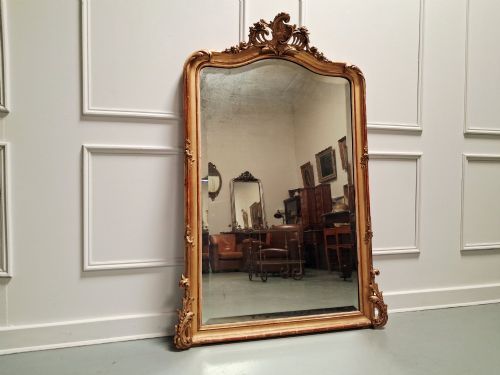


Vintage Gold Floor Mirror
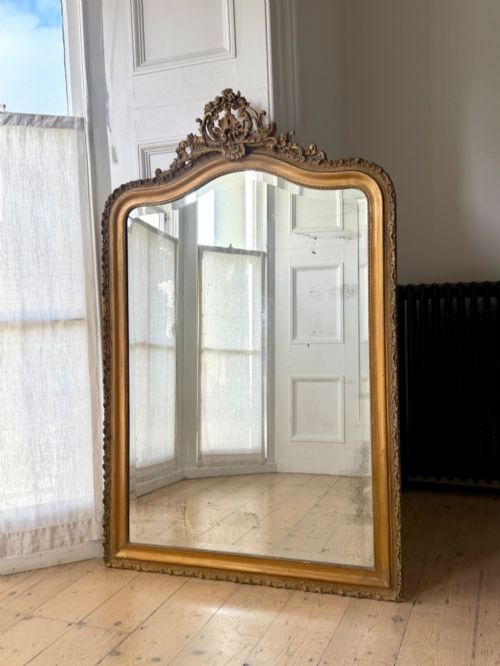
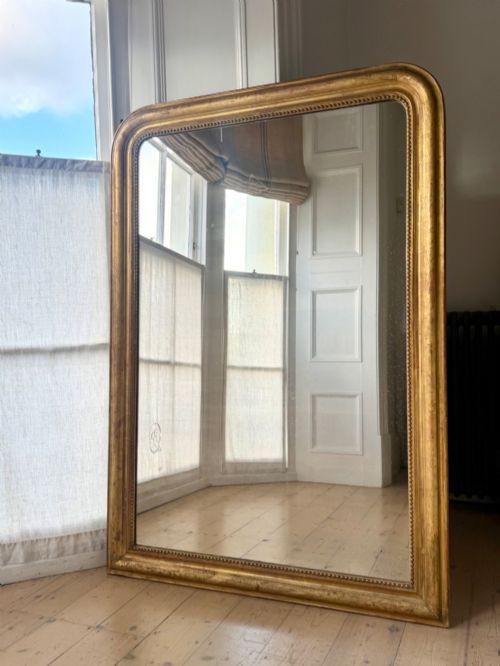
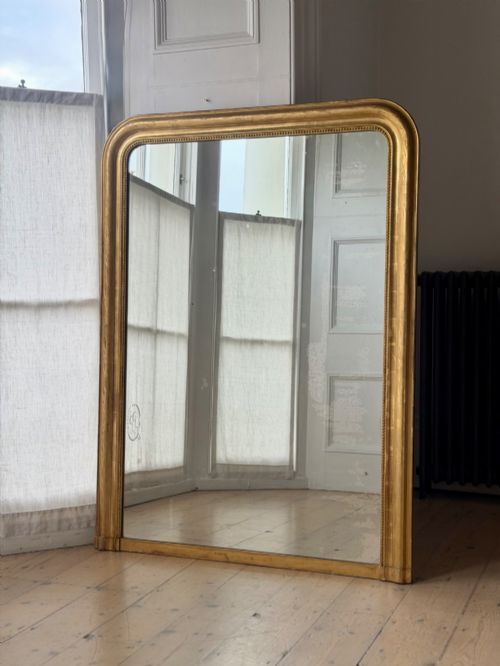
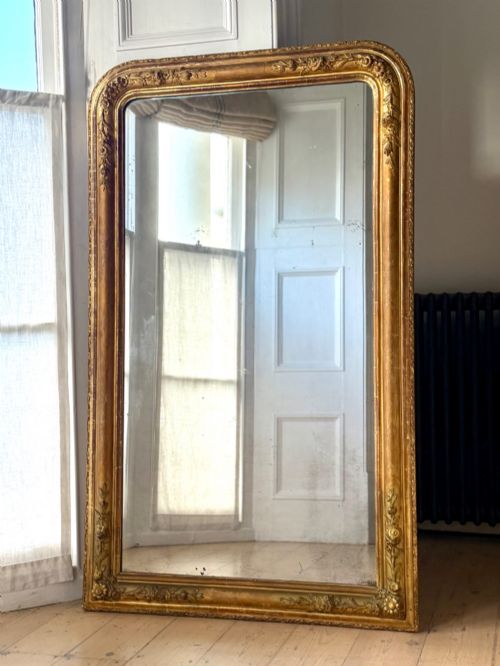
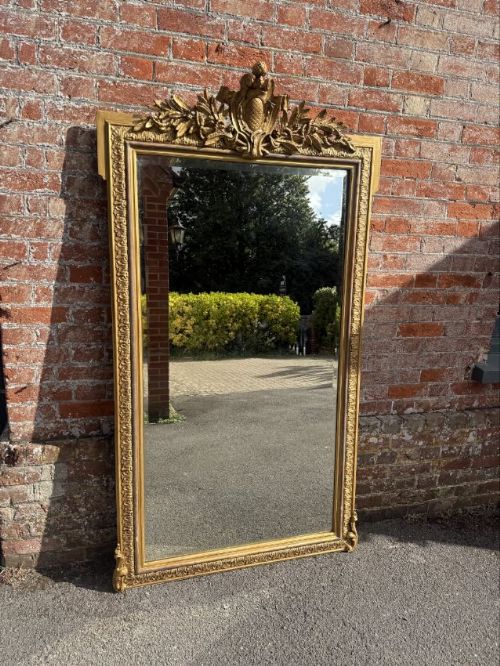
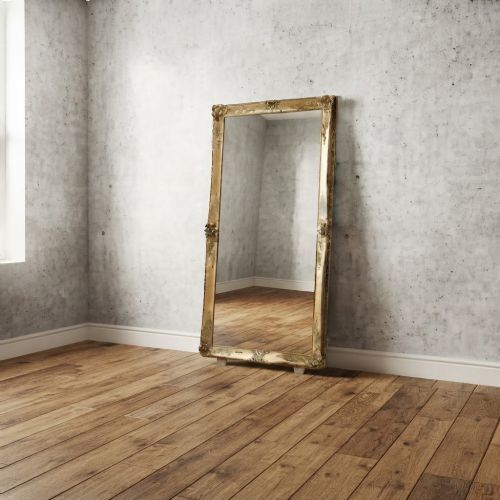
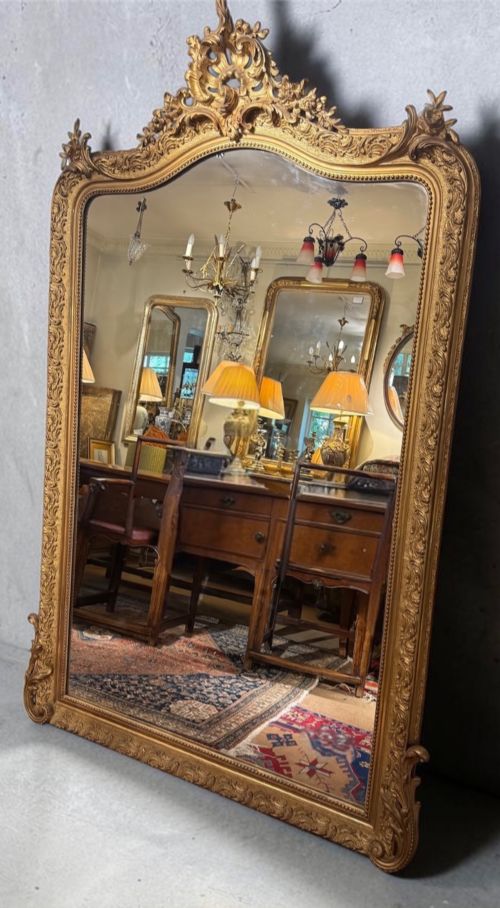
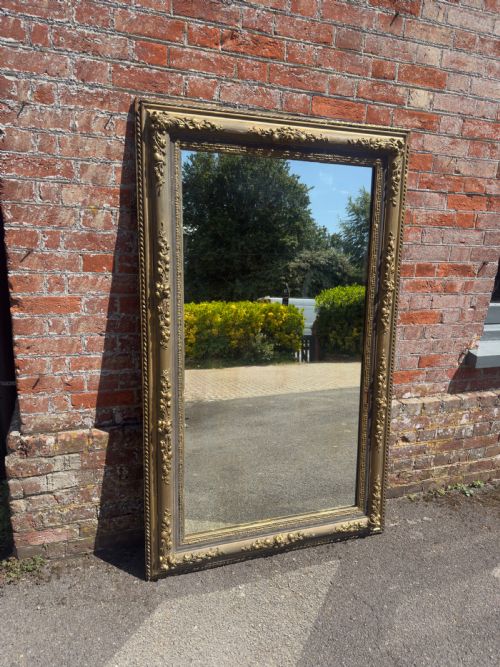
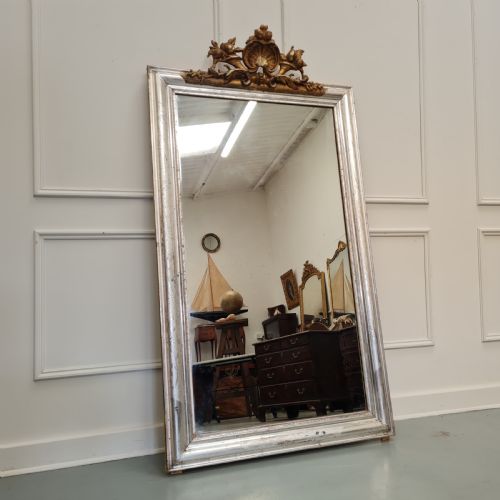
A vintage gold floor mirror brings scale and reflection to a room, framed in gilded timber or gesso from the nineteenth and early twentieth centuries.
Vintage Gold Floor Mirror
A vintage gold floor mirror is a large reflective glass panel set within a decorative wooden or gesso frame, designed to stand upon the floor or lean against a wall. When you search for a vintage gold floor mirror, you encounter substantial pieces originating primarily from nineteenth-century France and England, alongside some early twentieth-century examples.
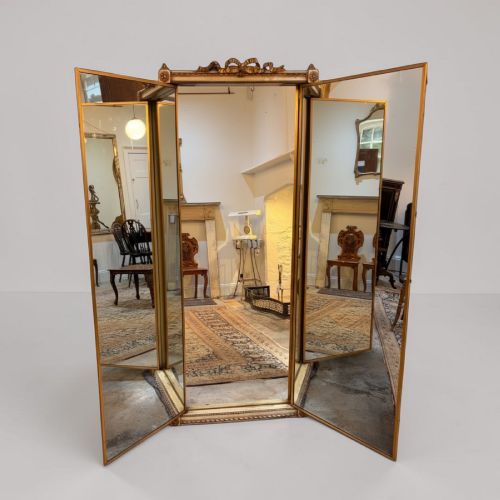
The most common forms on this page include full-length leaner mirrors, cheval mirrors, and tall architectural overmantel or pier mirrors adapted for floor placement. Styles span French Chateau, Louis Philippe, Rococo, and Victorian designs, featuring arched tops, rectangular proportions, and shaped frames.
How they were made
Frames for these mirrors were typically constructed from carved wood, plaster, and gesso before receiving layers of gold leaf or silver gilt. Artisans built up ornate decorative motifs in low relief upon wooden substrates, applying metal leaf by hand to achieve a luminous reflective surface.
Mirror glass of the period was set into these heavy frames, often retaining original qualities such as light foxing or subtle surface variations. English and French workshops utilised traditional joinery for the wooden structures to support the considerable weight of the glass.
Vintage Gold Floor Mirror Retail Price Guide 2026
Typical asking prices for vintage gold floor mirror among the pieces listed under this phrase on Sellingantiques today, from the lower quarter to the upper quarter. They describe what is for sale here now, not the wider market.
Materials recorded across these listings include gesso, giltwood, plaster, and mirror glass.
What varies in quality
The quality of a vintage gold floor mirror rests upon the crispness of the hand-carved wood and gesso ornamentation and the depth of the gilding. Superior examples display sharply defined scrollwork, floral motifs, and structural integrity that withstands the pressure of leaning or freestanding use.
Subtleties in finish, such as original parcel gilding or painted highlights beneath the gold leaf, distinguish finer workshop productions from simpler commercial frames. The weight and proportion of the frame relative to the glass size also signal the ambition of the original maker.
Charles Nosotti
The Vintage Gold Floor Mirror Glossary
- Giltwood
- Wood that has been coated with gold leaf or gold paint. This finish provides the characteristic metallic sheen seen on antique frames.
- Gesso
- A plaster-like mixture applied to wood frames to create a smooth surface for carving and gilding. It allows for intricate relief ornamentation.
- Cheval mirror
- A full-length mirror hung in a frame that allows it to swing or tilt. These freestanding pieces usually stand on four legs.
- Overmantel mirror
- A large mirror originally designed to hang above a fireplace mantel. Many examples are tall enough to function as floor mirrors.
- Pier mirror
- A tall, narrow mirror designed to fit on the wall space between two windows. They often feature arched or shaped tops.
Vintage Gold Floor Mirror: Frequently Asked Questions
How do I safely lean a heavy floor mirror?
Heavy nineteenth-century mirrors require secure positioning against a sturdy wall to prevent tipping. Many pieces include integrated anchor points or benefit from professional wall attachment behind the frame.
Ensuring the floor surface is level helps distribute the considerable weight of the carved wood and glass safely.
Are these mirrors genuinely old or recent reproductions?
The pieces listed originate from the nineteenth and early twentieth centuries, constructed using period materials like gesso, wood, and vintage glass. Evidence of age appears in the construction techniques and the natural patina on the frame and mirror plate.
Examining the backboards and joinery reveals the traditional methods employed by period workshops.
How do I clean an antique gilded frame?
Gilded surfaces require gentle dusting with a soft, dry brush to remove particles without disturbing the delicate gold leaf. Moisture and modern chemical cleaners can damage historical gesso and metal leaf.
Keeping the mirror away from direct heat sources preserves the wood beneath the finish.
What is the difference between a leaner mirror and a wall mirror?
Leaner mirrors are engineered with heavier proportions to stand securely against a vertical surface without hanging fixtures. Wall mirrors generally incorporate brackets or chains on the reverse for suspension.
Some large overmantel designs function effectively in both capacities depending on their height and weight distribution.