


Vintage Gold Enamel Charms
These vintage gold enamel charms are miniature works of art in precious metal, offering collectors whimsical narratives and intricate craftsmanship.
Vintage Gold Enamel Charms
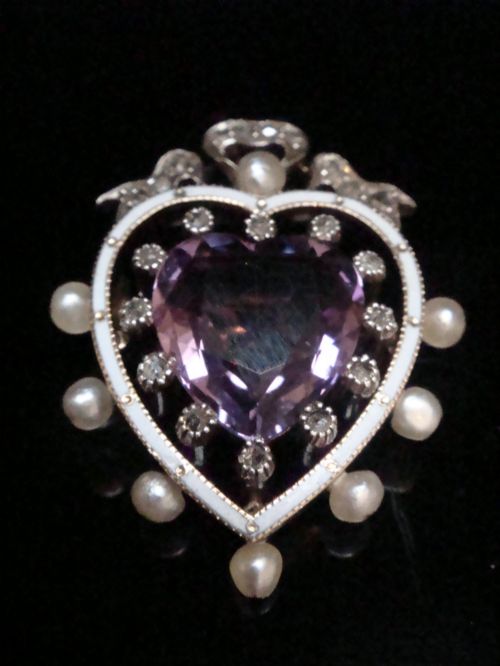
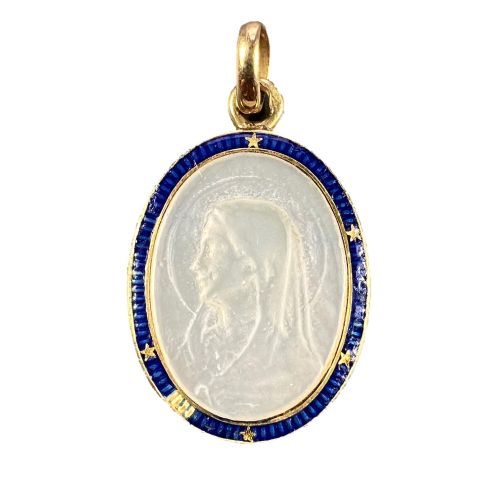
Pendants and charms take shapes such as hearts, crosses, playing cards, animals and architectural windows. Many incorporate detailed pictorial enamel work alongside pearls and mother of pearl.
How they were made
Goldsmiths utilised yellow gold in various purities, including nine carat, fifteen carat and eighteen carat, alongside gilt metal for structural elements. Enamel was applied to metal surfaces to create vibrant colours and opaque or translucent decorative fields.
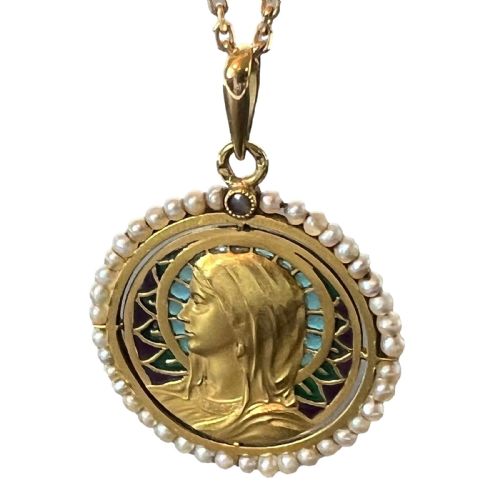
Techniques such as guilloche and plique-a-jour allowed light to pass through translucent enamel, often over engine-turned metal grounds. Artisans also integrated seed pearls, diamonds and mother of pearl into the enamel designs.
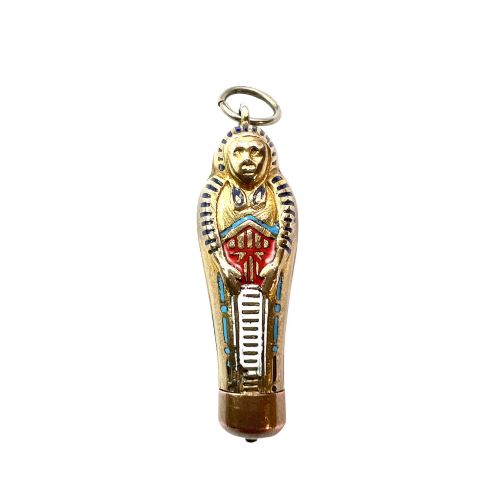
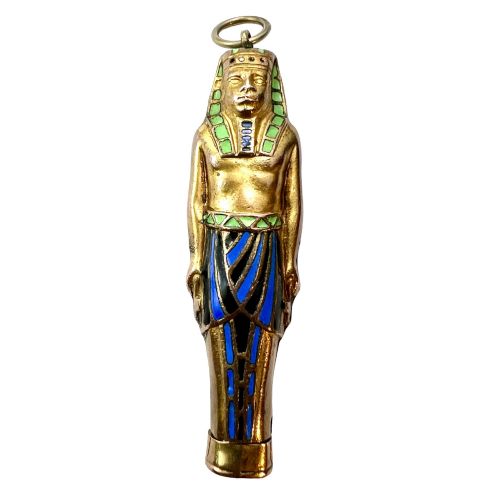
Miniature mechanisms appear in functional items like propelling pencils, watch keys and seals. Metalwork details were hand-engraved or cast to form figures, sarcophagi, animals and game cards.
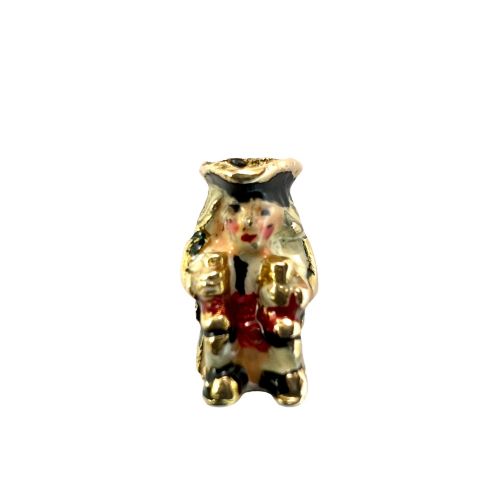
Carry a tiny enamel Toby jug or a fully functioning golden sarcophagus pencil right on your bracelet.
What varies in quality
The sophistication of the enamelwork determines much of the distinction between pieces, particularly where plique-a-jour or guilloche techniques create stained-glass effects or geometric patterns. Crisp lines in multi-coloured religious or novelty scenes require advanced skill from the jeweller.
The choice of supplementary materials elevates certain pieces, such as the inclusion of natural pearls, diamonds or high-purity eighteen carat yellow gold. Substantial gold weight and preserved mechanical functions in items like propelling pencils also set superior examples apart.
Chiappe
The Vintage Gold Enamel Charms Glossary
- Guilloche
- An ornamental pattern engraved onto metal by a machine before translucent enamel is applied over the top. This technique creates a repeating geometric wave or sunburst effect beneath the coloured glass.
- Plique-a-jour
- An enamelling technique where the enamel is applied within a cellular framework without a backing metal, allowing light to shine through transparently like miniature stained glass.
- Propelling pencil
- A mechanical writing instrument designed to hold a lead that advances through a rotating or sliding mechanism. These were frequently styled as novelty charms or fobs in gold and enamel.
- Seed pearl
- A very small natural or cultured pearl, often pierced and threaded or glued into jewellery designs. They frequently accent Edwardian and nineteenth-century gold enamel frames.
- Medal
- A flat, coin-like pendant, often religious or commemorative in subject. These pieces typically feature detailed enamel portraits or inscriptions on one or both sides.
Vintage Gold Enamel Charms: Frequently Asked Questions
What periods do these charms come from?
The pieces span multiple eras, beginning with eighteenth-century curtain tie backs and extending through Victorian, Edwardian, Art Nouveau and Art Deco periods.
Mid-century examples from the nineteen-fifties also appear alongside French antique and vintage items.
How were these charms used originally?
Many items functioned as personal talismans worn on bracelets or necklaces as pendants and medals. Others served practical daily functions as watch keys, seals or propelling pencils.
Larger decorative objects from the eighteenth century were utilised as architectural curtain tie backs.
What materials are used in these pieces?
Construction relies primarily on yellow gold in nine carat, fifteen carat and eighteen carat purities, supplemented by gilt metal. Vitreous enamel provides the colourful surface decoration across the objects.
Accents frequently include seed pearls, diamonds and mother of pearl set into the metalwork.
How do I identify French antique charms?
French pieces often take the form of specific cultural motifs like Virgin Mary medals, gambling card charms and Maltese crosses. They frequently employ intricate plique-a-jour enamel and high-purity eighteen carat yellow gold.
Stylistic markers align with French antique and vintage design movements of the early twentieth century.