




Sporting Jewellery Gold
Sporting jewellery gold pieces are wearable miniature trophies and pursuits rendered in precious metal, offering a tangible link to field, court, and track.
Sporting Jewellery Gold
When you search for sporting jewellery gold, you encounter miniature representations of animals, game, and athletic equipment fashioned into personal ornaments. The items available span brooches, stick pins, charms, pendants, medals, and bracelets.
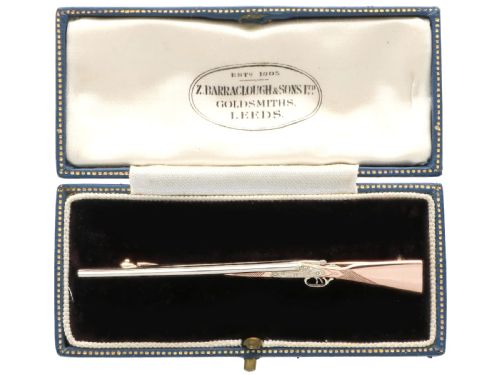
The pieces on this page originate from the Victorian, Edwardian, and mid-century periods, including the 1900s, 1920s, 1950s, and 1960s. You are most likely to meet gold brooches and charm pendants depicting birds, hunting scenes, and sporting implements.
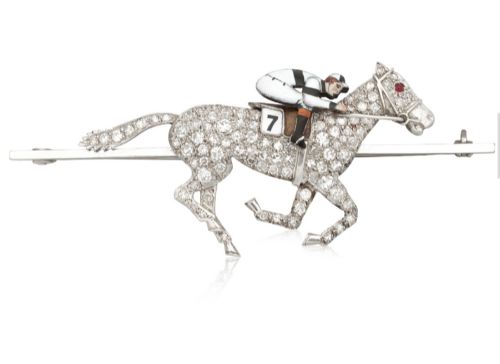
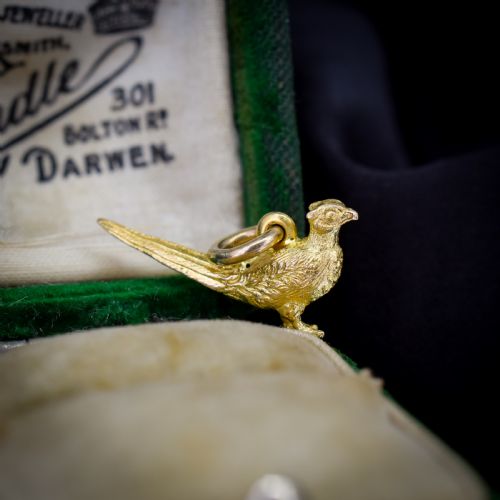
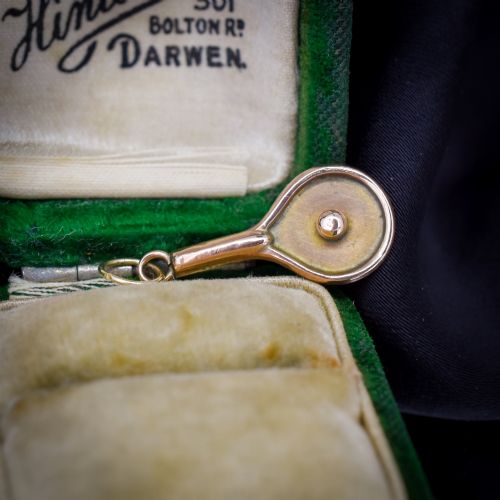
Motive and subject matter drive these designs, featuring pheasants, ducks, cockerels, foxes, hunting buggles, tennis rackets, and bicycles. Each form captures the leisure and pursuits of its specific era in solid metal.
How sporting jewellery gold was made
Goldsmiths utilised various purities of gold, notably 9ct yellow gold, 9ct rose gold, 14ct yellow gold, 15ct gold, and 18ct gold, alongside pressed brass and steel elements. These metals formed the structural base for detailed animal and equipment motifs.
Enamel work frequently brought colour to feathers, hunting scenes, and subject details, combined with diamonds, rubies, pearls, and platinum highlights. Certain items incorporated mechanical elements, such as working wheels on cycling brooches or reverse-carved Essex crystals.
Object forms span brooches, stick pins, pendants, charms, medals, fobs, and bracelets.
What varies in quality
The refinement of the miniature sculpting and the precision of the enamel work dictate the calibre of these pieces. Articulation in small-scale subjects, such as moving parts or layered wings, separates standard items from finer works.
The integration of precious stones like diamonds and rubies alongside higher-purity gold settings elevates the standing of an individual brooch or pendant.
The Sporting Jewellery Gold Glossary
- Stick pin
- A long pin with an ornamental head designed to secure a cravat or lapel. These often featured sporting motifs like buggles or animal figures.
- Charm pendant
- A small decorative trinket suspended from a loop or jump ring. In this category, they take the form of miniature pheasants or tennis rackets.
- Essex crystal
- A technique where rock crystal is carved en cabochon on the reverse and painted to create a three-dimensional illusion. These frequently depict animal subjects like foxes.
- Enamel
- A glassy substance fused to metal through firing to add colour and pattern. It is used here to render realistic plumage and hunting scenes.
Sporting Jewellery Gold: Frequently Asked Questions
How do I wear a stick pin?
Stick pins are traditionally pushed through the lapel of a jacket or to secure a tie in place. The long stem is balanced by a small safety cap at the reverse.
Ensure the pin passes through the weave of the fabric rather than piercing individual threads to protect the garment.
What periods do these pieces date from?
The items span the Victorian era, the Edwardian period, and mid-century decades including the 1920s, 1950s, and 1960s. Each era brought distinct aesthetic priorities to sporting motifs.
Victorian and Edwardian pieces often feature richer gold purities like 15ct alongside detailed enamel work, while later decades introduce distinct vintage charm forms.
How were these items used originally?
Sporting pieces served as personal markers of hobbies, victories, or affiliations with hunting, shooting, tennis, and cycling. Medals and fobs celebrated specific athletic achievements.
Brooches and bracelets allowed wearers to display their affinity for country pursuits and equestrian pastimes during social gatherings.
How do I care for enamelled gold jewellery?
Enamel requires gentle handling because the glass-like surface can chip or scratch if struck against hard objects. Clean the pieces using a soft cloth and warm soapy water without harsh chemical dips.
Store them individually in lined boxes to prevent stones and metal pins from scratching the delicate enamel surfaces.