


Vintage Gold Animal Jewellery
Vintage gold animal jewellery brings together charming creatures and precious metals, offering collectors delightful wearable miniatures from past eras.
Vintage Gold Animal Jewellery
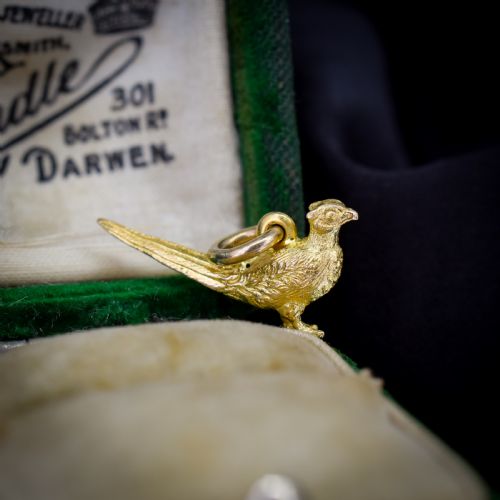
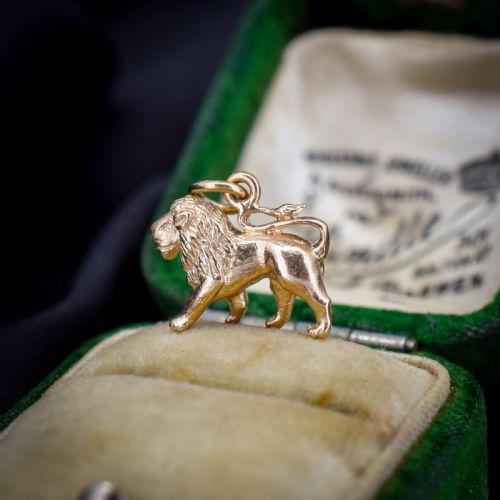
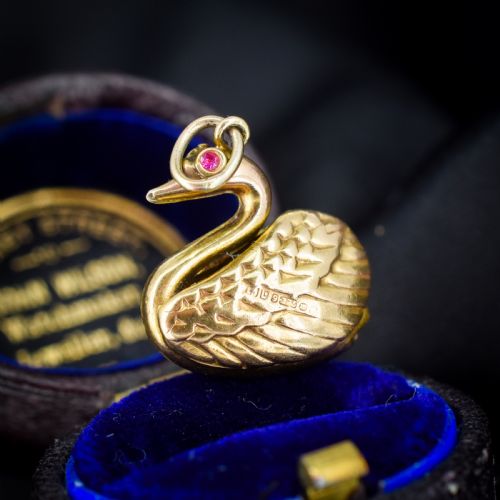
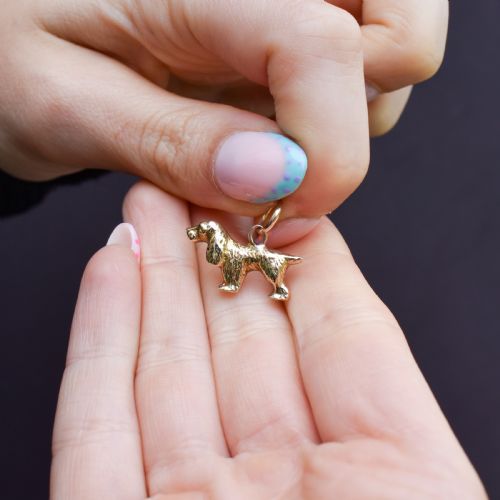
The selections span distinct periods including the Victorian era, the Edwardian period, and the mid-twentieth century. Forms range from dangling charms depicting domestic dogs and game birds to elaborate cluster pendants and figural rings.
Makers and designers from London to Paris produced these miniature sculptures using high-karat gold alongside diamonds, rubies, and emeralds. Each piece reflects the aesthetic of its decade, shifting from naturalistic Victorian motifs to stylised mid-century modern designs.
How they were made
Craftsmen shaped these pieces predominantly from nine-carat and eighteen-carat yellow gold, often employing hollow or solid casting techniques to form the animal bodies. Surface textures such as feather engraving or fur chasing give these miniature sculptures their lifelike quality.
Among the menagerie, a tiny gold frog wears a coat of diamonds while a neighbouring duckling contemplates an entire pond of history.
What varies in quality
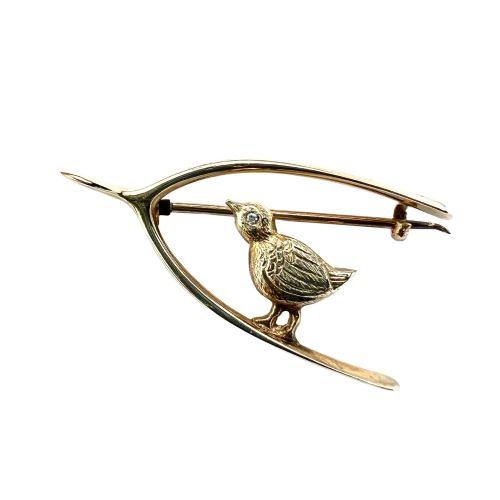
Quality rests in the fidelity of the sculptural carving and the precision of the gem-setting. Superior pieces capture the distinct posture and character of the animal rather than relying on generic outlines.
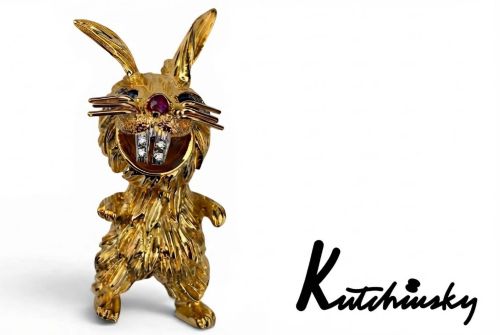
Signatures from notable makers elevate a piece, alongside robust construction that withstands everyday wear. The selection of gemstones, from matched diamond eyes to multi-gem pavé work, further distinguishes standard production from fine atelier output.
Kutchinsky·Ben Rosenfeld·Ilias Lalaounis·E Wolfe and Co·Asprey
The Vintage Gold Animal Jewellery Glossary
- Charm pendant
- A miniature figural trinket designed to suspend from a bracelet or neck chain. These movable or static charms often depict specific animals with detailed texturing.
- Cluster pendant
- A central arrangement of gemstones surrounded by smaller accent stones, frequently forming the body of an animal figure.
- Enamel
- Vitrified glass fused to metal surfaces through firing, used to introduce colour to feathers, coats, or decorative backgrounds on brooches and charms.
- Pavé
- A method of setting small gemstones closely together so the metal surface is minimised, creating a continuous field of sparkle across an animal's coat.
- Chasing
- A metalworking technique where a hammer and punches push the gold from the front to create raised surface details and textures.
Vintage Gold Animal Jewellery: Frequently Asked Questions
How do I date a gold animal charm?
Dating often relies on hallmarks stamped into the gold, which indicate the assay office, metal purity, and year of manufacture. Stylistic clues such as the naturalism of the carving also help place the piece within decades like the Victorian era or the nineteen-sixties.
Maker marks provide further chronological context when linked to specific active periods of workshops or retail houses. Comparing the construction methods to known dated examples clarifies the timeline.
Can I wear these brooches on heavy coats?
These brooches suit lighter fabrics such as silk, wool challis, or structured lapels rather than heavy winter overcoats. The pin stems and catches on antique pieces can bend or strain under thick, dense textiles.
Fastening them securely through a reinforced area or lining prevents the weight of gem-set bodies from pulling the fabric. Pin protectors also safeguard against loss during daily wear.
How should I clean my vintage animal jewellery?
Cleaning requires warm soapy water and a soft brush to remove dust from crevices and gem settings. Harsh chemical dips risk damaging softer organic gems like pearls or degrading enamel work.
Enamelled and pearl-set pieces need particularly gentle care, avoiding ultrasonic cleaners entirely. Patting the items dry with a lint-free cloth preserves the polished gold surfaces.