
Vintage Glazed Pottery
Vintage glazed pottery brings together centuries of earthenware, stoneware, and tin-glazed vessels designed to add rich colour and texture to a room.
Vintage Glazed Pottery
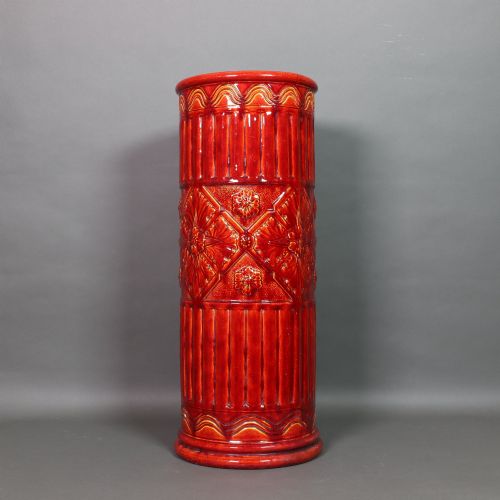
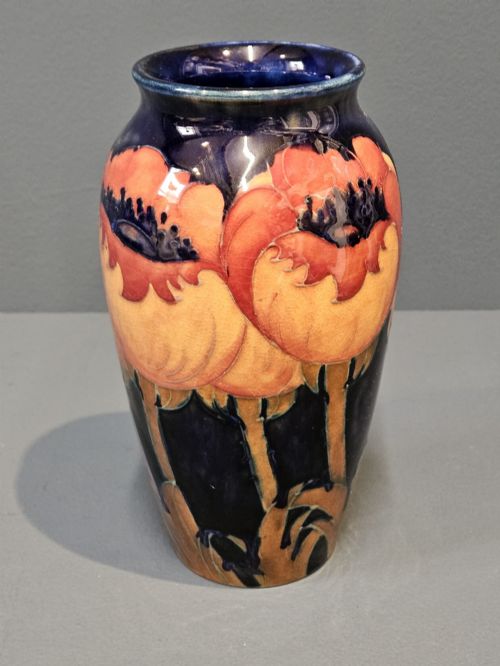
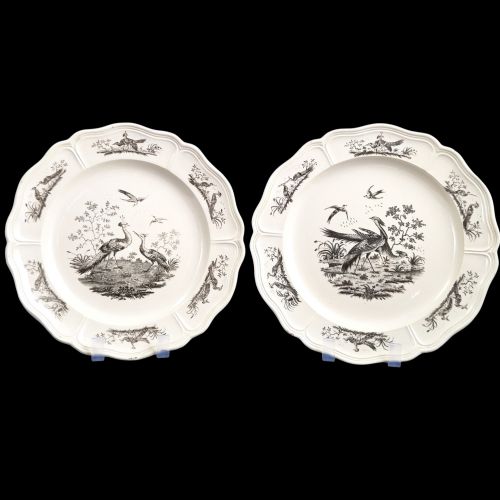
Vintage glazed pottery covers a broad spectrum of historical ceramics, spanning from robust eighteenth-century Delft chargers and French confit pots to decorative Edwardian vases and Art Deco table wares. When searching this phrase, a buyer encounters everything from utilitarian kitchenalia and advertising flasks to highly ornamental pieces like Moorcroft vases and Staffordshire figures.
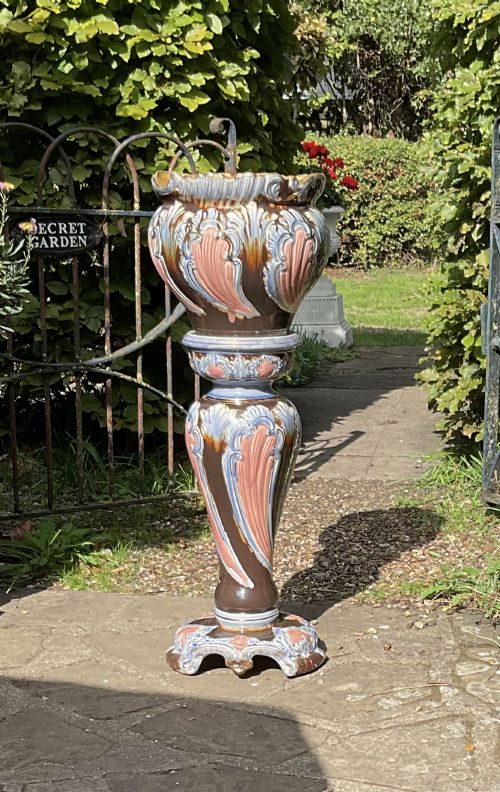
The objects on this page cross multiple periods, including the Victorian era, the Art Nouveau movement, and the 1930s. Forms vary widely from large garden seats and water filtration fountains to small jugs, tobacco jars, and wall-hanging candelabra.
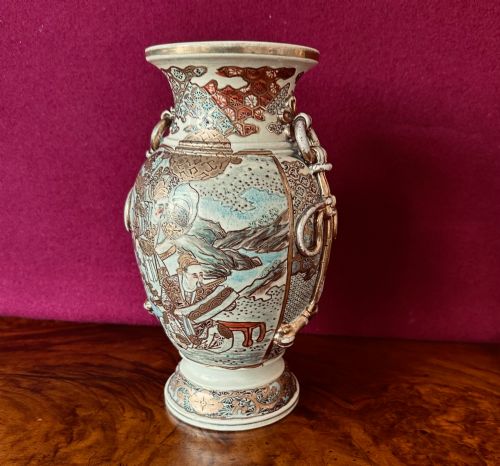
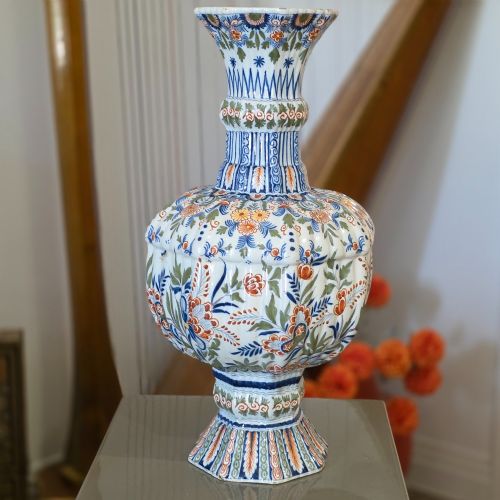
Continental pieces sit alongside British productions, showing Dutch Delftware, French country vessels, and Japanese Sumida Gawa jars. Buyers meet functional items intended for daily pantry use alongside mantel ornaments created purely for display.
Materials and methods
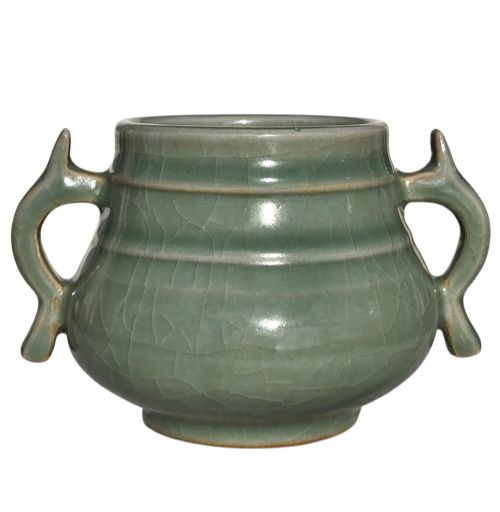
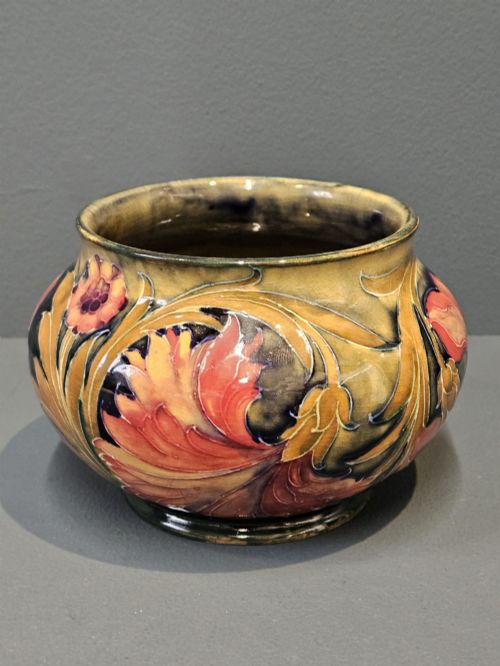
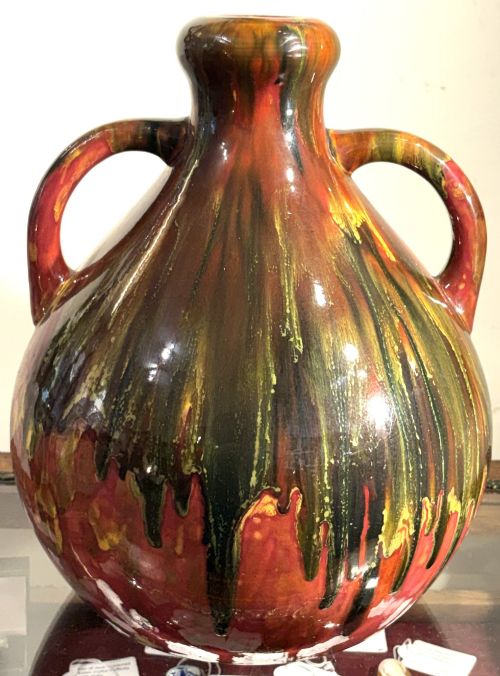
Makers shaped these pieces from earthenware, ceramic, and stoneware, frequently finishing them with specialised glazes such as tin glaze, pink lustre, or rich celadon. Techniques ranged from simple slipware trailing and hand sculpting to complex tube-lined designs seen in Secessionist and Moorcroft pottery.
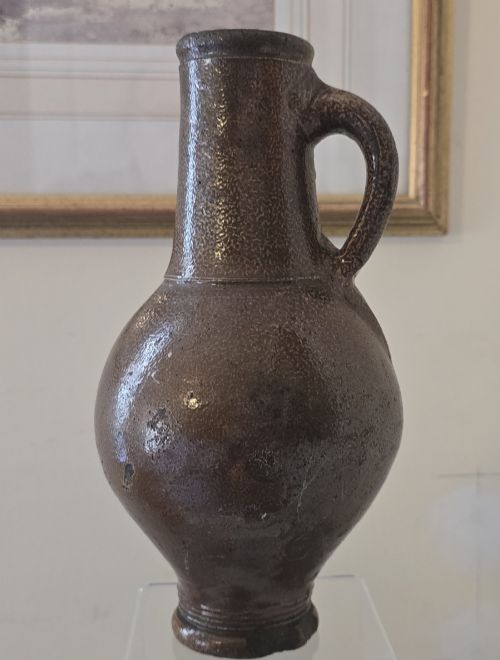
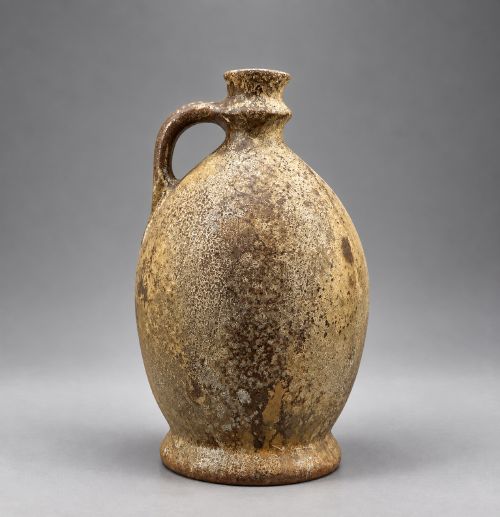
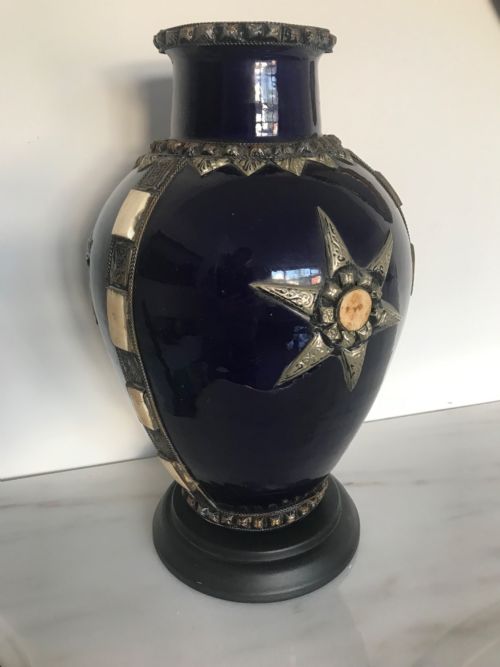
Firing methods determined the durability of the body and the interaction of the glaze, producing everything from salt-glazed stoneware water fountains to delicate earthenware jelly moulds. Many items integrate metal mounts, brass details, or wooden bases to support heavier ceramic bodies.
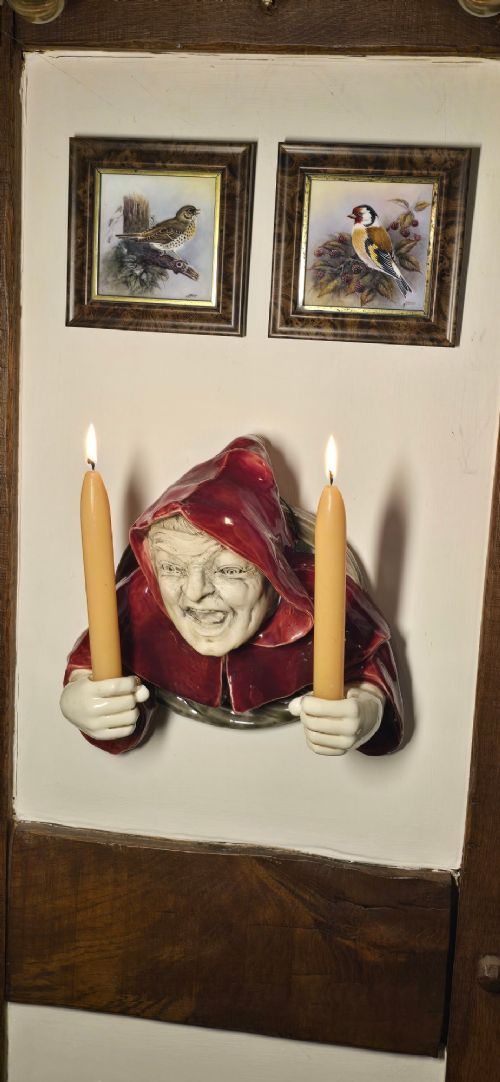
A pottery monk climbs a wall hanging in circa 1910 ceramic form, watching over the room with silent monastic vigilance.
Assessing quality and execution
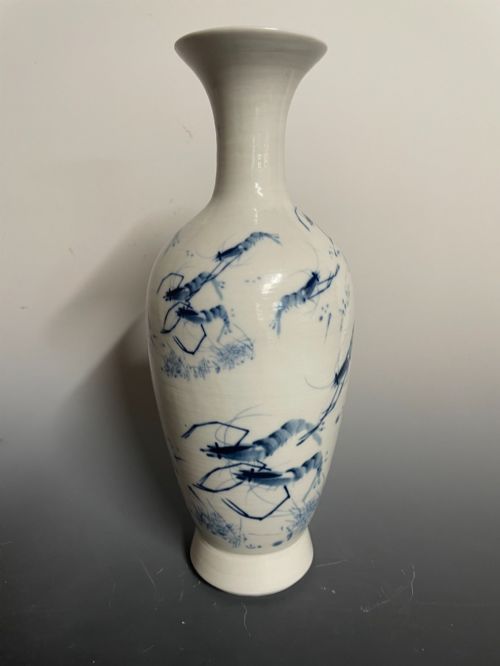
Quality in these ceramics rests on the crispness of the modelling, the depth and consistency of the glaze, and the ambition of the design. Pieces with complex tube-lining, hand-painted maritime scenes, or detailed lustre effects demonstrate a higher level of workshop skill than standard utility items.
The preservation of the glazed surface and the sharpness of applied decorations distinguish finer studio and factory pieces from everyday wares. Maker attribution, specific dated inscriptions, and well-executed sculptural additions elevate the standing of an individual piece within its period.
Moorcroft·Minton·Royal Doulton·Wedgwood·Doulton Lambeth·Burmantoft's Pottery·Zsolnay Pecs·Boch Freres
The Vintage Glazed Pottery Glossary
- Earthenware
- Porous pottery fired at lower temperatures, typically requiring a glaze to hold liquids. It forms the body for many traditional jugs, chargers, and kitchen vessels.
- Stoneware
- Dense, vitrified ceramic fired at high temperatures until non-porous and vitreous. This material suits heavy-duty items like advertising flasks, large bowls, and water filters.
- Tin glaze
- An opaque white glaze containing tin oxide, used extensively on Delftware and majolica. It provides a smooth surface for painted blue and polychrome decoration.
- Lustreware
- Pottery finished with a metallic glaze film that produces an iridescent sheen. Sunderland pink splash lustre provides a notable example found on nineteenth-century jugs.
- Tube-lining
- A decorative technique where lines of clay slip are squeezed through a nozzle onto the ceramic body to outline patterns before glazing. Minton Secessionist and Moorcroft pieces utilise this method.
Vintage Glazed Pottery: Frequently Asked Questions
How do I date vintage glazed pottery?
Dating relies on combining stylistic evidence, such as Art Deco or Victorian design motifs, with factory marks, impressed numbers, and occasionally painted dates on the base.
Material composition and glaze types also help narrow the production era, distinguishing eighteenth-century Delft from later twentieth-century studio output.
Can I use antique glazed pots for daily kitchen storage?
Many utilitarian items like stoneware jars, confit pots, and margarine bowls served practical pantry functions originally and remain sturdy enough for modern dry storage.
Porosity in older earthenwares means delicate pieces or those with historic hairline cracks are best reserved for dry display rather than holding liquids.
What is the difference between earthenware and stoneware?
Earthenware is fired at lower temperatures and remains slightly porous unless fully covered in glaze, making it ideal for decorative chargers and moulded tablewares.
Stoneware undergoes high-firing until the clay vitrifies into a dense, waterproof material naturally suited for heavy jugs, bottles, and garden pottery.
How should I clean glazed ceramic pieces?
Gentle dusting with a soft, dry cloth is usually sufficient for maintaining decorative mantel pieces and wall-hanging items.
Sturdier pieces can be washed in warm water with mild soap, avoiding harsh scrubbing or soaking if the glaze shows historic crazing.