


Vintage Glazed Pottery Holders
These vintage glazed pottery holders span stick stands, inkstands, and wall sconces, offering practical utility and distinct period character for the home.
Vintage Glazed Pottery Holders
When searching for vintage glazed pottery holders, buyers encounter a diverse selection of utilitarian and decorative items spanning the nineteenth and early twentieth centuries. These pieces encompass stick stands, umbrella stands, inkstands, chambersticks, and wall sconces originating from various European traditions.
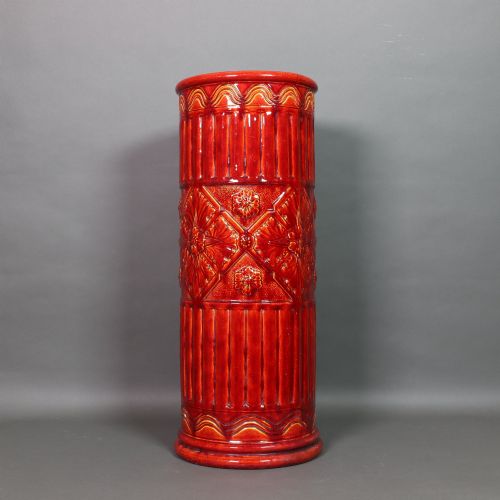
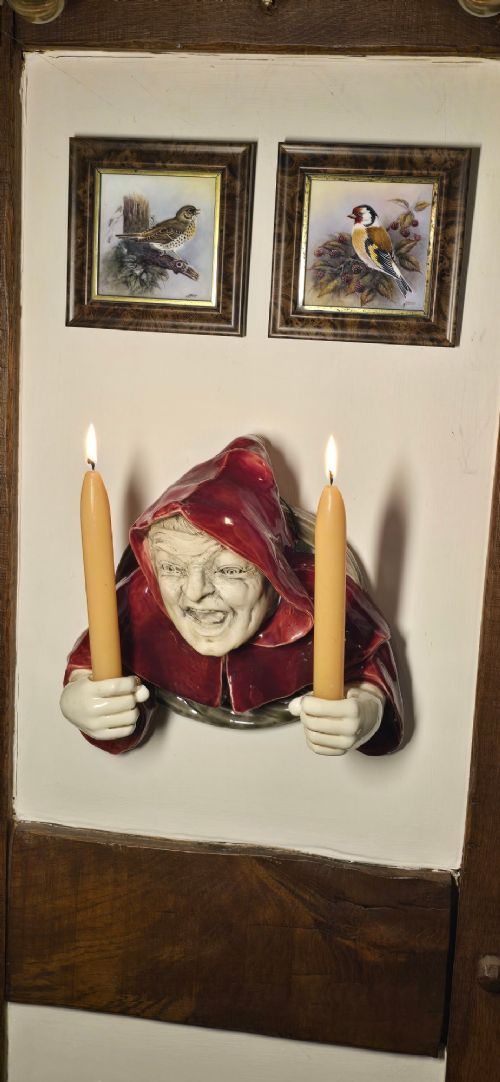
The most common examples on this page include earthenware and stoneware vessels designed for domestic organisation, such as barrel stick stands and figural quill holders. Production styles range from Victorian Staffordshire figures to Dutch Delft and Arts and Crafts table accessories.
Examples date from the mid-nineteenth century through the Edwardian era, demonstrating how utilitarian pottery evolved to serve domestic needs in hallways, desks, and parlours. Each form reflects the specific functional requirements of its period, whether holding walking sticks or inkwells.
Materials and construction methods
Potters utilised earthenware, saltglaze stoneware, and tin-glazed earthenware as the primary base materials for these functional vessels. These clays provided the necessary structural weight for items intended to hold heavy items like umbrellas or walking sticks.
Surfaces received decorative treatments including applied glazes, gold leaf highlights, and hand-painted tin-glazing characteristic of Dutch Delft and French Faience. Firing techniques determined the durability of the glaze and the depth of colour achieved across Victorian and Edwardian workshops.
Listings feature items spanning the Victorian, Edwardian, and early twentieth-century periods.
Judging quality in ceramic holders
Quality in these pieces rests upon the crispness of the moulding and the dexterity of the hand-painted or glazed decoration. Finer examples display clean application of tin-glazes or saltglaze finishes without excessive pooling or surface distortion.
The distinction between standard domestic wares and superior items lies in the artistic execution of details, such as the modelling on Staffordshire figures or the precision of Dutch Delft inkstand patterns.
Royal Doulton·Decoro England·Staffordshire Pottery
The Vintage Glazed Pottery Holders Glossary
- Saltglaze Stoneware
- A ceramic pottery type finished by throwing common salt into the kiln during the high-temperature firing process, producing a textured, orange-peel surface.
- Tin-Glazed Earthenware
- Pottery coated with a white tin-opacified glaze that provides an opaque surface for painted decoration, widely used in traditions like Dutch Delft.
- Chamberstick
- A short candlestick fitted with a pan or saucer base and a finger ring, designed for carrying handheld illumination between rooms.
- Inkstand
- A desk accessory comprising a tray or stand fitted with one or more inkwells and penholders for correspondence.
Vintage Glazed Pottery Holders: Frequently Asked Questions
What are vintage glazed pottery holders?
They are utilitarian and decorative ceramic vessels created during the nineteenth and early twentieth centuries to hold items like walking sticks, umbrellas, ink, and candles.
These pieces combine functional design with the distinctive glaze techniques and artistic styles of periods such as the Victorian era and Arts and Crafts movement.
How do I care for antique pottery holders?
Keep these ceramic items away from areas prone to extreme temperature fluctuations and excessive moisture to protect the glaze and clay body.
Dust them gently with a soft, dry cloth and avoid using harsh chemical cleaning agents that might damage painted surfaces or gold leaf details.
How were stick stands used?
Stick stands placed in hallways provided a designated spot for guests and residents to store walking sticks, canes, and wet umbrellas.
Their heavy stoneware or earthenware construction prevented tipping when loaded with multiple heavy items.
How can I tell Victorian pieces apart?
Victorian items often feature distinct stylistic markers such as rich majolica glazes, robust saltglaze stoneware bodies, or the characteristic modelling of Staffordshire figures.
Examining the base material and decorative motifs helps align a piece with nineteenth-century production methods and design preferences.