

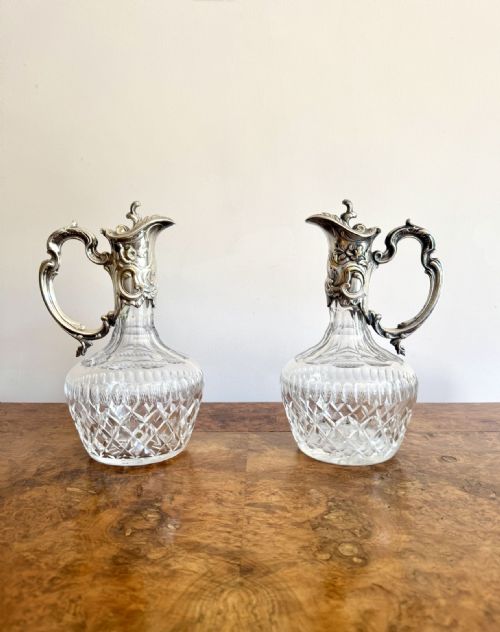


Vintage Glass Wine Jug
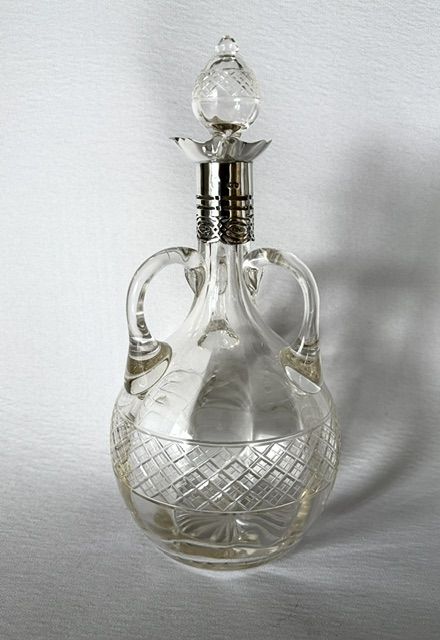
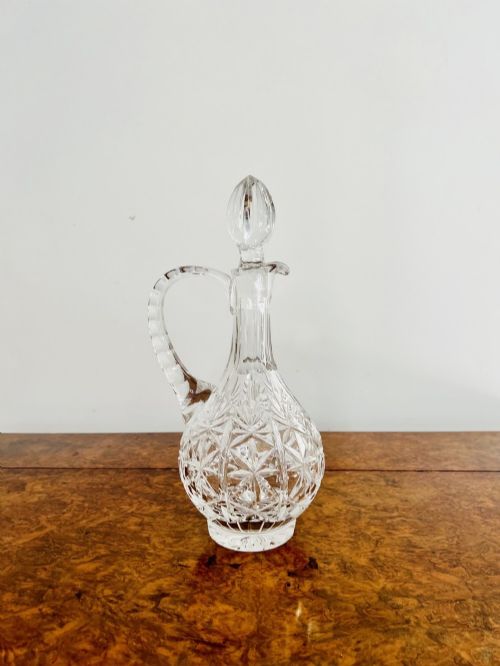
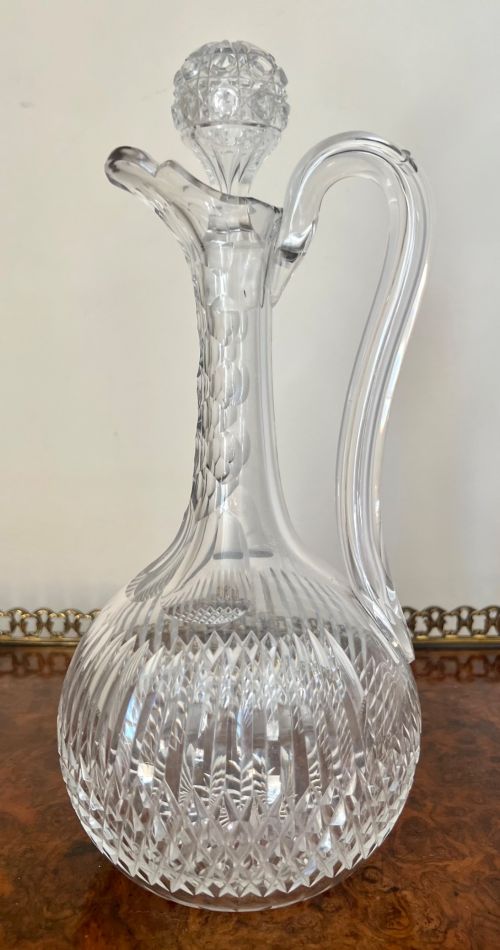
A vintage glass wine jug brings heavy cut crystal and polished silver mounts to the dining table, offering both decorative presence and practical pouring.

Vintage Glass Wine Jug
A vintage glass wine jug encompasses vessels designed to serve claret, wine and water at the table. When searching this phrase, buyers encounter forms spanning the Victorian and Edwardian eras, alongside pieces from the Art Deco period and the nineteenth century.
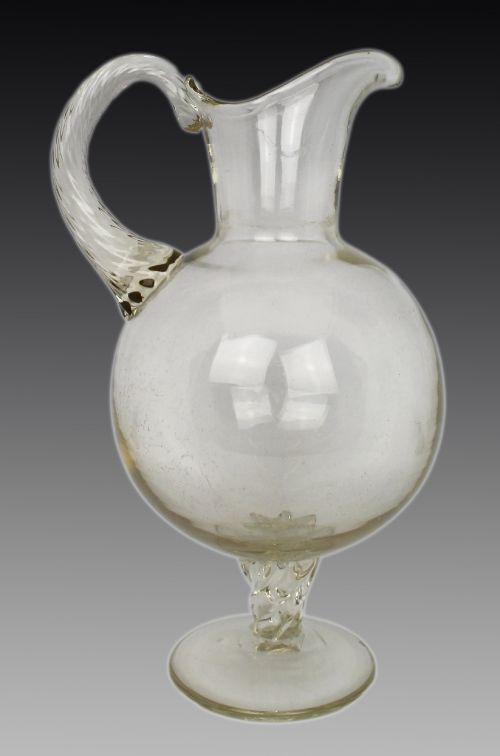
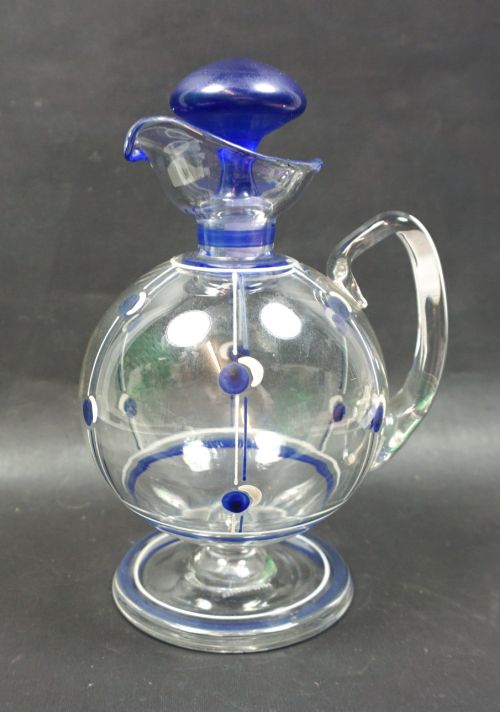
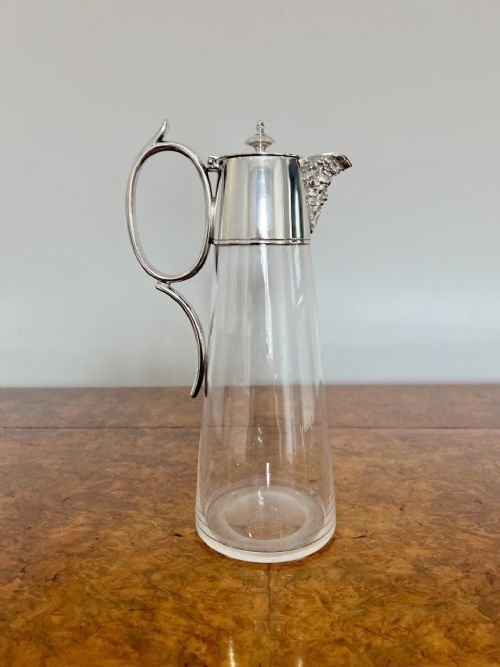
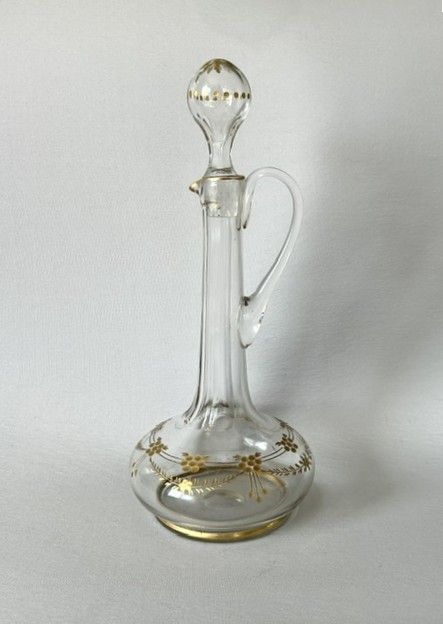
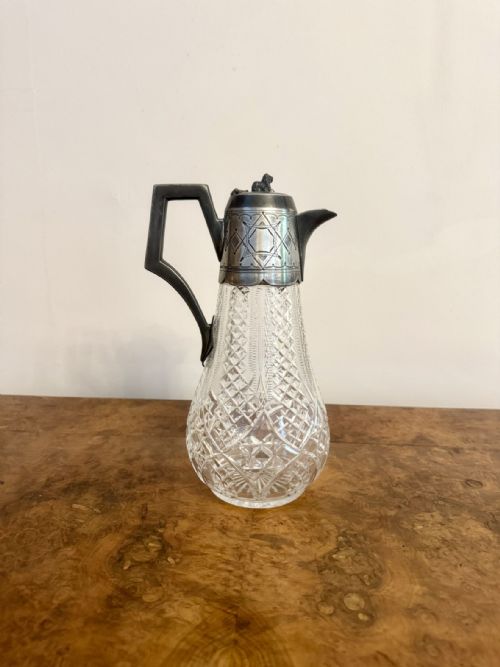
The selections on this page appear as claret jugs, decanters, ewers and pitchers. Many examples combine glass bodies with silver plate or sterling silver mounts, while others rely on colour and hand-blown shapes without metal collars.
Materials and construction
Maker techniques rely heavily on cut glass, lead crystal and clear glass, shaped through hand-blowing or heavy moulding. Distinctive variations include cranberry glass, green glass and amber glass, often enhanced with enamel decoration or etched motifs.
Mounts and hardware utilise silver plate and sterling silver, fitted securely around necks and handles. Craftspeople also applied gilding and intaglio cutting to achieve decorated surfaces.
Listings feature periods spanning from the Victorian and Edwardian eras back to the nineteenth century, alongside Art Deco and Bohemian origins.
Assessing quality and execution
Quality rests on the depth and crispness of the glass cutting, the weight of the metal mounts, and the proportion of the handle to the body. Pieces with detailed engraving or enamelling show greater artisan skill than plain moulded vessels.
The integrity of the silver plate or sterling silver mounting relative to the glass vessel indicates superior original manufacture. Maker attributions and intact handles or hinged covers distinguish the finest examples.
Webb Corbett·Hukin & Heath
The Vintage Glass Wine Jug Glossary
- Claret jug
- A vessel specifically shaped for serving red wine, usually featuring a pouring spout and a hinged metal lid.
- Ewer
- A large jug with a wide-spouted mouth and a curved handle, often used historically for water or wine.
- Intaglio
- A technique where design elements are incised below the surface of the glass, creating a sunken relief.
- Silver plate
- A base metal coated with a thin layer of silver, commonly utilised for the handles, collars and lids of these jugs.
- Cranberry glass
- A rich red-pink transparent glass created by adding gold chloride to the molten batch during the nineteenth century.
Vintage Glass Wine Jug: Frequently Asked Questions
How do I clean a vintage glass wine jug?
Fill the vessel with warm water and mild dish soap, avoiding harsh abrasive scourers that can scratch delicate cut surfaces or damage silver plate. Rinse thoroughly and dry the metal mounts immediately to prevent water spots.
For stubborn stains inside narrow necks, use specialised cleaning beads with water rather than metal brushes. Lay the jug upside down on a soft cloth until completely dry.
Are these jugs safe for serving wine today?
Most vintage glass wine jugs function perfectly well for serving contemporary wine at the table. Check the interior for any cloudiness or residue before use.
Ensure any antique silver plate mounts are clean and free of tarnish polish residue. Acidic wines should not be left in silver-plated vessels for extended periods.
How do I distinguish Victorian from Edwardian jugs?
Victorian jugs often display heavier etching, deep pillar cutting, or vibrant coloured glass like cranberry and green with enamel paint. Mounts tend to be ornate and robust.
Edwardian pieces frequently embrace cleaner cut glass patterns, lighter silver mounts, and occasionally more streamlined silhouettes. Art Nouveau influences also appear in this later period.