





Vintage Glass Window
These vintage glass window pieces bring painted scenes and leaded panels into modern rooms, offering genuine architectural character from past centuries.
Vintage Glass Window
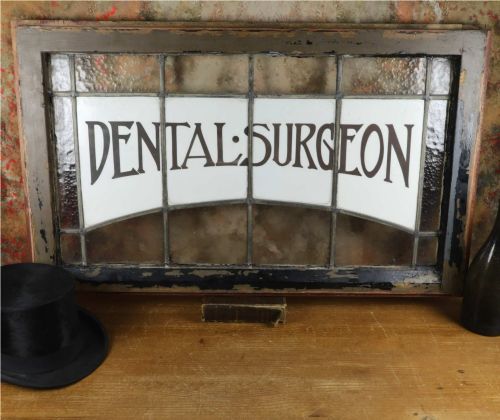
When you search for a vintage glass window, you find architectural salvage ranging from Victorian church windows to Edwardian shop panels and domestic leaded glass. The items span periods from the late nineteenth century through to the 1930s, including styles such as Art Nouveau, Art Deco, Gothic Revival, and Arts and Crafts.
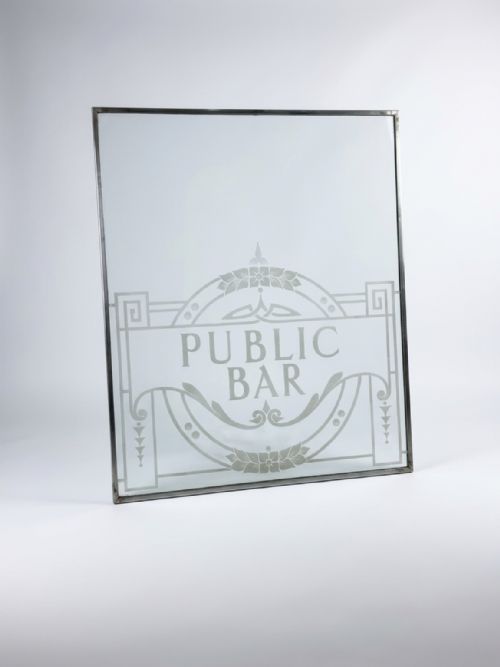
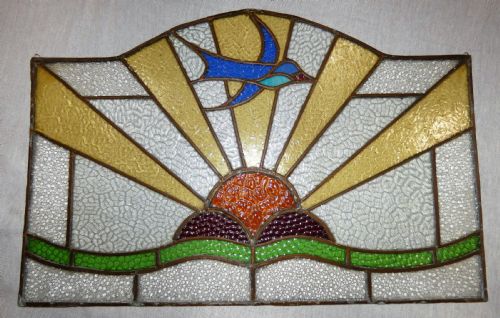
The most common forms on this page are leaded glass windows and stained glass panels, alongside specialised pieces like etched pub windows and shop window panels. Many incorporate hand-painted pictorial elements showing countryside scenes, birds, flowers, and figures.
Origins vary from domestic settings to commercial shops and ecclesiastical buildings, often framed in timber, pine, or metal. Architectural salvage pieces frequently retain their original timber surrounds or structural lead framework.
How they were made
Maker workshops constructed these panels using lead cames to join individual pieces of glass, securing the matrix within wooden or timber frames made of pine or other woods. Artisans applied hand-painted details, etching, and cutting directly onto the glass surface before firing.
Specialised techniques include plique-à-jour enamel work on smaller wearable items and deep acid etching on commercial pub and apothecary glass. The combination of lead, glass, and timber required precise structural balance to support heavy architectural panels.
Vintage Glass Window Retail Price Guide 2026
Typical asking prices for vintage glass window among the pieces listed under this phrase on Sellingantiques today, from the lower quarter to the upper quarter. They describe what is for sale here now, not the wider market.
Several Edwardian and early twentieth-century windows feature detailed hand-painted birds perched on branches alongside amber bullseyes.
What varies in quality
Quality in a vintage glass window lies in the complexity of the hand-painted artistry and the intricacy of the leadwork. Elaborate pictorial scenes, such as detailed countryside landscapes or ornithological subjects, demonstrate higher craftsmanship than simple geometric patterns.
The preservation of the original timber frame and the stability of the lead matrix determine the structural integrity of the piece. Superior examples maintain intact painted details without excessive fading or flaking across the glass surface.
The Vintage Glass Window Glossary
- Lead came
- The grooved lead strips used to hold individual pieces of glass together in a window panel. These flexible channels form the structural grid of leaded glass designs.
- Architectural salvage
- Building elements rescued from structures slated for demolition or renovation. This category includes windows, signs, and panels removed from period houses, pubs, and churches.
- Etched glass
- Glass treated with acid or abrasive substances to create opaque decorative designs. This technique appeared frequently on nineteenth-century pub and shop windows.
- Bullseye
- A circular centre piece of blown glass with a prominent lump or swirl in the middle. These appear as decorative accents within leaded glass window designs.
- Plique-à-jour
- An enamelling technique where enamel is applied in cells without a backing, resembling miniature stained glass. It lets light shine through the translucent coloured material.
Vintage Glass Window: Frequently Asked Questions
How do I hang a heavy leaded window?
Heavy architectural salvage requires secure fixings anchored directly into wall studs or masonry rather than standard picture hooks. Professional framing or custom metal brackets provide the necessary support for the combined weight of glass, lead, and timber.
Ensure the weight distributes evenly across the lower frame to prevent bending or stress fractures within the lead matrix over time.
Can these windows be used outdoors?
Most antique panels were designed for interior partition walls, transoms, or secondary interior glazing behind exterior protection. Exposing fragile lead cames and historic hand-painted glass to harsh weather accelerates degradation.
If placed near exterior environments, secondary clear glazing provides a protective barrier against wind and rain while preserving the historic surface.
How do I identify a Victorian church window?
Victorian church windows typically feature Gothic Revival elements such as pointed arch tops, stone tracery outlines, and religious or solemn pictorial themes. They often utilise heavy timber frames and robust lead came to span large architectural openings.
In contrast, Edwardian and later domestic pieces favour softer domestic scenes, floral motifs, or lighter framing suited to residential properties.
What is an etched pub window?
An etched pub window is a commercial architectural panel treated with acid to display trade names, logos, or decorative patterns. These large panels provided privacy while allowing natural light into Victorian and Edwardian drinking establishments.
The technique creates a frosted white design against clear or textured glass backgrounds.