


Vintage Glass Tray
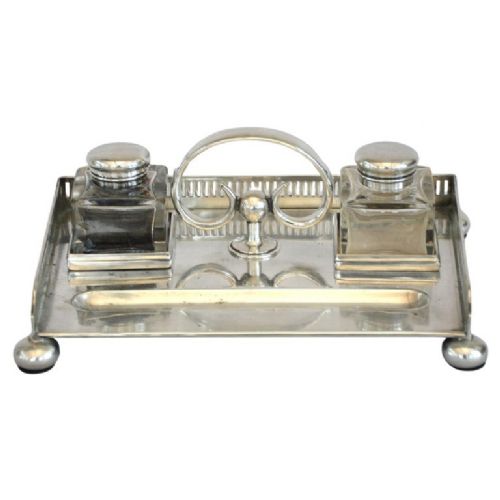
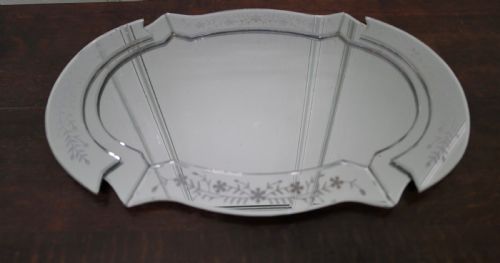
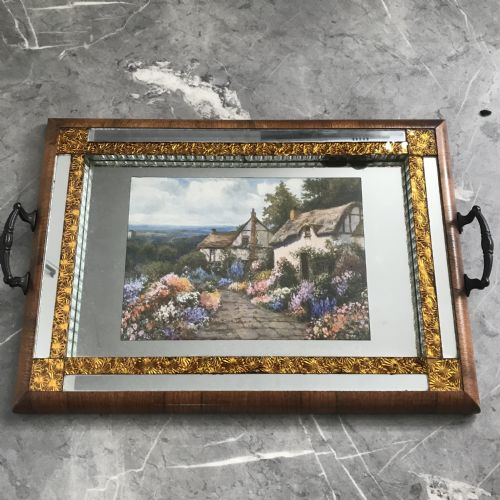
A vintage glass tray brings reflective surface and tactile weight to a surface, moving from heavy cut crystal to mirrored Art Deco geometry.
Vintage Glass Tray
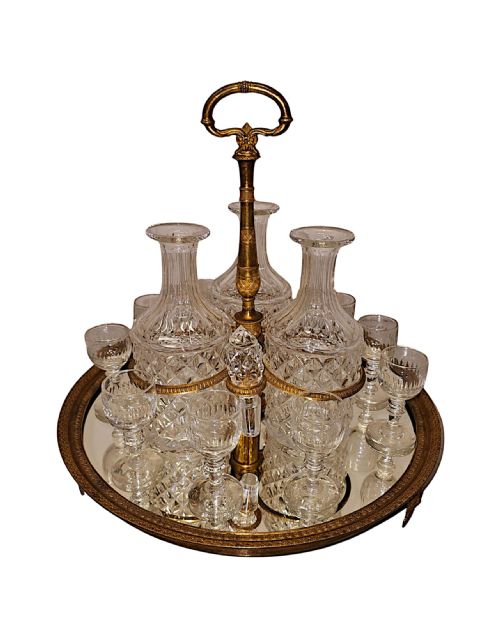
A vintage glass tray unites utilitarian function with decorative surface work, serving for drinks, dressing tables, or desk organisation. These pieces range from compact trinket dishes to substantial mirrored wine trays designed to hold decanters and glassware.
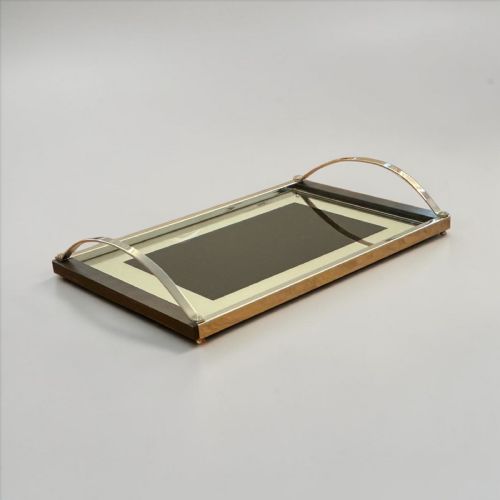
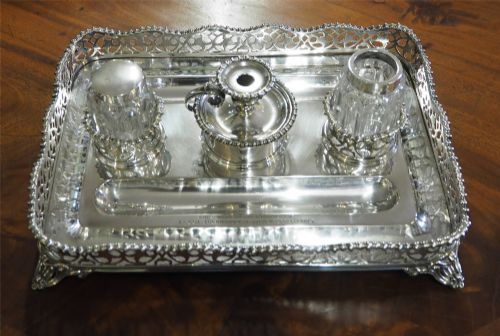
The versions most commonly met on this page span the Victorian and Edwardian eras into the 1920s and 1930s. Art Deco examples often pair bevelled mirror glass with walnut veneer or metal frames, while Victorian iterations favour heavy cut glass alongside silver plate.
Origins stretch across English, French, Venetian, and Bohemian workshops. Forms extend beyond flat trays into specialised serving platters, dresser sets, and mirrored display bases.
Materials and construction
Glass production relies on techniques such as heavy lead crystal cutting, mould-pressed opalescent work, and delicate etching. Makers combined these transparent or translucent elements with supportive frameworks in brass, silver plate, or turned hardwoods like mahogany, walnut, and coromandel.
Mirrored trays utilise silvered glass plates set within wooden or metal bases to create depth and reflection. Frames often incorporate corner mounts, gallery rails, or applied handles secured to the underlying structure.
Vintage Glass Tray Retail Price Guide 2026
Typical asking prices for vintage glass tray among the pieces listed under this phrase on Sellingantiques today, from the lower quarter to the upper quarter. They describe what is for sale here now, not the wider market.
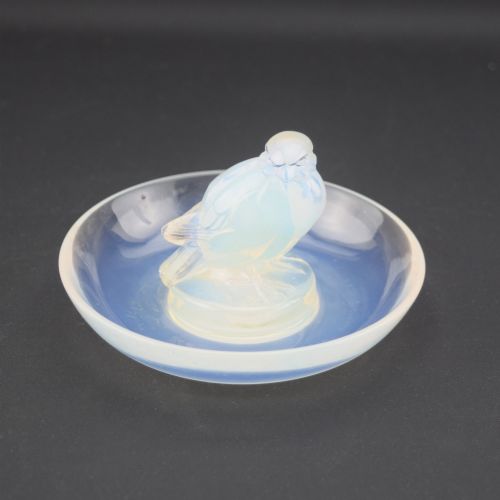
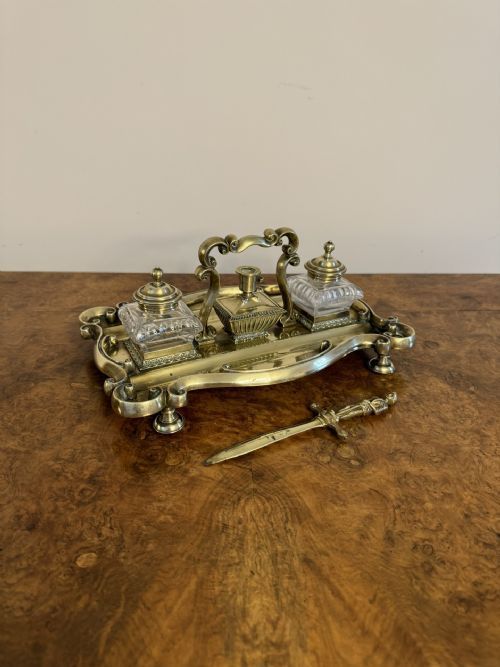
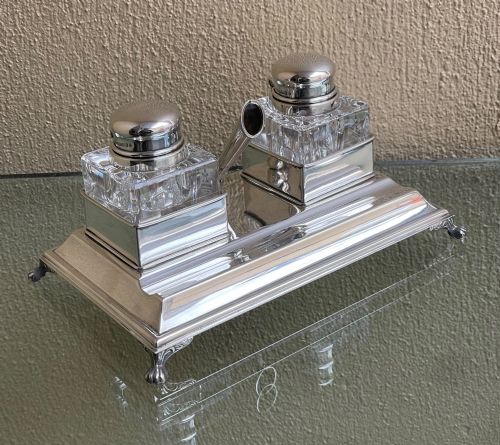
Listings demonstrate materials spanning opalescent glass, brass, burr walnut, and silver plate across the Victorian and Art Deco periods.
What separates the best pieces
Quality rests upon the precision of the glass cutting and the clarity of the material itself. Heavier crystal blanks with deep, crisp facet work demonstrate superior craftsmanship compared to shallow mouldings.
The integration between the glass insert and its mount defines the standard of construction. Tight joints, substantial metal plating, and heavy timber veneers indicate meticulous assembly by skilled makers.
Rene Lalique·Elkington·Walker And Hall·Moser·Salviati·James Cartland And Sons
The Vintage Glass Tray Glossary
- Cut Glass
- Glass shaped and patterned by holding it against a rotating abrasive wheel. This technique produces sharp, light-refracting facets across the surface.
- Opalescent Glass
- Glass containing additives that create a milky, translucent appearance with subtle shifts of blue or fire in the light.
- Silver Plate
- A base metal, often copper or brass, coated with a thin layer of pure silver. It provides the appearance of solid silver at a different weight and cost.
- Venetian Mirror
- Mirror work produced in Italy, frequently featuring engraved or etched decoration on the reflective surface. These plates often show distinct bevels.
- Tantalus
- A locking drink stand that holds decanters securely while displaying their contents through the glass. The frame prevents removal of the bottles without a key.
Vintage Glass Tray: Frequently Asked Questions
How do I clean vintage glass trays?
Wash glass surfaces gently with warm water and mild soap, avoiding harsh abrasives that might scratch the material or damage silvered mirror backs.
Dry the piece immediately with a soft cloth to prevent water spots, and keep wooden or metal frames away from excessive moisture.
Were these trays meant for drinks?
Many larger examples served as wine trays or decanter stands, designed to protect furniture from condensation and spills while facilitating service.
Smaller variants functioned as desk accessories, pin dishes, or dresser trays for holding personal items.
How can I tell Art Deco from Victorian trays?
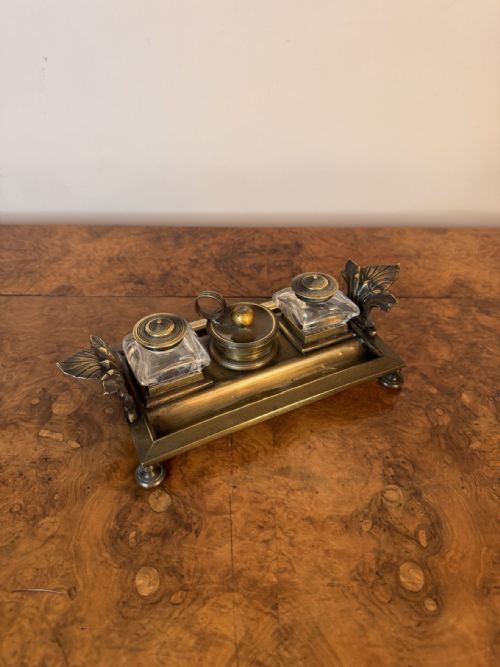
Victorian pieces typically rely on floral motifs, heavy brass mounts, and deep cut crystal with traditional proportions. They often accompany inkstands or ornate silver-plated tea services.
Art Deco items emphasise geometric lines, mirrored surfaces, and streamlined frames that reflect 1920s and 1930s industrial design.
Can mirrored glass trays be used daily?
Mirrored trays withstand normal daily placement of dry items, perfume bottles, or glassware without difficulty. Care must be taken to protect the silvered backing beneath the glass from prolonged contact with standing liquid.