





Vintage Glass Spray Bottle
A vintage glass spray bottle brings dressing table glamour home, offering a tactile way to apply scent through ingenious atomiser mechanisms.
Vintage Glass Spray Bottle
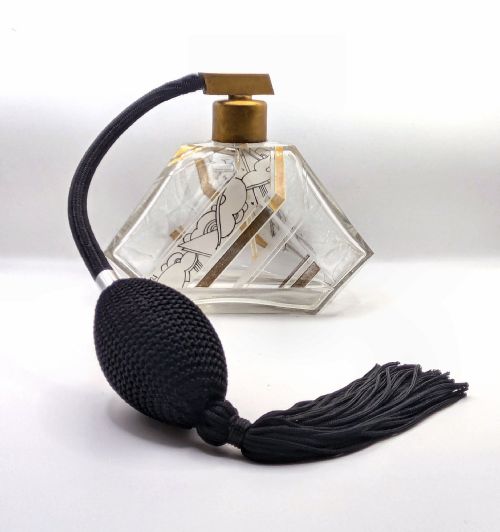
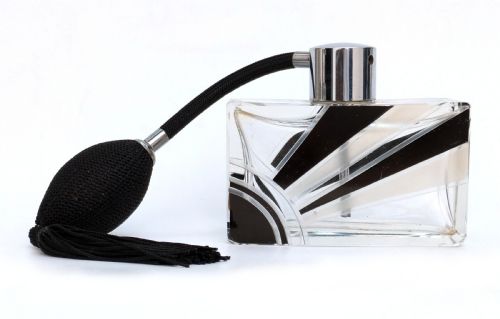
A vintage glass spray bottle is principally encountered as a ladies perfume atomiser from the Art Deco period, dating primarily around the 1920s and 1930s. These dressing table accessories take the form of scent bottles designed to deliver a fine mist rather than a heavy splash.
The objects span origins including French studios and Bohemian Czech glassworks, appearing both as standalone bottles and mounted on stands. Common configurations range from substantial cut crystal vessels to sleek geometric designs tailored for daily vanity use.
How they were made
Production relies heavily on moulded and cut glass or crystal, shaped into geometric Art Deco silhouettes that catch the light. Enamel work and fabric elements frequently decorate the exterior surface.
Functional metal components utilise brass and chrome, often paired with early plastics such as Bakelite for the hardware. These durable materials support the complex pumping action required for scent dispersal.
Vintage Glass Spray Bottle Retail Price Guide 2026
Typical asking prices for vintage glass spray bottle among the pieces listed under this phrase on Sellingantiques today, from the lower quarter to the upper quarter. They describe what is for sale here now, not the wider market.
Materials paired with the glass bodies include chrome, brass, Bakelite, fabric, and enamel.
What varies in quality
Distinction across the range lies in the weight and clarity of the glass, alongside the sophistication of the cutting and enamelling. Substantial crystal bodies and precise geometric facets separate standard vanity items from exceptional studio pieces.
The integrity and artistry of the metalwork fittings also dictate the standing of a piece, with maker attribution adding significant depth to the design.
Karl Palda·Rudolf Hlousek·René Lalique·Hermanova
The Vintage Glass Spray Bottle Glossary
- Atomiser
- A device used to turn liquid perfume into a fine mist. It relies on internal tubing and an external bulb mechanism.
- Cut Crystal
- Glass containing lead oxide, cut with wheel-ground facets to increase brilliance and weight. This material defines the heavier pieces on the page.
- Bakelite
- An early form of synthetic phenol formaldehyde resin. Makers utilised this durable plastic for mechanical fittings and collars.
- Enamel
- Opaque vitreous composition fused to glass surfaces through heat. It provides colourful decorative bands and motifs across the vessel body.
Vintage Glass Spray Bottle: Frequently Asked Questions
How do vintage atomisers work?
These pieces use a rubber bulb and squeeze mechanism to force air across a fine intake tube inside the vessel. This action draws the liquid upward and breaks it into a fine mist as it leaves the nozzle.
Original rubber components often perish over decades, so modern working examples frequently rely on replaced squeeze bulbs and inner tubing.
Where were most vintage perfume bottles made?
The pieces seen here originate largely from French makers and Bohemian Czech glassworks operating during the interwar years. Major design centres produced substantial quantities of luxury dressing table wares for an international market.
Distinguishing between regional origins usually depends on the specific glass cutting techniques, enamel palettes, and metal hardware signatures.
How should I clean a vintage glass spray bottle?
Cleaning requires warm water and mild soap, keeping moisture away from delicate exterior enamel and original fabric components. Stubborn residue inside the vessel can be gently loosened with bottle brushes.
Harsh chemical solvents should be avoided entirely, as they risk stripping coloured enamel and damaging vintage metal finishes.
Can I still use these atomisers for perfume?
Many examples remain entirely functional once any perished rubber squeeze parts are renewed. Testing the internal tube ensures the mechanism draws liquid properly before adding modern fragrance.
Volatile cosmetic oils can sometimes degrade historical seals over time, making periodic checks sensible for pieces in regular use.