



Vanity Perfume Spray
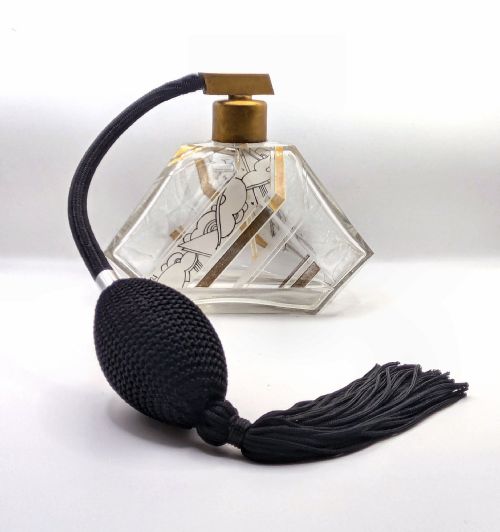
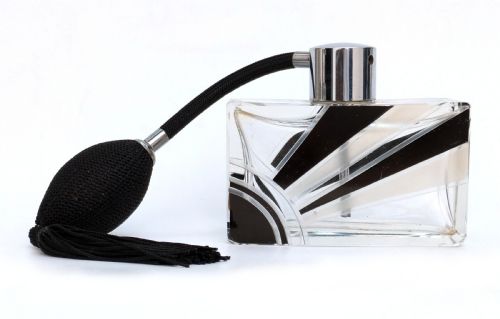
These vanity perfume spray pieces are stylish dressing table accessories from the 1920s and 1930s that deliver fragrance with a fine mist.
Vanity Perfume Spray
When you search for vanity perfume spray, you are looking at functional dressing table vessels designed to dispense scent through a pressurised mechanism. The pieces seen here belong firmly to the Art Deco period, spanning the 1920s and 1930s.
You are most likely to meet French and Czech examples on this page, often taking the form of substantial glass or crystal bottles paired with mechanical atomiser hardware. These items combine practical function with the geometric and stylised aesthetics of the interwar years.
How they were made
Maker workshops utilised heavy cut crystal, moulded glass, and enamel alongside functional metals such as chrome and brass. Fabric often covered the bulb mechanisms that powered the spray action.
Makers shaped the glass through intricate cutting, moulding, and enamelling techniques to capture the characteristic light reflections of the Art Deco style.
Vanity Perfume Spray Retail Price Guide 2026
Typical asking prices for vanity perfume spray among the pieces listed under this phrase on Sellingantiques today, from the lower quarter to the upper quarter. They describe what is for sale here now, not the wider market.
Materials appearing across these listings include glass, cut crystal, chrome, brass, enamel, fabric, and Bakelite.
What varies in quality
The distinction between ordinary and exceptional pieces lies in the weight of the glass, the depth of the crystal cutting, and the sophistication of the enamel work. Superior examples demonstrate a heavier substance and crisper geometric lines.
Maker attribution also elevates a piece, with designated works by notable designers showing superior proportion and finish compared to unmarked commercial production.
Karl Palda·Rudolf Hlousek·René Lalique·Hermanova
The Vanity Perfume Spray Glossary
- Atomiser
- A device used to turn liquid perfume into a fine mist. This mechanism forms the defining functional component of the vanity spray.
- Art Deco
- A design style prevalent in the 1920s and 1930s characterised by sleek geometric shapes and stylised motifs. This aesthetic governs the form of these dressing table pieces.
- Cut crystal
- Glass with a high lead content carved with decorative facets. This material provides the brilliant clarity seen on many interwar perfume bottles.
- Enamel
- A decorative coating fused to glass or metal surfaces through high heat. It adds coloured detail to the body of the scent vessel.
Vanity Perfume Spray: Frequently Asked Questions
What is a vanity perfume spray?
A vanity perfume spray is a dressing table accessory designed to hold and dispense liquid fragrance through an integrated atomiser mechanism. These objects combine glassware with functional metal hardware.
They date primarily from the early twentieth century and serve both a practical purpose and a decorative role on a dressing table.
How do I date these perfume bottles?
Dating relies heavily on the stylistic characteristics of the glass and the presence of Art Deco geometric motifs. Most examples on this page originate from the 1920s and 1930s.
Specific design traits and maker attributions found in the glass moulding further help narrow the period of manufacture.
Are these pieces French or Czech?
The pieces originate from major interwar European glassmaking centres, notably France and Czechoslovakia. Both regions produced distinct styles of cut crystal and coloured glassware.
French pieces often include notable designer works, whilst Czech workshops became known for large, bold glass forms.
How should I display my perfume spray?
These pieces suit placement on dressing tables, vanity trays, or glass-fronted display cabinets where light can pass through the crystal. Keeping them upright protects the mechanical spray components.
Ensure they sit away from direct, harsh sunlight to preserve any delicate enamel decoration on the glass surface.