


Vintage Glass Scent Bottle
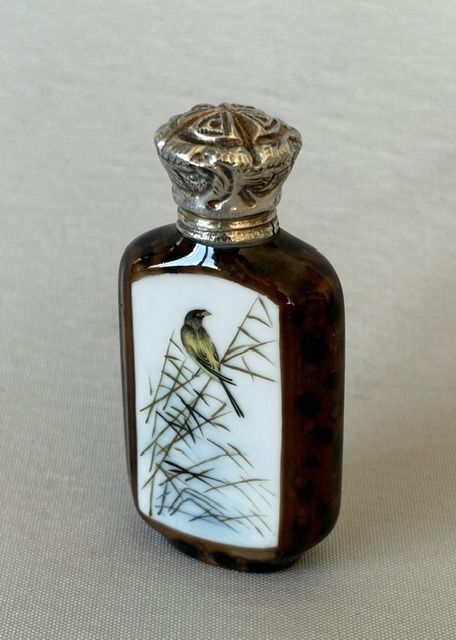
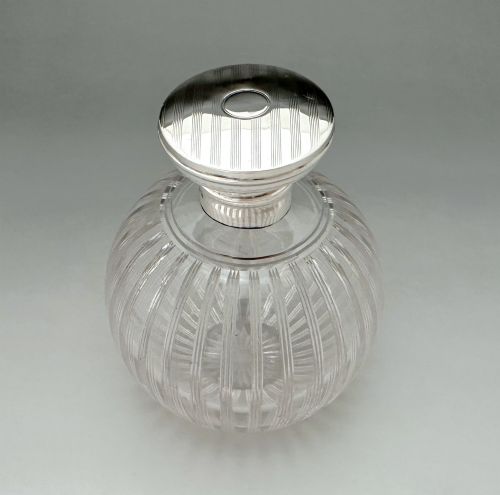
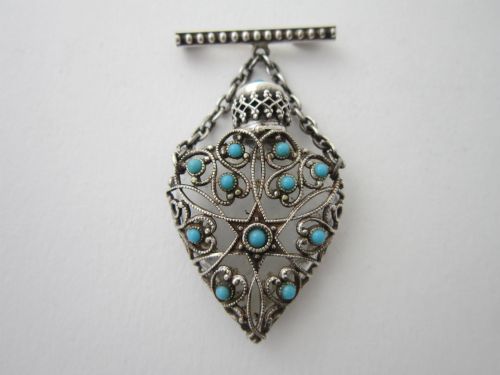
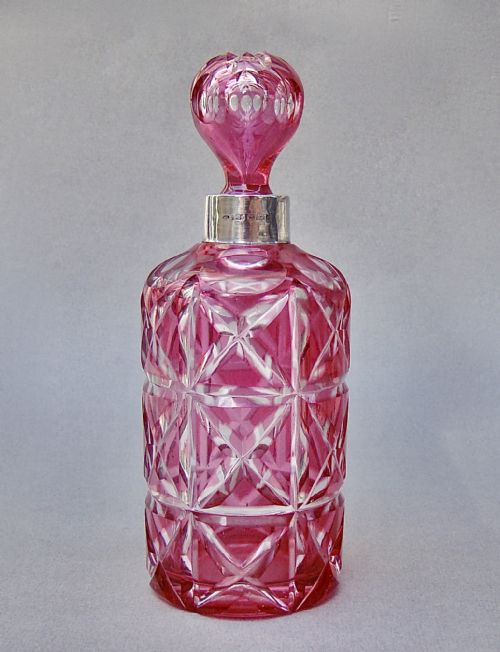
A vintage glass scent bottle delivers the tactile charm of a dressing table accessory crafted in eras past.
Vintage Glass Scent Bottle
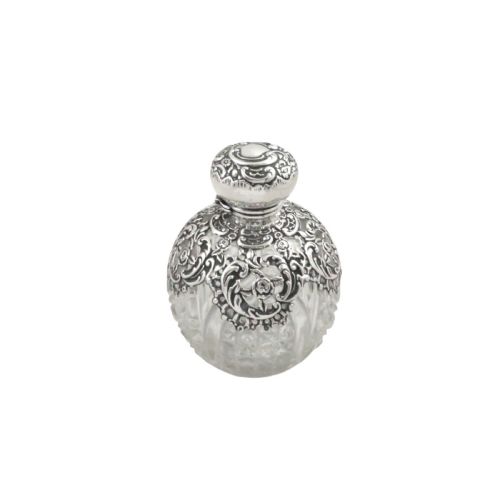
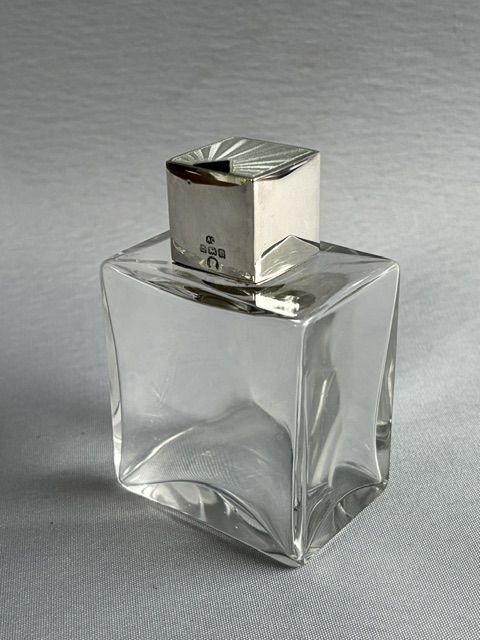
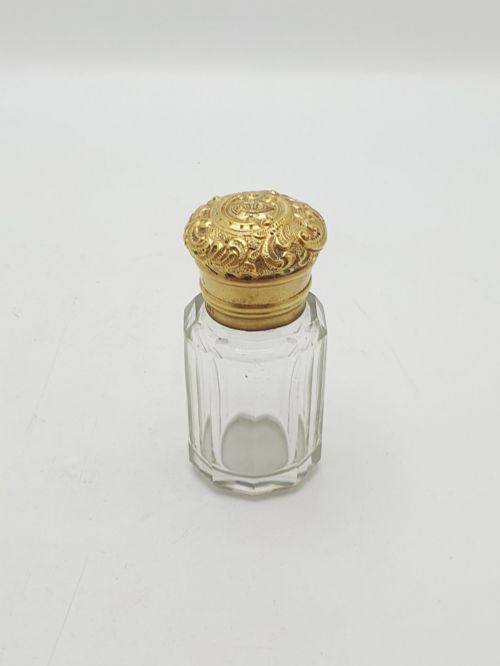
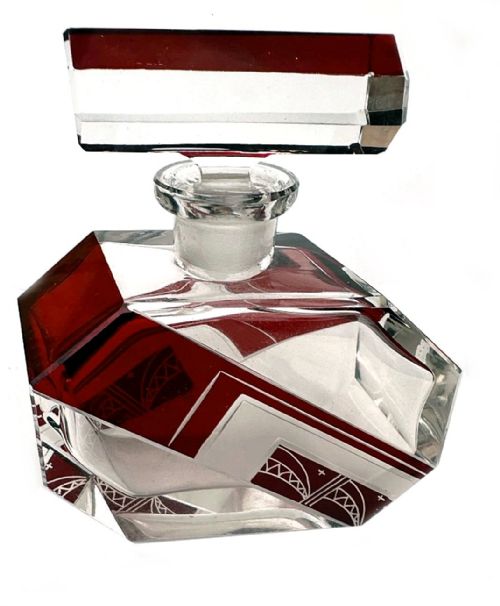
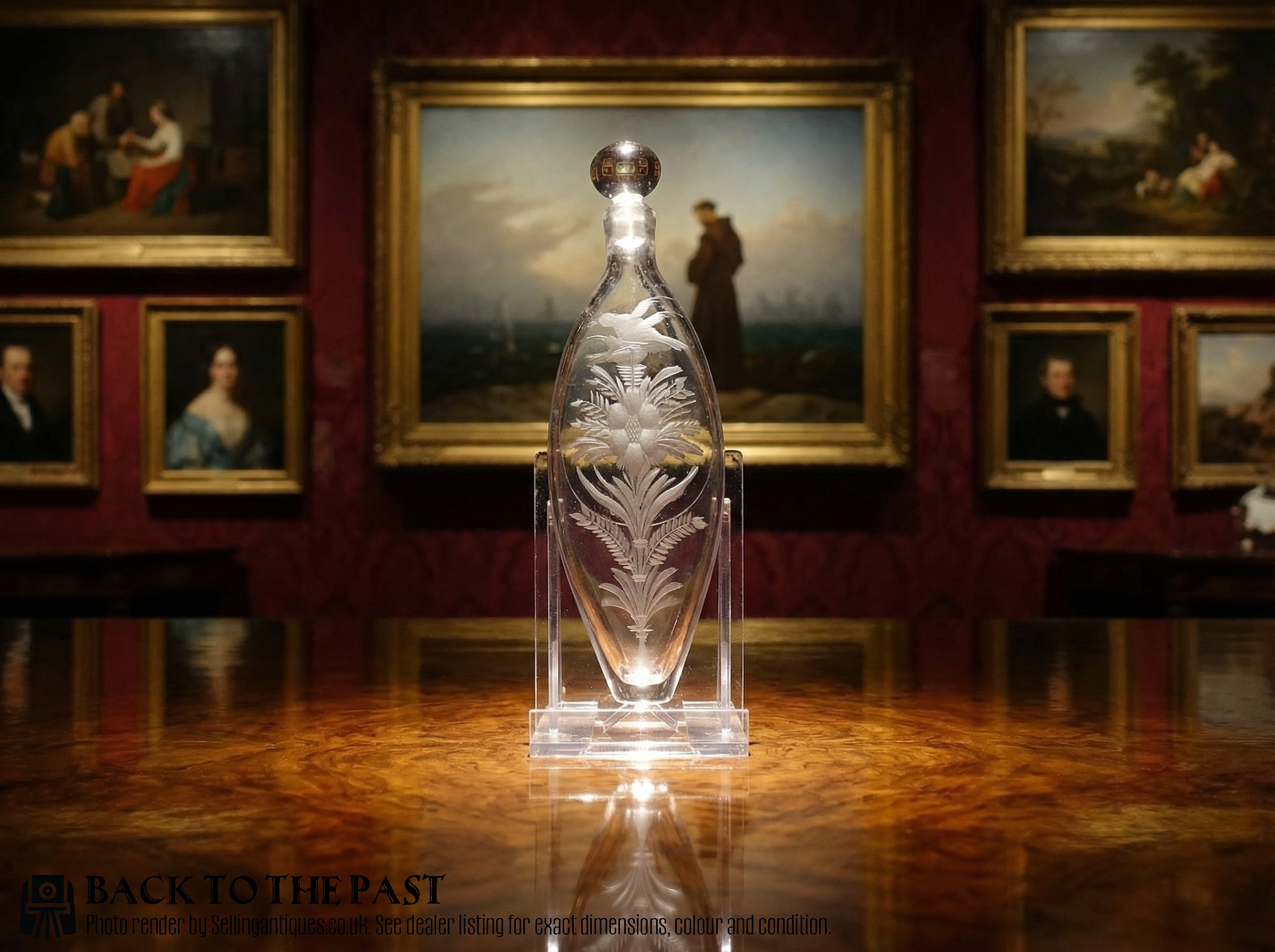
A vintage glass scent bottle combines utilitarian function with decorative artistry, surfacing in forms ranging from heavy geometric decanters to delicate moulded vessels. Buyers seeking these items encounter numerous examples originating from the Victorian and Edwardian periods, alongside distinct Art Deco designs from the 1930s.
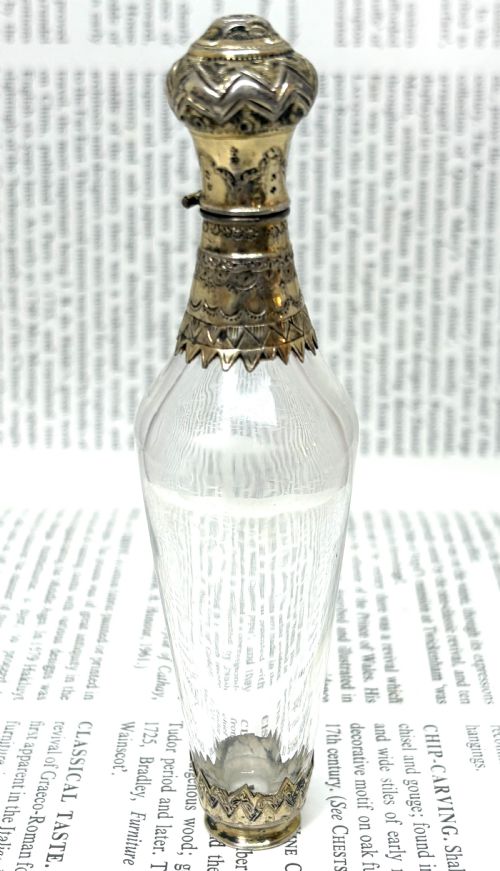
The selection encompasses diverse geographical origins and maker aesthetics, including French perfume flasks, Czech moulded pieces, and English travel trios. Common configurations feature stoppers, atomisers, and fitted silver collars designed for domestic display or carriage.
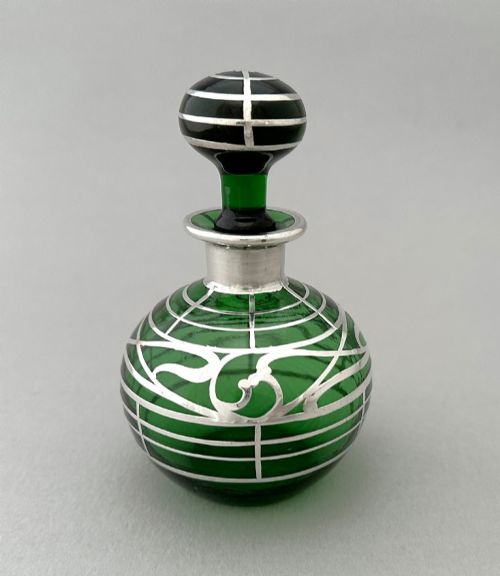
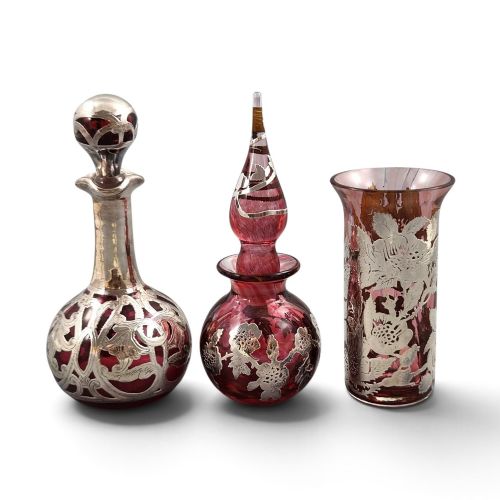
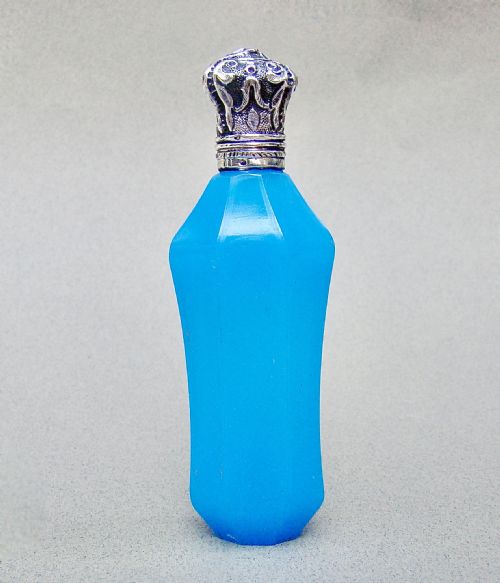
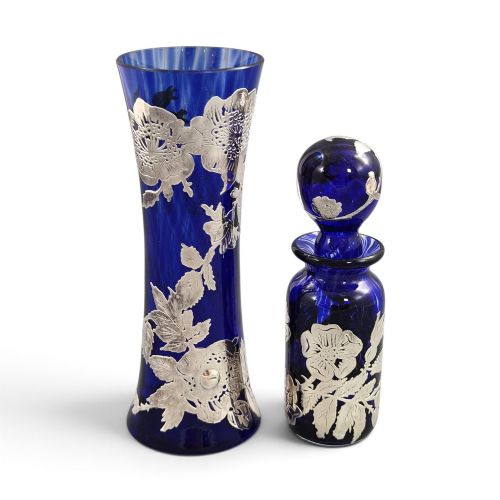
Vessels span opaline, cobalt, cranberry, milk, and clear glass bodies, frequently enhanced by metal mounts or overlay work. These objects reflect the changing dressing table fashions across the nineteenth and twentieth centuries.
Materials and construction
Manufacturing methods rely heavily on cut crystal, moulded glass, and blown vessels paired with sterling silver, silver gilt, or chrome hardware. Artisans utilised techniques such as acid etching, enamelling, and metal overlay to enrich the transparent or coloured glass bodies.
Metal mounts secure the neck and cap, frequently incorporating hinged lids or internal glass stoppers to prevent evaporation. Enamel work, guilloché patterns, and tortoiseshell inlays add ornamental detail to the metal components across many specimens.
Vintage Glass Scent Bottle Retail Price Guide 2026
Typical asking prices for vintage glass scent bottle among the pieces listed under this phrase on Sellingantiques today, from the lower quarter to the upper quarter. They describe what is for sale here now, not the wider market.
Materials paired with the glass include sterling silver, tortoise shell, guilloché enamel, and chrome.
Assessing quality and execution
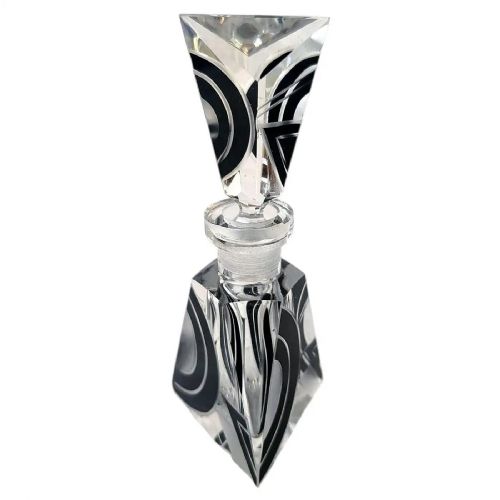
Quality rests upon the precision of the glass cutting, the weight and clarity of the material, and the intricacy of any metal overlay or enamel work. Finer examples display crisp geometric facets, well-balanced proportions, and fully hallmarked silver mounts.
Artistic attribution and maker execution elevate specific pieces, particularly signed mouldings or works by recognised workshops. The integrity of internal stoppers and the crispness of moulded relief patterns further separate standard production items from superior studio output.
Rene Lalique·Karl Palda·Henry Perkins·Harold Bushell and Co·Gorham·Tonnel Paris
The Vintage Glass Scent Bottle Glossary
- Opaline glass
- An opaque or translucent glass characterised by a milky appearance, frequently tinted in pastel shades such as turquoise.
- Guilloché enamel
- Decorative mechanical engraving beneath a translucent layer of enamel, commonly found on Edwardian and Art Deco caps.
- Sterling silver overlay
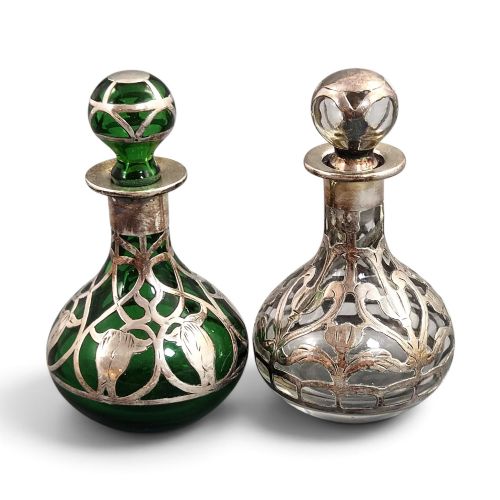
- Silver applied directly to the exterior of a glass vessel, often worked into floral or geometric Art Nouveau motifs.
- Atomiser
- A spray mechanism fitted to a perfume bottle, allowing liquid fragrance to be dispersed in a fine mist.
- Cologne bottle
- A larger vessel traditionally utilised for Eau de Cologne, frequently fitted with a matching silver cap or stopper.
Vintage Glass Scent Bottle: Frequently Asked Questions
How do I clean a vintage glass scent bottle safely?
Warm water and a soft bottle brush suffice for removing internal residue without damaging delicate glass or historic metal collars.
Harsh chemical detergents and ultrasonic cleaners should be avoided, particularly when dealing with enameled surfaces or silver overlay.
Were these bottles meant for travel?
Many Victorian and Edwardian examples were designed specifically for carriage, featuring secure screw caps and cased sets for luggage.
Larger display pieces and atomisers remained stationary on dressing tables and vanity trays.
How do I distinguish Art Deco bottles from Victorian ones?
Victorian examples lean towards heavy cut crystal, cranberry glass, and ornate sterling silver mounts with botanical motifs.
Art Deco bottles from the 1930s utilise geometric moulding, streamlined silhouettes, and contrasting enamel or chrome elements.
Do original stoppers matter?
Original matching glass stoppers preserve the integrity and visual harmony of the piece.
Replacements are common in older glassware, so checking for proper fit and matching glass tone is advisable.