
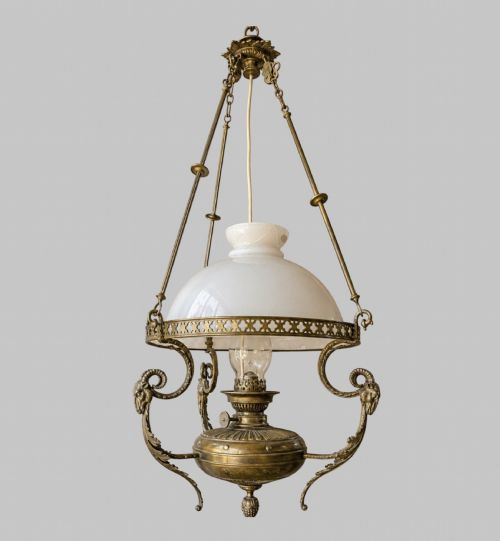
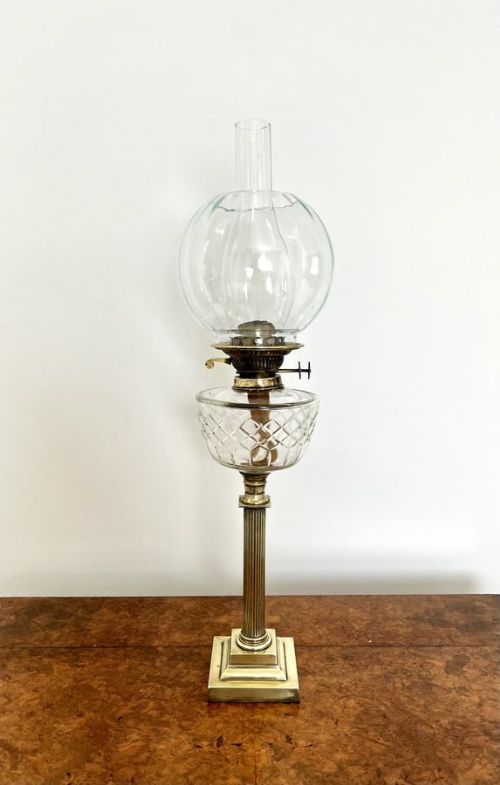
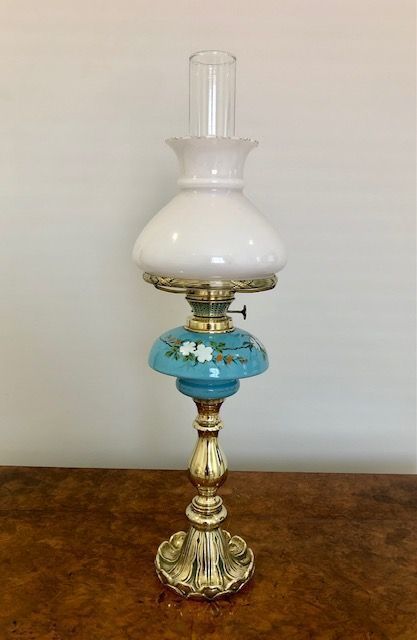

Vintage Glass Paraffin Burner
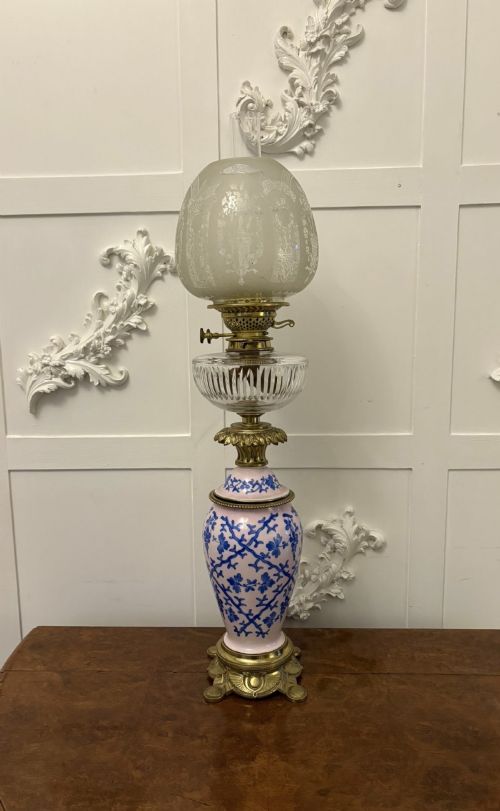
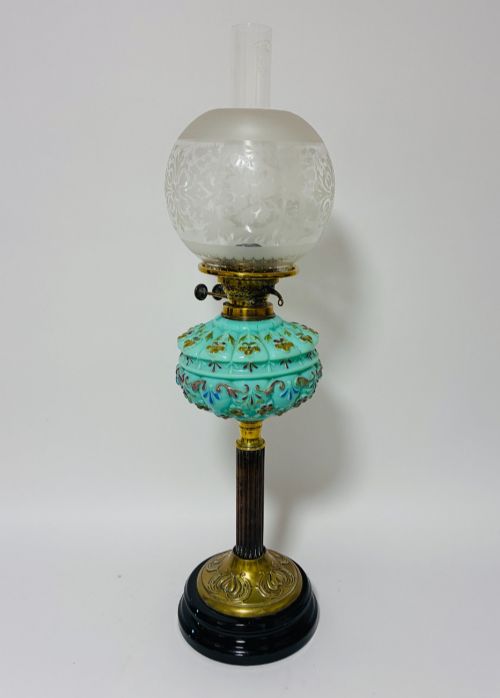
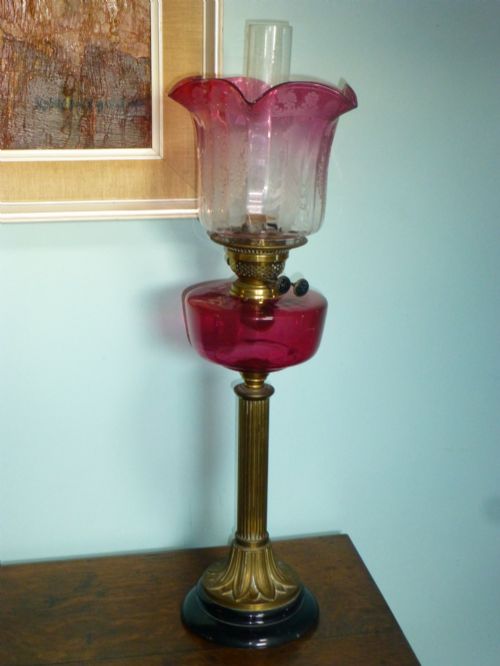
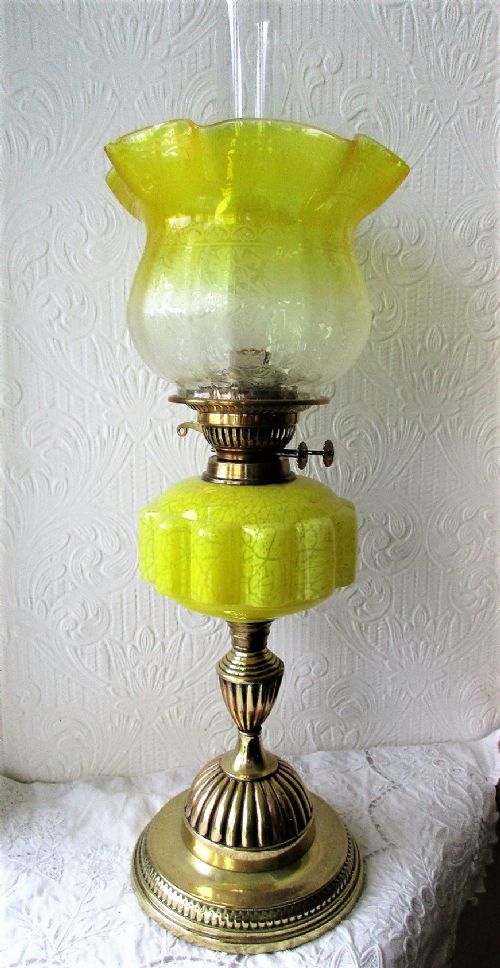
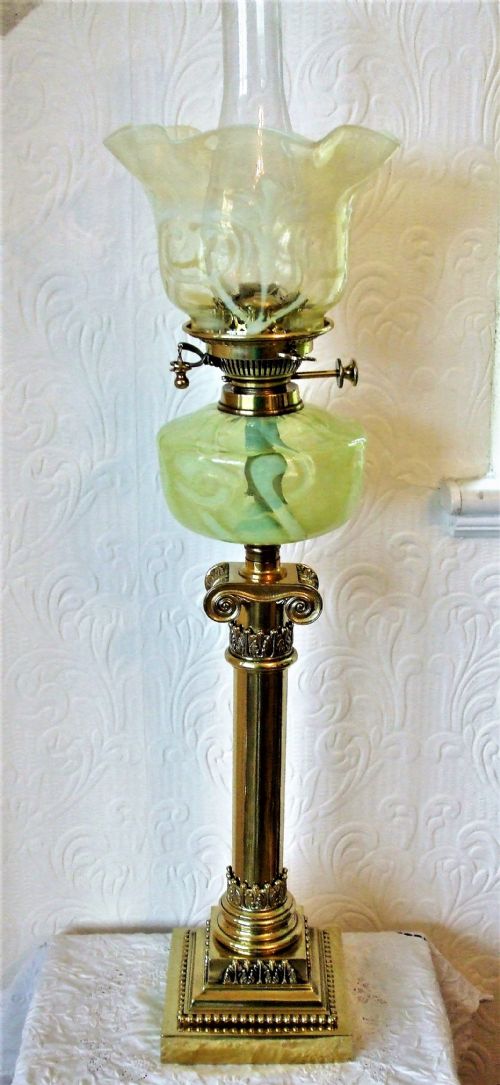
These vintage glass paraffin burner pieces bring period warmth and steady illumination to a room, combining brass columns with coloured font bowls.
Vintage Glass Paraffin Burner
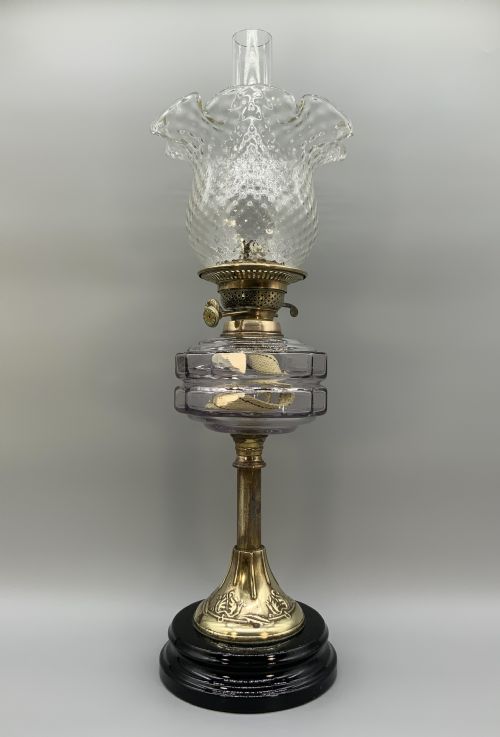
When searching for a vintage glass paraffin burner, you encounter nineteenth-century and early twentieth-century lighting fixtures designed for domestic illumination. These pieces typically combine a heavy metal base with a coloured or clear glass fuel container.
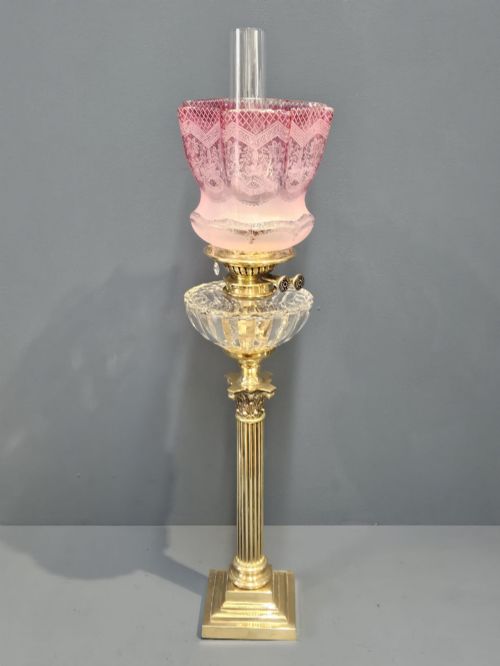
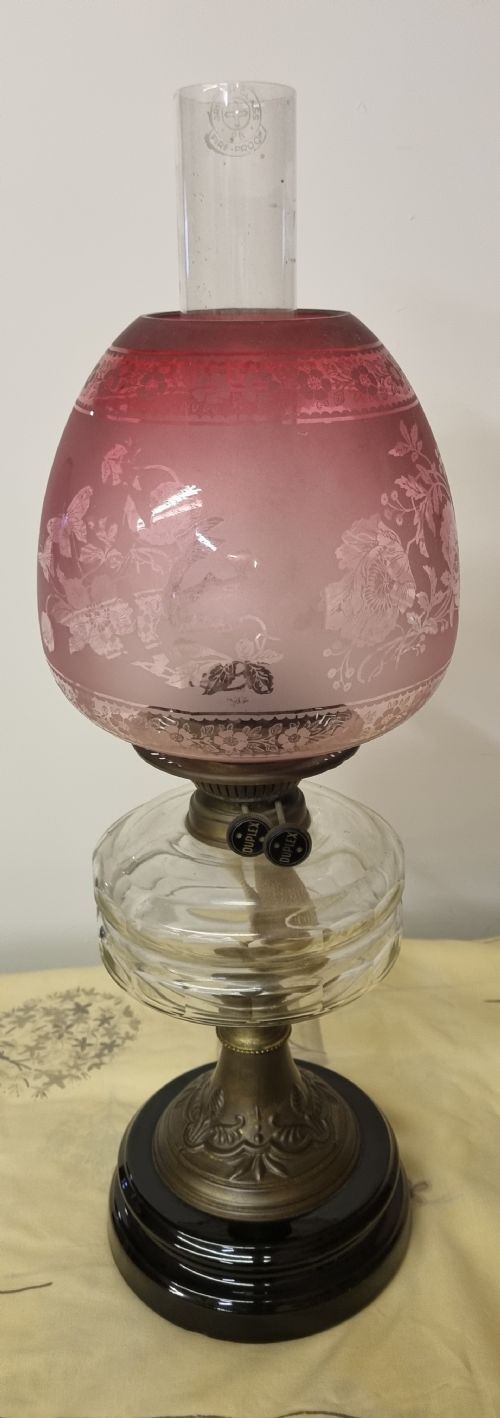
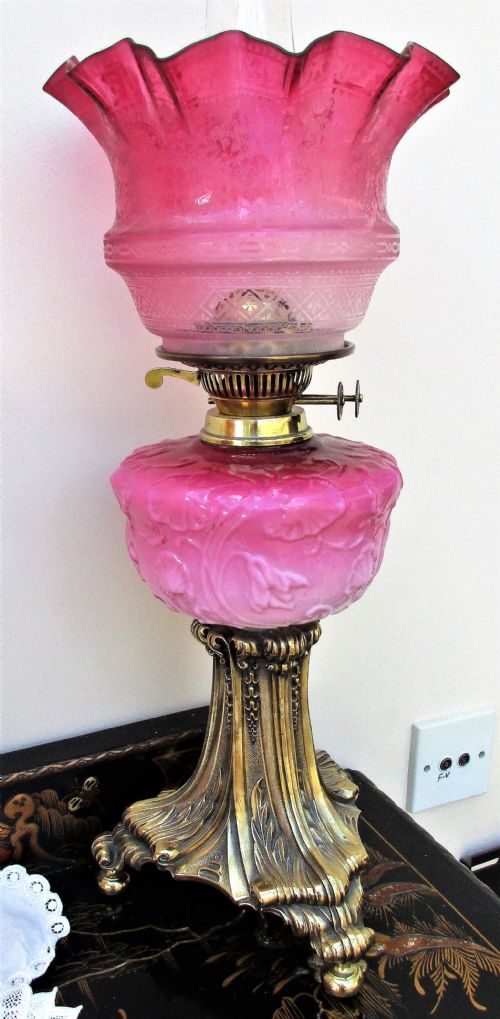
The most common examples on this page date from the Victorian and Edwardian periods, featuring standard table lamp formats alongside taller column styles. Many incorporate specialised double burners or decorative shades in cranberry, pink, or opaline glass.
How they were made
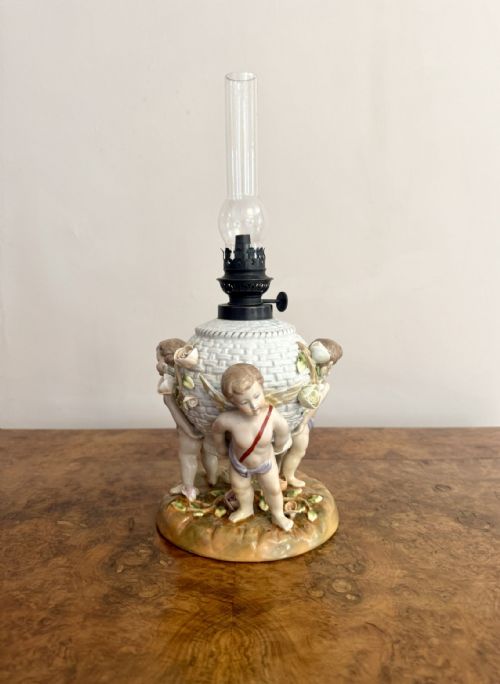
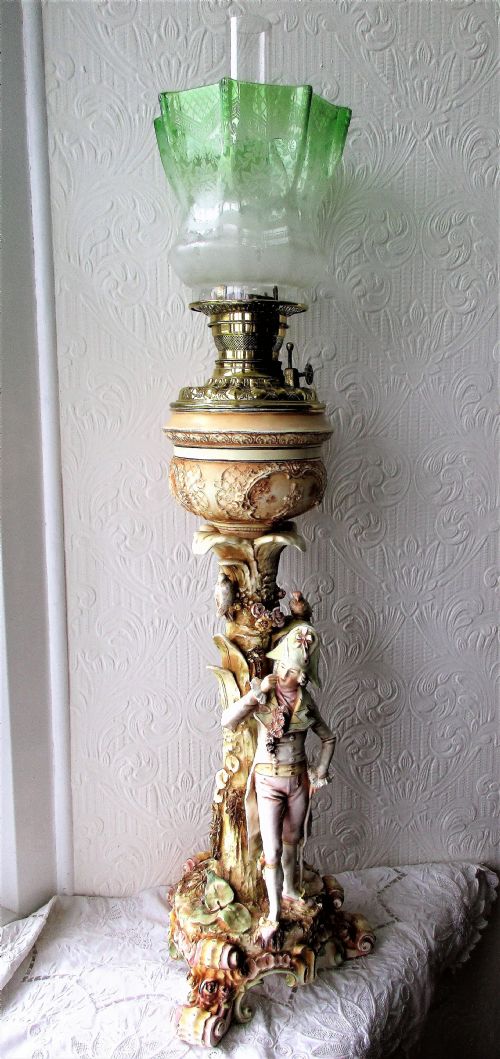
Maker workshops combined cast brass columns or ceramic pedestals with blown and cut glass reservoirs to hold the fuel. Metal components were often plated or polished, whilst glass fonts utilised moulded or hand-blown techniques in varied hues.
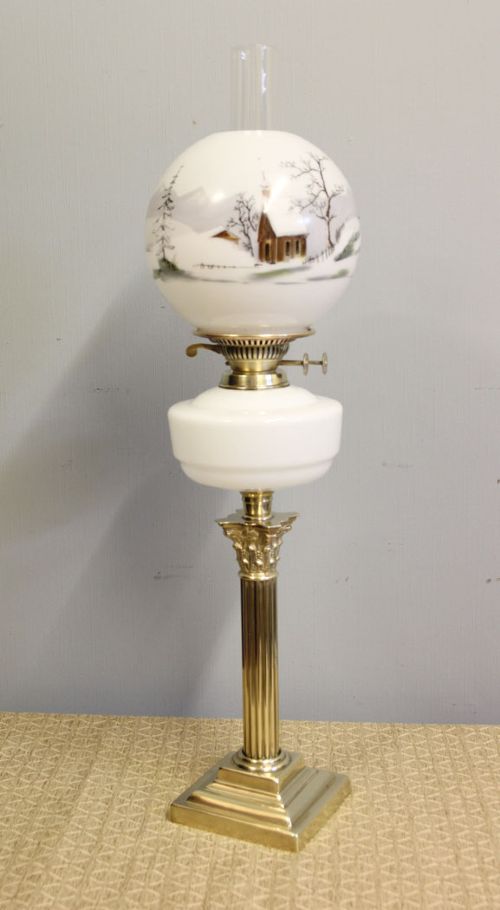
Burner assemblies such as the Hinks mechanism were fitted to the top of the glass font to regulate the wick and flame safely. Shade production involved hand-blown glass, sometimes featuring etched designs or winter scenes applied to cranberry and opaline surfaces.
Current listings feature materials including brass, ceramic, opaline glass, and cut glass across Victorian and Edwardian periods.
What varies in quality
The distinction between standard examples and superior pieces rests on the weight of the brass casting and the complexity of the glasswork. Heavier columns with crisp Corinthian detailing and deeply cut or layered glass fonts represent the finer tier of manufacture.
Proportion and material integration define the overall success of the object. Pieces that pair balanced figural or ceramic bases with unblemished coloured shades demonstrate superior design cohesion compared to simpler utilitarian variants.
Hinks·Sitzendorf
The Vintage Glass Paraffin Burner Glossary
- Duplex burner
- A double-wick mechanism designed to produce a brighter flame than standard single-wick lamps. This system required specialised dual thumb-wheels to adjust each wick independently.
- Font
- The oil reservoir portion of the lamp, typically fashioned from clear, coloured, or cut glass. It sits atop the column or base and feeds paraffin to the burner.
- Peg lamp
- A small oil lamp designed with a tapered metal or glass peg at the base that inserts directly into a candlestick or wall sconce holder. This allowed existing candle holders to be utilised for paraffin lighting.
- Opaline glass
- An opaque, milky-white glass popular during the Victorian and Edwardian eras for lamp shades and vases. It diffuses light softly without total transparency.
Vintage Glass Paraffin Burner: Frequently Asked Questions
What is a vintage glass paraffin burner?
A vintage glass paraffin burner is a nineteenth or early twentieth-century lighting device that uses a glass fuel reservoir mounted on a metal or ceramic base. These lamps burned liquid paraffin to provide indoor illumination before widespread electrical wiring.
Most examples include a metal burner mechanism at the top and frequently feature matching glass shades in colours like cranberry or pink.
How do I date a paraffin lamp?
Dating these lamps involves examining the materials, burner mechanisms, and decorative styles present in the piece. Victorian models often feature heavy brass Corinthian columns and rich cranberry glass, whilst Edwardian versions lean towards lighter brass and opaline shades.
Patents marked on the metal burner mechanisms also provide reliable production date ranges.
Can I still burn paraffin in them?
Whilst the mechanical components may remain intact, most collectors treat these lamps purely as decorative objects rather than active light sources. Using antique burners requires careful inspection of the wick mechanism and seals to ensure safe operation.
Many modern buyers prefer to display them unlit or convert them professionally for electrical use.
What are Corinthian column lamps?
Corinthian column lamps are a specific Victorian style where the vertical stem of the lamp mimics classical Greek architecture. They usually feature detailed acanthus leaf capitals atop a fluted brass column.
These columns typically rest on a heavy stepped square base and support a glass font and shade above.