
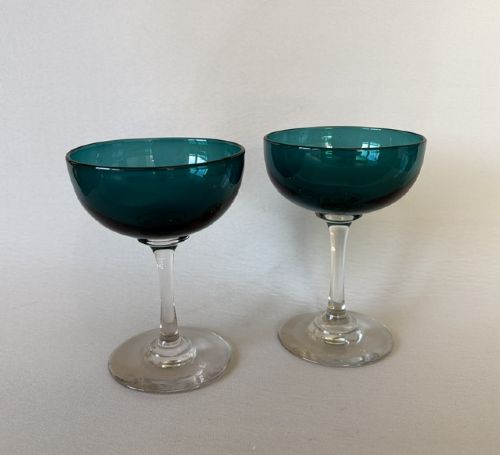
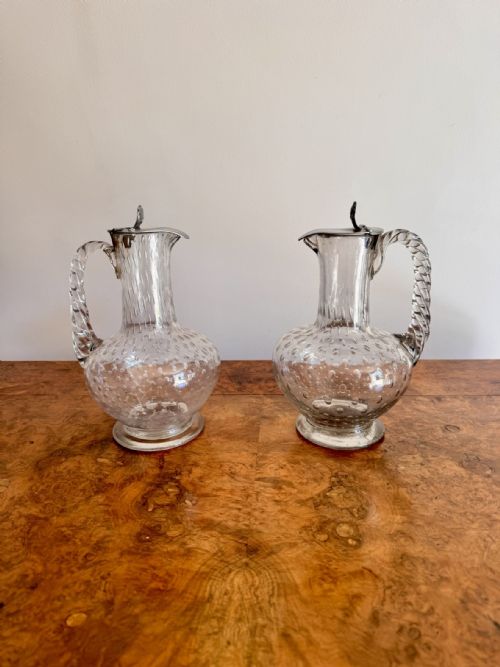
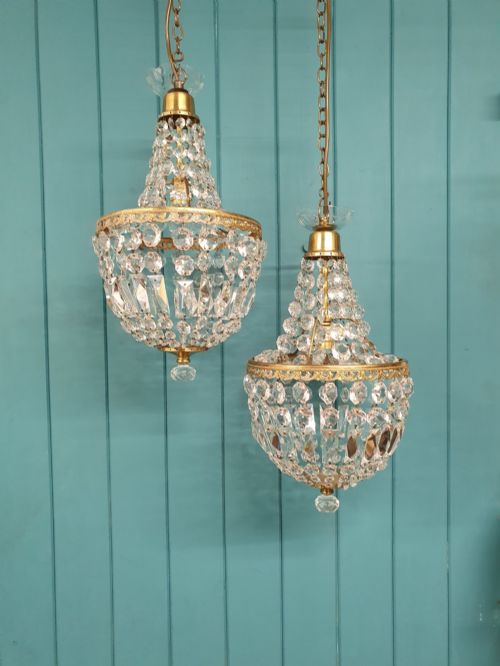
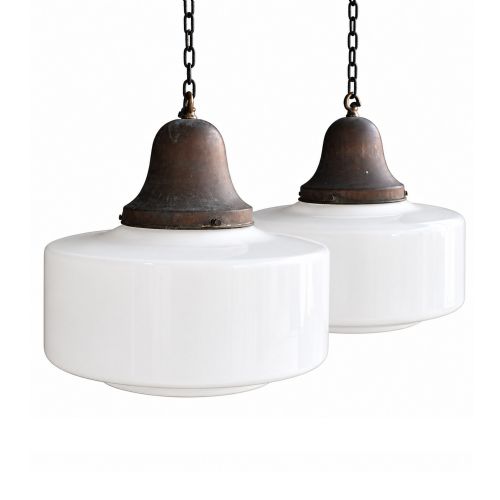

Vintage Glass Pair
When you handle a vintage glass pair, you hold matched companions formed for illumination, display, or daily service across the centuries.
Vintage Glass Pair
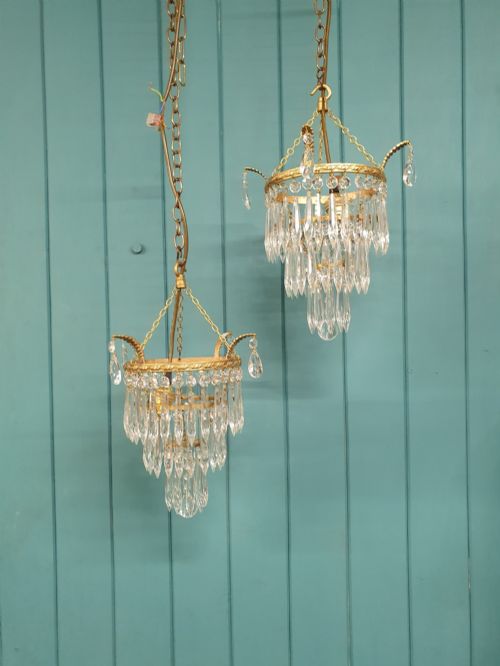
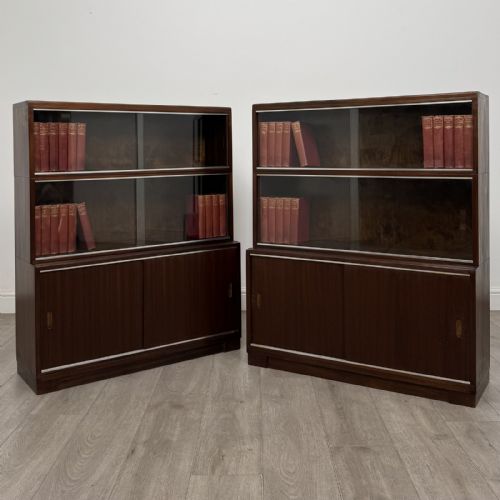
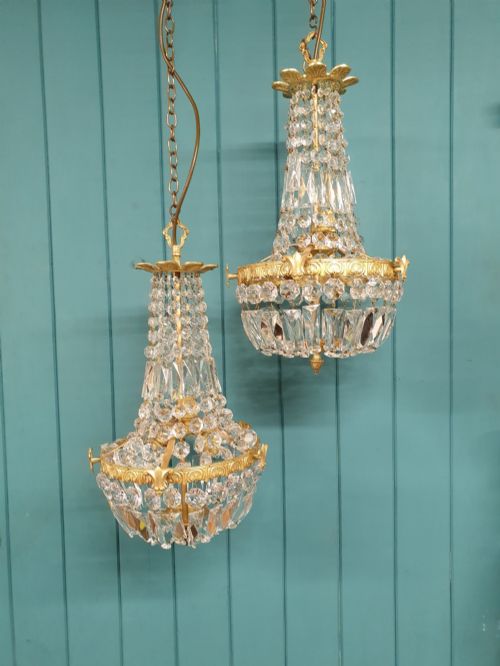
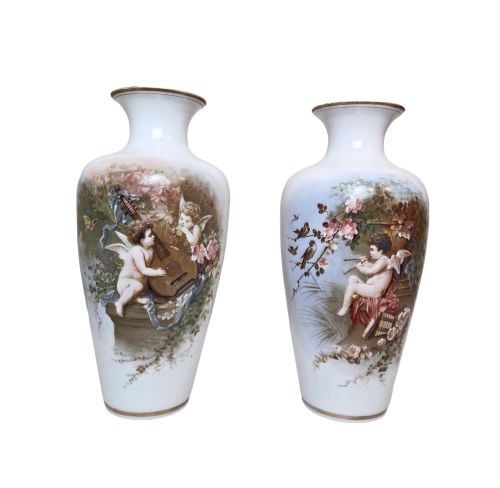
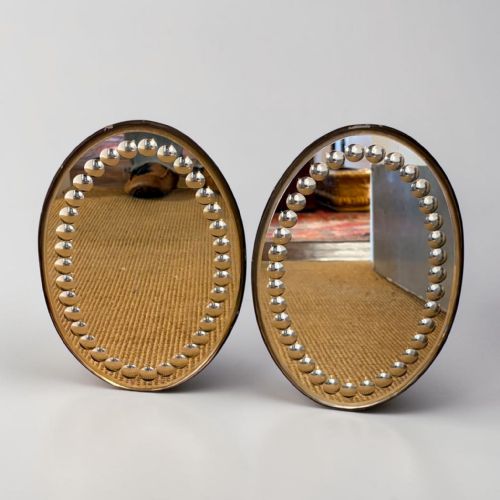
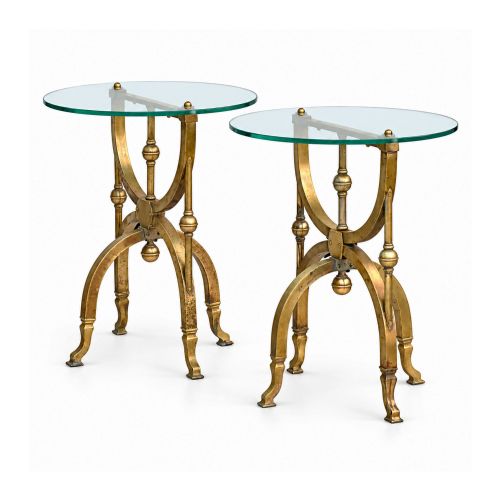
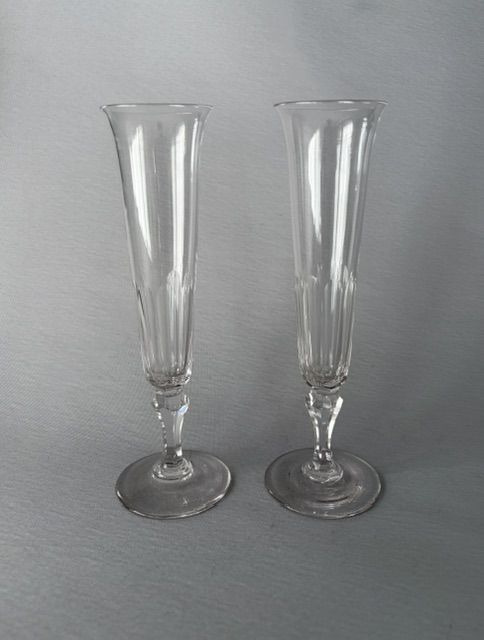
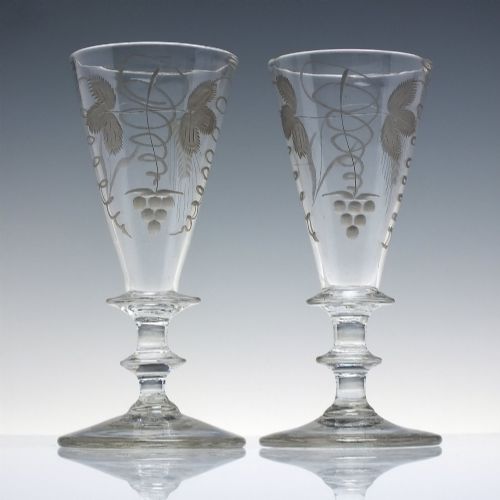
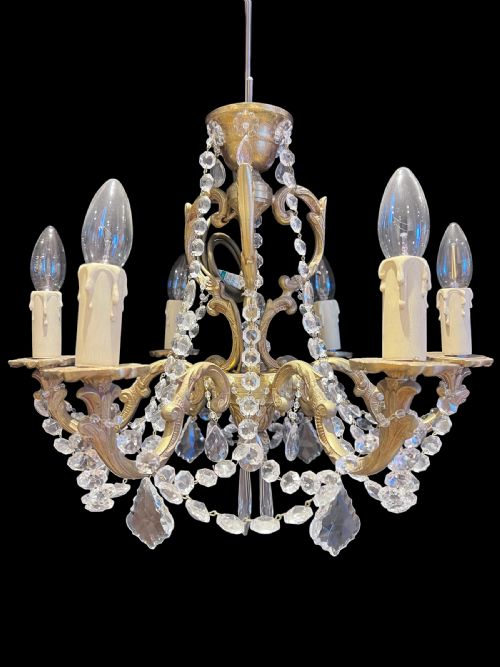
A vintage glass pair brings together matched objects intended to balance a mantelpiece, sideboard, or lighting scheme. Buyers seeking this phrase encounter lighting components, drinking vessels, and decorative display items.
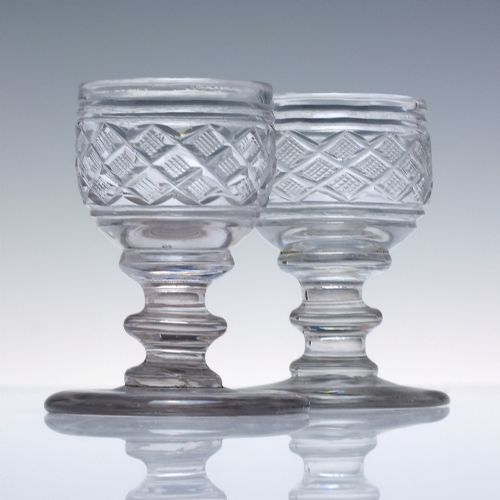
The listings here contain everything from cut crystal table decanters and Victorian rummers to twentieth-century wall sconces and chandeliers. English and French pieces dominate the selection across multiple periods.
Drinking vessels and table lustres appear frequently alongside wall lights and candelabra. Each set demonstrates the historical demand for symmetry in domestic interiors.
How they were made
Makers utilised lead crystal, opaline glass, and plain blown or pressed glass combined with brass, gilt bronze, chrome, and sterling silver. Metal mounts and frames provide structural support for heavy crystal drops and blown shades.
Techniques range from wheel-cutting and star-etching to hand-blown moulding and silver overlay. Artisans shaped molten glass by hand before applying decorative wheel cuts or metal collars.
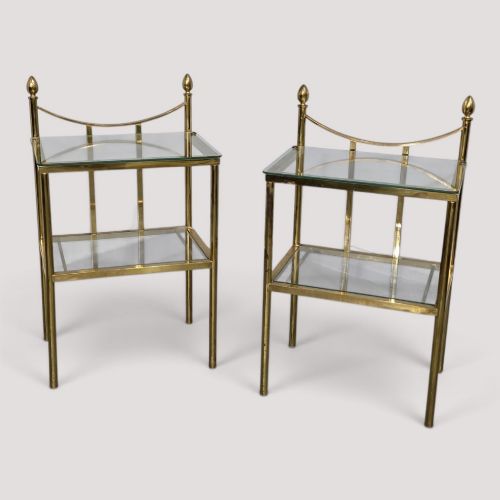
Materials recorded across the selection include brass, cut crystal, opaline glass, rosewood, toleware, and sterling silver overlay.
What varies in quality
Quality rests upon the clarity of the glass, the crispness of the cutting or etching, and the weight of the supporting metal components. Superior examples display deep, sharp wheel cuts and heavy, well-cast brass or bronze frames.
The degree of matching within a pair dictates its desirability, as minor variations in hue or dimensions reveal hand-working differences. Complete sets retaining original drops or shades command closer attention from collectors.
Maison Baguès·R Lalique·Baccarat·Maison Jansen·Gorham·Waterford·Birks
The Vintage Glass Pair Glossary
- Lead crystal
- Glass containing lead oxide to increase brilliance, weight, and refractive index. This material allows for deeper wheel-cutting without fracturing.
- Lustre
- A decorative tabletop vase or urn hung with cut glass prisms. These pieces gained popularity during the Victorian period for reflecting candlelight.
- Opaline glass
- An opaque, translucent glass varying in colour from white to soft greens and pinks. It was frequently blown into lampshades and decorative jars.
- Rummer
- A large, heavy-stemmed drinking glass used for ale, wine, or punch during the eighteenth and nineteenth centuries. They often feature sturdy feet and bucket bowls.
- Sterling silver overlay
- A technique where molten or sheet silver is bonded to a glass surface in decorative patterns. It requires precise chemical adhesion during manufacturing.
Vintage Glass Pair: Frequently Asked Questions
How were glass lustres used?
Victorian households placed glass lustres on mantelpieces and sideboards to catch and multiply the light from candles and oil lamps.
Their hanging crystal prisms refracted illumination across the room while adding formal symmetry to interior displays.
What is the difference between crystal and glass?
Crystal contains added lead oxide, which increases the weight, refractive index, and durability of the material.
This composition permits artisans to execute deeper and sharper cuts on decanters and stemware without compromising the structure.
How do I date cut glass pieces?
Dating relies on the depth of the cutting, the pontil mark on the base, and the overall form of the vessel.
Earlier pieces often feature hand-polished bases and softer facet edges, whereas later twentieth-century items display sharper machine finishing.
Can antique wall lights be wired safely?
Most antique brass and glass sconces accommodate modern internal wiring by professional electricians without altering the exterior metalwork.
Original sockets or burners can be adapted to standard modern fittings while preserving the antique glass shades.