

Vintage Glass Base
A vintage glass base supports everything from Victorian oil lamps to Art Deco figural lighting, bringing weight and optical clarity to the table.
Vintage Glass Base
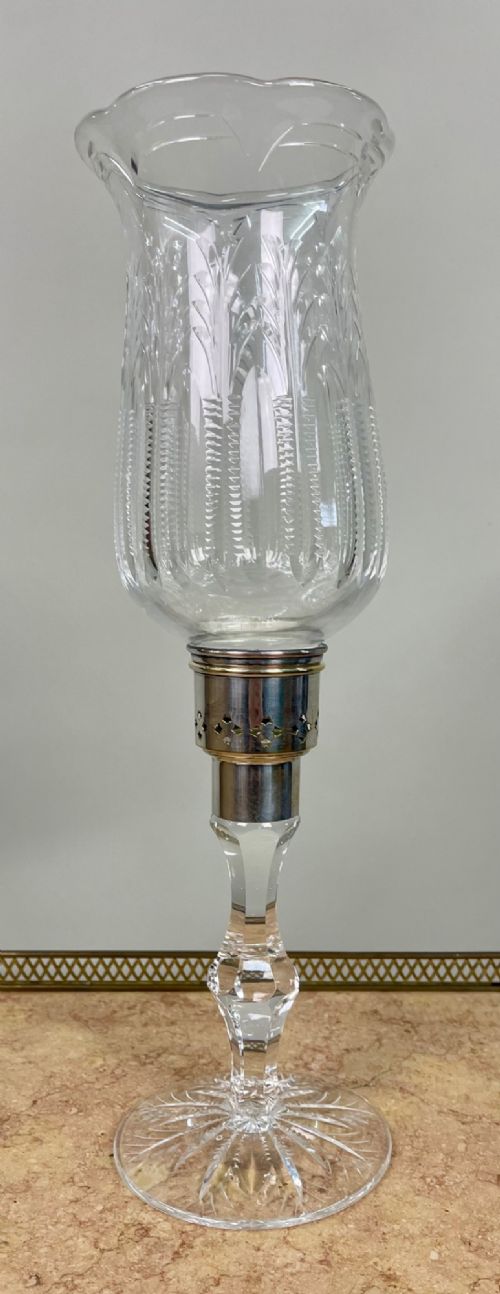
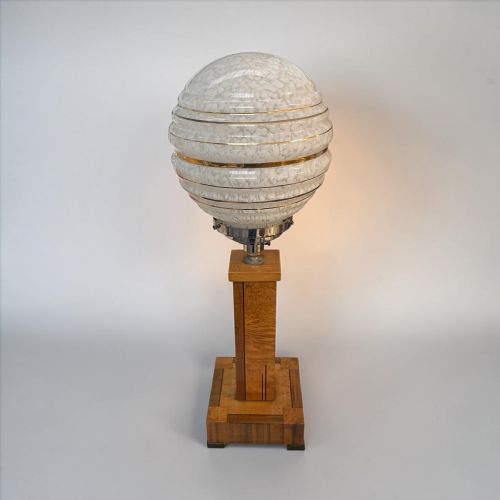
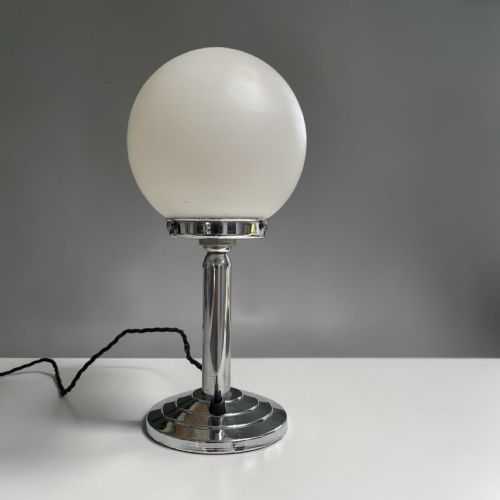
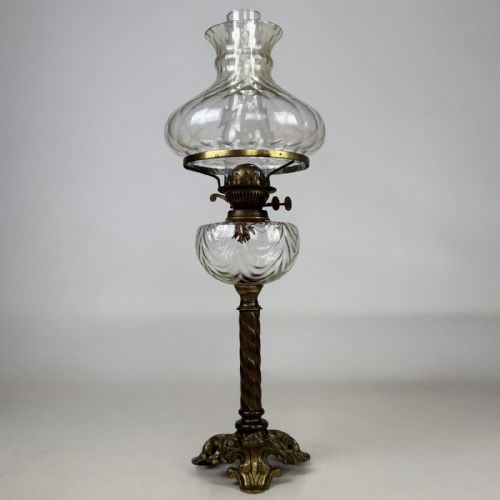
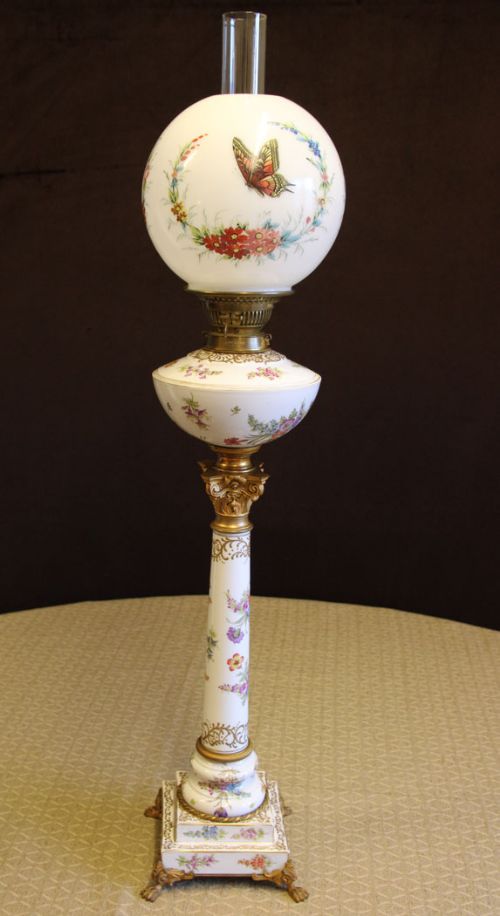
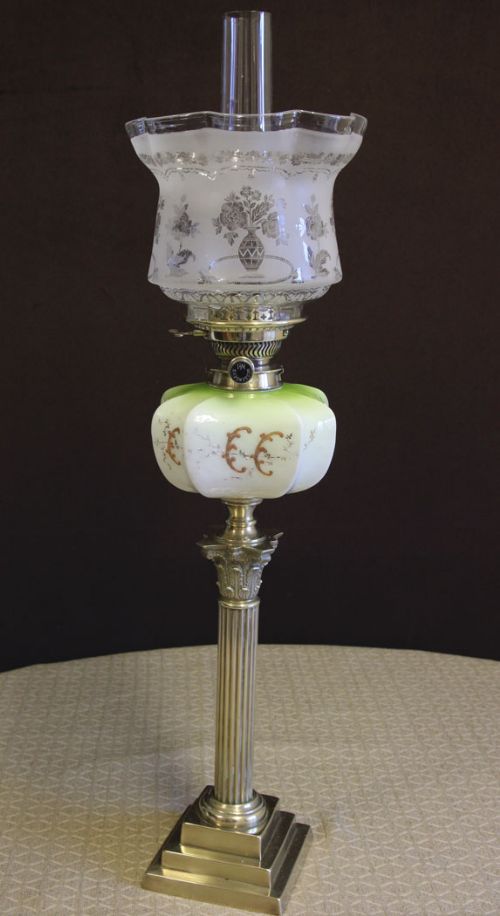
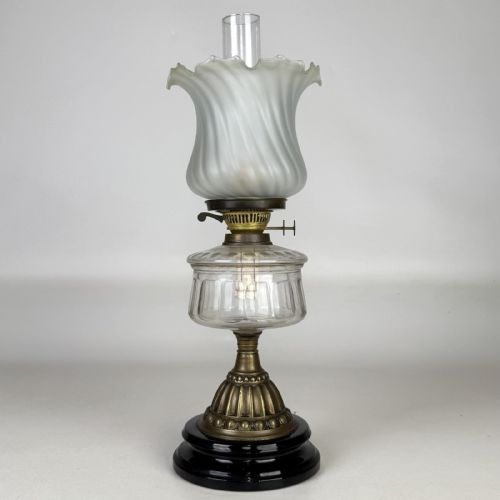
When you search for a vintage glass base, you encounter a variety of lighting and display forms spanning multiple eras. The most frequent iteration on this page is the table lamp, particularly from the Art Deco and Victorian periods, where heavy glass fonts and columns sit on metal or stone mountings.
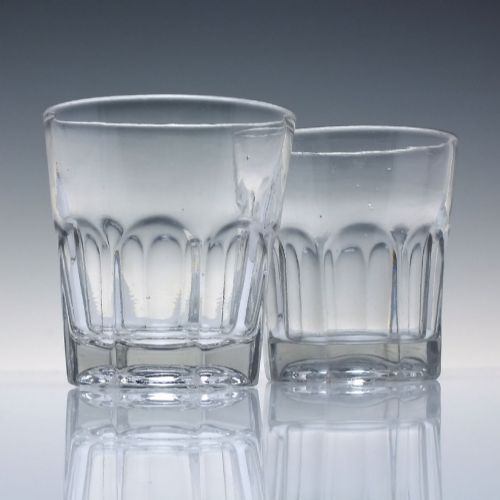
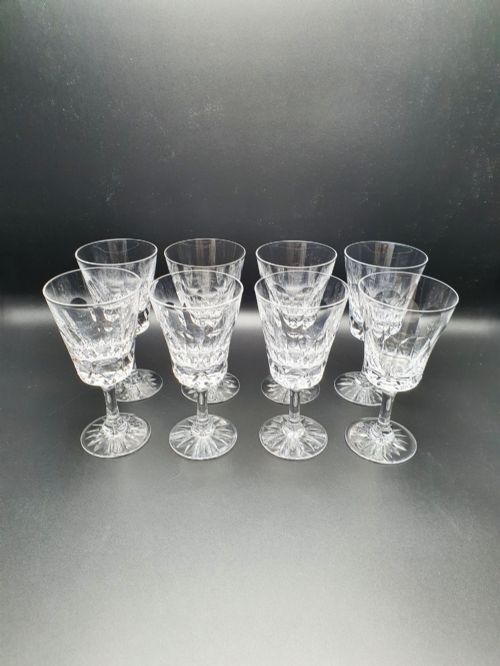
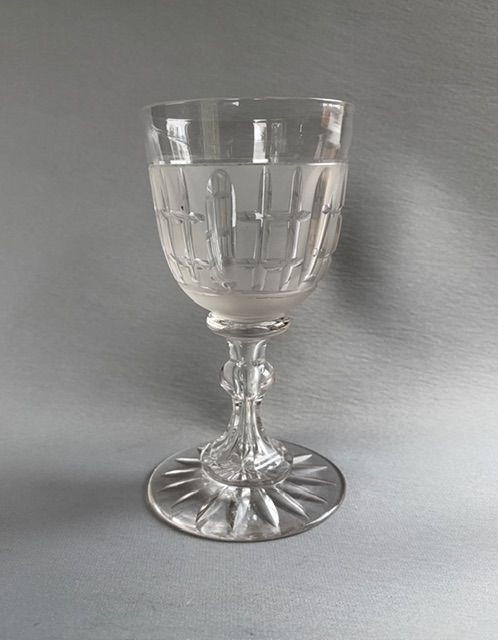
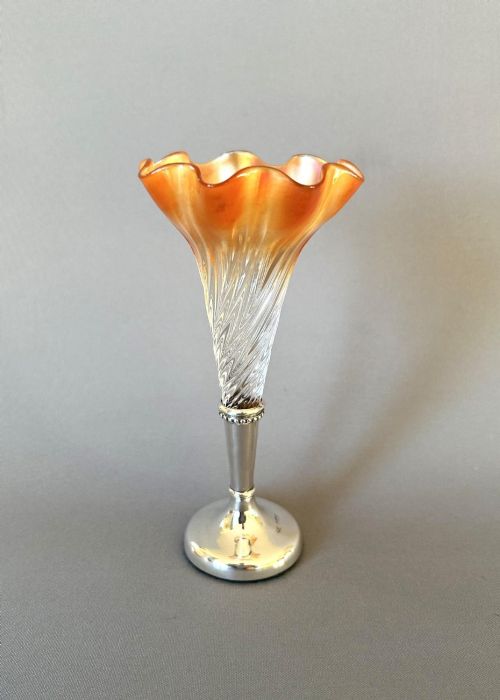
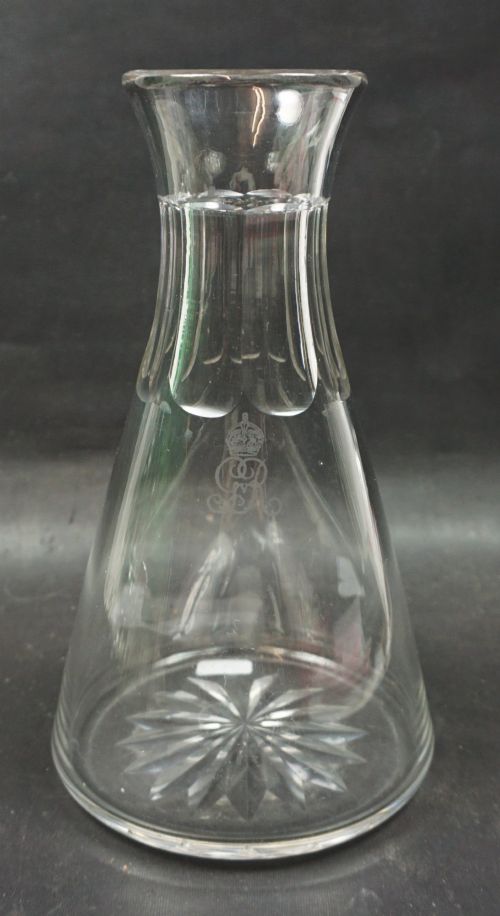
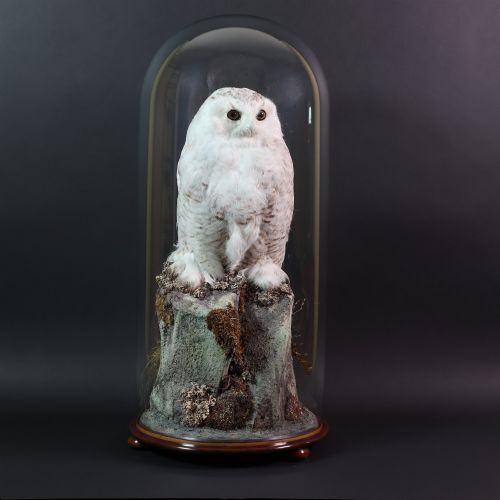
Beyond lighting, the evidence shows glass bases supporting taxidermy domes, posy vases, and drinking vessels. These functional and decorative objects cross styles from Georgian and Regency to Mid-Century Modern, though Victorian and 1930s examples predominate in the current selection.
The materials paired with these glass elements are diverse, combining glass with brass, marble, mahogany, spelter, and metal. Understanding the specific object type - whether an oil lamp, a display dome, or a sculptural figure lamp - helps clarify the original purpose of the glass component.
Materials and construction methods
The manufacture of these pieces relies heavily on the combination of moulded or cut glass with structural metals and natural stones. Brass columns, spelter figures, and marble plinths provide the necessary stability to anchor heavier glass fonts, shades, and display domes.
Techniques range from Victorian brass casting and acid-etching on glass to Art Deco opalescent moulding and wrought iron framing. Makers utilised cut glass, frosted glass, and cranberry glass alongside mahogany and oak timber mounts to achieve contrasting textures and optical effects.
Vintage Glass Base Retail Price Guide 2026
Typical asking prices for vintage glass base among the pieces listed under this phrase on Sellingantiques today, from the lower quarter to the upper quarter. They describe what is for sale here now, not the wider market.
Several Art Deco lamps on this page feature dancing ladies and novelty dogs keeping watch beside the glass.
Judging the range of quality
Quality in these pieces is dictated by the crispness of the glass moulding, the depth of any hand-cut facets, and the integrity of the supporting base material. Heavier crystal and thick opaline glass demonstrate a higher grade of manufacture than thin, pressed alternatives.
The refinement of the secondary materials - such as chased brass, solid marble, and patinated spelter - separates standard production items from finer studio or factory work. The harmony between the glass component and its structural mount determines the overall success of the piece.
The Vintage Glass Base Glossary
- Opalescent glass
- Glass that displays a milky, iridescent quality, shifting in tone depending on the light source. It is frequently seen in Art Deco lighting and decorative objects.
- Spelter
- A zinc alloy commonly used as a substitute for bronze in decorative figures and lamp bases, often given a metallic or patinated finish. It appears frequently in 1930s figural lighting.
- Font
- The oil reservoir section of an oil lamp, often fashioned from cut, etched, or coloured glass. It sits atop a column or base made of brass or ceramic.
- Wrythen
- A decorative swirling pattern moulded or twisted into the body of glassware or vases. This technique adds texture and movement to the transparent material.
- Opaline glass
- An opaque or semi-opaque white glass popular during the nineteenth century for vases, lamps, and decorative accessories. It provides a smooth, porcelain-like surface finish.
Vintage Glass Base: Frequently Asked Questions
How do I date a glass base lamp?
Dating relies on examining the manufacturing techniques, the style of the mounting hardware, and the wiring or burner assembly if original. Victorian examples often feature heavy brass columns and etched shades, whereas 1930s pieces lean towards geometric marble bases and stylised figural spelter mounts.
Comparing the specific glass characteristics, such as the presence of mould seams or hand-cutting, further helps place the item within its respective era.
Can these oil lamps be converted?
Many period oil lamps found on the market have been adapted for modern electrical use over the decades. This conversion typically involves running a cord through the central column while preserving the original glass font and brass framework.
Inspectors and buyers should check the fittings and interior wiring to ensure the conversion respects the historic integrity of the base and meets contemporary safety standards.
What is the difference between a font and a base?
The font is the upper reservoir designed to hold oil or simply serve as the main decorative glass body of a lamp. The base is the lower footing, often made of marble, brass, or heavy metal, that provides stability and elevates the object.
In many designs, the two are fused or held together by a central metal rod, combining different materials into a single silhouette.